
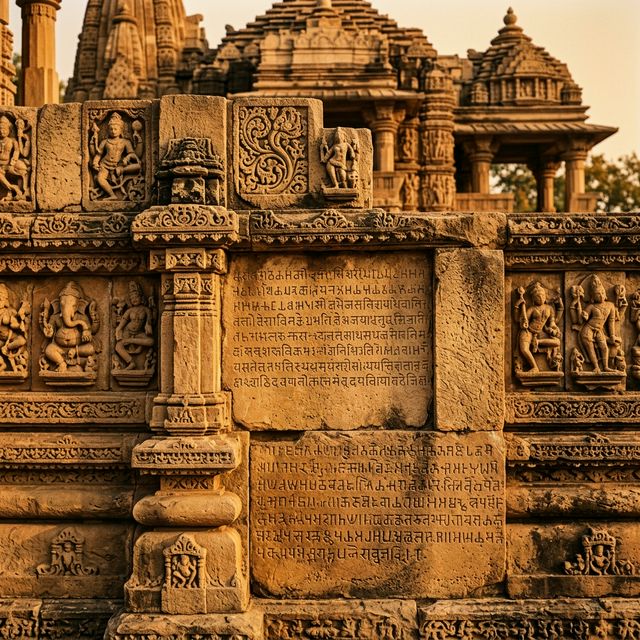
The Waḍgaon (modern Vadgaon) copper plates, recovered from the Wardha district, Maharashtra, constitute a four-plate charter issued by the Vākāṭaka king Pravarasena II. The text is engraved in the box-headed Brāhmī script and is composed in Sanskrit prose and verse. It was drafted by the scribe Maradasa under senapati Bappadeva.
The charter documents Pravarasena II's endowment of four hundred nivartanas of land, measured by the royal standard, situated in the Velusuka village within the Supratiṣṭha āhāra. The grant was bestowed upon Rudrarya, a brāhmaṇa resident of Ekarjunaka belonging to the Vāji-Lohitya gotra, who was versed in two Vedas. The edict was issued from a royal camp located on the banks of the Hiraṇyā river on the tenth lunar day of Jyeṣṭha during the king's twenty-fifth regnal year. The text indicates the grant was a remuneration for the donee reciting sacred texts during the equinox (viṣuva).
First Plate
1. siddham dṛṣṭam | hiraṇyānadī vāsakādagniṣṭomāptoryyāmokthyaṣoḍaśya ti-
2. rātravājapeyabṛhaspatisavasadyaskracaturaśvamedhayājinaḥ
3. viṣṇuvṛddha sagotrasya samrājaḥ vākāṭakānām mahārājaśrī pravarasena-
4. sya sūnoḥ sūnoratyantasvāmimahābhairavabhaktasya amsabhā-
5. rasanniveśitaśivaliṅgodahanaśivasupararituṣṭasamutpāditarā-
6. javamśānāṃ parākkramādhigatabhāgī rathyamalajalamūrddhā bhiṣiktānām daśā-
7. śvamedhāvabhṛthasnātānām bhāraśivānām mahārājaśrībhavanāgadauhitrasya
Second Plate : First Side
8. gautamīputrasya vākāṭakānām mahārājaśrīrudrasenasya sūnoratya-
9. ntamāheśvarasya satyārjjava kāruṇyaśauryyavikkramanayavinayamāhātmya-
10. dhīmattva pātragatabhaktitvadharmma vijayitvamanaonairmmalyādibhirguṇaiḥ
11. samupapetasya varṣaśatamabhivarddhamānakośadaṇḍa sādhanasantā-
12. naputrapautriṇaḥ yudhiṣṭhiravṛtteḥ vākāṭakānāṃ mahārājaśrīpṛthivī-
13. ṣeṇasya sūnorbhagavataḥ cakkrapāṇeḥ prasādopārjjitaśrīsamuda-
14. yasya vākāṭakānām mahārājaśrīrudrasenasya sūnoḥ mahārājā-
Second Plate : Second Side
15. dhirāja śrīdevaguptasutāyām prabhāvatīguptāyāmutpannasya śambhoḥ
16. prasādadhṛta kārttayugasya vākāṭakānāmparamāheśvaramahā-
17. rājaśrīpravarasenasya vacanāt || supratiṣṭhāhāre gṛdhragrāmasya
18. pūrvvataḥ kadambasarakasya dakṣiṇataḥ nīlīgrāmasya pa-
19. śvimataḥ kokilārasya uttarataḥ velusukannāma grāmaḥ etasmāt
20. rājamānena bhūmernni varttanaśatāni catvāri 400 vīmśatītame sam-
21. vatsare viṣuvavācanaka vājilohityasagotrāya
Third Plate : First Side
22. ekārjunakavāstavyāya dvivedarudrāryyāya dattāni | yatosmatsantakāḥ
23. sarvvāddhyakṣaniyoganiyuktāḥ ājñāsañcārikulaputrādhikṛtā bhaṭāśchaśchā
24. trāśca viśrutapūrvvayājñāyāpayitavyāḥ | viditamastu vaḥ yathehāsmā-
25. bhirātmano dharmmāyurbbalavijayaiśvaryyavivṛddhaye ihāmutra-
26. hitārtthamātmānugrahāya vaijayike dharmmasthāne apūrvvadattyā uda-
27. kapūrvvamati sṛṣṭaḥ | athāsyocitām pūrvvarājānumatām cāturvvaidyā-
28. grahāramayādām vitarāmaḥ | tadyathā akaradāyī abhaṭacchātra-
Third Plate : Second Side
29. prāveśyaḥ apāramparagobalīvarddaḥ apuṣpakṣīrasandohaḥ
30. acārāsanacarmmāṅgāraḥ alavaṇaklinnakkreṇikhanakaḥ sanidhiḥ
31. sopanidhiḥ saklṛptopaklṛptaḥ sarvvaviṣṭiparihāraparihṛtaḥ
32. ācandrāditya kālīyaḥ putrapautrānugāmī bhujyamā-
33. naḥ na kenacidvyāghātayitavyaḥ sarvvakkriyābhissaṃrakṣitavyaḥ
34. parivarddhayitavyaśca | yośmācchāsanamagaṇayamānaḥ svalpāmapi
35. paribādhām kuryyātkārayedvāḥ tasya brāhmaṇairvveditasya sadaṇḍam
Fourth Plate
36. nigrahaṃ kuryyāma | asmimśca dharmādarakaraṇe atītānekarājadattasañci-
37. ntanaparipālanam kṛtapuṇyānukīrttanaparihārāya na kīrtayāmaḥ | vyāsagītau cātra
38. ślokau pramāsikarttavyau | svadattām paradattām vā haredyo va vasundharām |
39. gavām śatasahasrasya haturhantu duṣkṛtam || ṣaṣṭim varṣasaha-
40. srāṇisvargge modati bhūmidaḥ | ācchettā cānumantā ca tānyeva narake
41. vaset || iti || saṃvatsare pañcavīmśātītame jyeṣṭhasukladaśamyām
42. senāpatau bāppadeve māradāsena līkhītam pañcavīśatīma siddhamastu śubhamastu ||
Line 1–17
Success! Seen. From the camp at the Hiraṇyā river:
By the order of the illustrious Pravarasena II, the mahārāja of the Vākāṭakas, a fervent devotee of Maheśvara; who, by the grace of Śambhu, has established the Kṛta yuga (Golden Age) on the earth; who was born of Prabhāvatīguptā, the daughter of the mahārājādhirāja, the illustrious Devagupta; who is the son of the mahārāja, the illustrious Rudrasena II, who acquired an abundance of prosperity by the grace of the divine lord Cakrapāṇi (Viṣṇu); who was the son of the illustrious Pṛthivīṣeṇa I, the mahārāja of the Vākāṭakas, who was intensely devoted to the god Maheśvara, endowed with truthfulness, straightforwardness, compassion, heroism, valour, political wisdom, modesty, high-mindedness, intelligence, devotion to worthy persons, the state of being a righteous conqueror, purity of mind, and other such qualities, who had sons and grandsons and a continuous supply of treasure and an army accumulating for a hundred years, and who conducted himself like Yudhiṣṭhira; who was the son of the illustrious Rudrasena I, the mahārāja of the Vākāṭakas and the son of Gautamīputra, an intense devotee of the god Svāmi-Mahābhairava and the daughter’s son of the illustrious Bhavanāga, the mahārāja of the Bhāraśivas, whose royal family was created by Śiva, who was greatly pleased by their carrying the Śiva-liṅga like a load placed upon their shoulders, who were besprinkled on their heads with the pure water of the river Bhāgīrathī obtained by their valour, and who performed the ritual ablutions upon the completion of ten Aśvamedha sacrifices; and who was the grandson of the illustrious Pravarasena I, the mahārāja of the Vākāṭakas, the Samrāṭ (universal monarch), who performed the Agniṣṭoma, Āptoryāma, Ukthya, Ṣoḍaśin, Atirātra, Vājapeya, Bṛhaspatisava, Sādyaskra, and four Aśvamedha sacrifices, and who belonged to the Viṣṇuvṛddha gotra.
Line 17–22
In the āhāra of Supratiṣṭha, there is a village named Velusuka, which lies to the east of Gṛdhragrāma, to the south of Kadambasaraka, to the west of Nīlīgrāma, and to the north of Kokilāra. From this village, four hundred nivartanas of land, (in figures) 400, by the royal measure have been donated to the Dvivedin (master of two Vedas) Rudrārya of the Vāji-Lohitya gotra, a resident of Ekārjunaka, who recited the Vedic mantras on the occasion of the equinox (viṣuva) in the twentieth year.
Line 22–36
Wherefore, our officials of noble birth, who are employed by the order of the sarvādhyakṣa (general superintendent) and exercise their authority by our command, as well as our soldiers and policemen, should be directed by the following command, which is already well-known to them:
“Be it known to you that, in order to increase our religious merit, life, power, victory, and prosperity; to secure our well-being in this world and the next; and to obtain blessings for ourself, it is given here in our victorious place of religious worship as a gift not previously made, confirmed with the pouring out of water.
And we grant to it the following customary exemptions approved by former kings for an agrahāra belonging to the cāturvaidyas (Brāhmaṇas proficient in the four Vedas): It is not to pay taxes; it is not to be entered by regular soldiers and policemen; it does not carry with it the State's customary right to cows and bulls, nor does it carry the royalties on flowers and milk; it is exempt from the obligation to provide pasturage, hides for seats, and charcoal to touring royal officers; it is exempt from royalties on the purchase of fermenting liquors and the digging of salt; it is free from all kinds of forced labour; it is donated together with the right to hidden treasures and deposits, as well as major and minor taxes; it is to be enjoyed for as long as the sun and the moon endure; and it is to follow the succession of sons and grandsons. No one should cause an obstruction while it is being enjoyed. It should be preserved and increased by all means. And whosoever, disregarding our order, causes or makes others cause even the slightest obstruction, upon him, when complained against by the Brāhmaṇas, we will inflict punishment together with a fine.”
Line 36–40
And in this act of showing regard for religion, in order to avoid boasting of meritorious deeds, we do not recount our care and protection of the grants made by many past kings.
And the following two verses, sung by Vyāsa, should be regarded as authoritative on this point:
(Here occur two benedictive and imprecatory verses.)
Line 41–42
In the twenty-fifth regnal year, on the tenth lunar day of the bright fortnight of Jyeṣṭha. Written by Māradāsa, while Bāppadeva is the senāpati. May there be success! May there be happiness!
| Dynasty: | Vākāṭaka |
| Ruler: | Pravarasena II |
| Date: | c. 420 to 455 CE (Jyeṣṭha, śukla 10, Regnal year 25) |
| Place: | Chhatrapati Shivaji Maharaj Vastusangrahalay, Mumbai |
| Donee: | Brāhmaṇa Rudrārya of Vāji-Lōhitya gōtra |
| Language: | Sanskrit |
| Nature of grant: | Land donation |
| Purpose: | To record the land grant made to Rudrārya for the recitation of Vedic chants |
| Provenance of inscription: | Vadgaon, Pune, Maharashtra |
| Type of Inscription: | Copperplate grant |
| Source: |
