
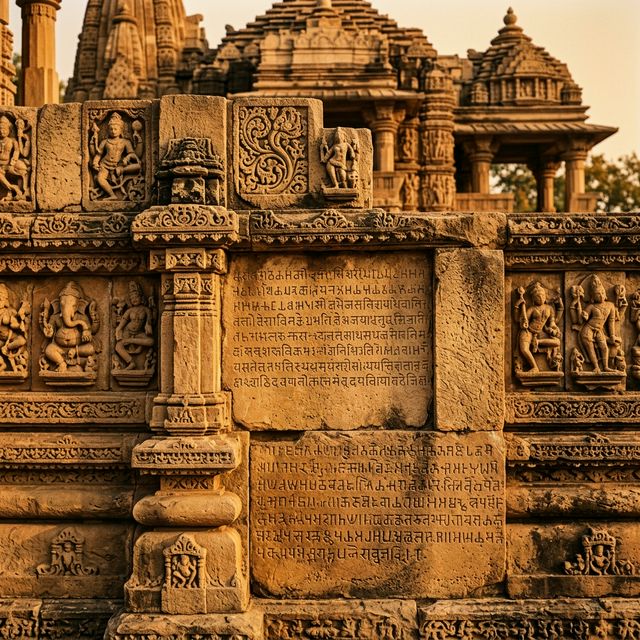
The Bamhani charter, discovered in the Rewa district, Madhya Pradesh, is an epigraphic record of mahārāja Bharatabala of the Pāṇḍava lineage of Mekalā. Engraved on three copper plates in the nail-headed Brāhmī, the text comprises both Sanskrit prose and verse. The charter, drafted by Śiva and engraved by the goldsmith Mihiraka, dates to the second regnal year of Bharatabala.
The text delineates the Pāṇḍava genealogy of Mekalā tracing the lineage from Jayabala to the Bharatabala, indirectly acknowledging his vassalage to Vākāṭaka king Narendrasena. The primary objective is to record the royal donation of the village Vardhamānaka, located within the Pañcagarta viṣaya, to the brāhmaṇa Lohitasarasvāmin of the Vatsa gotra and Mādhyandina śākhā. Issued on the thirteenth lunar day of the dark fortnight of Bhādrapada, the grant conveys standard fiscal privileges and administrative exemptions. The royal directive is communicated to local officers of villages (grāmakūṭas), cluster of villages (droṇāgraka); temple officers (devavārika) and gaṇḍakas.
First Plate
1. siddham | svastiḥ | āsīdyaḥ pāṇḍavānām suvimalayaśasāmanvaye bhūridhāmnām rā
2. jābhūnmekalāyām kṣitipatitilakaḥ saṃprasūtorukīrttiḥ | śrīmānśrīsam-
3. vidhātā jayabala iti yaḥ khyāpyate svairyyaśobhiḥ lokesmin sarvvadaiva
4. pravaraguṇagaṇālaṅkṛtaścārumūrttiḥ || tasyāhavāhṛtajayaḥ prathitodayā-
5. vānvatseśvarapratisamo guṇavānvidhijñaḥ | putrobhavadripugṛho-
6. vanāni yena vanyairmṛgaiḥ pracuratāmupapāditāni || mahānubhāvaḥ
7. sukṛtapraśamsīguṇāntarajñaḥ puruṣopabhogyaḥ | saddharmmaśīlaḥ sunayapra-
8. dhānaḥ śrīvatsarājonṛpatirbbabhūva || tasya putrastatpādānudhyātaḥ pa-
9. ramamāheśvaraḥ paramabrahmaṇyaḥ paramagurudevatādhidaivataviśeṣaḥ
10. śrīmān śrīmatyām devyām droṇabhaṭṭārikāyāmutpannaḥ śrīmahārājanā-
11. gabalaḥ | turagakhuranipātakṣuṇṇamārgā dharitrīmalinayati digantān
12. pām surūkṣākulāntān | madamalinakapolā vāraṇā yasya
Second Plate : First Side
13. yātaḥ praśamamupanayante śīkarārdrān kṣaṇena || tatastasya putrastatpādā-
14. nudhyātaḥ paramamāheśvaraḥ paramabrahmaṇyaḥ paramagurudevatādhidaivata-
15. viśeṣaḥ śrīmatyām devyāmindrabhaṭṭārikāyāma mutpannaḥ śrīmahārājabharataḥ
16. indro dayāśīlaguṇānvitāyā audāryyacāturyyasamanvitāyāḥ pu-
17. ttraḥ prasūtomalacārukāntiḥ śailendraputryā iva kārttikeyaḥ || indro dā-
18. raṇisabhamvetha hutabhuktejjvalaḥ snehavāmtsadvṛttasthitivipramantra-
19. vidhṛtaprāptapramāṇonnatiḥ || dṛṣṭaḥ sādhusukhodayāya hi nṛṇām dha-
20. rmmārthasampādakaḥ vedyāmadhvarasamsthite vasuhutaḥ pūjyaḥ satām sarvva-
21. dā || yenottuṅgaripudrumairaviralairbbhagnaiḥ samastā diśaśchannādigvara-
22. dantineva guruṇā vyākṛṣya visphūrjjitaiḥ | yasyaivam vidhaceṣṭi tasya nṛ-
23. pateḥ kṛtsne mahīmaṇḍale saurājyaśriyamādadhātu vipulā dharmmārthakāma-
24. pradāḥ || śrībharataḥ kṣitināthaḥ kṣitipatitilakaḥ surendrasamavīryyaḥ-
25. vinihataripugaṇalakṣmīm dadhāra yaḥ samśritām svabhuje || ekaiva
Second Plate : Second Side
26. sphaṭikavimalaśumram bibhratī śīlatoyam | yamaniyamataṭāntaprāntaśu-
27. ddhapravāham | praśamaguṇagaṇormiryājanam pāvayantī svayamiha sura-
28. lokādāgatā jāhnavīva || śrīmaccāndrāmśukīrterbharatabalanṛpasyottamārāja-
29. patnī | jātāyākosalāyāmamarajakulajā kīrtti muccairdadhānā || śaśvaddharmārthe-
30. kāmaprativihitatama yayāsā lokaprakāśā yātāpautraiḥ prapautrairnaya vinayara-
31. tai rājasimhaiḥ pratiṣṭhām || yosau sampūrṇaśaktitrayavinipatitānekasāmanta-
32. mūrddhaprodghṛṣṭotphullapapardati calanayugākrāntadikcakravālaḥ | saumyaḥ so-
33. yañca vamśaḥ prabhava iti jane kīrtyete yasya coccaiḥ sa śrīmānsārvabhaumapra
34. thita guṇagaṇodīrṇavairo narendraḥ || tataḥ mekalāyām uttararāṣṭre pāñca ga-
35. rttāviṣaye varddhamānake | grāmakūṭadroṇāgrakanāyakadevavārikagaṇḍaka-
36. pramukhānsarvāneva yathāprativāsinaḥ samājñāpayati viditamastu
37. madīyapādaiḥ grāmaḥ sādraṅgāsoparikaraḥ acāṭabhaṭapraveśyaḥ sani-
38. dhiḥ sopanidhiscoradaṇḍavarjam catuḥsīmāparyyanta ācandrārkakṣiti-
Third Plate
39. tārakānirodhena mātāpitrorātmanaśca puṇyābhivṛddhaye vatsasagotraśrīmā-
40. ddhyandinalohitasarasvāmine pratipāditaityavagamya yathocitabhāgabho-
41. genājñāśravaṇavidheyairbhavitavyamiti | svayamājñāpanā | ye cāsmadvamśe samutpa-
42. dyante rājāna stairapīyam dattiranumodanīyānupālanīyā ca | yaḥ ścaimātām dattim vilopamā-
43. pādayiṣyati sa pañcabhirmahāpātakaiḥ samyuktaḥ syāditi | bahubhirvasudhā bhuktā rāja-
44. bhissagarādibhiḥ | yasya yasya yadā bhūmistasya tasya tadā phalam || ṣaṣṭim varṣasa-
45. hasrāṇi svargge modati bhūmidaḥ | ācchettā cānumantā ca tānyeva narake vaset || sva-
46. dattām paradattām vāyatnādrakṣanarādhipa | mahīm mahimatām śreṣṭha dānācchreyonupālanam ||
47. samāptam cedam śāsanam || pravarddhamāna vijayarājyasamvatsare 2 bhādrapadakṛṣṇatra-
48. yodaśyām puṇyanakṣatreṇa | likhitañcedam śāsanam rāhasikeśānaputreṇa śiveno-
49. tkīrṇañca suvarṇṇakāreśvaraputreṇa mihirakeṇeti ||
Verse 1
There was, in the lineage of the Pāṇḍavas of extremely spotless glory and abundant lustre, a king of Mekalā who acquired wide fame and became foremost among the lords of the earth. He, by his own glorious deeds, has for all time become renowned in this world by the name of Jayabala, a disposer of fortune, who had a charming form and was adorned with a multitude of excellent qualities.
Verse 2
He had a son, who resembled the lord of Vatsa (i.e., Udayana); who attained victories in battles; who was famous, compassionate, endowed with virtues, and conversant with religious rites; and who made the gardens of the houses of his enemies crowded with wild beasts.
Verse 3
There was the king, the illustrious Vatsarāja, who was magnanimous; who extolled the good deeds of others; who could differentiate between merits, was obliging to his people, righteous, and devoted to good policy.
Line 8
His son was the illustrious mahārāja Nāgabala, born of the illustrious queen Droṇabhaṭṭārikā, who meditated on his feet; who was a devout worshipper of Maheśvara (Śiva) and a great patron of the Brāhmaṇas; who was regarded as the most revered teacher, a deity, and the supreme divinity, and who was possessed of royal fortune.
Verse 4
As he marched along, the earth, the paths of which were pounded by the hoofs of his horses, obscured the quarters, their farthest regions becoming dry and disturbed by dust; but his elephants, whose temples were soiled with rutting juice, immediately restored order to them, making them wet with the spray of their rut.
Line 13
Then there is his son, the illustrious mahārāja Bharata, born of the illustrious queen Indrabhaṭṭārikā, who meditates on his feet; who is a devout worshipper of Maheśvara and a great patron of the Brāhmaṇas; and who is regarded as the most revered teacher, a deity, and the supreme divinity.
Verse 5
From her, who was endowed with the qualities of compassion and good nature as well as generosity and wisdom, there was born the son known as Indra, possessed of a spotless and lovely lustre, even as Kārttikeya was born from Pārvatī, the daughter of the lord of mountains.
Verse 6
He is the god Indra in the destruction of his enemies and the god Fire, brilliant with lustre; he is amiable and steadfast in his adherence to good behavior. He has attained authority and eminence in consequence of the sacred mantras recited by the Brāhmaṇas; his appearance makes good persons happy and leads to the attainment, by the people, of religious merit and prosperity. He is always honoured by good persons with presents of wealth, even as a sacrificial fire kindled on the altar is with offerings of ghee, etc.
Verse 7
He is the powerful one who has covered all regions with the dead bodies of the multitude of mighty and roaring enemies whom he has forcibly overthrown, even as an excellent quarter-elephant does with the lofty, thickly growing, and resounding trees which it uproots. May the Earth, who yields the three objects of religious merit, wealth, and enjoyment, produce abundant prosperity due to good government throughout the entire dominion of this king who thus exerts himself!
Verse 8
The illustrious king Bharata, the foremost among the lords of the earth, resembles Indra, the lord of gods, in valour. It is he who has given shelter to the Fortune of the multitude of foes slain by him, when she resorted to his arm.
The matchless one—
Verse 9
who is, as it were, the Gaṅgā herself, descended here from the world of gods, sanctifying the people, she who has a character bright and spotless like crystal, which is purified by restraints and vows, even as the Gaṅgā has a pure stream of crystal-like white and clear water flowing within its banks; and who is endowed with a multitude of tranquility and other virtues, just as the Gaṅgā has its waves of water;
Verse 10
who, named Lokaprakāśā, has become the best royal consort of the king Bharatabala, whose fame is lovely like the moonbeams. Being born in a family of the gods, she has become highly renowned. By her constant pursuit of the three purushārthas of religious merit, prosperity, and happiness, she has dispelled the darkness of ignorance and has become extremely resplendent in the world; and she has attained an eminent status with her sons and grandsons, who, lion-like princes as they are, are devoted to justice and discipline.
Verse 11
The illustrious king, the sovereign, who is endowed with a multitude of excellences, who has destroyed his enemies, whose pair of feet, having the grace of full-blown lotuses and rubbed by the heads of several feudatory princes subdued by his perfect triad of powers, has overcome all regions, and whose birth is highly extolled by the people as being in the famous Lunar race,
Line 34
He issues the following order to all residents concerned, headed by the officials (viz., the Grāmakūṭa, the Chief of the Droṇāgraka, the Devavārika, and the Gaṇḍakas) in the village Vardhamānaka in the viṣaya of Pañcagartā, included in the Uttara rāṣṭra (Northern Division) of Mekalā,
Line 36
“Be it known to you that for the increase of the religious merit of Our father and mother and of Ourself, We have donated this village extending to its four boundaries—together with udraṅga and uparikara, together with treasures and deposits, and with the privilege that it is not to be entered by our soldiers and policemen except for punishing thieves, to the illustrious Lohitasarasvāmin of the Vatsa gotra and the Mādhyandina śākhā, to be enjoyed by him and his successors as long as the moon, the sun, the earth, and the stars will endure.
Knowing this, you should obey his orders and offer him the bhoga and bhāga according to custom.”
This command has been given by Me personally. And those kings also who will be born in our family should consent to and maintain these gifts. And whosoever will cause obstruction in the enjoyment of this grant will incur the guilt of the five great sins.
(Here occur three benedictive and imprecatory verses.)
Line 47
This charter is concluded. In the year 2 of the increasingly victorious reign, on the thirteenth lunar day of the dark fortnight of Bhādrapada, the nakṣatra being Puṣya.
This charter has been written by Śiva, son of the Rāhasika Īśana, and engraved by Mihiraka, son of the goldsmith Īśvara.
| Dynasty: | Pāṇḍavas of Mekalā |
| Ruler: | Bharatabala |
| Date: | c. 5th century CE (Bhādrapada, kṛṣṇa 13, Regnal year 2) |
| Donee: | Brāhmaṇa Lohitasarasvāmin |
| Language: | Sanskrit |
| Deities: | Mahēśvara i.e. Śiva |
| Nature of grant: | Land donation |
| Purpose: | To record the donation of village Vardhamānaka by the king for earning religious merit for the donor and his parents |
| Provenance of inscription: | Bamhani, Rewa, Madhya Pradesh |
| Type of Inscription: | Copperplate grant |
| Source: |
