Join Us
- Subscribe to our newsletter and stay updated.

Who we are
Mapping, documenting and conserving the epigraphic heritage of India — one inscription at a time.
India preserves one of the richest epigraphic traditions in the world — tens of thousands of inscriptions carved on stone, etched into copper plates, and painted on temple walls, spanning more than two millennia. These records are the primary sources of Indian history: they document kings and dynasties, land grants and trade guilds, temples and tanks, poets and pilgrims.
Yet most of this material lies scattered across out-of-print volumes, regional archives, and journals that few can access. Inscriptions of India brings these priceless records together into a single, searchable digital corpus — with critical introductions, translations, glossaries, and rich metadata — so that researchers, students, and heritage enthusiasts anywhere in the world can explore them freely.
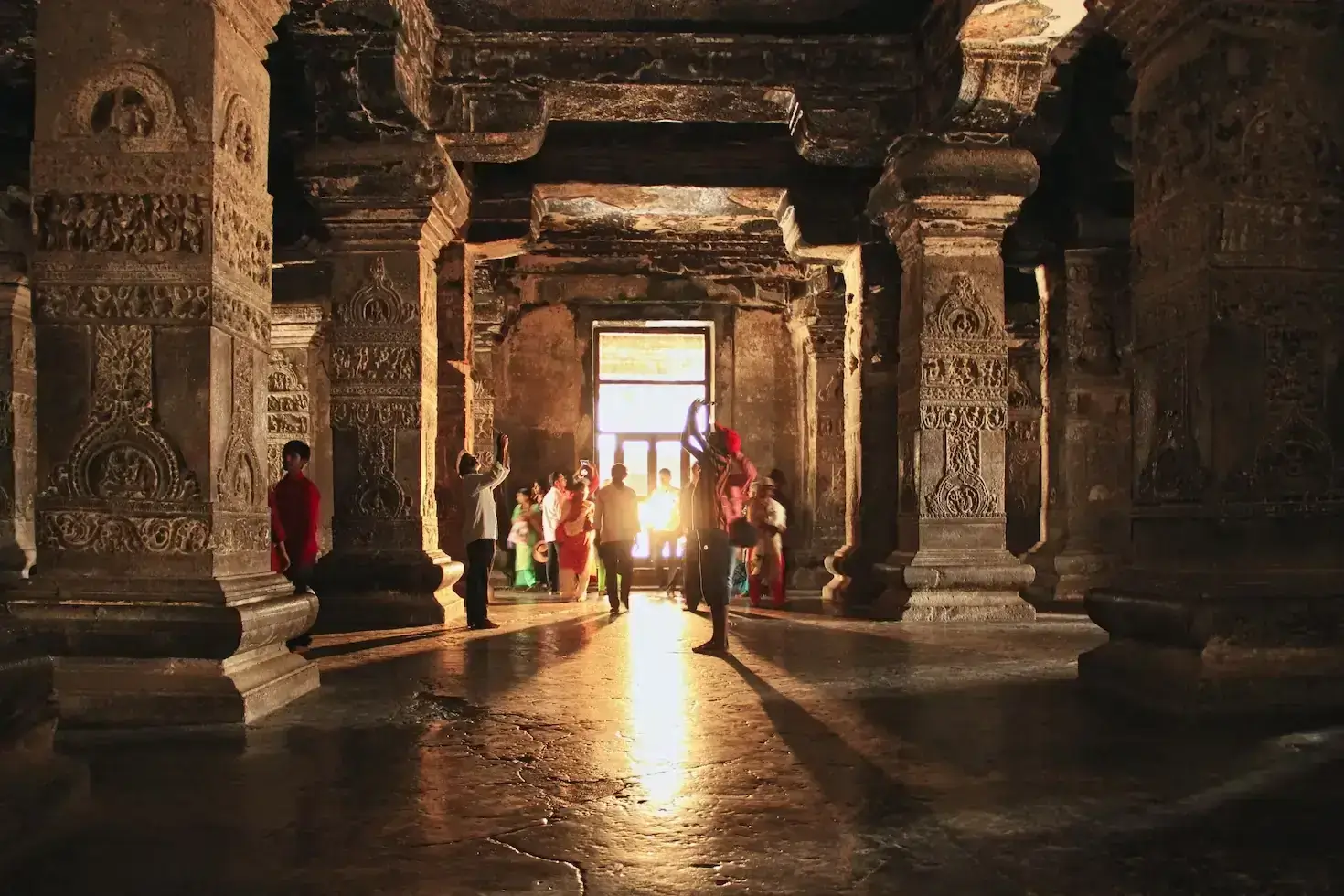
We collect inscriptions from published volumes, field surveys and archives, and transcribe them into a structured, searchable corpus with rich metadata.
Each record is paired with transliterations, translations and glossaries, so the texts are readable by scholars and newcomers alike.
By digitising these records and linking them to the temples, rulers and places they mention, we help conserve a heritage that stone alone cannot keep safe.
The scholars, researchers and volunteers behind the corpus.

Founder & Project Director
Placeholder bio — a short introduction about this team member, their background in epigraphy or history, and their role in the project.
Lead Epigraphist
Placeholder bio — a short introduction about this team member, their scholarly work on inscriptions, and the languages and scripts they specialise in.
Research Scholar
Placeholder bio — a short introduction about this team member, their research interests, and their contribution to the corpus.
Digital Archivist
Placeholder bio — a short introduction about this team member and their work on digitisation, metadata, and the platform itself.
This is a living project, and it grows through collaboration. Whether you are an epigraphist, a Sanskrit or regional-language scholar, a student, a photographer, or simply someone who cares about India's heritage — there is a place for you here.