
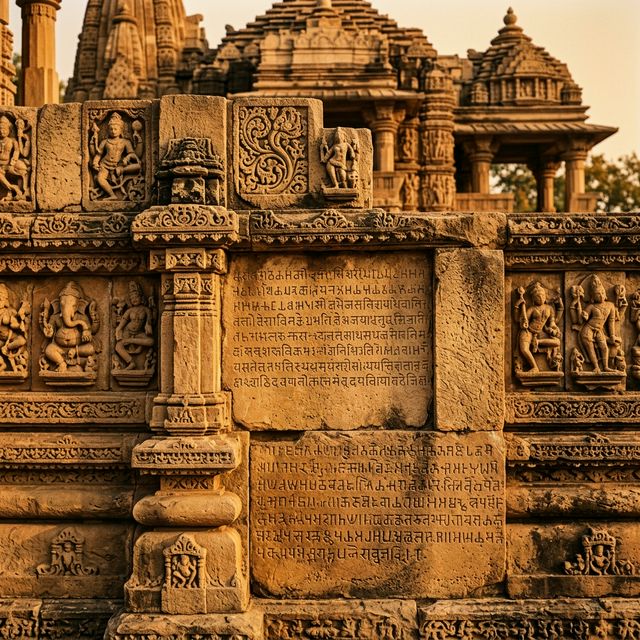
The Belorā copper plate charters, recovered from Wardha district, Maharashtra, consist of two incomplete sets, designated Set A and Set B, issued by the Vākāṭaka ruler Pravarasena II. Engraved in the box-headed Brāhmī script, both texts are composed in Sanskrit. Set A was issued from Nagardhan where as the place of issue for Set B remains unknown. Both grants are palimpsests, bearing the distinct traces of an earlier engraving.
The texts document land endowments by Pravarasena II to Suryasvamin of the Kāśyapa gotra and Taittirīya śākhā, residing in Pravareśvara-ṣaḍvimśati-vāṭaka. Set A registers the donation of the village Mahalla-Lāṭa, located within the Asi bhukti of the Śailapura subdivision (mārga). Set B reiterates this endowment under the name Mahallama-Lāṭa while simultaneously granting a second village, Dīrghadraha, situated in the Pākkaṇa rāṣṭra. Both gifts were issued to augment the king's spiritual merit and royal fortune. Set B dates the charter to the thirteenth lunar day of Kārttika in the eleventh regnal year, executed under senāpati Citravarman.
Set A
First Plate
1. dṛṣṭam | siddham svasti | nandivarddhanādagniṣṭomāptoryyāmokthya- ṣoḍaśyatirātravājapeyabṛhaspatisava-
2. sādyaskracaturaśvamedhayājinaḥ viṣṇuvṛddhasagotrasya samrājo vākāṭakānāmmahārājaśrīpravara-
3. senasya sūnoḥ sūnoḥ atyantasvāmimahābhairavabhaktasya amsabhārasanniveśitaśivaliṅgo-
4. dvahanaśivasuparituṣṭasamutpāditarājavamśānāmparāk- kramādhigatabhāgīratthyamalajala-
5. mūrddhābhiṣiktānāndaśāśvamedhāvabhṛthasnātāmām- bhāraśivānāmmahārājaśrībhavanāgadauhitrasya
6. gautamīputrasya putrasya | vākāṭakānāmmahārājaśrīrudrasenasya sūnoratyantamāheśvarasya
Second Plate : First side
7. satyārjjavakāruṇyaśauryyavikkramanayavinayamāhātmyaśrīmattva dhīmattvapātragatabhaktitva-
8. dharmmavijayitvamanonairmmalyādiguṇaiḥ samupetasya varṣaśatamabhivarddhamānakośada-
9. ṇḍasādhanasantānaputrapautṛtriṇaḥ yudhiṣṭhiravṛtteḥ vākāṭakānāmmahārājaśrīpṛthivīṣe-
10. ṇasya sūnorbhagavataścakkrapāṇe prasādopārjjita śrīsamudayasya | mahārājaśrīrudrasena-
11. sya sūnormmahārājaśrīdevaguptasutāyāmprabhāvatiguptāyāmutpannasya śambhopra
12. sādadhṛtakārttayugasya vākāṭakānāmparamāheśvaramahārājaśrīpravarasenasya-
Second Plate : Second side
13. vacanāt | śailapuramārge asibhuktimahallamalāṭagrāmśca eva grāmadvayam pravareśvaraṣadviśativāṭa-
14. kavastavyā taittirīya | kāśyapasagotrasūryyasvāmine dattam | yatosmatsantakāḥ sarvvāddhya-
15. kṣaniyoga niyuktāḥ ājñāsañcāri kulaputrādhikṛtā bhaṭāśchātrāśca viśrutapūrvvayā
16. jñapayitavyāḥ | viditamastu vaḥ yathehāsmābhirātmano dharmmāyurbbala vijayaiśvaryya
17. vivṛddhaye | ihāmutrahitārtthamātmānugrahāya || vaijayike dharmasthāne apūrvvadattyā
18. udakapūrvvamatisṛṣṭaḥ ||
Set B
Second Plate : First side
7. satyārjjavakāruṇyaśauryyavikramanayavinayamāhātmya dhīmattva pātragatabhaktitvadharmma-
8. vijayitvamanonairmalyādiguṇaḥ samupetasya varṣaśatamabhivarddhamānakośadaṇḍasā-
9. dhanasantānaputrapautriṇaḥ yudhiṣṭhiravṛttervvākāṭakānāmmahārājaśrīpṛthivīṣenasya
10. sūnorbha gavataḥścakrapāṇe prasādopārjjitaśrīsamudasya mahārājaśrīrudra-
11. senasya sūnormmahārājādhirājaśrīdevaguptasutāyām prabhāvatiguptāyāmutpannasya-
12. śambho prasādadhṛtakārttayugasya | vākāṭakānāmparamāheśvaramahārājaśrīpravarase-
Second Plate : Second side
13. nasya vacanāt | pākkaṇarāṣṭre dīrgghadrahaṃnāma grāmaḥ | śailapuramārgge asibhukti-
14. mahallamalāṭagrāmaśca evam grāmadvayam | pravareśvaraṣaḍvimṣativāṭakavāstavya-
15. taittiriya kāśyapasagotrasūryyasvāmina dattam | yatosmatsantakāḥ sarvvāddhyakṣa niyoga-
16. niyuktāḥ ājñāsañcārikulaputrādhikṛtāḥ bhaṭāśchātrāśca viśrutapūrvvayājñayājñā-
17. payitavyā viditamastu vaḥ | yathehāsmābhirātmano dharmmāyurbbalavijayaiśvaryyavivṛddhaye | iha
18. mutrahitārtthamātmānugrahāya vaijayike dharmmasthāne apūrvvadattyā udakapūrvvamatisṛṣṭam |
Third Plate : First side
19. ucitāṃ cāsya pūrvvarājānumatām cāturvaidyagrāmamaryyādām vitarāmastadyathā akaradāyi
20. abhaṭacchātraprāveśyam apāramparagobalīvarddam apuṣpakṣīra sandoham acārāsanaca-
21. rmmāṅgāram alavaṇakiṇvakreṇikhanakam sarvaviṣṭiparihāraparihṛtam sanidhi sopa-
22. nidhi saklṛptopaklṛptam acandrāditya kālīyam putrapautrānugāmikam bhuñjato
23. na kenacidvyāghāta karttavyaḥ sarvvakriyābhissamrakṣitavya parivaddhayitavyaśca | yaścāsmacchā-
24. sanamagaṇayamānaḥ svalpāmapi paribādhāṃ kuryyātkārayedvā asya brāhmaṇairvveditasya
Third Plate : Second side
25. sadaṇḍanigrahaṃ kuryyām || asmimśca dharmmādarakaraṇe atītānekarājadattasamñcintana paripā-
26. lanaṃ kṛtapuṇyānukīrttanaparihārārttham na kīrttayāmaḥ | vyāsagītau cātra ślokau pramāṇī-
27. karttavyau | svadattāmparadattāṃ vā haredyo vai vasundharām | gavām śatasahasrasya | hanturha-
28. rati duṣkṛtam || ṣaṣṭhim varṣasahasrāṇi svargge modati bhūmidaḥ | ācchettā cā-
29. numantā ca tānyeva narake vaset || samvatsare ekādaśe 10 1 kārttikaśuklapakṣa-
30. trayodaśyāṃ 10 3 senāpatau citravarmmaṇi nā likhitam |
SET A
Lines 1-12
Seen. Success! Hail! From Nandivardhana:
By the order of the illustrious Pravarasena II, the mahārāja of the Vākāṭakas, who is a fervent devotee of Maheśvara; who, by the grace of Śambhu, has established the Kṛta-yuga (Golden Age) on the earth; who was born of Prabhāvatīguptā, the daughter of the mahārājādhirāja, the illustrious Devagupta; and who is the son of the mahārāja, the illustrious Rudrasena II, who acquired an abundance of prosperity by the grace of the divine lord Cakrapāṇi (Viṣṇu), and who was the son of the illustrious Pṛthivīseṇa I, the mahārāja of the Vākāṭakas, who was intensely devoted to the god Maheśvara, who was endowed with truthfulness, straightforwardness, compassion, heroism, valour, political wisdom, modesty, high-mindedness, intelligence, devotion to worthy persons, and with the state of being a righteous conqueror, purity of mind, and such other qualities, who had sons and grandsons and a continuous supply of treasure and army which had been accumulating for a hundred years, who conducted himself like Yudhiṣṭhira, and who was the son of the illustrious Rudrasena I, the mahārāja of the Vākāṭakas and the son of Gautamīputra, who was intensely devoted to the god Svāmi-Mahābhairava, who was the daughter’s son of the illustrious Bhavanāga, the mahārāja of the Bhāraśivas, whose royal family was created by Śiva, who was greatly pleased by their carrying the liṅga of Śiva like a load placed on their shoulders, and who were besprinkled on their heads with the pure water of the river Bhāgīrathī that had been obtained by their valour, who was the son of the illustrious Pravarasena I, the mahārāja of the Vākāṭakas, the Samrāṭa (Universal Monarch), who performed the Agniṣṭoma, Āptoryāma, Ukthya, Ṣoḍaśin, Atirātra, Vājapeya, Bṛhaspatisava, Sādyaskra, and four Aśvamedhas, and who was of the Viṣṇuvṛddha gotra.
Line 13
The village Mahalla-lāṭa in the Asi bhukti in the mārga of Śailapura has been donated by us to Sūryasvāmin of the Kaśyapa gotra and Taittirīya śākhā, who resides in the village Pravareśvara-shaḍviṃśati-vāṭaka.
Wherefore, our officials of noble birth, who are employed by the order of the sarvādhyakṣa (general superintendent) and who exercise their authority by our command, and our soldiers and policemen, should be directed by the following command which is already well-known to them:
“Be it known to you that in order to increase our religious merit, life, power, victory, and prosperity, to secure our well-being in this world and the next, and to obtain blessings for ourself, we have given this village as a gift not previously made, with the pouring out of water, in our victorious place of religious worship." (The rest of the grant is not forthcoming.)
SET B
Lines 12-23
By the order of the illustrious Pravarasena II, the mahārāja of the Vākāṭakas, who is a fervent devotee of Maheśvara; who, by the grace of Śambhu, has established the Kṛta yuga (Golden Age) on the earth; who was born of Prabhāvatīguptā, the daughter of the mahārājādhirāja, the illustrious Devagupta; and who is the son of the mahārāja, the illustrious Rudrasena II, who acquired an abundance of prosperity by the grace of the divine lord Cakrapāṇi (Viṣṇu), and who was the son of the illustrious Pṛthivīseṇa I, the mahārāja of the Vākāṭakas, who was intensely devoted to the god Maheśvara, who was endowed with truthfulness, straightforwardness, compassion, heroism, valour, political wisdom, modesty, high-mindedness, intelligence, devotion to worthy persons, and with the state of being a righteous conqueror, purity of mind, and such other qualities, who had sons and grandsons and a continuous supply of treasure and army which had been accumulating for a hundred years, who conducted himself like Yudhiṣṭhira, and who was the son of the illustrious Rudrasena I, the mahārāja of the Vākāṭakas and the son of Gautamīputra, who was intensely devoted to the god Svāmi-Mahābhairava, who was the daughter’s son of the illustrious Bhavanāga, the mahārāja of the Bhāraśivas, whose royal family was created by Śiva, who was greatly pleased by their carrying the liṅga of Śiva like a load placed on their shoulders, and who were besprinkled on their heads with the pure water of the river Bhāgīrathī that had been obtained by their valour, who was the son of the illustrious Pravarasena I, the mahārāja of the Vākāṭakas, the Samrāṭa (universal monarch), who performed the Agniṣṭoma, Āptoryāma, Ukthya, Ṣoḍaśin, Atirātra, Vājapeya, Bṛhaspatisava, Sādyaskra, and four Aśvamedhas, and who was of the Viṣṇuvṛddha gotra.
The two villages, the village named Dīrghadraha in the Pākkaṇa rāṣṭra and the village Mahallama-lāṭa in the Asi bhukti in the mārga of Śailapura have been donated by us to Sūryasvāmin of the Kaśyapa gotra and the Taittirīya śākhā, who resides in the Pravareśvara-shaḍviṃśati-vāṭaka.
Wherefore, our officials of noble birth, who are employed by the order of the sarvādhyakṣa (general superintendent) and who exercise their authority by our command, and our soldiers and policemen, should be directed by the following command which is already well-known to them:
“Be it known to you that in order to increase our religious merit, life, power, victory, and prosperity, to secure our well-being in this world and the next, and to obtain blessings for ourself, we have given here in our victorious place of religious worship, with the pouring out of water, this village as a gift not previously made.
And we grant the following exemptions which are incidental to a village bestowed on a Brāhmaṇa proficient in the four Vedas and are appropriate, as approved by former kings: It is not to pay taxes; it is not to be entered by soldiers and policemen; it does not entitle the State to its customary right on cows and bulls; it also does not entitle it to royalties on flowers and milking; it is exempt from the obligation to provide grass, hides as seats, and charcoal to touring royal officers; it is exempt from royalties on the purchase of fermenting liquors and the digging of salt; it is free from all kinds of forced labour; it is donated together with the right to hidden treasures and deposits and together with major and minor taxes; it is to be enjoyed as long as the sun and the moon will endure, and it is to follow the succession of sons and son’s sons. None should cause an obstruction while the donee or his successor is enjoying it. This grant should be preserved and increased by all means. And whoever, disregarding our order, will himself cause or make others cause even the slightest obstruction, upon him, when complained against by the Brāhmaṇas, we will inflict punishment together with a fine.”
Line 26
And the following two verses sung by Vyāsa should be regarded as an authority on this point.
(Here follow two benedictive and imprecatory verses.)
Line 29
This charter was written by Maṇi, Citravarman being the senāpati, on the thirteenth (10 and 3) lunar day in the bright fortnight of Kārttika in the eleventh (10 and 1) regnal year.
| Dynasty: | Vākāṭaka |
| Ruler: | Pravarasena II |
| Date: | c. 420 to 455 CE (Kārttika, śukla 13, Regnal year 11) |
| Donee: | Brāhmaṇa Sūryasvāmin of Kāśyapa gōtra and Taittirīya śākhā |
| Language: | Sanskrit |
| Deities: | Mahēśvara i.e. Śiva |
| Nature of grant: | Land donation |
| Purpose: | To record the grant of two villages to a learned Brāhmaṇa |
| Provenance of inscription: | Belora, Wardha, Maharashtra |
| Type of Inscription: | Copperplate grant |
| Source: |
