
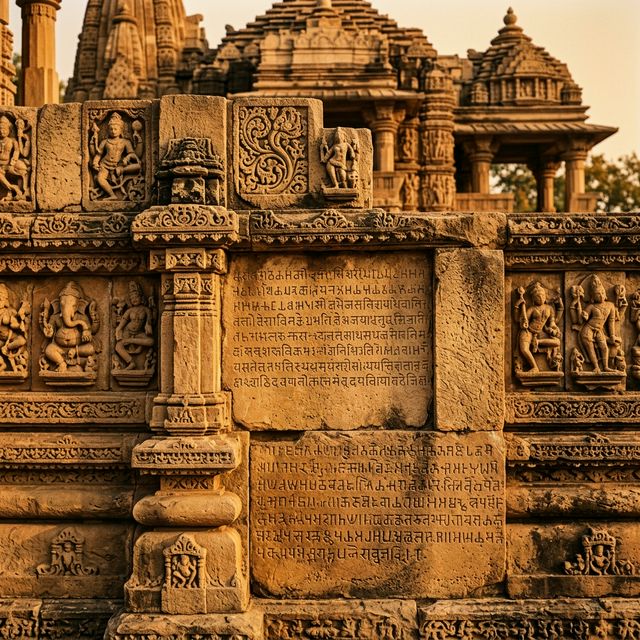
The Tirodi copper-plate charter, discovered at a manganese mine in the Balaghat district, Madhya Pradesh, comprises four well-preserved plates. Engraved in the box-headed Brāhmī script, the document dates to the twenty-third regnal year of the Vākāṭaka ruler Pravarasena II. This charter was issued from Narattaṅgavāri. The rājyādhikṛita Camidāsa executed the text and is composed Sanskrit.
The charter documents the grant of Kosambakhaṇḍa village land, located within the western division of the Beṇṇākaṭa district by Pravarasena II. The royal command was directed at administrative and military officials operating in that region. The endowment was made to Varuṇārya, a brāhmaṇa resident of Candpur who mastered the three Vedas, followed the Atharvaveda, and belonged to the Harkari gotra. Executed to augment the king's spiritual merit, longevity, and royal prosperity, the gift was formalised with the ceremonial pouring of water. The king communicated the order personally on the twelfth lunar day of the dark fortnight of Māgha, concluding with a customary imprecatory verse attributed to Vyāsa.
First Plate
1. dṛṣṭam | narataṅgavāristhānāt agniṣṭomāptoryyāmokthyaṣoḍaśyatirātravājapeyabṛhaspatisa-
2. vasādyaskracaturaśvamedhayājinaḥ viṣṇuvṛddhasagotrasya samrājo vākāṭakānāmmahārājaśrī-
3. pravarasenasya sūnoḥ sūnoratyanta svāmimahābhairavabhaktasya | asambhārasanniveśi-
4. taśivaliṅgodvahanaśivasuparituṣṭasamutpāditarājavamśānām parākramādhigatabhāgī-
5. ratthya malajalamūrddhābhiṣiktānāmmahārājaśrībhavanāgadauhitrasya gautamī-
6. putrasya putrasya vākāṭakānāmmahārājaśrīrudrasenasya sūnoḥ
Second Plate : First Side
7. atyantamāheśvarasya satyārjjavakāruṇya śauryyavikramanayavinayamāhātmyadhī mattva
8. gatabhaktitvadharmmavijayitvamanonairmmalyādiguṇaiḥ samuditasya varṣaśatamabhivarddhamā-
9. nakośadaṇḍasādhanasantānaputrapautriṇaḥ yudhiṣṭhiravṛttervvākāṭakānāmmahā-
10. rājaśrīpṛthiviṣenasya sūnoḥ bhagavataścakrapāṇe prāsādopārjjitaśrīsamudasya
11. vākāṭakānāmmahārājaśrīdurasenasya sūnoḥ mahārājadhirājaśrīdevagupta-
12. sutāyāmprabhāvatiguptāyāmutpannasya | vākāṭakānāmahā-
Second Plate : Second Side
13. rājaśrīpravarasenasya vacanāt | bennākaṭasya aparapaṭṭe || asmatsantakāssarvvāddhyakṣaniyoga-
14. niyuktā ājñāsamcārikulaputrādhikṛtāḥ bhaṭāścchātrāśca viśrutapūrvvayājñāyājñāpayitavyāḥ |
15. viditamastu vaḥ yathehāsmābhirātmano dharmmāyurbbalaiśvaryyavivṛddhaye ihāmutrahi-
16. nārttham mātupuṇyopacayārttham jamalyā aparapārśve varddhamānakasya uttarapārśve
17. mṛgasimasya pūrvvapārśve mallakapedhakasya dakṣiṇapārśve kośambakhaṇḍam nāma grāmaḥ
18. cāndrapuravastavyātharvāṇa harkari sagotravaruṇāryyāya trivedāya dattaḥ
Third Plate : First Side
19. apūrvvadattyā udakapūrvvamatisṛṣṭaḥ | ucitāmścāsya pūrvarājānumatāṃścāturvvedyagrāmama
20. ryyādāparihārānvitarāmastadyathā stadyathā akaradāyī abhaṭacchātraprāveśyaḥ apāramparago
21. balibarddaḥ apuṣpakṣīrasandohaḥ acārāsanacarmmāṅgāraḥ alavaṇaklinna kre-
22. ṇikhanakaḥ sarvvaviṣṭiparihāraparihṛtaḥ sanidhiḥ sopanidhiḥ saklṛpto-
23. paklṛpta ācandrādityakālīyaḥ putrapautrānugāmī bhuñjato na kenacidvyāghātaḥ
Third Plate : Second Side
24. karttavyaḥ sarvvakriyābhissamrakṣitavya parivarddhayitavyaśca || yaścāsmacchāsanamagaṇaya-
25. mānassvalpāmapi paribādhām kuryātkārayedvā tasya brāhmaṇairvveditasya sadaṇḍam nigra-
26. ham kuryyāma || asmimśca dharmādhikaraṇe atītānekarājadattasamcīntanapari-
27. pālanam kṛtapuṇyānukīrttanaparihārārtthanna kīrttayāmaḥ samkalpābhiyogaparā-
28. kramopajitānvarttamānānājñāpayāmaḥ eṣyatkāla prabhaviṣṇugauravā-
Fourth Plate
29. dbhaviṣyānvijñāpayāmaḥ | vyāsagītaścātraśloka pramāṇīkarttavyaḥ | svadattāmpara-
30. dattām vā yo hareta vasundharām | gavām śatasahasrasya | hanturharati duṣkritam |
31. samvatsare trayovīmśe | māghabahulapakṣe dvādaśyām ājñā
32. svayamsvayam | rājyādhikṛtena camidāsena likhitamiti |
SEAL
1. vākāṭakalalāmasya
2. kramaprāptaptanṛpaśriyaḥ |
3. rājñaḥ pravarasenasya |
4. śāsanam ripuśāsanam ||
Line 1–12
Seen. From the place Narattaṅgavāri:
By the order of the illustrious Pravarasena II, the mahārāja of the Vākāṭakas, who was born of Prabhāvatīguptā, the daughter of the mahārājādhirāja, the illustrious Devagupta; who is the son of the mahārāja, the illustrious Rudrasena II, who acquired an abundance of prosperity by the grace of the divine lord Cakrapāṇi (Viṣṇu); who was the son of the illustrious Pṛthivīṣeṇa I, the mahārāja of the Vākāṭakas, who was intensely devoted to the god Maheśvara, endowed with truthfulness, straightforwardness, compassion, heroism, valour, political wisdom, modesty, high-mindedness, intelligence, devotion to worthy persons, the state of being a righteous conqueror, purity of mind, and other such qualities, who had sons and grandsons and a continuous supply of treasure and an army accumulating for a hundred years, and who conducted himself like Yudhiṣṭhira; who was the son of the illustrious Rudrasena I, the mahārāja of the Vākāṭakas and the son of Gautamīputra, an intense devotee of the god Svāmi-Mahābhairava and the daughter’s son of the illustrious Bhavanāga, the mahārāja of the Bhāraśivas, whose royal family was created by Śiva, who was greatly pleased by their carrying the Śiva liṅga like a load placed upon their shoulders, and who were besprinkled on their heads with the pure water of the river Bhāgīrathī obtained by their valour; and who was the grandson of the illustrious Pravarasena I, the mahārāja of the Vākāṭakas, the Samrāṭa (Universal Monarch), who performed the Agniṣṭoma, Āptoryāma, Ukthya, Ṣoḍaśin, Atirātra, Vājapeya, Bṛhaspatisava, Sādyaskra, and four Aśvamedha sacrifices, and who belonged to the Viṣṇuvṛddha gotra.
Line 13–18
In the western division (aparapaṭṭa) of Bennākaṭa, our officials of noble birth, who are employed by the order of the sarvādhyakṣa (general superintendent) and exercise their authority by our command, as well as our soldiers and policemen, should be directed by the following command, which is already well-known to them:
“Be it known to you that, in order to increase our religious merit, life, power, and prosperity; to secure our well-being in this world and the next; and for the accumulation of the religious merit of our mother, the village named Kośambakhaṇḍa, which lies to the west of Jamalī, to the north of Vardhamānaka, to the east of Mṛgasima, and to the south of Mallakapedhaka, is bestowed here upon Varuṇārya of the Harkari gotra, a student of the Atharvaveda who has mastered the three Vedas and is a resident of Candrapura.
Line 19–25
It is given as a gift not previously made, confirmed with the pouring out of water. And we grant the following exemptions, which are customary for a village bestowed upon a brāhmaṇa proficient in the four Vedas and are appropriate as approved by former kings: It is not to pay taxes; it is not to be entered by regular soldiers and policemen; it does not carry with it the State's customary right to cows and bulls, nor does it carry the royalties on flowers and milk; it is exempt from the obligation to provide pasturage, hides for seats, and charcoal to touring royal officers; it is exempt from royalties on the purchase of fermenting liquors and the digging of salt; it is free from all kinds of forced labour; it is donated together with the right to hidden treasures and deposits, as well as major and minor taxes; it is to be enjoyed for as long as the sun and the moon endure; and it is to follow the succession of sons and grandsons. No one should cause an obstruction while the donee or his successors are enjoying it. This grant should be preserved and increased by all means. And whosoever, disregarding our order, causes or makes others cause even the slightest obstruction, upon him, when complained against by the brāhmaṇas, we will inflict punishment together with a fine.”
Line 26–30
And in this matter of religion, in order to avoid boasting of meritorious deeds already done, we do not recount our care and protection of the grants of many past kings. We issue this command to the present rulers who have been vanquished by our resolve, attack, and valour, and we make this request to future lords out of reverence for them.
And the following verse, sung by Vyāsa, should be regarded as authoritative on this point:
(Here occurs an imprecatory verse)
Line 31–32
In the twenty-third year, on the twelfth lunar day of the dark fortnight of the month of Māgha. The order was communicated by the king himself. It has been written by the rājyādhikṛta Camidāsa.
SEAL
This is the enemy-chastising command of King Pravarasena II, the ornament of the Vākāṭakas, who has attained royal fortune by inheritance.
| Dynasty: | Vākāṭaka |
| Ruler: | Pravarasena II |
| Date: | c. 420 to 455 CE (Māgha, kṛṣṇa 12, Regnal year 23) |
| Place: | Nagpur Central Museum |
| Donee: | Brāhmaṇa Varuṇārya of Hāritī gōtra, Atharvavēda śākhā |
| Language: | Sanskrit |
| Nature of grant: | Land donation |
| Purpose: | To record the grant of Kośambakhaṇḍa village to a learned Brāhmaṇā of Harkari gotra |
| Provenance of inscription: | Tirodi, Balaghaṭ, Madhya Pradesh |
| Type of Inscription: | Copperplate grant |
| Source: |
