
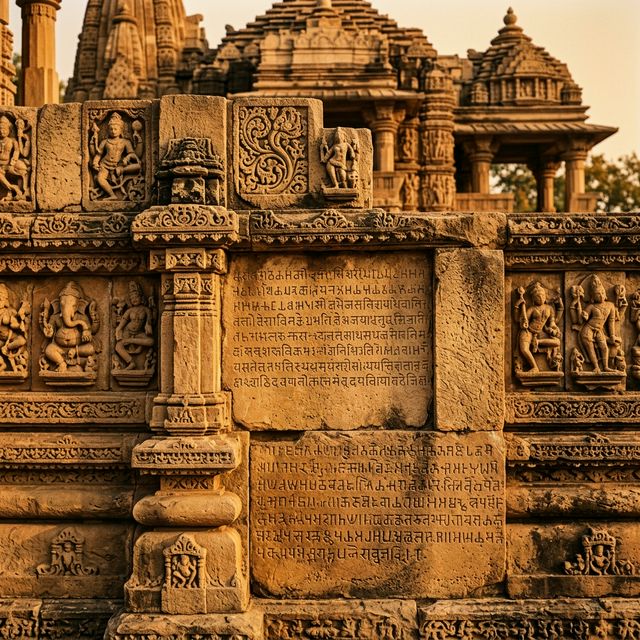
The Siwani copper plates, discovered in the Chhindwara district, Madhya Pradesh, represent a five-plate charter issued by the Vākāṭaka ruler Pravarasena II. The text is engraved in the box-headed Brāhmī script and is composed in Sanskrit. The charter was executed by a scribe named Ācārya, with Bāppadeva acting as senāpati. The seal carries a four-line legend proclaiming the enemy-chastising command of king Pravarasena II.
The primary objective of the edict is to document the donation of the village Brahmapūraka, located in the Beṇṇākārpara bhoga through the ritual pouring of water. The grant was bestowed upon the adhvaryu āchārya Devaśarman of the Maudgalya gotra and Taittirīya śākhā, on the twelfth lunar day of Phālguna in the eighteenth regnal year. The charter includes specific taxation rights, notably the privilege to levy a tax equal to one-fiftieth of the sale-price of goods. The grant was issued from the royal capital.
First Plate
1. dṛṣṭam || siddham | agniṣṭomāptoryyāmoktthyaṣoḍaśyatirātravājapeyabṛhaspatisava-
2. sādyaskracaturaśvamedhayājinaḥ viṣṇuvṛddhasagotrasya samrājo vākāṭakānā-
3. mmahārājaśrīpravarasenasya sūnoḥ sūnoḥ atyantasvāmimahā-
4. bhairavabhaktasya aṃsabhārasannive śitaśivaliṅgodvahanaśivasuparituṣṭa-
5. samutpāditarājavaṃśānām parākramādhigatabhāgīratthyamalajalamūrddhābhi-
Second Plate : First side
6. ṣiktānām daśāśvamedhāvabhṛthasnātānāmbhāraśivānāmmahārāja-śrībhavanā-
7. gadauhitrasya gautamī putrasya putrasya | vākāṭakānāmmahārājaśrī-
8. rudrasenasya sūnoḥ atyantamāheśvarasya | satyārjjavakāruṇyaśau-
9. ryyavikramanayavinayamāhātmyadhīmattva pātrāgatabhaktitvadharmmavijayi-
10. tvamanonairmmalyādiguṇasamuditasya | varṣaśatamabhivarddhamānakośa-
11. daṇḍasādhanasantānaputrapautriṇaḥ yudhiṣṭhiravṛttervvākāṭakānāmmahārāja-
Second Plate : Second side
12. śrīpṛthivīṣeṇasya sūnoḥ bhagavataścakrapāṇeḥ prasādopārjjita-
13. śrīsamudayasya | vākāṭakānāmmahārājaśrīrudrasenasya sūnoḥ
14. pūrvvarājānuvṛttamārggānusāriṇaḥ sunayabalaparākkramo-
15. cchinnasarvadviṣaḥ mahārājādhirājaśrīdevaguptasutāyāmprabhāvatī-
16. guptāyāmutpannasya śambhoḥ prasādadhṛta kārttayugasya vākāṭaka-
Third Plate : First side
17. vaṃśālaṅkārabhūtasya | mahārājaśrīpravarasenasya vacanāt beṇṇā-
18. kārpparabhoge pravarddhamānarājyasaṃvatsare | aṣṭādaśaśe | phālgu-
19. naśukladvādaśyām maudgalyasagotrāya | taittirīyāyāddhvaryya-
20. ve devaśarmmācāryyāyodakapūrvvam sakoraṭaḥ sapañcāśatkaḥ
21. brahmapūrakannāma grāmotisṛṣṭaḥ | vaṭapūrakasyottareṇa | kiṇihikhe-
22. ṭakasyāpareṇa | pravarajjavāṭakasya dakṣiṇena | kollapūrakasya
Third Plate : Second side
23. pūrvveṇa | svasīmāparicchedena karatrjavirakataṭe | atrāsmatsantakāḥ
24. sarvvādhyakṣaniyoganiyuktāḥ ājñāsañcārikulaputrādhikṛtā bhaṭā
25. ścātrāśca viśrutapūrvvayā ājñayā ājñāpayitavyāḥ | vidita-
26. mastu vaḥ yathaiṣosmābhiḥ ātmano dharmmāyurbbalavijayaiśvaryyavivṛddhaye
27. ihāmutrahitārtthamātmānugrahāya | vaijayike dharmmasthāne atisṛṣṭaḥ-
Fourth Plate : First side
28. cchātraprāveśyaḥ apāramparagobalivarddaḥ apuṣpakṣīrasandohaḥ acā-
29. rāsanacarmmāṅgāraḥ alavaṇaklinna kreṇikhanakaḥ sarvvaviṣṭiparihāra-
30. parihṛtaḥ sanidhiḥ sopanidhiḥ saklṛptopaklṛptaḥ ācandrāditya-
31. kālīyaḥ putrapautrānugāmī | bhujyamāno na kenacidvyāghātayi-
32. tavyaḥ sarvvakriyābhiḥ samrakṣitavyaḥ parivarddhayitavyaśca | yaścāsma-
33. cchāsanamagaṇayamānaḥ svalpāmapi paribādhāṅkuryyātkārayedvā
Fourth Plate : Second side
34. tasya brāhmaṇairāveditasya | sadaṇḍanigrahaṃ kuryyāma kārayema veti |
35. senāpatau bāppadeve likhitamācāryyeṇa || asmimśca dharmmādarakara-
36. ṇe atītānekarājadattāsaṃcintanaparipālanaṃ kṛtapu-
37. ṇyānukīrttanaparihārārttha na kīrttayāmaḥ | eṣyatkālaprabhaviṣṇūnāṃ gauravādbhavipyānvi-
38. jñāpayāmaḥ || vyāsagītau cātra ślokau pramāṇīkarttavyau ||
Fifth Plate
39. ṣaṣṭivarṣasahasrāṇi svargge modati bhūmidaḥ | ācchettā cānumantā
40. ca tānyeva narake vaset || svadattāṃ vā paradattāvvā yo hare-
41. ta vasundharām | gavāṃ śatasahasrasya hanturharati duṣkṛtam || iti ||
SEAL
1 vākāṭakalalāmasya
2 kramaprāptanṛpaśriyaḥ |
3 rājñapravarasenasya
4 śāsanam ripuśāsanam ||
Line 1–16
Seen. By the order of the mahārāja, the illustrious Pravarasena II; an ornament of the Vākāṭaka family; who, by the grace of Śambhu, has established the Kṛta yuga on the earth; who was born of Prabhāvatīguptā, the daughter of the mahārājādhirāja, the illustrious Devagupta; who has exterminated all his enemies by his excellent policy, strength, and valour; who follows the path adopted by former kings; and who is the son of Rudrasena II, the mahārāja of the Vākāṭakas, who acquired an abundance of prosperity by the grace of the divine lord Cakrapāṇi (Viṣṇu); who was the son of the illustrious Pṛthivīṣeṇa I, the mahārāja of the Vākāṭakas, who was intensely devoted to the god Maheśvara, endowed with truthfulness, straightforwardness, compassion, heroism, valour, political wisdom, modesty, high-mindedness, intelligence, devotion to worthy persons, the state of being a righteous conqueror, purity of mind, and other such qualities, who had sons and grandsons and a continuous supply of treasure and an army accumulating for a hundred years, and who conducted himself like Yudhiṣṭhira; who was the son of the illustrious Rudrasena I, the mahārāja of the Vākāṭakas and the son of Gautamīputra, an intense devotee of the god Svāmi-Mahābhairava and the daughter’s son of the illustrious Bhavanāga, the mahārāja of the Bhāraśivas—whose royal family was created by Śiva, who was greatly pleased by their carrying the Śiva-liṅga like a load placed upon their shoulders, and who were besprinkled on their heads with the pure water of the river Bhāgīrathī obtained by their valour; and who was the son of the illustrious Pravarasena I, the mahārāja of the Vākāṭakas, the Samrāṭa (Universal Monarch), who performed the Agniṣṭoma, Āptoryāma, Ukthya, Ṣoḍaśin, Atirātra, Vājapeya, Bṛhaspatisava, Sādyaskra, and four Aśvamedha sacrifices, and who belonged to the Viṣṇuvṛddha gotra.
Line 17–34
The village named Brahmapūraka, together with koraṭa and the right to levy a tax equal to one-fiftieth of the sale price, situated in the bhoga of Beṇṇākārpara, has been given, with the pouring out of water, to the Adhvaryu ācārya Devaśarman of the Maudgalya gotra and the Taittirīya śākhā, on the twelfth lunar day in the bright fortnight of the eighteenth regnal year.
This village lies, according to the specification of its boundaries, adjoining the village Karañjaviraka, to the north of Vaṭapuraka, to the west of Kiṇihikheṭaka, to the south of Pavarajjavāṭaka, and to the east of Kollapuraka.
Wherefore, our officials of noble birth; who are employed by the order of the sarvādhyakṣa (general superintendent) and exercise their authority by our command; as well as our soldiers and policemen, should be directed by the following command, which is already well-known to them:
“Be it known to you that, in order to increase our religious merit, life, power, victory, and prosperity; to secure our well-being in this world and the next; and to obtain blessings for ourself, we have given this village here in our victorious place of religious worship as a gift not previously made, confirmed with the pouring out of water.
And we grant the following exemptions, which are customary for a village bestowed upon a Brāhmaṇa proficient in the four Vedas and are appropriate as approved by former kings: It is not to pay taxes; it is not to be entered by soldiers and policemen; it does not carry with it the State's customary right to cows and bulls, nor does it carry the royalties on flowers and milk; it is exempt from the obligation to provide grass, hides for seats, and charcoal to touring royal officers; it is exempt from royalties on the purchase of fermenting liquors and the digging of salt; it is free from all kinds of forced labour; it is donated together with the right to hidden treasures and deposits, as well as major and minor taxes; it is to be enjoyed for as long as the sun and the moon endure; and it is to follow the succession of sons and grandsons. No one should cause an obstruction while the donee or his successor is enjoying it. This grant should be preserved and increased by all means. And whosoever, disregarding our order, causes or makes others cause even the slightest obstruction, upon him, when complained against by the Brāhmaṇas, we will inflict punishment together with a fine.”
Line 35–37
This charter has been written by the ācārya, while Bāppadeva is the senāpati. And in this matter of religion, in order to avoid mentioning meritorious deeds already done, we do not refer to our care and protection of the grants of many past kings, and we make this request to future rulers out of reverence for them.
Line 38
The following verses sung by Vyāsa should be regarded as authoritative on this point:
(Here occur two benedictive and imprecatory verses.)
SEAL
This is the enemy-chastising command of King Pravarasena II, the ornament of the Vākāṭakas, who has attained royal fortune by inheritance.
| Dynasty: | Vākāṭaka |
| Ruler: | Pravarasena II |
| Date: | c. 420 to 455 CE (Phālguna, śukla 12, Regnal year 18) |
| Donee: | Brāhmaṇa Devaśarmācārya of Mudgalya gōtra and Taittirīya śākhā |
| Language: | Sanskrit |
| Nature of grant: | Land donation |
| Purpose: | To legitimise the donation of Brahmapūraka village to secure spiritual merit |
| Provenance of inscription: | Pindarai village, Chhindwada, Madhya Pradesh |
| Type of Inscription: | Copperplate grant |
| Source: |
Bibliography & Research
- Fleet, J. F. (1888). No 56. Siwani Copper Plate Inscription of Maharaja Pravarasena II. In Corpus Inscriptionum Indicarum (pp. 243-249). Archaeological Survey of India.
- Mirashi, V. V. (Ed.). (1963). Corpus Inscriptionum Indicarum: The Inscriptions of the Vākāṭakas (Vol. V). Archaeological Survey of India.
- Prinsep, J. (1836). V. Facsimiles of various Ancient Inscriptions, lithographed. Journal of Asiatic Society of Bengal, V, 724-731.
