
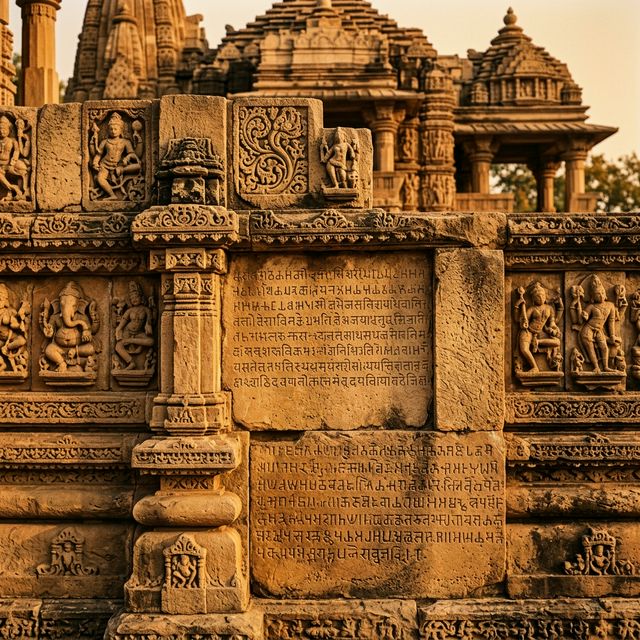
The Riddhapur copper-plate charter, recovered from Amaravati district, Maharashtra, was issued by the Vākāṭaka dowager queen Prabhāvatīguptā. Engraved on four copper plates in the box-headed Brāhmī script, the text is composed in Sanskrit. The grant was formalised on the twelfth lunar day of Kārttika during the nineteenth regnal year of her son, Pravarasena II.
The charter begins with the tracing the paternal lineage of Prabhāvatīguptā, from Ghaṭotkacha to Chandraguptā II. It documents the donation of a field, complete with a farmhouse and four cultivators' huts, located in Aśvatthanagara within the Kośika subdivision. The recipients were a group of brāhmaṇas belonging to the Pārāśara gotra and Taittirīya śākhā. The record was issued from Ramtek, Nagpur district, Maharashtra (ancient Rāmagiri) and executed by the scribe Prabhusimha with Devanandasvāmin acting as the dūtaka.
 Editor's Comment:
First Plate
1. jitam bhagavatā || rāmagirisvāmina pādamūlādguptānamādi-
2. rājo mahārājaśrīghaṭotkacastasya putro mahārājaśrīcandra-
3. guptaḥ tasya putrastatpādaparigṛhīto licchavidauhitro
4. mahādevyām kumāradevyāmutpanno mahārājaśrīsamudraguptastasya putra-
5. statpādānuddhyāto nyāyāgatānekagohiraṇyakoṭisahasrapradassarvvarājo-
Second Plate : First Side
6. cchettā pṛthivyāmapratirathaparamabhāgavato mahādevyām dattadevyāmu-
7. tpanno mahārājādhirājaśrīcandraguptastasya duhitā dhāraṇasagotrā
8. nāgakulotpannāyām kuberanāgādevyāmutpannā ubhayakulāla-
9. ṅkārabhūtā vākāṭakānām mahārājaśrīrudrasenasyāgramahiṣī
10. vākāṭakānāmmahārājaśrīdāmodarasenapravarasenajananī bhagava-
11. tpādānuddhyātā sāgravarṣaśatajīvaputrapautrā śrīmahādevīprabhāvatī-
Second Plate : Second Side
12. guptā || kośikamārgge aśvatthanagare sabrāhmaṇapurogagrāmamahattarāmśca
13. kuśalamuktvā samājñāpayati | aihikāmutrikamasminnagare svapuṇyāpyāyanārttham
14. parāśarasagotrāṇām taittirīyabrāhmaṇānām saputrāputrāṇā abhya-
15. ntaraniveśanena saha karṣakaniveśanāni ca catvāri
16. bhuktakābhogakṣetramudakapūrvva śāsanenona sanibaddham | ucitām cāsya
17. pūrvvarājānumatāñcāturvidyagrāmamaryādām vitarāma stadyathā
Third Plate : First Side
18. akaradāyi abhaṭacchatraprāveśyaṃ apuṣpakṣīrasandoham acārā-
19. sanacarmmāṅgāram alavaṇaklinnakreṇikhanakaṃ sarvvaviṣṭiparihāra-
20. parihṛtam sanidhānaṃ sopanidhānam saklṛptopaklṛptamācandrā-
21. dityakālīyam putrapautrānugāmi bhuñjatām na kenacidvayāghāta-
22. karttavyaḥ sarvvakriyābhissaṃrakṣitavya parivarddhayitavyaśca | yaścāsma-
23. cchāsanamagaṇayamānaḥ svalpāmapi paribādhām kuryyātkārayeta vā tasya
Third Plate : Second Side
24. brāhmaṇairāveditasya sadaṇḍanigraham kariṣyāmaḥ | asmimśca dharmmādara-
25. karaṇe atītānekarājadattasañcintanaparipālanam puṇyānukīrttana-
26. parihārārttham na kīrttayāmaḥ | saṅkalpābhiyogaparākkramopaji-
27. jitānvarttamānānājñāpayāmaḥ | vyāsagītaścātra śloka pramāṇam |
28. svadattām paradattām vā yo hareta vasundharām | gavām śatasahasrasya
29. hantu pibati duṣkṛtam || iti || vākāṭakānām mahārājaśrīpravara-
Fourth Plate
30. senasya rājyam praśāsataḥ samvatsare ekonavimśatitame kārttika-
31. māsaśuklapakṣadvādaśyām dūtako devanandasvāmī | likhitam
32. prabhusimhena ||
Line 1–6
Victory has been attained by the Bhagavat! From the footprints of the Lord of Rāmagiri:
There was the mahārāja, the illustrious Ghaṭotkaca, the first king of the Guptas. His son was the mahārāja, the illustrious Candragupta I. His son, graciously favoured by him, was the mahārāja, the illustrious Samudragupta, who was born of the mahādevī Kumāradevī and was the daughter’s son of the Licchavi chief. His son, who meditated on his feet, was the mahārājādhirāja, the illustrious Candragupta II, born of the mahādevī Dattadevī; who was a fervent devotee of the Bhagavata (Viṣṇu); who was a matchless warrior on the earth; who exterminated all kings; and who donated many thousands of crores of cows and gold coins which he had obtained by lawful means.
Line 7–25
His daughter, the illustrious mahādevī Prabhāvatīguptā of the Dhāraṇa gotra, born of the queen Kuberanāgā, who was herself born into a Nāga family; an ornament of both the Gupta and Vākāṭaka families; the chief queen of the illustrious Rudrasena II, the mahārāja of the Vākāṭakas; the mother of the illustrious Dāmodarasena alias Pravarasena II, the mahārāja of the Vākāṭakas; who meditates on the feet of the Bhagavat (Viṣṇu); and who has sons and grandsons who will live for a full hundred years, having announced her good health, commands the elders (mahattaras) of the village led by the brāhmaṇas residing in Aśvatthanagara in the subdivision (mārga) of Kośika, as follows:
“We have in this town donated the field enjoyed so far by Bhuktaka, together with a farm-house situated in it and four huts of cultivators, to the Brāhmaṇas... of the Parāśara gotra and the Taittirīya śākhā, whether they have or do not have sons, by pouring out water and issuing a charter for the increase of our religious merit and our welfare in this world and the next.
Wherefore, our officials of noble birth, who are employed by the order of the sarvādhyakṣa (general superintendent) and exercise their authority by our command, as well as our soldiers and policemen, should be directed by the following command, which is already well-known to them:
“Be it known to you that, in order to increase our religious merit, life, power, victory, and prosperity; to secure our well-being in this world and the next; and to obtain blessings for ourself, we have given this village here in our victorious place of religious worship as a gift not previously made, confirmed with the pouring out of water.
And we grant the following exemptions, which are customary for a village bestowed upon a brāhmaṇa proficient in the four Vedas and are appropriate as approved by former kings: It is not to pay taxes; it is not to be entered by soldiers and policemen; it does not carry with it the State's customary right to cows and bulls, nor does it carry the royalties on flowers and milk; it is exempt from the obligation to provide grass, hides for seats, and charcoal to touring royal officers; it is exempt from royalties on the purchase of fermenting liquors and the digging of salt; it is free from all kinds of forced labour; it is donated together with the right to hidden treasures and deposits, as well as major and minor taxes; it is to be enjoyed for as long as the sun and the moon endure; and it is to follow the succession of sons and grandsons. No one should cause an obstruction while the donee or his successors are enjoying it. This grant should be preserved and increased by all means. And whosoever, disregarding our order, causes or makes others cause even the slightest obstruction, upon him, when complained against by the Brāhmaṇas, we will inflict punishment together with a fine.”
We, in order to avoid mentioning the meritorious deeds already done, do not refer to our care and protection of the grants of many past kings.
Line 26–28
We issue this order to the present rulers who are vanquished by our resolve, attack, or valour.
And the following verse, sung by Vyāsa, should be regarded as authoritative on this point:
(Here occurs an imprecatory verse.)
Line 29
In the nineteenth year, while the illustrious Pravarasena II, the mahārāja of the Vākāṭakas, is governing his kingdom, on the twelfth lunar day in the bright fortnight of the month of Kārttika, this charter has been written. The dūtaka is Devanandasvāmin. This charter has been written by Prabhusimha.
| Dynasty: | Vākāṭaka |
| Ruler: | Prabhāvatīguptā |
| Date: | c. 420 to 455 CE (Kārttika śukla 12, Regnal year 19) |
| Place: | Bharat Itihas Sanshodhak Mandal (BORI), Pune |
| Donee: | Brāhmaṇas of Parāśara gotra |
| Language: | Sanskrit |
| Nature of grant: | Land donation |
| Purpose: | To record the grants made by the Queen-mother after successful completion of her Ekādaśī fast |
| Provenance of inscription: | Riddhapur, Amravati, Maharshtra |
| Type of Inscription: | Copperplate grant |
| Source: |
