
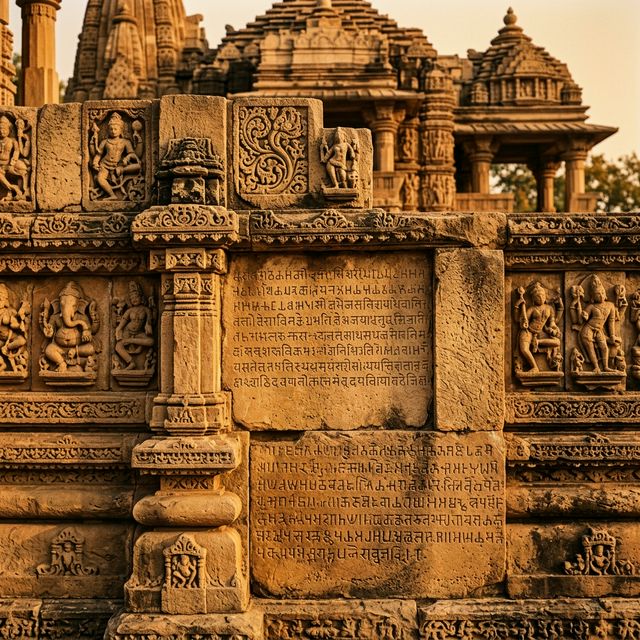
The Pattan copper plates, representing a five-plate charter issued by the Vākāṭaka ruler Pravarasena II from his capital at Pravarapura, were discovered by a farmer in the Betul district, Madhya Pradesh. The text is engraved in the box-headed Brāhmī script and, while the plates lack rims and exhibit surface rust damage, the inscription remains legible. The document, composed in Sanskrit with concluding imprecatory verses.
Issued on the seventh lunar day of the dark fortnight of Kārttika in the twenty-seventh regnal year, the charter records Pravarasena II's donation of four hundred nivartanas of land in Aśvatthakheṭaka, situated within the Varadakheṭa sub-division of the Lohanagara bhoga. The endowment, initiated at the behest of Narayanaraja, was specifically designated to maintain a charitable feeding house (sattra) dedicated to the footprints of Viṣṇu. The edict provides detailed administrative personnel data, explicitly naming the scribe as Kālidāsa, the engraver as the goldsmith Īśvaradatta, and identifying Pitāmaha and Nanda as the executors of the charter.
First Plate
1. dṛṣṭam | svasti || pravarapurāt agniṣṭomāptoryyāmokthyaṣo-
2. ḍaśyatirātravājapeyabṛhaspatisavasādyaskracaturaśva-
3. medhayājinaḥ viṣṇuvṛddhasagotrasya samrājaḥ vākāṭakā-
4. nāmmahārājaśrīpravarasenasya sūnoḥ sūnoratyanta svāmima-
5. hābhairavabhakttasya amsabhārasanniveśitaśivaliṅgodvahanaśi-
6. vasuparituṣṭasamutpāditarājavaṅśānāparākkramā-dhigatabhā-
Second Plate : First Side
7. gīratthya malajalamūrdhā bhiṣiktānāndaśāśvamedhāvabhṛthasnātā-
8. nāmbhāraśivānāmmahārājaśrībhavanāga dauhitrasya gautamīpu-
9. traputrasya vākāṭakānāmmahārājaśrīrudrasenasya sūnora-
10. tyanta māheśvarasya satyārjjavakāruṇya śauryyavikkramana-
11. yavinayamāhātmyadhīmattva pātragatabhaktitvapātragatabha-
12. ktitva dharmmavijayitvamanonairmmalyādiguṇaiḥ samupetasya
Second Plate : Second Side
13. varṣaśatamabhivarddhamānakośadaṇḍasādhanasantāna-putrapau-
14. triṇaḥ yudhiṣṭhiravṛttervvākāṭakānāmmahārājaśrīpṛthivīṣe-
15. ṇasya sūnorbhagavataścakkrapāṇe prasādopārjjitaśrīsamu-
16. dayasya vākāṭakānāmmahārājaśrīrudrasenasya sūno-
17. rmmahārājādhirājaśrīdevaguptasutāyām prabhāvatiguptā-
18. yāmutpannasya śambho prasādadhṛta kārttayugasya vākāṭakānā
Third Plate : First Side
19. mparamamāheśvaramahārājaśrīpravarasenasya vacanāt ||
20. lohanagarabhoge varadākheṭamārgge aśvasttha kheṭake
21. sabrāmhaṇapurogo grāmo vaktavyaḥ | atra grāme rā-
22. jakīyamānena bhūmernnivartanaśatāni catvāri mahāpuruṣapā-
23. damūlasatroprayojyāni nārāyaṇarājavijñāptyā dattāni |
Third Plate : Second Side
24. yatosmatsantakāssarvvāddhyakṣaniyoganiyuktāḥ ājñāsañcā-
25. rikulaputrādhikṛtā bhaṭāśchātrāśca viśrutapūrvvayājñayā-
26. jñāpayitavyāḥ | viditamastu vo yathaiṣāsmābhirātma-
27. no dharmmāyurbbalavijayaiśvaryyavivṛddhaye ihāmutrahitā-
28. rtthamātmānugrahāya vaijayike dharmmasthāne apūrvvadattyā udaka-
29. pūrvvampratisṛṣṭaḥ | athāsyocitāmpūrvvarājānumatām cātu-
Fourth Plate : First Side
30. rvvaidyāgrahāramaryyādām vitarāmaḥ | tadyathā akaradāyī abhaṭa-
31. cchātraprāveśyaḥ apāramparagobalivarddaḥ apuṣpakṣīrasandohaḥ a-
32. cārāsanacarmmāṅgāraḥ alavaṇakkreṇikhanakaḥ sarvvaviṣṭiparīhā-
33. raparihṛtaḥ sanidhiḥ sopanidhissaklṛptopaklṛptaḥ ācandrādityakā-
34. līyaḥ putrapautrānugāmī bhujyamānona kenacidvyāghātayitavyaḥ
35. sarvvakriyābhissamrakṣitavya parivarddhayitavyaśca | yascāsmacchāsanama-
Fourth Plate : Second Side
36. gaṇayamānaḥ svalpāmapi paribādhām kuryyātkārayedvā tasya brāhma-
37. ṇairvvaiditasya sadaṇḍanigraham kuryyāma | asmimśca dharmmādaraka-
38. raṇe atītānekarājadatta sañcintanaparipālanam kṛtapuṇyā
39. nukīrttanaparihārārtthamnna kīrttayāmaḥ | vyāsagītau cātra ślokau
40. pramāṇīkarttavyau | svadattāmparadattām vāyo hareta vasundharām |
41. gavām śatasahasrasya hanturharati duṣkṛtam ||
Fifth Plate
42. ṣaṣṭivarṣasahasrāṇi svargge modati bhūmidaḥ | ācchettā
43. cānumantā ca tānyeva narake vasediti || sāmvatsare saptavimśe
44. kārttikabahulapakṣasaptamyām senāpatikātyāyana-
45. santakena likhitam kālidāsena | kauṇḍarājasantakena suvarṇṇa-
46. kāreṇa īśvaradattena khātam || asya śāsanasya kārā-
47. vakau pitāmahanandau ||
SEAL
1. vākāṭakalalā masya
2. kkramaprāptanṛpaśriyaḥ |
3. rājña pravarasenasya
4. śāsanam ripuśāsanam ||
Line 1–19
Seen. Hail! From Pravarapura:
By the order of the illustrious Pravarasena II, the mahārāja of the Vākāṭakas, a fervent devotee of Maheśvara; who, by the grace of Śambhu, has established the Kṛta yuga (Golden Age) on the earth; who was born of Prabhāvatīguptā, the daughter of the mahārājādhirāja, the illustrious Devagupta; who is the son of the mahārāja, the illustrious Rudrasena II, who acquired an abundance of prosperity by the grace of the divine lord Cakrapāṇi (Viṣṇu); who was the son of the illustrious Pṛthivīṣeṇa I, the mahārāja of the Vākāṭakas, who was intensely devoted to the god Maheśvara, endowed with truthfulness, straightforwardness, compassion, heroism, valour, political wisdom, modesty, high-mindedness, intelligence, devotion to worthy persons, the state of being a righteous conqueror, purity of mind, and other such qualities, who had sons and grandsons and a continuous supply of treasure and an army accumulating for a hundred years, and who conducted himself like Yudhiṣṭhira; who was the son of the illustrious Rudrasena I, the mahārāja of the Vākāṭakas and the son of Gautamīputra, an intense devotee of the god Svāmi-Mahābhairava and the daughter’s son of the illustrious Bhavanāga, the mahārāja of the Bhāraśivas, whose royal family was created by Śiva, who was greatly pleased by their carrying the Śiva-liṅga like a load placed upon their shoulders, who were besprinkled on their heads with the pure water of the river Bhāgīrathī obtained by their valour, and who performed the ritual ablutions upon the completion of ten Aśvamedha sacrifices; and who was the grandson of the illustrious Pravarasena I, the mahārāja of the Vākāṭakas, the Samrāṭa (universal monarch), who performed the Agniṣṭoma, Āptoryāma, Ukthya, Ṣoḍaśin, Atirātra, Vājapeya, Bṛhaspatisava, Sādyaskra, and four Aśvamedha sacrifices, and who belonged to the Viṣṇuvṛddha gotra.
Line 20–23
The village led by the brāhmaṇas in Aśvatthakheṭaka, situated in the mārga of Varadākheṭa within the bhoga of Lohanagara, should be addressed as follows:
“In this village, we have donated, at the request of Nārāyaṇarāja, four hundred nivartanas of land by the royal measure, to be utilised for the charitable feeding house (sattra) at the feet of Mahāpuruṣa (Viṣṇu).”
Line 24–39
Wherefore, our officials of noble birth, who are employed by the order of the sarvādhyakṣa (general superintendent) and exercise their authority by our command, as well as our soldiers and policemen, should be directed by the following command, which is already well-known to them:
“Be it known to you that, in order to increase our religious merit, life, power, victory, and prosperity; to secure our well-being in this world and the next; and to obtain blessings for ourself, it is given here in our victorious place of religious worship as a gift not previously made, confirmed with the pouring out of water.
And we grant to it the following customary exemptions approved by former kings for an agrahāra belonging to the Cāturvaidyas (Brāhmaṇas proficient in the four Vedas): It is not to pay taxes; it is not to be entered by regular soldiers and policemen; it does not carry with it the State's customary right to cows and bulls, nor does it carry the royalties on flowers and milk; it is exempt from the obligation to provide pasturage, hides for seats, and charcoal to touring royal officers; it is exempt from royalties on the purchase of fermenting liquors and the digging of salt; it is free from all kinds of forced labour; it is donated together with the right to hidden treasures and deposits, as well as major and minor taxes; it is to be enjoyed for as long as the sun and the moon endure; and it is to follow the succession of sons and grandsons. No one should cause an obstruction while it is being enjoyed. It should be preserved and increased by all means. And whosoever, disregarding our order, causes or makes others cause even the slightest obstruction, upon him, when complained against by the brāhmaṇas, we will inflict punishment together with a fine.”
Line 39–43
And in this act of showing regard for religion, in order to avoid boasting of meritorious deeds, we do not recount our care and protection of the grants made by many past kings.
And the following two verses, sung by Vyāsa, should be regarded as authoritative on this point:
(Here occur two benedictive and imprecatory verses: "Whosoever confiscates land given by himself or by another incurs the guilt of the slayer of a hundred thousand cows. The giver of land rejoices in heaven for sixty thousand years; he who confiscates it or assents to its confiscation dwells in hell for the same period.")
Line 43–47
In the twenty-seventh regnal year, on the seventh lunar day of the dark fortnight of Kārttika. This charter has been written by Kālidāsa, a servant of the senāpati Kātyāyana. It has been engraved by the goldsmith Īśvaradatta, a servant of Kauṇḍarāja. The executors (kārāvakau) of this charter are Pitāmaha and Nanda.
SEAL
This is the enemy-chastising command of King Pravarasena II, the ornament of the Vākāṭakas, who has attained royal fortune by inheritance.
| Dynasty: | Vākāṭaka |
| Ruler: | Pravarasena II |
| Date: | c. 420 to 455 CE (Kārttika, kṛṣṇa 7, Regnal year 27) |
| Place: | Nagpur Central Museum |
| Donee: | Charitable feeding house (attached to) the feet of Mahāpuruṣa i.e. Viṣṇu |
| Language: | Sanskrit |
| Deities: | Mahāpuruṣa i.e. Viṣṇu |
| Nature of grant: | Land donation |
| Purpose: | To record the grant of 400 nivartanas of land by the king to establish a charitable feeding house |
| Provenance of inscription: | Prabhat Pattan, Betul, Madhya Pradesh |
| Type of Inscription: | Copperplate grant |
| Source: |
