
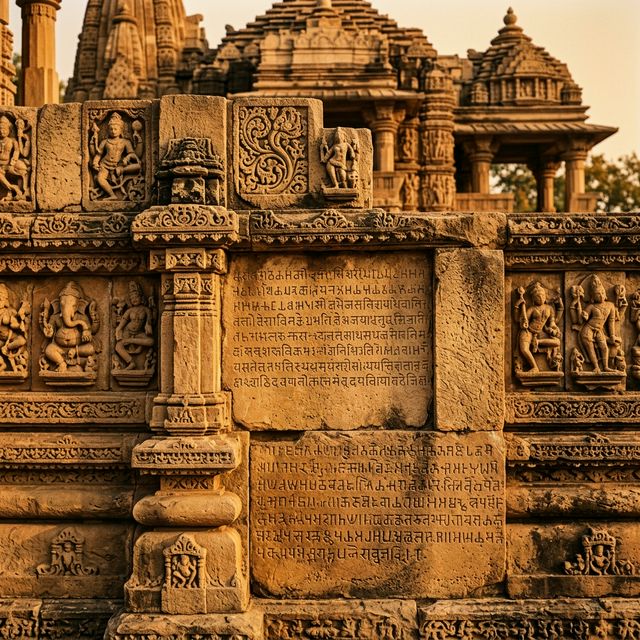
The Pandhurna copper-plate charter, discovered in 1942 at Tigaon in the Chhindwara district, Madhya Pradesh, belongs to the Vākāṭaka king Pravarasena II. The record consists of five plates engraved in box-headed Brāhmī characters and composed in Sanskrit. Dated to the tenth tithi of the dark fortnight of Vaiśākha in his twenty-ninth regnal year. The third plate is considered a later substitution due to careless engraving, language containing Prakrit elements, and an anomalous seasonal dating system.
Issued from the Pravareśvara temple, the main charter documents Pravarasena II granting two thousand nivartanas of land in Dhuvavāṭaka, located within Vāruccha rājya. This land was bestowed upon brāhmaṇas of the Vājasaneya śākhā and Kauṇḍinya gotra, specifically naming Yajñārya, Bhojārya, Somārya, and Dharmārya. The donation functioned as an exchange for Vijayapallī vāṭaka, a village previously granted by Pṛthivīrāja. The spurious third plate registers two supplementary gifts made to the brāhmaṇa Somārya of Kallāra during a śraddha ceremony. These appended grants comprise twenty-five land nivartanas and one residential nivartana each, situated in Lekhapallikā and Saṅgamikā within Ārammi rājya. The charter notes its execution by ācārya under senāpati Mādhappa.
First Plate
1. dṛṣṭam | pravareśvaradevakulasthānāt | agniṣṭomāptoryyāmokthya-
2. ṣoḍaśyatirātravājapeyabṛhaspatisavasādyaskra ca-
3. turaśvamedha yājinaḥ viṣṇuvṛddhasagotrasya samrājo vākā-
4. ṭakānāmmahārājaśrīpravarasenasya sūnoḥ sūnoḥ atya-
5. ntasvāmimahābhairavabhaktasya | asabhārasanniveśitaśivaliṅgo-
6. dvahanaśivasuparituṣṭasamutpāditarājavaṃśānmām parākramā-
7. dhigatabhāgīratthyamalajalamūrddhābhiṣiktānām daśāśvamedhāva-
Second Plate : First Side
8. vabhṛthasnātānām mahārājaśrībhavanāgadauhitrasya gauta-
9. mīputrasya putrasya vākāṭakānāmmahārājaśrīrudrasenasya sūnoḥ
10. atyantamāheśvarasya satyārjjava kāruṇyaśauryyavikrama-
11. nayavinayamāhātmyadhimattvapātragatabhakttitva dharmmavija-
12. yitvamanonairmmalyādiguṇasamuditasya varṣaśata-
13. mabhivarddhamānakośadaṇḍasādhanasantānaputrapautriṇaḥ
14. yudhiṣṭhiravṛtteḥ vākāṭakānām mahārājapṛthivīṣe-
Second Plate : Second Side
15. ṇasya sūnoḥ bhagavataścakrapāṇeḥ prasādopārjjitaśrī-
16. samudayasya vākāṭakānām mahārājaśrīrudrasenasya sūnoḥ sūnoḥ
17. rājādhirāja śrīdevaguptasutāyām prabhāvatiguptāyāmutpanna-
18. nnasya śambhoḥ prasādadhṛtakārttayugasya vākāṭakānām mahā-
19. rājaśrī pravarasenasya vacanāt pṛthivīrājapradattasya
20. vijayapallīvāṭakasya prativastu vāruccarājyedhuvavāṭake
21. brāhmaṇavāṭakagrāmasyāparapārśve garttāyām ajakarṇṇagrāmapathasya
22. uttareṇa badarīgrāmapūrvveṇa darbhapathasyāpareṇa eṣāmmadhye bhūmeḥ
Third Plate : First Side
23. sahasre dve rājamānena brāhmaṇebhyo datte | tatra pratigrāhakā-
24. stadyathā vājikauṇḍinyasagotrayajñāryyabhojāryyavājikauṇḍinyasagotra-
25. somāryyavājidharmmāryya etatpramukhāṇām brāmhaṇānām datam |
26. ārammirājyalekhapallikāyām rājamānena bhūmeḥ pāmvñcaviṃstiḥ niveśana-
27. nivartanena saha cehāmuṣmike dharmmasthāne tilavācanake saṃvatsare 20 9
28. varṣāpakṣe 5 divase 7 padannarāti 20 kāllāravāstavya vājikauṇḍinyasomāryyasya dattā |
Third Plate : Second Side
29. ārammirajye samgamikāyām rājakyamānena bhumi pānuvisā niveśananivartane-
30. na sa cehāmuṣmike dharmasthāne tilavācanake ca samvatsare 20 9 varṣāpakṣe 7 divase 9
31. samvatsare jāta vaṣā 7 divasa 5 nijuttinarāti 20 kāllāravāstavya vājikauṇḍinya-
32. sagotrasomāryyasya datta | yatosmatsantakāḥ sarvvāddhyakṣaniyoganiyuktāḥ
33. ājñāsamcārikulaputrādhikṛtā bhaṭāśchātrāśca viśrutapūrvājñāyājñāpayita
34. vyāḥ viditamastuvaḥ yathehāsmāmiḥ dharmmāyurbbalavijaya vivṛddhaye ihāmutra-
Fourth Plate : First Side
35. hitārtthamātmānugrahāya vaijayike dharmmasthāne apūrvvadattyā
36. udakapūrvvamatisṛṣṭā | athocitāśca pūrvvarājānuma-
37. tāḥ cāturvidyagrāmamaryyādāḥ parihārārttha kīrttayāmaḥ |
38. akaradāyī abhaṭacchātraprāveśyaḥ apāram parago-
39. balivarddaḥ apuṣpakṣīrasandohaḥ acārāsanacarmmāṅgā-
40. raḥ alavaṇaklinnakreṇi khanakaḥ sarvaviṣṭiparihāraparihṛ-
41. taḥ sanidhiḥ sopanidhiḥ saklṛptopaklṛptaḥ ācandrāditya-
Fourth Plate : Second Side
42. kālīyaḥ putrapautrānugāmī bhuñjatām na kenacidvyāghā-
43. ta karttavyaḥ sarvvakriyābhiḥ saṃrakṣitavyaḥ parivarddhayita-
44. vyaśca | yaścāsmacchāsanamagaṇayamānaḥ svalpāmapi pa-
45. ribādhām kuryyāt kārayedvā tasya brāhmaṇairvvedita-
46. sya sadaṇḍanigraham kuryyāma | asmimśca dharmādarakaraṇe
47. atītānekarājadatta sañcintanaparipālanam kṛtapuṇyānukī-
48. rttanaparihārārttham na kīrttayāmaḥ | vyāsagītau cātra
Fifth Plate
49. ślokau pramāṇīkarttavyau | svadattām paradattām vā yo hareta va-
50. sundharām | gavām śatasahasrasya hanturharati duṣkṛtam ||
51. ṣaṣṭim varṣasahasrāṇi svargge modati bhūmidaḥ | ācche-
52. ttācānumantā ca tānyeva narake vasediti || samvatsare-
53. ekonatrimśe 20 9 vaiśākhamāsasya kṛṣṇapakṣe daśamyām
54. likhitam senāpatau mādhappe | mā ppasantakena
55. likhitam ācāryeṇa |
Line 1–19
Seen. From the place of the temple of Pravareśvara:
By the order of the illustrious Pravarasena II, the mahārāja of the Vākāṭakas, a fervent devotee of Maheśvara; who, by the grace of Śambhu, has established the Kṛta yuga (Golden Age) on the earth; who was born of Prabhāvatīguptā, the daughter of the rājādhirāja, the illustrious Devagupta; who is the son of the mahārāja, the illustrious Rudrasena II, who acquired an abundance of prosperity by the grace of the divine lord Cakrapāṇi (Viṣṇu); who was the son of the illustrious Pṛthivīṣeṇa I, the mahārāja of the Vākāṭakas, who was intensely devoted to the god Maheśvara, endowed with truthfulness, straightforwardness, compassion, heroism, valour, political wisdom, modesty, high-mindedness, intelligence, devotion to worthy persons, the state of being a righteous conqueror, purity of mind, and other such qualities, who had sons and grandsons and a continuous supply of treasure and an army accumulating for a hundred years, and who conducted himself like Yudhiṣṭhira; who was the son of the illustrious Rudrasena I, the mahārāja of the Vākāṭakas and the son of Gautamīputra, an intense devotee of the god Svāmi-Mahābhairava and the daughter’s son of the illustrious Bhavanāga, the mahārāja of the Bhāraśivas, whose royal family was created by Śiva, who was greatly pleased by their carrying the Śiva-liṅga like a load placed upon their shoulders, who were besprinkled on their heads with the pure water of the river Bhāgīrathī obtained by their valour, and who performed the ritual ablutions upon the completion of ten Aśvamedha sacrifices; and who was the grandson of the illustrious Pravarasena I, the mahārāja of the Vākāṭakas, the Samrāṭa (Universal Monarch), who performed the Agniṣṭoma, Āptoryāma, Ukthya, Ṣoḍaśin, Atirātra, Vājapeya, Bṛhaspatisava, Sādyaskra, and four Aśvamedha sacrifices, and who belonged to the Viṣṇuvṛddha gotra.
Line 19–25
In exchange for Vijayapallīvāṭaka (previously granted by Pṛthivīrāja/Pṛthivīṣeṇa I), two thousand nivartanas of land by the royal measure in the village of Dhuvavāṭaka, situated in the territorial division of Vāruccha-rājya, lying in the hollow on the western boundary of the village of Brāhmaṇavāṭaka, to the north of the road to the village of Ajakarṇa, to the east of the village of Badarī, and to the west of Darbhapatha, have been donated by us to brāhmaṇas of various gotras and caraṇas.
The recipients of the gift are as follows: This land has been donated to Brāhmaṇas, the foremost of whom are Yajñārya and Bhojārya of the Vājasaneya śākhā and the Kauṇḍinya gotra, Somārya of the Vājasaneya śākhā and the Kauṇḍinya gotra, and Dharmārya of the Vājasaneya śākhā.
Line 26–32
Further, here at our place of religious worship, for our well-being in this world and the next, at the recitation of sacred texts accompanied by a libation of sesame seeds, on the seventh day in the fifth fortnight of the rainy season in the twenty-ninth regnal year, land measuring twenty-five nivartanas by the royal measure, together with one nivartana for residence, situated in the village of Lekhapallikā within the territorial division of Ārammi rājya, has been donated to Somārya of the Vājasaneya śākhā and the Kauṇḍinya gotra, a resident of Kāllāra.
Again, here at our place of religious worship, for our well-being in this world and the next, at the recitation of sacred texts accompanied by a libation of sesame seeds, on the ninth day in the seventh fortnight of the rainy season in the twenty-ninth regnal year, land measuring twenty-five nivartanas together with one nivartana for residence, situated in the village of Saṅgamikā within the territorial division of Ārammi rājya, has been donated to Somārya of the Vājasaneya śākhā and the Kauṇḍinya gotra, a resident of Kāllāra.
Line 32–48
Wherefore, our officials of noble birth, who are employed by the order of the sarvādhyakṣa (general superintendent) and exercise their authority by our command, as well as our soldiers and policemen, should be directed by the following command, which is already well-known to them:
“Be it known to you that, in order to increase our religious merit, power, and victory, and to secure our well-being in this world and the next, the aforementioned lands have been donated as gifts not previously made, confirmed with the pouring out of water at our victorious place of religious worship.
And we grant the following customary exemptions approved by former kings for an agrahāra belonging to the Cāturvaidyas (Brāhmaṇas proficient in the four Vedas): It is not to pay taxes; it is not to be entered by regular soldiers and policemen; it does not carry with it the State's customary right to cows and bulls, nor does it carry the royalties on flowers and milk; it is exempt from the obligation to provide pasturage, hides for seats, and charcoal to touring royal officers; it is exempt from royalties on the purchase of fermenting liquors and the digging of salt; it is free from all kinds of forced labour; it is donated together with the right to hidden treasures and deposits, as well as major and minor taxes; it is to be enjoyed for as long as the sun and the moon endure; and it is to follow the succession of sons and grandsons. No one should cause an obstruction while the donees or their successors are enjoying it. This grant should be preserved and increased by all means. And whosoever, disregarding our order, causes or makes others cause even the slightest obstruction, upon him, when complained against by the brāhmaṇas, we will inflict punishment together with a fine.”
And in this act of showing regard for religion, in order to avoid boasting of meritorious deeds, we do not recount our care and protection of the grants made by many past kings.
Line 48–52
And the following two verses, sung by Vyāsa, should be regarded as authoritative on this point:
(Here occur two benedictive and imprecatory verses)
Line 52–55
In the twenty-ninth, (in figures) 20 and 9, regnal year, on the tenth lunar day of the dark fortnight of the month of Vaiśākha. Written by the ācārya, a servant of Mādhappa, while Mādhappa is the senāpati.
| Dynasty: | Vākāṭaka |
| Ruler: | Pravarasena II |
| Date: | c. 420 to 455 CE (Vaiśākha, kṛṣṇa 10, Regnal year 29) |
| Donee: | Several learned Brāhmaṇas |
| Language: | Sanskrit |
| Nature of grant: | Land donation |
| Purpose: | To record the grant of 2000 nivartanas of land by the king to a group of learned Brāhmaṇas |
| Provenance of inscription: | Pandhurna, Chhindwara, Madhya Pradesh |
| Type of Inscription: | Copperplate grant |
| Source: |
