
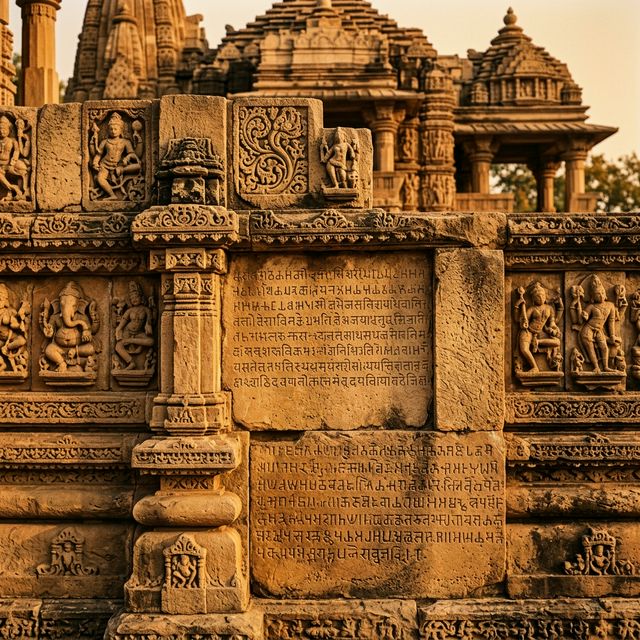
Discovered in 1940 in Wardha district, Maharashtra, the Jamb copper-plate charter was issued by the Vākāṭaka ruler Pravarasena II from Nagardhan. The record consists of four plates engraved in the box-headed Brāhmī script and is composed in Sanskrit language. Drafted by the scribe Nagavarman with Cakradeva acting as the dūtaka, the text formally documents a royal village donation made during the month of Aśvina in the second regnal year.
The charter details the Vākāṭaka genealogy, tracing Pravarasena II's lineage to Pravarasena I. It documents the dynastic alliances with the Bhāraśiva Nāgas via Bhavanāga and the Guptas via Prabhāvatīguptā. The charter records the donation of Kothuraka village, situated in the Supratiṣṭha district, to the brahmachārin Kāluṭṭaka of the Kauṇḍinya gotra and performer of gaṇa yaga. Issued to augment royal merit, the grant bestows standard agrahāra privileges, immunising the settlement from taxation, forced labor, and state requisitions like grass and charcoal. The mandate concludes with directives for future rulers to uphold the grant, supported by a verse attributed to Vyāsa.
First Plate
1. dṛṣṭam | siddham | svasti nandivarddhanāt | agniṣṭomāptoryyāmokthyaṣodaśyatirātra-
2. vājapeyabṛhaspati savasādyaskracaturaśvamedhayājinaḥ viṣṇuvṛddha-
3. sagotrasya samrājo vākāṭakānāmmahārājaśrīpravarasenasya sūnoḥ sūnoḥ
4. atyantasvāmimahābhairavabhaktasya || asambhārasanniveśitaśivaliṅgo-
5. dvahanaśivasuparituṣṭasamutpāditarājavaṃśānām parākkramādhigatabhāgī-
6. ratthyamalajalamūrddhābhiṣiktānāṃ daśāśvamedhāvabhṛthasnātānāṃ bhāraśivānāṃ
Second Plate : First Side
7. mahārājaśrībhavanāgadauhitrasya gautāmīputrasya putrasya | vākāṭa-
8. kānāmmahārājaśrīrudrasenasya sūnoḥ atyantamāheśvarasya ||
9. satyārjjavakāruṇyaśauryyavikkramanayavinayamāhātmyadhīmattva-
10. pātragatabhaktitvadharmmavijayitvamanonairmmalyādiguṇaissamu-
11. petasya || varṣaśatamabhivarddhamānakośadaṇḍasādhanasantāna-
12. putrapautriṇaḥ yudhiṣṭhiravṛttervvākāṭakānāmmahārājaśrīpṛthivī-
Second Plate : Second Side
13. senasya sūnorbbhagavataścakkrapāṇe prasādo pārjjitaśrīsamudayasya
14. mahārājaśrīrudrasenasya sūnoḥ mahārājādhirājaśrīdevagupta-
15. sutāyām prabhāvatīguptāyāmutpannasya || śambho prasādadhṛtakārtta-
16. yugasya | vākāṭakānāmparamamāheśvaramahārājaśrīpravarasena-
17. sya vacanāt | supratiṣṭhāhāre | umānadyā aparapārśve ciñcāpallyā-
18. uttare pārśve | bonthikavāṭakasya | pūrve pārśve | maṇḍukigrāmasya –
Third Plate : First Side
19. dakṣiṇe pārśve | kothurakannāmagrāmaḥ kauṇḍinyasagotra | taittirikagaṇayāji-
20. kāluṭṭakabrahmacāriṇe dattaḥ | yatosmatsantakāḥ sarvāddhyakṣaniyoganiyuktā
21. ājñāsamcārikulaputrādhikṛtāḥ bhaṭāśchātrāśca viśrutapūrvvayājñayājñāpayi-
22. tavyā viditamastu vaḥ yathehāsmābhirātmano dharmmāyurbbalavijayaiśvaryyavi-
23. vṛddhaye ihāmutrahitārtthamātmānugrahāya vaijayike dharmma sthāne apūrvvada-
24. ttyā udakapūrvvamatisṛṣṭaḥ | yathāsyocitāṃ pūrvvarājānumatāñcāturvvaidya-
Third Plate : Second Side
25. grāmamaryyādām vitarāmastadyathā akaradāyī abhaṭacchātra prāveśyaḥ apā-
26. ramparagobalavardda apuṣpakṣīrasandohaḥ acārāsenacarmmāṅgāraḥ ala-
27. vaṇakiṇvakrenikhanakaḥ sarvvaviṣṭi saparihāraparihṛtaḥ sanidhiḥ
28. sopanadhiḥ sakliptopakliptaḥ ācandrādityakālīyaḥ putrapautrānugā-
29. mikaḥ bhuñjato na kenacidvyāghātayitavyaḥ sarvvakriyābhissamrakṣitavyaḥ
30. parivarddhayitavyaśca | yaścāsmacchāsanamagaṇayamānaḥ svalpāmapi paribādhāṃ
Fourth Plate
31. kuryyātkārayedvā tasya brāhmaṇairvveditasya sadaṇḍam nigraham kuryyāma ||
32. asmimśca dharmmādarakaraṇe atītānekarājadattasañcintanaparipālanaṃ
33. kṛtapuṇyānukīrttanaparihārārttham na kīrttayāmaḥ | vyāsagītaścātra ślokapramāṇī-
34. karttavyaḥ | svadattām paradattām vā haredyo vai vasundharām | gavām śatasahasrasya
35. hanturharati duṣkṛtam || samvatsare dvitīye āśvayuja māsaśukladvādaśyām |
36. cakkradevadūtakam nāgavarmmaṇā likhitam ||
Lines 1–16:
Seen. Success! Hail! From Nandivardhana,
By the order of the illustrious Pravarasena II, the mahārāja of the Vākāṭakas: a fervent devotee of Maheśvara; who, by the grace of Śambhu, has established the Kṛtayuga (Golden Age) on the earth; who was born of Prabhāvatīguptā, the daughter of the mahārājādhirāja, the illustrious Devagupta; who is the son of the mahārāja, the illustrious Rudrasena II, who acquired an abundance of prosperity by the grace of the divine lord Cakrapāṇi (Viṣṇu); who was the son of the illustrious Pṛthivīṣeṇa I, the mahārāja of the Vākāṭakas, who was intensely devoted to the god Maheśvara, endowed with truthfulness, straightforwardness, compassion, heroism, valour, political wisdom, modesty, high-mindedness, intelligence, devotion to worthy persons, the state of being a righteous conqueror, purity of mind, and other such qualities, who had sons and grandsons and a continuous supply of treasure and an army accumulating for a hundred years, and who conducted himself like Yudhiṣṭhira; who was the son of the illustrious Rudrasena I, the mahārāja of the Vākāṭakas and the son of Gautamīputra, an intense devotee of the god Svāmi-Mahābhairava and the daughter’s son of the illustrious Bhavanāga, the mahārāja of the Bhāraśivas, whose royal family was created by Śiva, who was greatly pleased by their carrying the Śiva-liṅga like a load placed upon their shoulders, and who were besprinkled on their heads with the pure water of the river Bhāgīrathī obtained by their valour; and who was the son of the illustrious Pravarasena I, the mahārāja of the Vākāṭakas, the Samrāṭ (universal monarch), who performed the Agniṣṭoma, Āptoryāma, Ukthya, Ṣoḍaśin, Atirātra, Vājapeya, Bṛhaspatisava, Sādyaskra, and four Aśvamedha sacrifices, and who belonged to the Viṣṇuvṛddha gotra.
Lines 17–19:
The village named Kothuraka, situated in the āhāra of Supratiṣṭha, to the west of the river Umā, to the north of Ciñcāpallī, to the east of Boṇṭhikavāṭaka, and to the south of Maṇḍukigrāma, has been donated by Us to the brahmacārin named Kāluṭṭaka, who has performed a gaṇa-yāga and belongs to the Taittirīya śākhā.
Lines 20–31:
Wherefore, our officials of noble birth, who are employed by the order of the sarvādhyakṣa (general superintendent) and exercise their authority by our command, as well as our soldiers and policemen, should be directed by the following command, which is already well-known to them:
"Be it known to you that, in order to increase our religious merit, life, power, victory, and prosperity; to secure our well-being in this world and the next; and to obtain blessings for ourself, we have given this village here in our victorious place of religious worship as a gift not previously made, confirmed with the pouring out of water.
And we grant the following exemptions, which are customary for a village bestowed upon a Brāhmaṇa proficient in the four Vedas and are appropriate as approved by former kings: It is not to pay taxes; it is not to be entered by regular soldiers and policemen; it does not carry with it the State's customary right to cows and bulls, nor to royalties on flowers and milk; it is exempt from the obligation to provide pasturage, hides for seats, and charcoal to touring royal officers; it is exempt from royalties on the purchase of fermenting liquors and the digging of salt; it is free from all kinds of forced labour; it is donated together with the right to hidden treasures and deposits, as well as major and minor taxes; it is to be enjoyed for as long as the sun and the moon endure; and it is to follow the succession of sons and grandsons. No one should cause an obstruction while the donee or his successors are enjoying it. This grant should be preserved and increased by all means. And whosoever, disregarding our order, causes or makes others cause even the slightest obstruction, upon him, when complained against by the Brāhmaṇas, We will inflict punishment together with a fine."
Lines 32–34:
In thus showing our regard for religion, and in order to avoid boasting of meritorious deeds already done, we do not recount our care and protection of the grants made by many past kings. And the following verse sung by Vyāsa should be regarded as an authority on this point:
(Here occurs an imprecatory verse.)
Line 35:
This charter was written by Nāgavarman on the twelfth lunar day of the bright fortnight of the month of Āśvayuja in the second regnal year, with Cakradeva acting as the dūtaka.
| Dynasty: | Vākāṭaka |
| Ruler: | Pravarasena II |
| Date: | c. 420 CE (Āśvina, śukla 12, Regnal year 2) |
| Place: | Nagpur Central Museum |
| Donee: | Brahmacārin Kāluṭṭaka |
| Language: | Sanskrit |
| Nature of grant: | Land donation |
| Purpose: | For increasing religious merit, life, power, victory, prosperity, and blessings of the donor |
| Provenance of inscription: | Jambh (ancient Jāmbha), Wardha district, Maharashtra |
| Type of Inscription: | Copperplate grant |
| Source: |
