
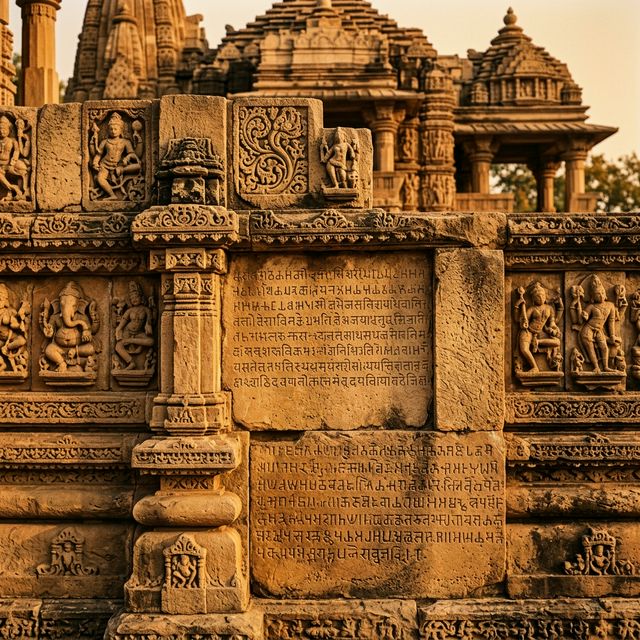
The Indore copper plates obtained by Pandit Vamanśāstrī Islampurkar. They consist of an incomplete set of three plates belonging to a four-plate charter issued by the Vākāṭaka king Pravarasena II. The first plate, which would have detailed the initial genealogy, is missing. Engraved in the box-headed Brāhmī script, the text is composed in Sanskrit language. Executed by a rajuka named Koṭṭadeva, the charter was issued on the fifth lunar day of the dark fortnight of Vaiśākha in the twenty-third regnal year, with the order communicated directly by the king.
The charter documents a complex land transaction concerning a village in the Gepuraka subdivision, bounded by villages such as Ārāmaka, Kovidārikā, Kośambaka, and Añjanavāṭaka. The text reveals a dual-source endowment: one half of the village was purchased and donated to the brāhmaṇas by a merchant named Candra near the footprints of the Bhagavat i.e., Viṣṇu, while the king granted the other half to augment his own spiritual merit. The recipients were Goṇḍārya of the Vāji-Kauśika gotra, residing at Ārāmaka, and his six sons.
Second Plate : First Side
1. dauhitrasya gautamīputrasya putrasya vākāṭakānāmmahārājaśrīrudrasenasya sūnoḥ
2. atyantamāheśvarasya satyārjjavakāruṇyaśauryyavikramanayavinayamāhātmya-
3. dhīmatvattvapātragatabhaktitvadharmmavijayitvamanonairmmalyā- diguṇasamuditasya
4. varṣaśatamabhivarddhamānakośadaṇḍasādhanasantānaputrapautriṇaḥ yudhiṣṭhira-
5. vṛtervvākāṭakānāṃ śrīpṛthiviṣeṇasya sūnoḥ bhagavataścakapāṇeḥ
6. prasādopārjjitaśrīsamudayasya vākāṭakānām mahārājaśrīrudrasena-
Second Plate : Second Side
7. sya sūnoḥ mahārājādhirājaśrī devaguptasutāyām prabhāvatiguptāyāmutpanna-
8. sya vākāṭakānāmmahārājaśrīpravarasenasya vacanāt gepurakamārgge asma-
9. tsantakāssarvvāddhyakṣaniyoganiyuktāḥ ājñāsamcārikulaputrādhikṛtā bhaṭā-
10. cchātrāśca viśrutapūrvvayā jñāpayitavyāḥ viditamastu va
11. yathe hāsmābhirātmanodharmmāyurbbalaiśvaryyavivṛddhaye ihāmutrahitāttha
12. vaijayike dharmmasthāne ārāmakasya uttarapārśve kovidārikāyāḥ pūrvva-
13. pārśve mule dattamiti ||
Third Plate : First Side
14. kośambakasya dakṣiṇapārśve añjanavāṭakasya aparapārśve viśākhāryyavāṭaka-
15. vāṭakaṃ ārāmakavāstavyavājikauśikasamgotraviśākhāryyaputragoṇḍā-
16. ryyāya goṇḍāryyaputramanorathāryyāya govāryyāya devāryyāya
17. bāppāryyāya ca kumārāryyāya droṇāryyāya pūrvvadattā iti kṛtvā
18. yatosmābhiḥ śāsananibandha kṛtaḥ apūrvvadattyā udakapūrvvamatisṛṣṭaḥ |
19. ucitāmścāsya pūrvvarājānumatān cāturvvaidyagrāmamaryyādāparihārān vita-
20. rāmaḥ | atra vāṭakārddham vāṇijakacamdreṇa krayakrītam brāhmṇebhyo bhagavatpāda-
Third Plate : Second Side
21. tadyathā akaradāyī abhaṭacchatraprāveśyaḥ apāramparagobalivarddaḥ
22. apuṣpakṣīrasandohaḥ acārāsanacarmmāṅgāraḥ alavaṇaklinna kraṇikhanakaḥ
23. sarvvaviṣṭiparihāraparihṛtaḥ sanidhiḥ sopanidhiḥ aklṛptopaklṛptaḥ
24. ācandrādityakālīyaḥ putrapautrānugāmī bhuñjatām na kenacid
25. vyāghātaḥ na karttavyassarvakriyābhiḥ samrakṣitavya parivarddhayitavyaśca | yaścā-
26. smacchāsanamagaṇayamānaḥ svalpāmapi paribādhām kuryātkārayedvā
27. tasya brāhmaṇairvveditasya sadaṇḍanigraham kuryyām | asmimśca dharmmādaradi-
Fourth Plate
28. karaṇe atītānekarājadattāsañcitntanaparipālanam kṛtapuṇyānukī-
29. rttanaparihārārttham na kīrttayāmaḥ | samkalpābhiyoga parākramopajitānvartta-
30. ghāmānānājñāpayāmaḥ | eṣyatkālaprabhaviṣṇugauravādbhaviṣyānvijñā-
31. payāmaḥ | vyāsagītaścātra ślokapramāṇīkarttavyaḥ | svadattāttām
32. paradattām vā yo hareta vasundharām | gavām śatasahasrasya hantu-
33. pibati duṣkṛtam || samvatsare trayovimśe vaiśākhabahulapamcamyām
34. ājñā svayam | rajukakoṭṭadevena likhitam |
Line 1–7
By the order of the illustrious Pravarasena II, the mahārāja of the Vākāṭakas, born of Prabhāvatīguptā, the daughter of the mahārājādhirāja, the illustrious Devagupta; who is the son of the illustrious Rudrasena II, the mahārāja of the Vākāṭakas; who is the mother of the illustrious Dāmodarasena alias Pravarasena II, the mahārāja of the Vākāṭakas; who meditates on the feet of the Bhagavat (Viṣṇu); and who has sons and grandsons who will live for a full hundred years—having announced her good health, commands the elders (mahattaras) of the village led by the brāhmaṇas residing in Aśvatthanagara in the subdivision (mārga) of Kośika, as follows:
“We have in this town donated the field enjoyed so far by Bhuktaka, together with a farmhouse situated in it and four huts of cultivators, to the brāhmaṇas... of the Parāśara gotra and the Taittirīya śākhā, whether they have or do not have sons, by pouring out water and issuing a charter for the increase of our religious merit and our welfare in this world and the next."
Line 8–28
In the territorial division (mārga) of Gepuraka, our officials of noble birth, who are employed by the order of the sarvādhyakṣa (general superintendent) and exercise their authority by our command, as well as our soldiers and policemen, should be directed by the following command, which is already well-known to them:
“Be it known to you that here in our victorious place of religious worship, in order to increase our religious merit, life, power, and prosperity, and for our well-being in this world and the next, we have recorded in a charter this gift as it was previously made, viz., the gift of the village... situated to the north of Ārāmaka, to the east of Kovidārikā, to the south of Kośambaka, and to the west of Añjanavāṭaka, made to Goṇḍārya, son of Viśākhārya of the Vāji-Kauśika gotra, who resides at Ārāmaka; and to Manorthārya, son of Goṇḍārya; and Govārya, Devārya, Bāppārya, Kumārārya, and Droṇārya, and we have given it as a gift not previously made, confirmed with the pouring out of water. Half of this village was donated to the Brāhmaṇas by the merchant Candra near the footprints of the Bhagavat, after having purchased it from us.
And we grant here the following exemptions, which are customary for a village bestowed upon a Brāhmaṇa proficient in the four Vedas: It is not to pay taxes; it is not to be entered by regular soldiers and policemen; it does not carry with it the State's customary right to cows and bulls, nor does it carry the royalties on flowers and milk; it is exempt from the obligation to provide grass, hides for seats, and charcoal to touring royal officers; it is exempt from royalties on the purchase of fermenting liquors and the digging of salt; it is free from all kinds of forced labour; it is donated together with the right to hidden treasures and deposits, as well as major and minor taxes; it is to be enjoyed for as long as the sun and the moon endure; and it is to follow the succession of sons and grandsons. No one should cause an obstruction while the donee or his successors are enjoying it. This grant should be preserved and increased by all means. And whosoever, disregarding our order, causes or makes others cause even the slightest obstruction, upon him, when complained against by the Brāhmaṇas, we will inflict punishment together with a fine.”
Line 29
We command the present rulers who have been vanquished by our resolve, attack, and valour, and we make this request to future lords out of reverence for them.
And the following verse, sung by Vyāsa, should be regarded as authoritative on this point:
(Here occurs an imprecatory verse.)
Line 33
This charter has been written on the fifth lunar day in the dark fortnight of the month of Vaiśākha in the twenty-third regnal year. The order was communicated by the king himself. The charter has been written by the rajuka Koṭṭadeva.
| Dynasty: | Vākāṭaka |
| Ruler: | Pravarasena II |
| Date: | c. 420 to 455 CE (Vaiśākha, kṛṣṇa 5, Regnal year 23) |
| Donee: | Brāhmaṇa Goṇḍārya and his six sons |
| Language: | Sanskrit |
| Nature of grant: | Land donation |
| Purpose: | For increasing religious merit, life, power, victory, prosperity, and blessings of the donor |
| Type of Inscription: | Copperplate grant |
| Source: |
