
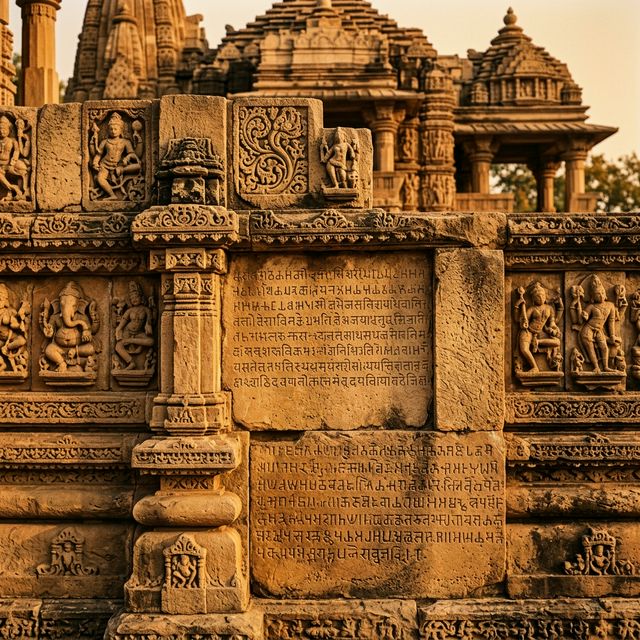
These copper-plates, discovered in Vadner, Nashik district, record a grant issued from the victorious camp at Vidisha (Madhya Pradesh) by the Kalacuri king Buddharāja. The charter consists of two substantial plates originally held by two rings. The inscription consists of Sanskrit language text, engraved in Brāhmī script. The record dates to 13th tithi of the bright fortnight of Bhādrapada, Kalacuri era 360 which corresponds to 8th August 610 CE.
The inscription begins with an invocation and a lengthy eulogy of the Kalacuri dynasty, comparing its greatness to the ocean. It extols Kṛṣṇarāja for his virtues and his son Śaṅkaragaṇa for his extensive conquests and patronage of learning. The reigning king, Buddharāja, confirms the grant of the village Koṇiyaṇāṇam, situated near Bhaṭṭaurikā in the Vaṭanagara subdivision (bhoga), to a brāhmaṇa named Bodhasvāmin. The recipient, a resident of Vaṭanagara, belonged to the Kāśyapa gotra and the Mādhyandina school of the Vājasaneyi recension. The grant was intended to support religious rites including bali, caru, and agnihotra. The executor (dutaka) of the grant was mahabaladhikrita Prasahya vigraha and was written by mahasandhivigrahadhikarana Anapita.First plate
1. siddham svasti || vijayaskandhāvārādvaidiśavāsakāccharadupagama-prasannagaganatalavimalavipulavividhapuru–
2. ṣaratnaguṇakiraṇanikarāvabhāsite mahāsattvāpāśrayadurllaṅghe gāmbhīryyavati sthityanupālanapare mahodadhā-
3. vivakaṭaccurīṇāmanvaye sakalajana manoharayā candrikayeva kīrtyā bhuvanamavabhāsayannājanmana eva paśu-
4. patisamāśrayapara kalaṅkadoṣarahita kulakumudavanala-kṣmīvibodhanaścandramā iva śrīkṛṣṇarājoyaḥ
5. samśraya viśeṣalobhādiva sakalairābhigāmikairitaraiśca guṇairupetassampannaprakṛtimaṇḍalo yathāvat
6. ātmanyāhitaśaktisiddhiryyena ca ruciravamśaśobhinā niyatamaskhalitadānaprasareṇa prathitabalagarimṇā
7. vanavāraṇayūthapenevāviśaṅkam vicaratā vanarājaya ivāvanamitā diśo yasya ca śastramāpanna-
8. trāṇāya vigraha parābhimānabhamgāya śikṣitam vinayāya vibhavārjjanam pradānāya pradānam dharmmāya
9. dharmmaśśreyo vāptaye | tasya putra pṛthivyāmapratirathaścaturudadhisalilāsvāditayaśā dhanadavaruṇendrāntaka-
10. samaprabhāvassvabāhubalopattorjjitarājaśrī pratāpātiśayopanatasamagrasāmantamaṇḍalaḥ
11. parasparāpīḍitadharmmārtthakāmaniṣevī praṇatimātrasuparitoṣagambhīronnatahṛdayassamyaprakjāpālanādhi-
12. gatabhūridraviṇaviśrāṇavāptadharmmakriyaścirotsannānām nṛpativaṃśānām pratiṣṭhāpayitā atyucchritānām
13. unmūlayitā dīnāndhakṛṣaṇasamabhilaṣitamanorathādhikanikāmaphalaprada pūrvvāparasamudrāntādideśasvāmī
14. mātāpitṛpādānuddhyāta paramamāheśvaraḥ śrīśaṅkaragaṇaḥ | tasya putrastatpādānuddhyātassakala mahīmaṇḍalaika-
15. tilakassātiśayaprathita nayavinayadayādānadākṣyadākṣiṇyadhairyyaśauryyasthairyyādya śeṣaguṇasamanvitaḥ
16. prabalaripuvalodbhūtadarppavibhavapradhvamsahetussetu sthitīnāmāyatanam siddherapratihatacakraścakradhara
17. ivārttipraśamanakara prajānām paramamāheśvaraḥ śrībuddharājassarvāneva rāja–
Second Plate
18. sāmantabhogikaviṣayapatirāṣṭragrāmamahattarādhikārikādīn samājñāpayati | astu vo viditamasmābhiḥ
19. vaṭanagarabhoge bhaṭṭa utikāpratyāsannakoṇiyāṇām eṣa grāmassodraṅgassoparikarassarvvādāna–
20. saṅgrāhyassarvvadityaviṣṭiprātibhedikāparihīṇo bhūmicchidranyāyenācāṭabhaṭaprāveśyaḥ ācandrārkkārṇṇava-
21. kṣitisthitisamakālīnaḥ putrapautrānvayabhogyo vaṭanagaravāstavyakāśyapasagotravājasaneyamāddhyandina-
22. sabrahmacāribrāhmaṇabodhasvāmine balicaruvaiśvadevāgnihotrādikriyotsarppaṇārttha mātāpitrorātmanaśca
23. puṇyābhivṛddhaye udakātisargeṇātisṛṣṭo yatosmadvamśyairanyairvāgāminṛpatibhogapatibhi prabalapavana preritodadhi-
24. jalataraṅgacañcalam jīvalokamabhāvānugatānasārānvibhavāndīrgghakālastheyasaśca guṇānākalayya sāmānya-
25. bhogabhūpradānaphalepsubhiśśaśikararuciram cirāya yaśaścicīṣubhirayamasmaddāyonumantavya pālayitavyaśca |
26. yo vājñānatimirapaṭalāvṛtamatirācchindyādācchidyamāne vānumodeta sa pañcabhirmmahāpātakaissamyuktassyādi
27. ti | uktañca bhagavatā vedavyāsena vyāsena || ṣaṣṭim varṣasahasrāṇi svargge modati bhūmidaḥ | ācchettā
28. cānumantā ca tānyeva narake vaset || 1 || vindhyāṭavīṣvatoyāsu śuṣkakoṭaravāsinaḥ | kṛṣṇāhayo hi jāyante
29. bhūmidāyam haranti ye || 2 || bahubhirvvasudhā bhuktā rājabhissagarādibhiḥ | yasya yasya yadā bhūmistasya tasya tadā
30. phalam || 3 || pūrvvadattām dvijātibhyo yatnādrakṣa yudhiṣṭhira | mahim mahīmmatām śreṣṭha dānāccheyonupālanam || 4 || yānīha
31. dattāni purā narendrairddānāni dharmmārtthayaśaskarāṇi | nirvbhuktamālyapratimāni tāni ko nāma sādhu punarāda–
32. dīta || 5 || iti || samvatsaraśatatraye ṣaṣṭyadhike bhādrapadaśuddhatrayodaśyām pāśupatarājñī rājñī-
33. anantamahāyīvijñāpanayā mahābalādhikṛtaśrīprasahyavigrahadūtakam likhitam
34. idam mahāsandhivigrahādhikaraṇādhikṛtānāphiteneti || sam 300 60 bhādrapada śu 10 3 ||
Success! Hail! From the victorious camp pitched at Vidiśā:
Lines 1 to 8
Success! Hail! From the victorious camp fixed at Vidiśā, there was the illustrious Kṛṣṇarāja, who, like the ocean, is illuminated by the mass of rays of the jewels of various and numerous virtues of pure and great men, which are as bright as the surface of the sky cleared by the approach of autumn; who is difficult to be crossed as he is the refuge of great beings (as the ocean is of large creatures); who possesses depth (of character); who is intent on preserving the established order; who, like the moon, illuminates the world with his fame which is as pleasing to all people as moonlight; who from his very birth has been intent on seeking refuge in Paśupati (Śiva); who is free from the stain of defects; who awakens the beauty of the forest of night-lotuses of his family; who is endowed with all qualities, those which are inviting and others, as if through a special greed for a refuge; who is possessed of a circle of perfect constituents of the state; who has achieved the success of his powers within himself; who, like a leader of a herd of wild elephants, wanders without fear, shining with a beautiful lineage (as an elephant with a beautiful backbone), with the flow of his gifts being constant and unswerving (as the elephant's flow of ichor), and having the weight of well-known power; who has bent down the regions like rows of forests; whose weapon is for the protection of those in distress; whose war is for the breaking of the pride of enemies; whose education is for modesty; whose acquisition of wealth is for donation; whose donation is for religious merit; and whose religious merit is for the attainment of the highest bliss.
Lines 9 to 13
His son, who is an unrivaled chariot-warrior on the earth; whose fame has been tasted by the waters of the four oceans; who is equal in prowess to Dhanada, Varuṇa, Indra, and Antaka; who has obtained the exalted royal fortune by the strength of his own arms; who has the entire circle of feudatories bowed down by the excess of his majesty; and who enjoys religious merit, wealth, and pleasure without their being in conflict with each other; whose heart is deep and lofty and is satisfied by mere salutation; who has performed religious acts by bestowing abundant wealth acquired by the proper protection of his subjects; who is the restorer of the families of kings that had long been uprooted; who is the uprooter of those who are too exalted; who grants fruits more than the desired wishes to the poor, the blind, and the distressed; who is the lord of the countries as far as the eastern and western oceans, the illustrious Śaṅkaragaṇa.
Lines 14 to 17
His son, the illustrious Buddharāja, who meditates on his feet; who is a devout worshipper of Maheśvara; who is the sole ornament of the whole circle of the earth; who is endowed with all the well-known excellences such as political wisdom, modesty, compassion, liberality, dexterity, courtesy, courage, bravery, firmness and others; who causes the destruction of the supreme arrogance, due to power, of mighty foes; who is a dam to safeguard all established customs, (and) a resting place of success; who, with his unimpeded army, allays the sufferings of the people even as Viṣṇu does with his irresistible discus, issues this order to all kings, feudatories, heads of bhogas and viṣayas, the Mahattaras of rāṣṭras and villages, officials and others:
Lines 18 to 22
‘Be it known to you! For the increase of religious merit of our mother and father and ourself, we have granted with a libation of water the village (called the hamlet) of Koṇiyas adjacent to Bhaṭṭaurikā (situated) in the Vaṭanagara bhoga, together with udraṅga and uparikara, inclusive of all receipts and exempt from all gifts, forced labour and special rights, which is not to be entered by cāṭas and bhaṭas, according to the maxim of waste land, (which is) to be enjoyed by a succession of sons and sons’ sons as long as the moon, the sun, the ocean, and the earth will endure, to the brāhmaṇa Bodhasvāmin of the Kāśyapa gotra, who is a student of the Vājasaneya Mādhyandina (śākhā) and a resident of Vaṭanagara, for the maintenance of bali, caru, vaiśvadeva and other (religious) rites.
Lines 23 to 25
Therefore, this our gift should be consented to and preserved by those born in our lineage and by others, the future kings and lords of bhogas, who, bearing in mind that the world of living beings is as transient as the waves of the water of the ocean stirred by a strong wind, and that wealth is followed by non-existence and is devoid of substance, and that virtues endure for a long time, are desirous of obtaining the fruit of a gift of land which is common (to all kings) and are anxious to accumulate fame as bright as the rays of the moon for a long time.
Line 26
And he who, having his mind enveloped by the film of the darkness of ignorance, should confiscate it or should assent to its being confiscated, shall be endowed with the five great sins.
Lines 27 to 31
And it has been said by the holy Vyāsa, the redactor of the Vedas:
(Here follow five benedictive and imprecatory verses.)
Lines 32 to 34
In the year three hundred increased by sixty, on the thirteenth (lunar day) of the bright fortnight of Bhādrapada, this (order), the dūtaka of which is the mahābalādhikṛta, the illustrious Prasahyavigraha, has been written by Ānāphita, the Chief officer in charge of the department of Peace and War, at the request of the queen Anantamahāyī, a devotee of Paśupati.
The year 300 (and) 60, (the month) Bhādrapada, the bright (fortnight), (the lunar day) 10 (and) 3.
| Dynasty: | Kalacuri |
| Ruler: | Buddharāja |
| Date: | 8th August 610 CE (Bhādrapada, śukla 13, varṣa 360) |
| Donor: | Buddharāja (at the request of the queen Pāśupatarājñī Anantamahāyī) |
| Donee: | Brāhmaṇa Bōdhasvāmin |
| Language: | Sanskrit |
| Script: | Brāhmī |
| Religion: | Vedic |
| Nature of grant: | Land donation |
| Purpose: | To increase of religious merit and for the performance of the five great sacrifices |
| Provenance of inscription: | Vadner, Nashik district, Maharashtra |
| Type of Inscription: | Copperplate grant |
| Source: |
