
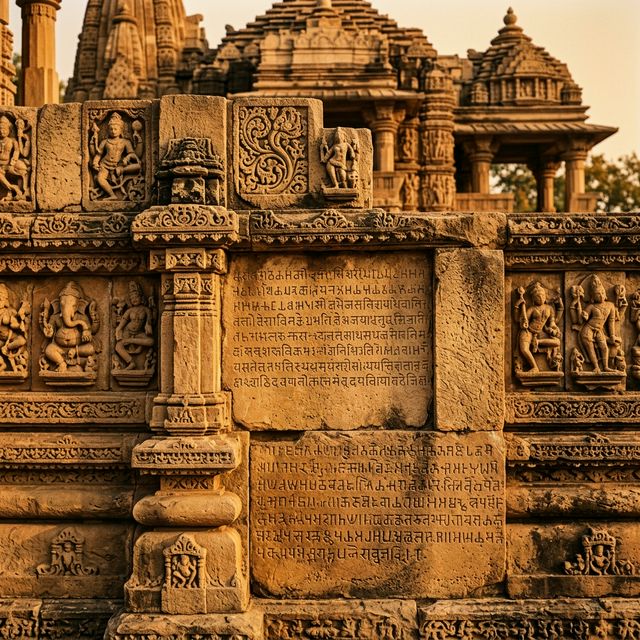
The Abhona copper-plate inscription, discovered in the Nashik district, Maharashtra, is an administrative charter issued by the Kalacuri ruler Śaṅkaragaṇa. Engraved on two plates in the Brāhmī script, the language being Sanskrit, the text dates to the fifteenth tithi of the bright fortnight of Śrāvaṇa of the year 347 which corresponds to 3rd August 597 CE.
Issued from Ujjayanī (modern Ujjain, Madhya Pradesh), king Śaṅkaragaṇa, a devout Śaiva and ruler of the expanse between the eastern and western oceans, directed an administrative to his state officials. The charter records the donation of one hundred nivartanas of land within the village of Vallisikā in the Bhogavardhana district. Granted at the request of Goggā, the land is bestowed upon a resident of Kallivana, brāhmaṇa Svāmin of the Gautama gotra and student of the Taittiriya śākhā. Exempt from standard taxes and forced labor, the endowment provisions the daily performance of Vedic sacrifices including bali, caru, vaiśvadeva, and agnihotra. Mahāpīlupati Pāśupata served as the dūtaka, and sāndhivigrahika Vāṭyali drafted the edict.
 Editor's Comment:
First Plate
1. siddham svasti || vijayaskandhāvārādujjayanīvāsakāccharadupagama-prasannagaganatalavimalavipule
2. vividhapuruṣaratnaguṇakiraṇanikarāvabhāsite mahāsattvā pāśrayadurllaṅghe gāmbhīryyavati sthitya-
3. nupālanapare mahodadhāviva kaṭaccūrīṇāmanvaye sakalajanamanoharayā candrikaye va kīrtyā
4. bhuvanamavabhāsayannā janmana eva paśupatisamāśrayaparakalaṅkadoṣarahitakulakumuda-
5. vanalakṣmīvibodhanaścandramā iva śrīkṛṣṇarājo yassamśrayaviśeṣalobhādiva sakalairābhigāmikai-
6. ritaraiśca guṇairupetassampannaprakṛtimaṇḍalo yathāvadātmanyāhitaśaktisiddhiryyena ca ruciravam –
7. śaśobhinā niyatamaskhalitadānaprasareṇa prathitabalagarimṇā vanavāraṇayūthapenevāvi –
8. śaṅkam vicaratā vanarājaya ivāvanamitā diśo yasya ca śastramāpannatrāṇāya vigrahatparā-
9. bhimānabhaṅgāya śikṣitam vinayāya vibhavārjjanam pradānāya pradānam dharmmāya dharmaḥ śreyovā –
10. ptaye | tasya putraḥ pṛthivyāmapratirathaścaturudadhisalilāsvāditayaśā dhanadavaruṇendrāntaka –
11. samaprabhāvaḥ svabāhubalopāttorjjitarājaśrīpratāpātiśayopanatasamagrasāmanta–
12. maṇḍalaḥ parasparāpīḍitadharmmārtthakāmaniṣevī praṇatimātrasuparitoṣagambhīronnata–
13. hṛdayassamyakprajāpālanādhigatabhūridraviṇa-viśrāṇanāvāptadharmmakriyaścirotsannā–
14. nām nṛpativamśānām pratiṣṭhāpayitātyucchritānāmunmūlayitā dīnāndhakṛpaṇasamabhila-
15. ṣitamanorathādhikanikāmaphalapradaḥ pūrvvāparasamudrāntādideśasvāmī mātāpitṛ-
16. pādānuddhyātaḥ paramamāheśvaraḥ śrīśaṅkaragaṇaḥ sarvvāneva rājasāmantabhogikaviṣaya–
17. patirāṣṭragrāmamahattarādhikārikādīnsamājñāpayati | astu vo viditamasmābhirbhoga
Second Plate
18. varddhanaviṣayāntarggatavallisikāgrāma ubhayacatvāriṃśakanivarttaninā
19. bhūmernnivarttanaśatam sarvvādānasamgrāhyam sarvvadityaviṣṭiprātibhedikāparihīṇam bhūmi–
20. cchindranyāyenācāṭabhaṭaprāveśyamācandrārkkārṇṇavakṣiti-sthitisamakālīnam putrapautrānvapabhogyam
21. kallivanavāstavyagautamasagotrataittirīyasabrahmacāribrāhmaṇa svāmine balicaruvaiśvadevā–
22. gnihotrādikriyotsarppaṇāya mātāpitrorātmanaśca puṇyayaśobhivṛddhaye goggāvijñāpanayodakā
23. udakātisarggeṇātisṛṣṭam | yatosmadvamśyaianyairvvā nṛpatibhogapatibhiḥ prabalapavana–
24. preritodadhijalataraṅgacañcalam jīvalokamabhāvānugatānasārānvibhavāndīrgghakālastheyasa–
25. śca guṇānākalayya bhogasāmānyabhūpradānaphalepsubhiḥ śaśikararuciram cirāya yaśaścicīṣubhi–
26. rayamasmaddāyonumantavya pālayitavyaśca | yo vājñānatimirapaṭalāvṛtamatirācchindyādācchidya–
27. mānam vānumodeta sa pañcabhirmmahāpātakaissamyuktassyāditi | uktañca bhagavatā vedavyāsena vyāsena |
28. ṣaṣṭim varṣasahasrāṇi svargge modati bhūmidaḥ ācchetā cānumantā ca tānyeva narake vaset || 1 || vindhyāṭa–
29. vīṣvatoyāsu śuṣkakoṭaravāsinaḥ | kṛṣṇāhayo hi jāyante bhūmidāyam haranti ye || 2 || bahubhirvva–
30. sudhā bhuktā rājabhissagarādibhiḥ | yasya yasya yadā bhūmistasya tasya tadā phalam || 3 || pūrvvadattām
31. dvijātibhyo yatnādrakṣa yudhiṣṭhira | mahīm mahimatām śreṣṭha dānācchreyonupālanam || 4 || apica yānīha
32. dattāni purā narendrairddānāni dharmmārtthayaśaskarāṇi | nirbbhūktamālyapratimāni tāni ko nāma sādhuḥ
33. punarādadīta || 5 || samvatsaraśatatraye saptacatvārimśaduttarake śrāvaṇaśuddhapañcadaśyām mahāpilu–
34. patipāśupatadūtakam likhitamidam mahāsandhivigrahādhikaraṇādhikṛtavāṭyalineti || sam 300 40 7 śrāvaṇa śu 10 5 |
Lines 1 to 9
Success! Hail! From the victorious camp pitched at Ujjayanī:
In the family of the Kaṭaccuris, which, resembling the great ocean, is stainless and extensive like the firmament clear on the advent of autumn; which is made resplendent by the multitude of the manifold excellences of the men (born in it) as the ocean is by the mass of the rays of its gems; which is difficult to overcome, being the resort of men of great courage, as the ocean is difficult to cross, being the asylum of large animals; which is endowed with serenity (and) is intent on observing the rules of moral conduct as the ocean is deep and is determined to remain within its bounds; (there was) the illustrious Kṛṣṇarāja, who brightened the world with his fame which, like moonlight, attracted the minds of all people; who, from his very birth was devoted to Paśupati (Śiva), revived the prosperity of his family (and therefore, though) free from (all) defects, resembled the moon, (which has spots), which rests on Śiva and revives the beauty of clusters of night-lotuses. He was resorted to by all attractive royal qualities and other excellences as if out of a desire to find a choice resting place, was possessed of all the constituents of royalty (and) had properly acquired royal powers and attained successes. Shining with his illustrious lineage, with the flow of his charity always unchecked, and the greatness of his prowess well known, he conquered the regions marching about fearlessly, even as the leader of a herd of wild elephants, who looks splendid with his excellent back-bone, has an ever unceasing flow of rut and well-known might of strength, brings down rows of forest-trees, moving about fearlessly. He wielded his weapon (only) for the protection of the distressed, fought (only) for humbling the arrogance of his enemies, was engaged in study (only) for humility, acquired wealth (only) to spend it in charity, made gifts (only) for the sake of religious merit, and accumulated religious merit (only) to secure final liberation.
Lines 10 to 16
His son, the illustrious Śaṅkaragaṇa, who meditates on the feet of (his) mother and father; who is a devout worshipper of Maheśvara; who is the lord of the countries bounded by the eastern and western oceans and of other lands; who has, on the earth, no adversary (worthy of him); whose fame has tasted the waters of the four oceans; whose prowess equals that of Dhanada (i.e., Kubera), Varuṇa, Indra and Antaka (i.e., Yama); who, by the might of his arms, has acquired the fortune of powerful kings; to whom the circle of neighbouring princes has submitted, (being subdued) by his great prowess; who is engaged in the acquisition of religious merit, wealth and pleasure, which (in his case) never come into conflict with one another; whose serene and noble heart is highly pleased by mere submission; who has performed religious rites by spending, in charity, plenty of wealth which he had obtained by properly protecting his subjects; who has reinstated royal families, which had long been dethroned; who has exterminated such as had risen too high; who bestows, on the distressed, blind and poor people, abundant gifts which exceed their desires, issues this order to kings, feudatories, Bhogikas, heads of viṣayas, mahāttaras of rāṣṭras and villages, officials and others:
Lines 17 to 22
Be it known to you! For the increase of religious merit and fame of our mother and father and of ourself, we have granted, with a libation of water, at the request of Goggā, land measuring a hundred nivartanas by a land measure (nivartanin) of forty (daṇḍas) on either side, in the village Vallisikā, situated in the viṣaya of Bhogavardhana, together with all receipts and exempt from all gifts, forced labour and special rights, (which is) not to be entered by cāṭas and bhaṭas according to the maxim of waste land and (is) to be enjoyed by a succession of sons and son’s sons as long as the moon, the sun, the ocean and the earth will endure, to the brāhmaṇa Svāmin of the Gautama gotra (who is) a student of the Taittirīya (śākhā) and a resident of Kallivana, for the performance of bali, caru, vaiśvadeva, agnihotra and other religious rites.
Lines 23 to 26
Wherefore, (future) kings and heads of bhogas, whether born in our family or others, considering that (this) world of living beings is unsteady like the waves of the water of the ocean tossed by a strong wind, that wealth is liable to be lost (and, therefore,) worthless, and that virtues (alone) endure for a long time, and desiring to share in the reward of this donation of land which can be equally enjoyed (by them) and to accumulate for a long time fame as lovely as moon-beams, should consent to this our gift and preserve it! Whoever, with his mind shrouded by the veil of the darkness of ignorance confiscates it or allows it to be confiscated, shall incur the five great sins!
Lines 27 to 32
And it has been said by the holy Vyāsa, the redactor of the Vedas:
(Here follow five benedictive and imprecatory verses.)
Lines 33 and 34
In the year three hundred increased by forty-seven, on the fifteenth (lunar day) of the bright half of Śrāvaṇa, this (charter), the dūtaka of which is the Mahāpīlupati Pāśupata, was written by Vāṭyali, the Chief officer in charge of the Department of Peace and War. The year 300 (and) 40 (and) 7, (the month) Śrāvaṇa, the bright (fortnight), (the lunar day) 10 (and) 5.
| Dynasty: | Kalacuri |
| Ruler: | Śaṅkaragaṇa |
| Date: | 3rd August 597 CE (Śrāvaṇa, śukla 15, varṣa 347) |
| Donor: | Śaṅkaragaṇa (at the request of Gōggā) |
| Donee: | Brāhmaṇa Svāmin |
| Language: | Sanskrit |
| Script: | Brāhmī |
| Religion: | Vedic |
| Nature of grant: | Land donation |
| Purpose: | To obtain religious merit and fame for the donor and his parents while provide for the maintenance of bali, charu, vaiśvadēva, agnihōtra, and other rites |
| Provenance of inscription: | Abhona, Nashik, Maharashtra |
| Type of Inscription: | Copperplate grant |
| Source: |
