
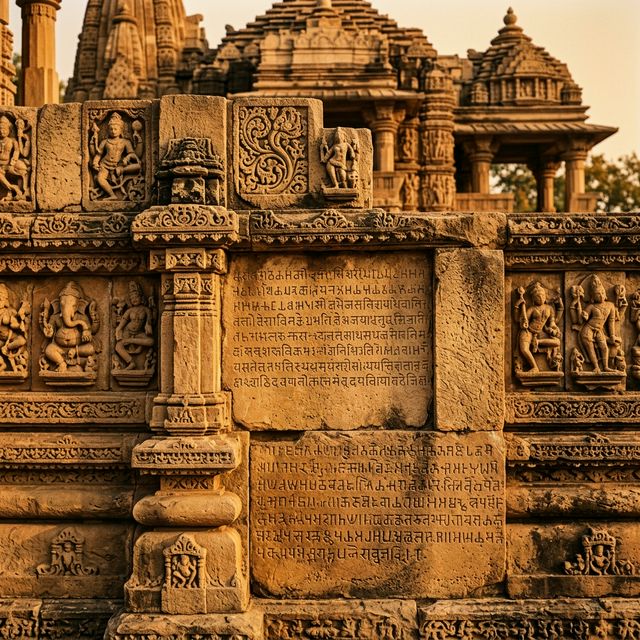
Discovered in the Kheda district, Gujarat, the Sarsavani copper plates record a grant issued by the Kalacuri king Buddharāja from his military camp at Ānandapura. Dated to the Kalacuri year 361, the fifteenth day of the dark fortnight of Kārttika, the two-plate charter is engraved in the Brāhmī. The Sanskrit text provides a chronological marker for the Kalacuri dynasty. It confirms the established royal lineage of Kṛṣṇarāja, Śaṅkaragaṇa, till the reigning king Buddharāja.
The text records a royal directive announcing the donation of the village Kumārivaḍao, located near Bṛhannārikā within the Gorajjā subdivision of the Bharukaccha viṣaya. King Buddharāja granted this settlement, accompanied by tax exemptions and administrative immunities, to the brāhmaṇa Bappasvāmin, son of Bhaṭṭu. The donee, a resident of Ḍebhaka belonging to the Pārāśara gotra and the Vājasaneya Kāṇva śākhā, received the land to sustain traditional Vedic rituals including bali, caru, vaiśvadeva, and agnihotra. Executed at the request of Gokulasvāmin, the charter designates the military commander Prasahyavigraha as the dūtaka. The document was drafted by Śivarāja, minister of peace and war.First Plate
1. siddham svasti || vijayaskandhavārādānandapuravāsakāccharadupagama prasannagaganatalavimalavipule vividhapuruṣaratnaguṇa–
2. kiraṇanikarāvabhāsite mahāsattvāpāśrayadurllaṅghe gāmbhīryavati sthityanupālanapare mahodadhāviva kaṭaccu-
3. rīṇāmanvaye sakalajanamanoharayā candrikayeva kīrtyā bhuvanamavabhāsayannā janmana eva paśupatisamāśra-
4. yapara kalaṅkadoṣarahita kulakumudavanalakṣmīvibodhanaścandramā iva śrīkṛṣṇarājo yassamśrayaviśe–
5. ṣalobhādiva sakalairābhigāmikairitaraiśca guṇairupetaḥ sampannaprakṛtimaṇḍalo yathāvadātmanyāhitaśakti–
6. siddhiryyena ca ruciravamśabhinā niyatamaskhalitadānaprasareṇa prathitabalagarimṇā vanavāraṇayūtha–
7. penevāviśaṅkam vicaratā vanarājaya ivāvanamitā diśo yasya ca śastramāpannatrāṇāya vigraha parā-
8. bhimānabhaṅgāya śikṣitaṃ vinayāya vibhavārjjanam pradānāya pradānam dharmmāya dharmmaśśreyovāptaye | tasya putraḥ
9. pṛthivyāmapratirathaścaturudadhisalilāsvāditayaśā dhanadavaruṇendrāntakasamaprabhāvaḥ svabāhubalopā-
10. ttorjjitarājaśrīḥ pratāpātiśayopanatasamagrasāmantamaṇḍalaḥ parasparāpīḍitadharmmārtthakāmaniṣevī
11. praṇatimātrasuparitoṣagambhīronnatahṛdayaḥ samyakprajāpālanādhigatabhūridraviṇaviśrāṇanā–
12. vāptadharmmakriyaścirotsannānām nṛpativamśānām pratiṣṭhāpayitātyucchritānāmunmūlayitā dīnāndhakṛpaṇa sa–
13. mabhilaṣitamanorathādhikanikāmaphalapradaḥ pūrvvāparasamudrāntādideśasvāmī mātāpitṛpādā–
14. nuddhyātaḥ paramamāheśvaraḥ śrīśaṅkaragaṇaḥ | tasya putrastatpādānuddhyātaḥ sakalamahīmaṇḍalaikatilakaḥ
15. sātiśayaprathitanayavinayadayādānadākṣyadākṣiṇya dhairyyaśauryyasthairyyādyaśeṣaguṇasamanvitaḥ praba-
16. laripubalodbhatadarppavibhavapradhvamsa hetuḥ setuḥ sthitīnāmāyatanam siddherapratihatacakraścakradha-
17. ra ivārttipraśamanakaraḥ prajānām paramamāheśvaraḥ śrībuddharājaḥ
Second Plate
18. sarvvāneva rājasāmantabhogikaviṣayapatirāṣṭragrāmamahattarādhikārikādīn samājñā-
19. payati | astu vo viditam asmābhiḥ bharukacchaviṣayāntarggatagorajjā bhoge bṛhannārikāpratyāsanna-
20. kumārivaḍīn | eṣa grāmaḥ sodraṅgaḥ soparikaraḥ sarvvādānasaṅgrāhyaḥ sarvvadityaviṣṭiprātibhedikā-
21. parihīṇo bhūmicchidranyāyenācāṭabhaṭaprāveśya ācandrārkkāṇṇamvakṣitisthitisamakālīnaḥ putrapau–
22. trānvayabhogyo ḍebhakavāstavyapārāśarasagotravājasaneyakaṇvasabrahmacāri brāhmaṇabhaṭṭaputra–
23. bappasvāmine balicaruvaiśvadevāgnihotrādikriyotsarppaṇārttha mātāpitrorātmanaśca puṇyābhivṛddhaya
24. udakātisarggeṇātisṛṣṭaḥ yatosmadvamśyairanyairvvāgāminṛpatibhogapatibhi prabalapavanaprerito–
25. dadhijalataraṅgacañcalam jīvalokamabhāvānugatānasārānvibhavāndīrgghakālastheyasaśca guṇā–
26. nākalayya sāmānyabhogabhūpradānaphalepsubhiśśaśikararuciram cirāya yaśaścicīṣubhiḥ rayamasmaddāyonu–
27. mantavya pālayitavyaśca | yo vājñānatimirapaṭalāvṛtamatirācchindyādācchidyamānam vānumodeta sa pañcabhi–
28. rmmahāpātakaissamyuktaḥ syāditi | uktañca bhagavatā vedavyāsena vyāsena || ṣaṣṭim varṣa sahasrāṇi svargge modati bhūmidaḥ |
29. ācchettā cānumantā ca tānyeva narake vaset || 1 || vindhyāṭavīṣvatoyāsu śuṣkakoṭaravāsinaḥ | kṛṣṇāhayo hi jāya–
30. nte bhūmidāyam haranti ye || 2 || bahubhirvasudhā bhuktā rājabhissagarādibhiḥ | yasya yasya yadā bhūmistasya tasya
31. tadāphalam || 3 || pūrvvadattām dvijātibhyo yatnādrakṣa yudhiṣṭhira | mahīm mahīmatām śreṣṭha dānācchreyonupālanam || 4 || yānīha da-
32. ttāni purā narendrairddānāni dharmmārtthayaśaskarāṇi | nirvbhuktamālyapratimāni tāni ko nāma sādhu punarādadīta || 5 ||
33. samvatsaraśātatraya ekaṣaṣṭyadhike kārttikabahulapañcadaśyām gokulasvāmivijñāpanayā mahābalā–
34. dhikṛtaśrīprasahyavigrahadūtakam likhitamidam mahāsandhivigrahādhikaraṇādhikṛtaśivarājeneti ||
35. sam 300 60 1 kārttika ba 10 5 ||
Lines 1 to 8
Success! Hail! From the victorious camp pitched at Ānandapura:
In the family of the Kaṭaccuris (Kalacuris), which is spotless and vast like the firmament clear on the advent of autumn; which is radiant with the mass of the rays of the excellences of several excellent men; which is difficult to be crossed as it is the refuge of great beings (as the ocean is of large animals); which is endowed with profundity; which is intent on maintaining the bounds (of morality and good conduct) as the ocean is on keeping within its shores, (there was born) the illustrious Kṛṣṇarāja, who illuminated the world with his fame which, like the moonlight, was pleasing to all people; who from his very birth was devoted to Paśupati (Śiva); who was free from the fault of a stigma; and who was like the moon in awakening the beauty of the lotus-grove of his family.
He was endowed with all inviting and other excellences as if out of their greed for an excellent repository; he had a prosperous circle of subjects (or ministers); he had duly acquired power and success. Having a resplendent family, an uninterrupted flow of charity (or rutting juice), and reputed greatness of strength, he subjugated the regions like rows of forests, fearlessly roaming about like the leader of a herd of wild elephants. His weapon was for the protection of the distressed, his fighting was for crushing the pride of adversaries, his learning was for modesty, his acquisition of wealth was for charity, his charity was for religion, and his religion was for the attainment of spiritual merit.
Lines 9 to 14
His son, the illustrious Śaṅkaragaṇa, who had no antagonist on the earth; whose fame was tasted by the waters of the four oceans; whose power was equal to that of Dhanada (Kubera), Varuṇa, Indra, and Antaka (Yama); who acquired the mighty royal fortune by the strength of his own arms; to whom the entire circle of feudatories submitted on account of his surpassing prowess; who enjoyed religion, wealth, and pleasure without their conflicting with one another; whose profound and noble heart was well-pleased by mere prostration.
He performed religious acts by bestowing abundant wealth acquired by the proper protection of his subjects; he re-established royal families which had long been uprooted, and uprooted those which were over-bearing; he yielded the desired fruits in excess of the wishes of the distressed, the blind, and the helpless; he was the lord of the regions bounded by the eastern and western oceans and other lands; he meditated on the feet of his mother and father; (and) was a devout worshipper of Maheśvara (Śiva).
Lines 14 to 18
His son, the illustrious Buddharāja, who meditates on his feet; who is the sole forehead-mark of the entire circle of the earth; who is endowed with all excellences such as exceedingly renowned statesmanship, modesty, compassion, charity, cleverness, courtesy, courage, valor, and steadfastness; who is the cause of the destruction of the wealth of the over-bearing pride of the forces of his mighty enemies; who is the bridge (of religion) for the bounds of morality; the abode of success.
He, whose armies (or discus) are unobstructed; who, like the wielder of the discus (Viṣṇu), relieves the distress of his subjects; (and) who is a devout worshipper of Maheśvara, issues this command to all kings, feudatories, officers-in-charge of bhogas, heads of viṣayas, rāṣṭras, and grāmas, village elders, officials, and others:
Lines 19 to 23
‘Be it known to you! For the increase of religious merit of (our) mother and father, and of ourself, we have granted with a libation of water this village (viz.) Kumārīvaḍao (situated) near Brihnnārikā (the larger Nārikā) in the Gorajjā subdivision included in the Bharukaccha district, together with udraṅga and uparikara, inclusive of all receipts and exempt from all gifts, forced labour and special rights, which is not to be entered by cāṭas and bhaṭas, according to the maxim of waste land, (which is) to be enjoyed by a succession of sons and sons ‘sons as long as the moon, the sun, the ocean and the earth will endure to the brāhmaṇa Bappasvāmin, the son of Bhaṭṭu of the Pārāśara gotra, who is a student of the Vājasaneya Kaṇva (śākhā) and a resident of Ḍebhaka, for the maintenance of bali, caru, vaiśvadeva, and other (religious) rites .
Lines 24 to 27
Wherefore, future kings, whether of our own family or others, and governors of bhogas, realising that the world of living beings is as fickle as the waves of the ocean water driven by a strong wind, that wealth is essenceless and followed by non-existence, and that virtues endure for a long time, and being desirous of acquiring the reward of the gift of land which is common enjoyment, and wishing to accumulate for a long time fame which is as bright as the moon-beams, should consent to and preserve this our gift. Whosoever, with his mind shrouded by the dense darkness of ignorance, may confiscate it or assent to its confiscation, shall incur the guilt of the five great sins.
Lines 28 to 32
And it has been said by the holy Vyāsa, the redactor of the Vedas-
(Here follow five benedictive and imprecatory verses)
Lines 33 to 35
In the year three hundred increased by sixty – one, on the fifteenth (lunar day) of the dark fortnight of Kārttika, this (charter ), the dūtaka of which is the Mahābalādhikṛta the illustrious Prasahyavigraha, has been written by śivarāja, the chief Officer in charge of the Department of Peace and War, at the request of Gokulasvāmin. The year 300 (and) 60 (and) 1, (the month) Kārttika, the dark (fortnight), (the lunar day) 10 (and) 5.
| Dynasty: | Kalacuri |
| Ruler: | Buddharāja |
| Date: | c. 610 CE (Kārttika, śukla 15, varṣa 361) |
| Donor: | Buddharāja (at the request of Gōkulasvāmin) |
| Donee: | Brāhmaṇa Bappasvāmin |
| Language: | Sanskrit |
| Script: | Brāhmī |
| Religion: | Vedic |
| Nature of grant: | Land donation |
| Purpose: | To perform the religious rites including bali, caru, vaiśvadeva, and agnihotra |
| Provenance of inscription: | Sarsavani, Kheda, Gujarat |
| Type of Inscription: | Copperplate grant |
| Source: |
