
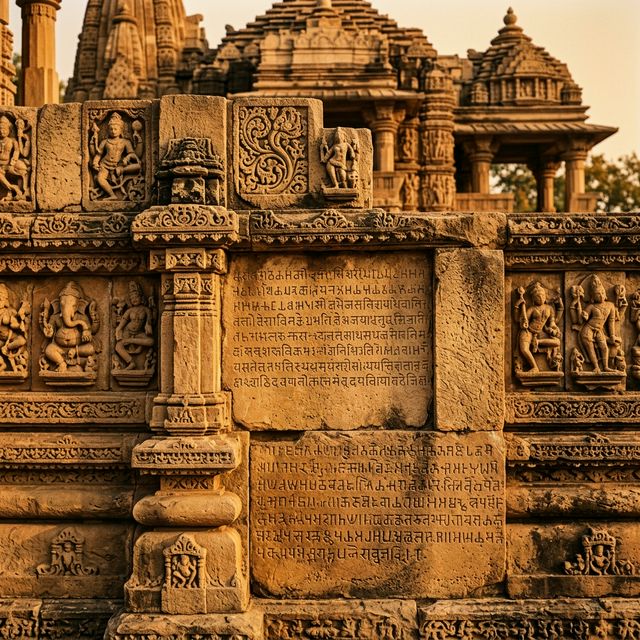
The Rewa plate of Vijayasimha, dated to the Kalacuri year 1253, Mārgaśiras, kṛṣṇa 7, corresponding to 27th October 1195 CE, is a single copper-plate inscription preserved in the British Museum. Executed in the Nāgarī script and composed in Sanskrit language, the epigraph records a land grant issued during the sovereign reign of the Kalacuri monarch Vijayadeva, also known as Vijayasimha.
The inscription opens with invocations to Brahman and Bhāratī, acknowledging the suzerainty of the Kalachuri king Vijayadeva. It traces the genealogy of the feudatory family from Dhāhilla down to Salakṣaṇavarman, who held the title of pañchamahāśabda. After worshipping Śiva at Kakaredi, Salakṣaṇavarman, who functioned as a vassal under Vijayasimha, granted the village Chhiḍauḍā, located in the Kūyīsambapālisa pattalā, to the grandsons of ṭhakkura Mādhava belonging to the Kauśila gotra. The village revenue was divided into five padas, distributed among the cousins Rāmaśarman, Gāṭheśarman, Dāmara, Pāṇḍuśarman, Paiteśarman, and Haridattaśarman. The document concludes with standard imprecatory verses, names the engraver Kūke, and notes the agricultural seed capacity of the specified field.
1. siddiḥ | svasti | nirgguṇam vyāpakam | nityam śivam paramakāraṇam | bhāvagrāhyam param jyotistasmai saddbrahmaṇe namaḥ || 1 || śuddhe hṛdayakṣetre vallīmiva dhyā-
2. yanti yām munayaḥ | mokṣamahāphalajananī brāhmo sūkṣmāpi sā jayati || 2 || paramabhaṭṭārakamahārājādhirājaparameśvaraparamamā-
3. heśvaraśrīvāmadevapādānudhyāta | paramabhaṭṭāraka mahārājādhirāja parameśvaraparama māheśvaratrikaliṅgādhipatinijabhujopārjjitā-
4. śvapatigajapatinarapatirājatrayādhipatya śrīmadvijayadevakalyāṇavijayarājye || kakareḍyām rājadhānyām dhāhillonāmābhavat | sa ca mā-
5. nyobhavatsarvvanareśvarāṇām | tasmādvājūko dandūkaścāpi kramataḥ khojūko jayavarmmā ca babhūvatadanantarau | atha jayavarmmadevāpatyam vatsarājaḥ su-
6. tobhavat | sāmantānām śiroratnam yasmājjātam śutadvayam | kīrttivarmmāsuto jyeṣṭhaḥ prāptapitṛpadaḥ svataḥ | śrīsallakṣaṇavarmmadevopi kramādrā-
7. jyamavāpa saḥ | soham samastaprakṛyupetaḥ samadhigatapañcamahāśabdā laṅkāravirājamānaśrīsalakhaṇavarmmadevo vijayī | kūyīsavapāli–
8. pattalāyām chiḍauḍā grāmanivāsinaḥ samastaprajālokānanyāmśca yathāsthānādhiṣṭhitān samājñāpayāmi bodhayāmi ca | viditamastubhavatām grā–
9. moyamasmābhiścaturāghāṭaviśuddha sajalasthalasāmramadhūkasagarttoṣaranidhinikṣepākāśotpattisva sīmāparyantasavanatṛṇapakṣikhani-
10. gocaraparyantaḥ || kauśilagotrāya kauśillaviśvāmitradevarāta tripravarāya | ṭha māghavaprapautrāya mahasoṇa putrāya rāmaśarmmaṇe brāhmaṇāya | ta-
11. thā gāṭheśarmmaṇe brāhmaṇāya tathā dāmaraśarmmaṇe brāhmaṇāya | eteṣām pada 2 | ṭha mādhavaprapautrāya | cīthu putrāya pāṇḍu śarmmaṇe brāhmaṇāya | pada 1 | ṭha
12. mādhavaprapautrāya pīthanaputrāya paiteśarmmaṇe brāhmaṇāya pada 1 | ṭha mādhavaprapautrāya śrīdharaputrāya haridattaśarmmaṇe brāhmaṇāya pa-
13. da 1 | evam grāmasya pada 5 samvatsarāṇāṃm saṃvat 1253 mārggaśiromāse kṛṣṇapakṣe saptamyām tithau śukradine kakareḍyām sthāne snātvā śivam pra-
14. pūjya mātāpitro rātmanaśca puṇyayaśovivṛddhaye etebhyo brāhmaṇebhyo grāmoyaṃ śāsanatvena pradattaḥ | matvaiṣā mājñāvidheyībhūya sarvvame–
15. tebhyaḥ pradātavyam | yatpradattā mayā mamājñāvaśagaiḥ sāmantādibhirapi pālanīyam rakṣaṇīyam ceti | bhavanti cātra puṇyaślokāḥ |
16. sarvvānetān bhāvinaḥ pārthivendrān bhūyo bhūyo yācate rāmabhadraḥ | sāmānyoyam dharmmaseturnṛpāṇām kāle kāle pālanīyo bhavadbhiḥ || 3 || śaṅkhobhadrāsanam
17. chatram varāśvo varavāraṇāḥ | bhūmidānasya cihnāni phalametatpurandara || 4 || bahubhirvvasudhā bhuktā rājabhiḥ sagarādibhiḥ | yasya
18. yasya yadā bhūmistasya tasya tadā phalam || 5 || bhūmiṃ yaḥ pratigṛhṇāti yaśca bhūmim prayacchati | ubhau tau puṇya karmmāṇau niyatau svarggagā-
19. minau || 6 || svadattām paradattām vā yo haret vasundharām | sa viṣṭhāyām kṛmirbhūtvā pitṛbhiḥ saha majjati || 7 || suvarṇṇamekam gāmekam bhūmerapyekamaṅgulam |
20. harannarakamāpnotiyāvadāhūtasamplavam || 8 || vi nāṇī śrīkūke tathā putraḥ | bīje kṣetra ṣāḍī 2 |
Verse 1
Adoration to that reality, Brahman, which is attributeless, all-pervasive, eternal, and auspicious, the ultimate cause of the universe and the supreme light conceivable by the mind!
Verse 2
Glorious is that speech on which the sages contemplate as a creeper planted in the pure field of their hearts, and which, though subtle, yields the great fruit of final emancipation.
Lines 2 and 3
During the beneficial and victorious reign of the paramabhaṭṭāraka, mahārājādhirāja, and parameśvara, the illustrious Vijayadeva, the lord of Trikaliṅga, who by his own arm has acquired suzerainty over the three kings (namely, the lord of horses, the lord of elephants, and the lord of men), and who meditates on the feet of the paramabhaṭṭāraka, mahārājādhirāja, and parameśvara, the illustrious Vāmadeva, the devout worshipper of Maheśvara:
Lines 4 to 6
There was a personage named Dhāhilla in the capital of Kakareḍī. He became venerable to all princes. From him were born in course of time Vājūka and Dandūka, and after them, Khojūka and Jayavarman. Afterwards was born Vatsarāja, a son of Jayavarmadeva and the crest-jewel of feudatory princes, from whom two sons were born. Of them, the elder son Kīrtivarman himself obtained his father’s throne, and the illustrious Salakhaṇavarmadeva also obtained the kingdom in course of time.
Line 7
I, Salakhaṇavarmadeva, being possessed of all the powers of the state, shining with the distinction of having obtained the pañca-mahāśabda, and being victorious, hereby command and inform all the subjects residing in the village Chiḍauḍā, situated in the pattalā (district) of Kūyīsambapālisa, and others established in their respective posts:
Lines 8 to 13
Be it known to you that, having bathed at the town of Kakareḍī and worshipped Śiva, we have given as a grant, on Friday, the seventh tithi of the dark fortnight of the month Mārgaśiras in the year 1253, for the increase of the religious merit and fame of our mother, our father, and ourselves, this village, divided into the following five padas, with its four boundaries well-determined, together with land and water, mango and madhūka trees, pits and barren lands, treasures and deposits, open spaces and products extending as far as its limits, along with woods, grass, birds, and mineral products; to the following Brāhmaṇas, two padas to the brāhmaṇa Rāmaśarman, son of Mahasoṇa and grandson of the ṭhakkura Mādhava, of the Kauśila gotra with the three pravaras Kauśila, Viśvāmitra, and Devarāta, the brāhmaṇa Gāṭheśarman, and the brāhmaṇa Dāmara; one pada to brāhmaṇa Pāṇḍuśarman, son of Cithu and grandson of the ṭhakkura Mādhava; one pada to brāhmaṇa Paiteśarman, son of Pīthana and grandson of the ṭhakkura Mādhava; one pada to brāhmaṇa Haridattaśarman, son of Śrīdhara and grandson of the ṭhakkura Mādhava.
Lines 14 to 17
Knowing this, you should pay all dues to them and obey their orders. What has been granted by me should be preserved and protected by future feudatory princes and others who submit to my commands.
And there are the following holy verses in this connection:
Here follow six benedictive and imprecatory verses.
The engravers were the illustrious Vināṇī Kūke and his son. The field requires two khāris of grain for seed.
| Dynasty: | Kalacuri |
| Ruler: | Vijayasimha |
| Date: | 27th October 1195 CE, Friday (Mārgaśiras kṛṣṇa 7, varṣa 1253) |
| Place: | The British Museum, London |
| Donor: | Salakṣaṇavarman |
| Donee: | Six brāhmaṇa belonging to the Kauśila gōtra |
| Language: | Sanskrit |
| Script: | Nāgarī |
| Religion: | Vedic |
| Nature of grant: | Royal donation, Land donation |
| Purpose: | To officially record the donation of the village Chhiḍauḍā to six brāhmaṇa scholars |
| Provenance of inscription: | Rewa, Madhya Pradesh |
| Type of Inscription: | Copperplate grant |
| Source: |
Bibliography & Research
Cunningham, A. (1924). Annual Report of the Archaeological Survey of India 1920-1921. Archaeological Survey of India.
- Kielhorn, F. (1888). Four Rewa Copper-Plate Inscriptions. Indian Antiquary, XVII, 224-236, here 227-230.
- Mirashi, V. V. (Ed.). (1955). Corpus Inscriptionum Indicarum Inscriptions of the Kalachuri Chedi Era. In (Vol. Vol 4 (Part 1), cvii-cviii and 358-363. Archaeological Survey of India.
