
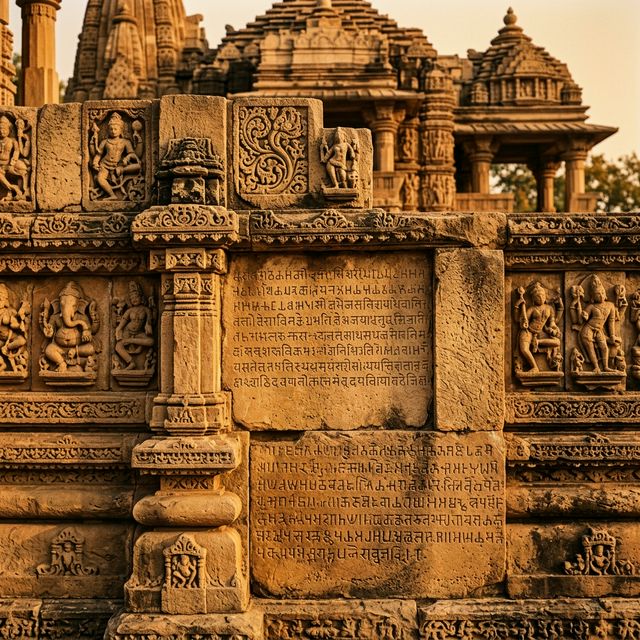
The Prince of Wales Museum plates of Jayabhaṭa IV, were issued during the month of Āśvina, vadya 15, Kalacuri year 486, corresponding to 9th October 736 CE. Although the exact find-spot remains unknown, the two copper plates provide a comprehensive genealogy from Dadda II to Jayabhata IV. Engraved in the Brāhmī script and composed in Sanskrit language, this charter is particularly important for filling a critical gap in the Early Gurjara dynastic sequence as it mentions king Ahirora, son of Jayabhaṭa III and father of Jayabhaṭa IV.
The inscription records a royal land grant by Jayabhaṭa IV, who is described as a devout worshipper of Maheśvara. The donor granted the village of Mannatha, located in the Bharukachchha district (modern Bharuch, Gujarat), to a brāhmaṇa named Acchada, son of Ādityanāga. The beneficiary belonged to the Kauṇḍinya gotra and was a practitioner of the Mādhyamdina śākhā of the White Yajurveda. This brahmadāya was intended to facilitate the performance of the five great sacrifices, including agnihotra and vaiśvadeva. The charter, executed on the amāvāsyā of Āśvina, ensures the transfer of various rights, including grain and gold taxes, while prohibiting the entry of irregular troops. It concludes with the sign-manual of the king and identifies mahābalādhikṛta Saṅgulla as the scribe.
First Plate
1. siddham | svasti | ……………. satatalakṣmīnivāsabhūte tṛṣṇāsantāpahāriṇidinanāthavistāritānubhāve dvijaku-
2. lopajīvyamānavibhavaśālini mahati mahārājakarṇṇānvaye kamalākara iva rājahamsaḥ prabalakalikāla-
3. vilasitānākulitavimalasvabhāvo gambhīrodāracaritavismāpitasakalalokapālamānasaḥ parameśvaraśrīharṣadevābhibhūtava-
4. labhīpativaritrāṇopajātabhramadadabhraśubhrābhravibhramayaśovitānaḥ śrīdaddastasya sūnuraśaṅkitāgatapraṇayi–
5. janopabhuktavibhavasañcayopacīyamānamanonirvṛtirane kakaṇṭakavamśasandohadāhadurllalitapratāpānalo ni–
6. śitanirstrimśadhārādāritārātikarikumbhamukta muktāphalacchalollasitasitayaśomśukāvaguṇṭhitadigvadhūvadanasara–
7. sijaḥ śrījayabhaṭastasyātmajo mahāmunimanupraṇītapravacanādhigamavivekasvadharmmānuṣṭhāna pravīṇo varṇṇāśrama–
8. vyavasthonmūlitasakalakalikālāvalepaḥ praṇayijanamanorathavajaya vyatītavibhavasampādanāpanītāśeṣa-
9. pārtthivadānābhimāno madavivaśāṅkuśātivarttikupitakarinivāraṇaprathitagurugajādhirohaṇaprabhāvo vipa-
10. tprapātapatitanarapatiśatābhyuddharaṇanikhilalokaviśrutaparopakāraka raṇavyasanaḥ prācyapratīcyādhirājavijṛmbhi-
11. ta mahāsamgrāmanarapatisahasraparivāritānekagajaghaṭā vighaṭanaprakaṭitabhujavīryyavikhyātabāhusahāyāpa-
12. ranāmā paramamāheśvaraḥ samadhigatapañcamahāśabdaḥ śrīdaddastasya sūnuranekasamarasamghaṭṭaghanaghaṭitagajagha-
13. ṭāpāṭanapaṭurasahiṣṇuvanagahanadāvānalo dīnānāthāturasuhṛtsvajanabandhukumudākarakaumudīniśākarobhāgī-
14. rathīpravāha iva vipakṣakṣobhakṣamaḥ śāntanuriva samudbhūtakalakalārāvamahāvāhinīpatirādivarāha iva svabhujabala-
15. parākramoddhṛtadharādharaḥ paramamāheśvaraḥ samadhigatapañcamahāśabdo mahāsāmantādhipatiḥ śrījayabhaṭastasya sutaḥ śauryya-
16. daṇḍodayottuṅgottamāṅgabhūpālamaulimālācumbitacaraṇayugalaḥ sakalābhigāmikādiguṇānurāganirbbharama-
17. nasā svayam vṛto rājalakṣmyā kaumudīndudīdhiticakravālavimalayaśaḥ śekharitameruśikharo raṇāṅgaṇāgatavaravai-
18. rivāraṇaghaṭākoṭikuṭṭākadorddaṇḍaścaturvvidyādhigamopabṛmhita prajñātiśayasamyakpravarttitanītimārggānurañjita-
19. prakṛtiḥ prakṛtikalyāṇāśayatvādaspṛṣṭaḥ kalikālakālimnā sannihitayauvanopanatānantaviṣayopabhogasaukhye
20. sahajaśatrutayā vaśīkṛtendriyagrāmaḥ ṣāḍguṇyaprayoganipuṇaḥ śaktitrayopacitamahimā paramamāheśvaraḥ sama-
21. dhigatapañcamahāśabdamahāsāmantādhipati śrīmadahirolastasya sakalabhuvanatilakasyātmajo nijaguṇagaṇamālālam–
22. kṛtonekanarendravṛndārakavṛndavanditacaraṇāravindadvayaḥ kundendusitasinduvārakusumadhavalayaśaḥ sudhādha-
23. valitasakaladharāmaṇḍalaḥ pracaṇḍa pratāpānalakavalitākhilajagadupaplavo durvvāraśarāsārasamutsārita-
24. sakalārāticakravālaḥ pradhānapradhanapradhā vitaprakaṭakarighaṭāpāṭanapaṭuḥ caṭularaṇāṅgaṇāvaṅganaraṅga-
25. ṇatuṅgaturaṅgamanikarabhaṅgabhāsuro drutadalitadviradakumbhasthalagalitamuktāphalanikaradanturāsilatāmarīcinicaya-
26. me cakitadakṣiṇabāhuśikhara padmākara iva prakaṭānekalakṣaṇo na punarjjalāśayaḥ kṣapākara iva
27. sakalakalākalāpānvito na punarddoṣākaraḥ sāgara ivāntaḥ praveśitavipakṣabhū-
28. bhṛnmaṇḍalo na punaḥ grāhākulaḥ nārāyaṇa iva sudarśanacakra–
Second Plate
29. kṣapita vipakṣo na punaḥ kṛṣṇasvabhāvaḥ hara ivāṅgīkṛtabhūtinicayaḥ na punarbhujaṅgapa-
30. rivṛtaḥ | bālendubimbapratimena yena pravarddhamānasvatanūdayena | praṇāmakāmolpakareṇa lo-
31. kaḥ kṛtāñjaliḥ kāntimatā kṛtoyam || 1 || asidhārājalaśāmitaḥ prasabham balabhīpateḥ pure yena janasam–
32. tāpakalāpadatajjikānalo jayabhaṭa jalada eṣaḥ || 2 || sa vigīyate devavadhūkadambairnṛpaśatamakuṭaratnakiraṇāvali-
33. rañjitapādapaṅkajaḥ samadhigatapañcamahāśabdamahāsāmantādhipatiśrījayabhaṭaḥ kuśalī sarvvāneva rājasā-
34. mantaviṣayapatirāṣṭragrāmamahattarādhikārikādīn samanudarśayatyastuvaḥ samviditam yathā mayā mātāpitro-
35. rātmanaścaihikāmuṣmikapuṇyayaśobhivṛddhaye lohikakṣapathakāhāra vinirggatatattraividyasāmānyakauṇḍinyasagotra-
36. vājimādhyandinasabrahmacāriheṭāvukabrāhmaṇāditya nāgaputrabhaṭṭāccaḍāya | bali caruvaiśvadevāgnihotrātithipañca-
37. mahāyajñādikriyotsarpaṇārttham śrībharukacchaviṣayāntarggatamannāthagrāmaḥ sodraṅgaḥ soparikaraḥ sabhūtavātapratyāyaḥ
38. sadhānyahiraṇyādeyaḥ sadaśāparādhaḥ sotpadyamānaviṣṭikaḥ acāṭabhaṭapraveśyaḥ sarvvarājakīyānāmahastaprakṣepaṇī–
39. yaḥ pūrvvaprattadevabrahmadāyarahitaḥ bhūmicchidranyāyenācandrārkkārṇṇa vakṣitisaritparvvatasamakālīnaḥ putrapautrānvaya-
40. kramopa bhogyodyāśvayujamāsāmāvāsyāyām udakātisarggeṇa brahmadāyatvena pratipādito yatosyocitayābrahma-
41. dāyasthityā bhujataḥ kṛṣaṭaḥ karṣayataḥ pratidiśato vā na kaiścidvyā sedhe varttitavyamāgāmibhadranṛpatibhirayamasmadvamśyai-
42. ranyairvvāyamasmaddāyonumantavyaḥ pālayitavyaśca | yaścājñānatimirapaṭalāvṛtamatirācchindyādācchidyamamānakam vānumodeta sa
43. pañcabhirmahāpapātakaissopapapātakakaiśca samyuktaḥ syāditi | uktam ca bhagavatā vedavyāsena vyāsena | ṣaṣṭi varṣa sahasrāṇi svargge ti–
44. ṣṭhati bhūmidaḥ | ācchettā cānumantā ca tāsvenyeva narake vaset || 3 || vindhyāṭavīṣvātoyāsu śuṣkakoṭaravāsinaḥ | kṛṣṇāhayo hi
45. jāyante bhūmidāyam haranti ye || 4 || bahubhirvvasudhā bhuktā rājabhiḥ sagarādibhiḥ | yasya yasya yadā bhūmistasya tasya tadā phalam || 5 ||
46. agneraptyam prathamam suvarṇam bhūrvvaiṣṇavīsūryya sutāśca gāvaḥ | lokatrayam tena bhavedbhi dattam yaḥ kāñcanam gāñca mahīm
47. ca dadyāt || 6 || yānīha dattāni purā narendraiḥ dānāni dharmmārthayaśaskarāṇi nirbhuktamālyapratimāni tāni ko nāma sā–
48. dhuḥ punarādadīta || 7 || svadattām paradattām vā yatnādrakṣa yudhiṣṭhira | mahīm mahimatām śreṣṭha dānācchreyonupālanam || 8 || iti |
49. bhaṭṭaśrīde iyakadūtakam || samvatsaraśatacatuṣṭaye ṣaḍaśītyadhike āśvayujabahulapañcadaśyām
50. samvat 400 80 6 āśvayuja va 10 5| likhitañcaitanmayā balalādhikṛtāllasutamahābalādhikṛta-
51. samgullena ||
52. svahasto mama śrījayabhaṭasya ||
Lines 1 to 4
Success! Hail:
In the great lineage of the mahārāja Karṇa which, like a lake full of lotuses, has become the perpetual abode of Lakṣmī; which allays the suffering caused by desire for wealth, as a lake quenches thirst for water; which has its greatness enhanced by the sun; and which shines with prosperity affording support to the families of brāhmaṇas, as a lake gives shelter to multitudes of birds, there was, like a swan, the illustrious Dadda II; whose pure disposition was not affected by the freaks of the powerful Kali age; who, by his inscrutable and noble deeds, excited the wonder of all the guardians of the world; and who possessed a canopy of glory having the grace of a moving, large, white cloud, which had sprung from his protection of the King of Valabhī when he was attacked by the Emperor, the illustrious Harṣadeva.
Lines 5 and 6
His son was the illustrious Jayabhaṭa II; the joy of whose mind was heightened as his stores of wealth were enjoyed by supplicants who fearlessly approached him; whose valour was nurtured by the destruction of the families of many foes, even as fire is fed by the burning of a mass of thorns and bamboos; and who covered the lotus-like faces of the damsels of the cardinal regions with the shining white garment of his fame, in the guise of pearls from the frontal lobes of the elephants of his enemies, cleft by the sharp edge of his sword.
Lines 7 to 12
His son was the illustrious Dadda III; who was clever in performing his duty through discrimination acquired by the study of the sacred treatise composed by the great sage Manu; who, by maintaining the institutions of varṇas and āśramas, completely uprooted the pride of the Kali age; who annihilated the vanity of all kings by spending in charity the wealth he had acquired in excess of the desires of his supplicants; whose valour in mounting mighty elephants, uncontrollable through rut, had grown restive under the goad; whose habit of performing acts of benevolence was celebrated throughout the world through his deliverance of hundreds of kings who had fallen under the blow of adversity; whose second name, Bāhusahāya, meaning "one whose arm is the sole helper," became renowned through the valour of his arm exhibited in routing numerous hosts of elephants in the great wars fought with the supreme rulers of the east and the west; and who was a devout worshipper of Maheśvara and attained the pañcamahāśabda.
Lines 13 and 14
His son, the illustrious Jayabhaṭa III, who is clever in destroying the hosts of elephants thickly arrayed in the clash of many battles; who is a wild fire in burning the forests of the rebellious; who is to the destitute, helpless, and distressed people, friends, servants, and relatives as the full moon is to clusters of lotuses; who is able to confound his adversaries as the current of the Bhāgīrathī is to undermine the opposite banks; who is the commandant of a large and boisterous army, even as Śāntanu was the lord of a great and noisy river; and who has rescued kings by the might and valour of his arm, even as the primeval Boar rescued the earth; who is a devout worshipper of Maheśvara and has attained the pañcamahāśabda.
Lines 15 to 20
His son was the illustrious Ahirola, the pair of whose feet was kissed by the crest-wreaths of kings who held their heads on high by reason of their valour and army; who was freely chosen by the goddess of fortune, her mind being overpowered by love for all his attractive royal qualities and other excellences; who provided the peaks of the Meru mountain with the crest of his fame, spotless like the mass of lunar rays on the full-moon day; whose staff-like arm was wont to destroy crores of excellent elephant hosts of the enemies on the battlefield; who delighted his subjects with the paths of moral conduct properly laid by his great wisdom enhanced by the acquisition of the four lores; who, noble-minded as he was by nature, was not affected by the blackness of the Kali age; who, being naturally averse to pleasures derived from the enjoyment of innumerable objects close at hand which were presented by his youth, controlled all his sense organs; who was adept in the use of the six measures of policy; whose greatness was increased by the triad of powers (śaktis); who was the devout worshipper of Maheśvara, attained the pañcamahāśabda, and was the lord of the great feudatories.
Lines 21 to 29
The son of him, who was an ornament of the whole world, is the illustrious Jayabhaṭa IV, who is adorned with the wreaths of his numerous virtues; the pair of whose lotus-like feet is saluted by many hosts of eminent kings; who has whitewashed the whole orb of the earth with his fame, which in brightness resembles kunda flowers, the moon, and white sinduvāra flowers; whose extremely terrible fire of valour has put an end to the troubles of the whole world; who with the showers of his irresistible arrows has routed the hosts of all his foes; who is clever in piercing the crowds of elephants that are openly made to charge in great wars; who appears resplendent by his destruction of troops of swift and tall horses that trot and prance about on the battlefield; the top of whose right arm becomes dark-blue with the multitude of rays from his creeper-like sword, which becomes uneven with clusters of pearls from the frontal globes of elephants cleft in haste; who has manifested many auspicious marks, as a lotus-pool exhibits cranes, but who (unlike the lotus-pool, which contains a store of water) has not an insensible heart; who has acquired the multitude of all fine arts even as the moon contains all digits, but who (unlike the moon, which marks the night) has no blemish; who has given refuge to a multitude of hostile princes as the ocean gave shelter to a number of wingless mountains, but who (unlike the ocean, which is infested by alligators) is not affected by greed; who destroys his enemies with his well-equipped army just as Nārāyaṇa (Viṣṇu) does with his discus, Sudarśana, but who (unlike Nārāyaṇa, who is dark-complexioned) is not evil-intentioned; who has acquired abundant prosperity just as Śiva takes a large quantity of ashes to smear his body with, but who (unlike Śiva, whose body is entwined by serpents) is not surrounded by dissolute men.
Lines 30 to 33
He, the illustrious Jayabhaṭa, who is praised in songs by assemblages of the wives of gods; whose lotus-like feet are reddened by the lines of the rays of jewels set in the diadems of hundreds of kings; who has attained the pañcamahāśabda and is the lord of the great sāmantas (feudatory chiefs), being in good health, addresses the following order to all kings, feudatories, bhogikas, heads of viṣayas, the mahattaras of rāṣṭras and villages, officials, and others:
Lines 34 to 39
Be it known to you that for the increase of the religious merit and fame, in this world and the next, of my mother and father and of myself, I have today, on the new-moon day of the month Āśvina, granted with a libation of water as a brahmadāya, the village Mannātha situated in the famous viṣaya of Bharukaccha, together with the udraṅga and the uparikara, with taxes on things manufactured or imported, with its income in grain and gold, with the fines imposed for the ten offences, with the right of forced labour arising therefrom; which is not to be entered by cāṭas and bhaṭas; which is to be free from interference of all officers of the state; exclusive of all grants previously made to gods and brāhmaṇas; which is to be enjoyed by a succession of sons and sons' sons, as long as the moon, the sun, the ocean, the earth, rivers, and mountains will endure, according to the maxim of waste land, to Bhaṭṭa Āccaḍa, the son of the brāhmaṇa Ādityanāga of the Heṭāvuka sub-caste of the Kauṇḍinya gotra, who is a student of the Mādhyandina śākhā of the Vājasaneya, who has emigrated from the āhara and pathaka of Lohikakṣa and belongs to the community of the Trivedins of that place, for the performance of the five great sacrifices: bali, caru, vaiśvadeva, agnihotra, and the reception of guests and such other religious rites.
Lines 40 to 42
Wherefore, none should cause obstruction while he is enjoying it, cultivating it, or causing it to be cultivated in accordance with the rules applicable to brahmadāya land. And future gracious kings, whether born in our family or others, should consent to this our gift and preserve it! Whoever, with his mind shrouded by the veil of the darkness of ignorance, would confiscate it or allow it to be confiscated, shall incur the five great sins together with the minor sins.
Lines 43 to 48
And it has been said by the holy Vyāsa, the redactor of the Vedas:
(Here follow six benedictive and imprecatory verses).
Lines 49 to 52
This charter, the dūtaka of which is the Bhaṭṭa, the illustrious Deiyaka, has been written by me, the mahābalādhikṛta Saṅgulla, the son of the balādhikṛta Alla, on the fifteenth tithi of the dark fortnight of Āśvayuja in the year four hundred increased by eighty-six, the year 486, the month Āśvayuja, the dark fortnight, the lunar day 15.
This is the sign manual of me, the illustrious Jayabhaṭa.
| Dynasty: | Gurjara |
| Ruler: | Jayabhaṭa IV |
| Date: | 9th October 736 CE (Āśvina, vadya 15, varṣa 486) |
| Place: | Chhatrapati Shivaji Maharaj Vastu Sangrahalaya |
| Donor: | Jayabhaṭa IV |
| Donee: | Brāhmaṇa Acchada |
| Language: | Sanskrit |
| Script: | Brāhmī |
| Occasion: | A new moon day |
| Religion: | Vedic |
| Nature of grant: | Land donation |
| Purpose: | To perform the religious rites including bali, caru, vaiśvadeva, and agnihotra |
| Type of Inscription: | Copperplate grant |
| Source: |
Bibliography & Research
- Acharya, G. V. (1935). No 23. A Grant of Gurajara King Jayabhatta III [Kalachuri] Year 486. Epigraphia Indica, XXIII, 147-155.
- Mirashi, V. V. (Ed.). (1955). Corpus Inscriptionum Indicarum Inscriptions of the Kalachuri Chedi Era. In (Vol. Vol 4 (Part 1), li-lvii and 102-109. Archaeological Survey of India.

The eulogy of Jayabhaṭa IV reiterates his military intervention at Valabhi against the Tajjikas (Arabs), reinforcing the historical reality of the Umayyad campaigns in western India during the 8th century CE.