
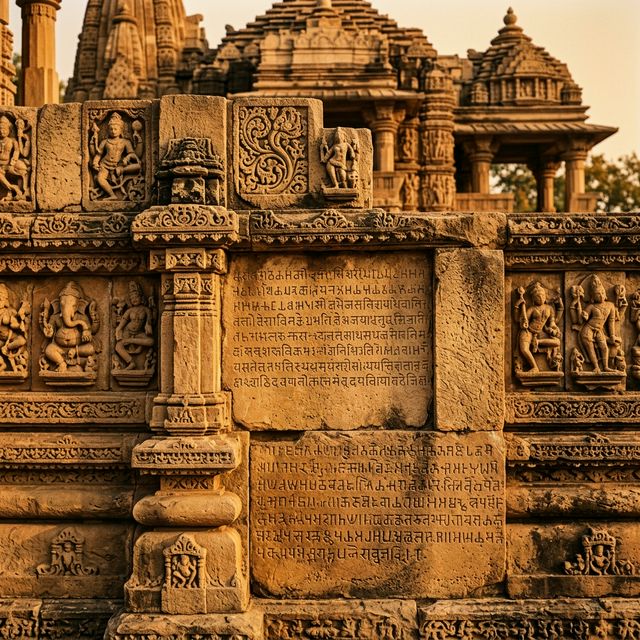
Issued on Māgha śuddha 15th tithi, Kalacuri year 456 corresponding to Tuesday, 2nd February 706 CE, the Navsari plates record a significant land grant by the Gurjara ruler Jayabhata III. The charter is inscribed on two copper plates in Sanskrit language utilising the Brāhmī script.
Issued from the camp at Kāyvatāra, the inscription records the donation of sixty-four nivartanas of land in the village Śamīpadraka within the Korillā subdivision to the brāhmaṇa Devasvamin. The recipient, a student of the Madhyandina śakha of the White Yajurveda from Girinagara, received the field to sustain the five great sacrifices and hospitality rites. Boundaries of the field are meticulously defined by local landmarks like the Yamalakhallara tank and a barber's field. Granted on the occasion of a lunar eclipse, the charter confers various administrative immunities and tax rights, including udranga and uparikara. The charter was drafted by mahabaladhikṛta Keśava and executed by the dutaka Bāvulla.
First Plate
1. siddham svasti | śrīkāyāvatāravāsakāt satatalakṣmīnivāsabhūte | tṛṣṇāsantāpahāriṇi | dinanāthvi-
2. stāritānubhāve | dvijakulopajīvyamānavibhavaśālini | mahati mahārājakarṇānvaye | kamalā kara iva rā–
3. jahamsaḥ prabalakalikālavilasitākulitavimalasvabhāvo gambhīrodāracaritavismāpitasakalokapā-
4. lamānasaḥ parameśvaraśrīharṣadevābhibhūtavalabhīpati paritrāṇopajātabhramadadabhraśubhrābhravibhrama-
5. yaśovitānaḥ śrīdaddastasya sūnuraśaṅkitāgatapraṇayijanopabhuktavibhavasañcayopacīyamānamano–
6. nirvṛtiranekakaṇṭakavamśasamdohadāhadurllalitapratāpānalo niśita nistrimśa dhārādāritārātikari–
7. kumbhamuktāphalacchalollasitasitayaśomśukāvaguṣṭhitadigvadhūvadanasarasijaḥ śrījayabhaṭastasyātmajo ma–
8. hāmunimanupraṇītapravacanādhigamavivekasva dharmmānuṣṭhānapravīṇo varṇṇāśramavyavasthonmūlitasaka-
9. lakalikālāvalepaḥ praṇayijanamanorathaviśaya vyatītavibhavasampādanāpanītāśeṣapārtthivadānā–
10. bhimāno madavivaśāṅkuśātivarttikupitakarinivāraṇaprathitaguru gajādhirohaṇaprabhāvo vipatprapāta–
11. patitanarapatiśatābhyuddharaṇanikhilalokaviśrutaparo pakārakaraṇavyasanaḥ prācyapratīcyādhirāja-
12. vijṛmbhitamahāsaṅgrāmanarapatihasraparivāritāneka gajagaṭāvighaṭanaprakaṭitabhujavīryya vi-
13. khyātabāhusahāyāparanāmā | paramamāheśvaraḥ samadhigatapañcamahāśabdaśrīdaddastasya sūnura–
14. nekasamarasaṅghaṭṭaghanaghaṭitagajaghaṭāpāṭana paṭurasahiṣṇuvanagahanadāvānalo dīnānāthā-
15. turasuhṛtsvajanabandhukumudākarakaumudīniśākaraḥ bhāgīrathīpravāha iva vipakṣakṣobhakṣamaḥ śāntanu–
16. riva samudbhūtakalakalārāvamahāvāhinīpatiḥ ādivarāha iva svabhujabalaparākramodghṛtadharādharaḥ pa–
17. ramamāheśvaraḥ samadhigatapañcamahāśabdaśrījayabhaṭaḥ kuśalī | sarvvāneva rājasāmanta bhogika viṣaya-
18. patirāṣṭragrāmamahattarādhikārikādīnsamanudarśayati | astu vaḥ samviditam | yathā mayā mātāpitrorātma-
19. naścaihikāmuṣmikapuṇyayaśobhivṛddhaye | girinagaravinirggataśraddhikāgrahāravāstavyataccāturvvidyasāmānya–
20. prāvāyana sagotravāja saneya mādhyandinasa brahmacāribrāhmaṇadattaputrabrāhmaṇadevasvāmine | asmatkṛ-
21. taprakāśanāmakallumbarāya balicaruvaiśvadevāgnihotrātithipañcamahāyajñādikriyotsarppaṇā-
22. rttham | korillāpathakāntarggataśamīpadrakagrāme pūrvvottarasīmni | catuṣṣaṣṭibhūnivarttanapramāṇam
Second Plate
23. kṣetram | yasyāghāṭanāni pūrvvato golikāgrāmasīmāsandhiḥ dakṣiṇato yamalakhallarābhidhā-
24. nataḍākam | tathā mahattaramāheśvarasatkakṣetram || nāpitadevakasatkavāpakakṣetrañca | aparataḥ śamī-
25. padrakagrāmādeva ghāhaddhagrāmayāyī panthāḥ uttarato baruṭakhallarābhidhānam taḍākam | tathā
26. korillāvāsibrāhmaṇanarmmasatkabrahmadeyakṣetrañca | evamidam caturāghāṭanopalakṣitakṣetram | sodraṅgam sopa-
27. rikaram | sabhūtavātapratyāyam | sadhānyahiraṇyādeyam | sadaśāparādham sotpadyamānaviṣṭikam | gṛhasthāvaracala-
28. ka | rathyā | praveśa | nirggama | samcara | catuṣpadapracāra | vāpī | kūpa | taḍāka | padropajīvyasametam || sarvvarā–
29. jakīyānāmahastaprakṣepaṇīyam pūrvvaprattadevabrahmadāyarahitam | bhūmicchidranyāyenācandrārkkārṇṇa–
30. vakṣitisaritparvvatasamakālīnam | putrapautrānvayakramopabhogyamadya māghaśuddhapañcadaśyām | candropa–
31. rāge | puṇyatithāvudakātisarggeṇa brahmadāyatvena pratipāditam | yatosyocitayā | brahmadā-
32. yasthityā bhuñjataḥ kṛṣataḥ karṣayataḥ pratidiśato vā na kaiścidvyāsedhe vartitavyamāgāmibhadranṛ-
33. patibhirasmadvamśyairanyairvvāyamasmaddāyonumantavyaḥ pālayitavyaśca | yaścājñānatimirapaṭalā–
34. vṛtamatirācchindyādācchidyamānam vānumodeta | sa pañcabhirmmahāpātakaiḥ sopapātakaiḥ samyuktaḥ syāditi | u-
35. ktañca bhagavatā vedavyāsena vyāsena | ṣaṣṭim varṣasahasrāṇi svargge tiṣṭhati bhūmidaḥ | ācchettā cānumantā
36. ca tānyeva narake vaset || 1 || vindhyāṭavīṣvatoyāsu śuṣkakoṭaravāsinaḥ | kṛṣṇāhayo hi jāyante bhūmidā-
37. yam haranti ye || 2 || bahubhirvvasudhā bhuktā rājabhiḥ sagarādibhiḥ | yasya yasya yadā bhūmistasya tasya tadā phalam || 3 ||
38. agnerapatyam prathamam suvarṇṇam bhūrvvaiṣṇavī sūryyasutāśca gāvaḥ | lokatrayam tena bhavettu dattam yaḥ kāñcanam gām
39. ca mahīñca dadyāt || 4 || yānīha dattāni purā narendrairddānāni dharmmārtthayaśaskarāṇi | nirvbhūktamālyapratimā–
40. ni tāni ko nāma sādhuḥ punarādadīta || 5 || svadattām paradattām bā yatnādrakṣa yudhiṣṭhira | mahīm matimatām śreṣṭha
41. dānāchreyonupālanam || 6 || samvatsaraśatacatuṣṭaye ṣaṭpañcāśaduttarake māghaśuddhapañcadaśyām likhitamidam
42. …………. bhogikaputramahābalādhikṛtakeśaveneti || balādhikṛtabāvulladūtakam || sam 400 50 6
43. māgha śu 10 5 bhaumavāre nibaddham ||
44. svahasto mama śrījayabhaṭasya ||
Lines 1 to 4
Success! Hail! From the camp at the famous Kāyāvatāra:
In the great lineage of the mahārāja Karṇa which, like a lake full of lotuses, has become the perpetual abode of Lakṣmī; which allays the suffering caused by desire for wealth, as a lake quenches thirst for water; which has its greatness enhanced by the sun; and which shines with prosperity affording support to the families of Brāhmaṇas, as a lake gives shelter to multitudes of birds, there was, like a swan, the illustrious Dadda [II]; whose pure disposition was not affected by the freaks of the powerful Kali age; who, by his inscrutable and noble deeds, excited the wonder of all the guardians of the world; and who possessed a canopy of glory having the grace of a moving, large, white cloud, which had sprung from his protection of the King of Valabhī when he was attacked by the Emperor, the illustrious Harṣadeva.
Lines 5 and 6
His son was the illustrious Jayabhaṭa [II]; the joy of whose mind was heightened as his stores of wealth were enjoyed by supplicants who fearlessly approached him; whose valour was nurtured by the destruction of the families of many foes, even as fire is fed by the burning of a mass of thorns and bamboos; and who covered the lotus-like faces of the damsels of the cardinal regions with the shining white garment of his fame, in the guise of pearls from the frontal lobes of the elephants of his enemies, cleft by the sharp edge of his sword.
Lines 7 to 12
His son was the illustrious Dadda [III]; who was clever in performing his duty through discrimination acquired by the study of the sacred treatise composed by the great sage Manu; who, by maintaining the institutions of varṇas and āśramas, completely uprooted the pride of the Kali age; who annihilated the vanity of all kings by spending in charity the wealth he had acquired in excess of the desires of his supplicants; whose valour in mounting mighty elephants, uncontrollable through rut, had grown restive under the goad; whose habit of performing acts of benevolence was celebrated throughout the world through his deliverance of hundreds of kings who had fallen under the blow of adversity; whose second name, Bāhusahāya, meaning one whose arm is the sole helper, became renowned through the valour of his arm exhibited in routing numerous hosts of elephants in the great wars fought with the supreme rulers of the east and the west; and who was a devout worshipper of Maheśvara and attained the pañcamahāśabda.
Lines 13 to 17
His son, the illustrious Jayabhaṭa [III], who is clever in destroying the hosts of elephants thickly arrayed in the clash of many battles; who is a wild fire in burning the forests of the rebellious; who is to the destitute, helpless, and distressed people, friends, servants, and relatives as the full moon is to clusters of lotuses; who is able to confound his adversaries as the current of the Bhāgīrathī is to undermine the opposite banks; who is the commandant of a large and boisterous army, even as Śāntanu was the lord of a great and noisy river; and who has rescued kings by the might and valour of his arm, even as the primeval Boar rescued the earth, who is a devout worshipper of Maheśvara and has attained the pañcamahāśabda; being in good health, addresses the following order to all kings, feudatories, bhogikas, heads of viṣayas, the mahattaras of rāṣṭras and villages, officials, and others:
Lines 18 to 30
Be it known to you that for the increase of the religious merit and fame, in this world and the next, of my mother and father and of myself, I have today on the occasion of an eclipse of the moon on the auspicious day of the fifteenth tithi of the bright fortnight of Māgha granted with a libation of water, as a brahmadāya, a field measuring sixty-four nivartanas of land on the north-east boundary in the village Śamīpadraka situated in the Korillā pathaka. The boundaries are as follows: on the east, the junction with the boundary of the village Golikā; on the south, the tank called Yamalakhallara, the field belonging to the mahattara Maheśvara, and the cultivated field belonging to the barber Devaka; on the west, the road that goes to the village Dhāhaddha from the village Śamīpadraka itself; and on the north, the tank called Baruṭakhallara and the brahmadeya field belonging to the brāhmaṇa Narma residing at Korillā. This field, thus defined by its four boundaries; together with the udraṅga and the uparikara; with taxes on things manufactured or imported; with its income in grain and gold; with fines imposed for the ten offences; with the right to forced labour arising therefrom; with houses, immovables and movables, streets, and the rights of ingress, egress, and free movement; with pasture lands for four-footed animals, step-wells, wells, and tanks; free from the interference of all officers of the state; and exclusive of grants previously made to gods and brāhmaṇas, is to be enjoyed according to the maxim of waste land, successively by sons, sons’ sons, and their descendants as long as the moon, the sun, the ocean, the earth, rivers, and mountains will endure, by the brāhmaṇa Devasvāmin (also known by the name Kallumbara which we have given him); son of the brāhmaṇa Dattā, of the Prāgāyaṇa gotra, a student of the Mādhyanadina śākhā of the Vājasaneya; who has emigrated from Girinagara and now resides at the agrahāra of Śraddhikā; for the performance of the five great sacrifices: bali, caru, vaiśvadeva, agnihotra, reception of guests, and other religious rites.
Lines 31 to 33
Wherefore, none should cause obstruction while he is enjoying it, cultivating it, or causing it to be cultivated in accordance with the rules applicable to brahmadāya land. And future gracious kings, whether born in our family or others, should consent to this our gift and preserve it! Whoever, with his mind shrouded by the veil of the darkness of ignorance, would confiscate it or allow it to be confiscated, shall incur the five great sins together with the minor sins.
Lines 34 to 40
And it has been said by the holy Vyāsa, the redactor of the Vedas:
(Here follow six imprecatory and benedictive verses).
Lines 41 to 44
This charter has been written by the mahābalādhikṛta Keśava, the son of the Bhogika …………, on the fifteenth tithi of the bright fortnight of Māgha in the year four hundred increased by fifty-six. The dūtaka of this charter is the balādhikṛta Bāvulla. Recorded on Tuesday, the month Māgha, the bright fortnight, the lunar day 10 and 5, in the year 400 and 50 and 6.
This is the sign-manual of me, the illustrious Jayabhaṭa [III].
| Dynasty: | Gurjara |
| Ruler: | Jayabhaṭa III |
| Date: | Tuesday, 2nd February 706 CE (Māgha, śukla 15, varṣa 456) |
| Donor: | Jayabhaṭa III |
| Donee: | Brāhmaṇa Dēvasvāmin |
| Language: | Sanskrit |
| Script: | Brāhmī |
| Occasion: | Lunar eclipse |
| Religion: | Vedic |
| Nature of grant: | Land donation |
| Purpose: | To perform the religious rites including bali, caru, vaiśvadeva, and agnihotra |
| Provenance of inscription: | Navsari, Gujarat |
| Type of Inscription: | Copperplate grant |
| Source: |

Line 2 of this charter mentions a Gurjara king claiming descent from the Mahābhārata hero Karṇa, which reflects an early medieval shift toward Puranic legitimacy.