
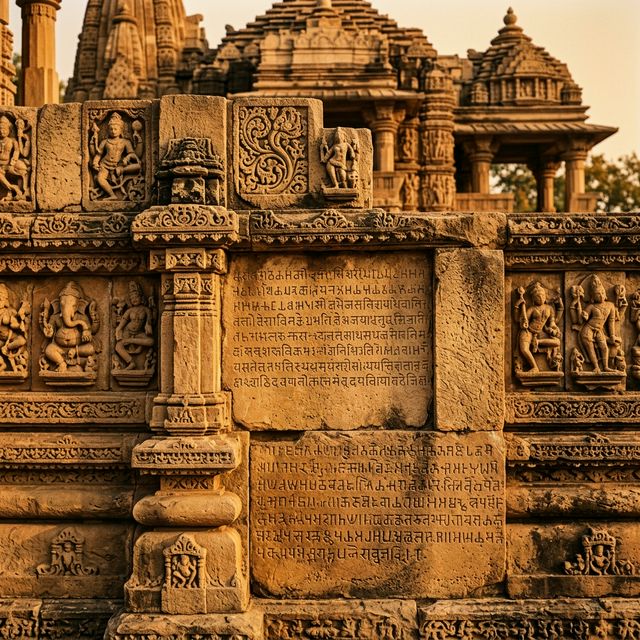
This single copper-plate, preserved in the British Museum, represents the first part of a two-plate charter issued by the Kalacuri king Karṇa. Discovered in Uttar Pradesh, the first plate contains twenty-one lines of Sanskrit text executed in the Nāgarī script.
The text opens with invocations to Brahman and Brāhmī, followed by the genealogy of the Haihaya (Kalacuri) rulers. The lineage is traced from the mythical ancestors Candra, Budha, Purūravas, Bharata, and Kārtavīrya to the historical Kalacuri monarchs. It praises Lakṣmaṇarāja II for his victories over Baṅgāla, Pāṇḍya, Lāṭa, Gurjara, and Kāśmīra, and subsequently extols the reigns of Yuvarājadeva II and Kokalla II. The praśasti celebrates Gāṅgeyadeva for imprisoning the ruler of Kīra and conquering Aṅga, Kuntala, and Utkala, where he commemorated his victory by erecting a pillar on the seashore. The extant portion of the inscription breaks off during the eulogy of his successor, Karṇa, describing his subjugation of feudatory chiefs and the auspicious marks of the vajra and cakra borne on his hands.
First Plate
1. siddhiḥ || nirguṇam vyāpakam nityam śivam paramakāraṇam | bhāvagrāhyaṃ param jyotistasmai sadbrahmaṇe namaḥ || 1 || śuddhe hṛdayakṣetre vallīmivaropayanti yām munayaḥ | mo-
2. kṣamahāphalajananībrāhmī sūkṣmāpi sā jayati || 2 || kṣīrodadheraparimeya sudhānidhānamāvirbbabhūva bhavabhūṣaṇamindureṣaḥ | asmādajāyata budhaḥ sa
3. kilakṣitīśamādyam purūravasamāpa tanūjaratnam || 3 || iti mahati sudhāmayūkhavamse nṛpatirajāyata mauktikāyamānaḥ | alabhata bharataḥ sa cakra-
4. varttī tribhuvanabhūṣaṇabhūyameka eva || 4 || tatroditoditakule jagatīpatīnāmīśaḥ kramādajani haihayacakravarttī | yasya pracaṇḍabhujapañjarama-
5. dhyavartto kārāgṛhe dhṛta iva prasabham daśāsyaḥ || 5 || vairidhvāntabhidaḥ sahasrakarato bhūpālacūḍāmaṇeryasmādadbhuta bāhubandhavidhuro naktam caragrāmaṇīḥ |
6. helollāsitabāhudaṇḍavihitaśrīkaṇṭhaśailoddhṛtiḥ prāgvikrāntamamanyata svayamapi svapnendrajālopamam || 6 || yajñāgnidhūmaiḥ paritoṣitedrā-
7. ttasmādabhūvanbahavo narendrāḥ | rāṣṭre na yeṣām virarāma vṛṣṭirvvipakṣanārīnayanāmbuvāhaiḥ || 7 || baṅgālabhaṅganipuṇaḥ paribhūtapāṇḍyo lāṭeśaluṇṭanapaṭu-
8. rjjitagūrjjarendraḥ | kāśmīravīramukuṭārccita pādapīṭhasteṣu kramādajani lakṣmaṇarājadevaḥ || 8 || āsīdyadvijayaprayāṇajanitavyāyāmakhe do-
9. dayātyūrjjatsainikagandhasindhuraśiraḥ sindūrapūrāruṇaḥ | tvaṅgattuṅgataraṅgatāḍitamahākṣoṇībhṛdambhonidhiḥ pūrṇṇo vairikaṭhorakaṇṭhadalanāsṛ-
10. ksindhupūrairiva || 9 || sāhityavidyālalanābhujaṅgo niḥśeṣadhātrīdharaṇāya śeṣaḥ | tataḥ sa jajñejagadekavandyaścedīndracandro yuvarājadevaḥ || 10 || yauva-
11. nena tanau yasya pratāpenāvimūrddhasu | kulādrikuñjeṣvaribhistribhistulyam padam dhe || 11 || bhūbhārakṣamadṛkśrutipraṇayinīmālambamānastanum kurvvāṇaḥ samare-
12. pi nākapathagānāgacchato vidviṣaḥ | vikhyātām bhūrimārggagamanāmuccairdadhadvāhinīm yaḥ sākṣātparameśvaraḥ samabhavatsamyakśi vārādhanāt || 12 || di-
13. kparyantanikhātayūpanicayaḥ kṣmāpālacūḍāmaṇi yasmādadbhu tadvikramaḥ kramavaśātkokallanāmā.abhavat | cakre yadvijayaprayāṇapaṇavaḥ svarggānganā-
14. saṅgamārambhemaṅgalatūryakāryamahitakṣoṇīpatīnām rasan || 13 || āśājaye samara sindhuragandharoṣādyasyodyadāyatakarāḥ kakubhām ka-
15. rīndrāḥ | phūtkāramārtamiva khecaranāyakasya cakruḥ kapolamadhupadhvanibhirnirāśāḥ || 14 || yasminsukhaikaprasave prajānām tejonidhau
16. cetasi bhavarttamāne | tattve parasminniva yogabhājām nitāntamatastamasā pralīnam || 15 || ākrāmadūddhaṃrddhvam brahmāṇḍasaṅghaṭṭasphuṭitaṃ yaśaḥ
17. manye yasyem dunakṣatratārādyākaratām gatam || 16 || kārāpañjararuddhakīranṛpatirdīptoṅgalakṣmīcayaivārestasmātkuntalabhaṅ-gabhaṅgirasikogāṅ-
18. geyadevobhavat | yenākāri karīndrakumbhadalanavyāpārasārātmanā nirjjityotkalamabdhisīmni vijayastambhaḥ svakīyo bhujaḥ || 17 || aguṇa-
19. jñeti loleti khyātam yadiha duryyamśaḥ | lakṣmyāstadhunādhautam divyamādāya tadvapuḥ || 18 || atimanorathamarthijane dhanam diśati yatra sa kalpata-
20. rustaruḥ | ripuyaśaḥ kumudākarabhāskaraḥ sutamasūta sa karṇṇanarādhipam || 19 || ākrāntadṛptasāmantapratāpaprasarādiva | cara-
21. ṇau raṇaśauṇḍasya soṣmāṇau yasya rejatuḥ || 20 || sphuradbhyām vajracakrābhyām saṅga vyājena hastayoḥ | babhārayaḥ | saya
(The second plate is not forthcoming.)
Seal
śrīmatkarṇṇadevaḥ ||
Success! Hail! Om! Adoration to Brahman!
Verse 1
Adoration to that reality, Brahman, which is attributeless, all-pervasive, eternal and auspicious, the ultimate cause of the universe, (and) supreme light conceivable by the mind!
Verse 2
Glorious is that Brāhmī, which sages plant like a creeper in the pure field of their hearts, and which though subtle, bears the great fruit of final emancipation.
Verse 3
From the milk-ocean there came out this moon, the store of immeasurable nectar, which is an ornament of Śiva. From him was born Buddha. He, they say, obtained a jewel-like son, (namely) the primeval king Purūravas.
Verse 4
In that great family of the nectar-rayed (moon), there was born a king who appeared (bright) like a pearl. He, the universal sovereign Bharata, obtained (the distinction of) being the sole ornament of the three worlds.
Verse 5
In this very illustrious family of kings there was born, in course of time, the lord Haihaya, the universal sovereign; being caught in the midst of whose cage-like mighty arms, the ten-faced (Rāvaṇa) was, as it were, confined in a prison.
Verse 6
Finding himself (quite) helpless in the bondage of the marvellous arms of (that) crest-jewel of kings (i.e., Haihaya), who being thousand-armed routed his enemies even as the thousand-rayed (sun) dispels darkness, the leader of demons (i.e., Rāvaṇa), who had lifted up the mountain of Śrīkaṇṭha (Kailāsa) with his sportfully waved arms, himself thought that his previous valiant deed was like a dream and an illusion.
Verse 7
From him were descended many kings who pleased Indra with the smoke of their sacrificial fires; in whose kingdom there never ceased showers from the clouds which were the eyes of their enemies’ wives.
Verse 8
Among them was born in course of time Lakṣmaṇarājadeva (II) who was clever in routing the king of Baṅgāla; who defeated the Pāṇḍya (king); who was adept in plundering the king of Lāṭa; who vanquished the Gurjara king; and whose footstool was honoured by the crowns of the heroes of Kaśmīra.
Verse 9
The ocean, which became red, being flooded with (the streams of) vermilion from the heads of the huge scent-elephants in (his) army through exertion caused by his victorious marches, and which dashed against huge mountains with its dancing high waves, appeared to be filled as it were with the flooding streams of blood from the cut-off stiff necks of his enemies.
Verse 10
From him was born that Yuvarājadeva (II), the moon-like lord of Chedi, the sole object of veneration to the (whole) world, who was fond of literature as a lover is of his beloved, and who, like the serpent Śeṣa, supported the whole world.
Verse 11
Three things found a footing simultaneously, (namely) youth in his body, (his) valour on the heads of (his) enemies, and (his) enemies in the thickets on the principal mountains.
Verse 12
Through his devotion to Śiva he became actually an Emperor (or, Śiva incarnate), having acquired knowledge suitable for bearing the burden of (i.e., governing) the earth, being fond of the Vedas as Śiva is possessed of a body which is fond of serpents capable of bearing the burden of the earth; sending his adversaries along the path of heaven like Śiva; and leading his powerful army, famous in the world, which marched by several routes as Śiva bears on high the river Gaṅgā flowing in several streams.
Verse 13
From that crest-jewel of kings, there was (born) in course of time, (a king) named Kokalla (II), possessed of marvellous prowess, who planted a number of sacrificial posts in the farthest regions, and the drum, (beaten) at whose victorious march, served exceedingly well as an auspicious musical instrument at the commencement of the union of hostile kings with celestial damsels.
Verse 14
On the occasion of his conquest of the quarters, the lordly elephants (stationed) in the quarters, which raised their long trunks in rage on (smelling) the fragrance of his rutting elephants, despaired (of defeating them), (and) gave out, as it were, a distressing cry to the lord of celestial beings (i.e., Indra) through the hum of bees (hovering) over their temples.
Verse 15
While he, who was a store of valour and the sole source of (their) happiness, dwelt in the mind of (his) subjects, their inward distress completely disappeared even as the ignorance of the yogins does when the highest principle (Brahman), which is the repository of lustre and the unique source of bliss, shines in their minds.
Verse 16
His glory, rising high and breaking (to pieces) owing to its collision with (the upper shell of) Brahmā’s egg, has, I fancy, taken the forms of the moon, constellations, stars and so forth.
Verse 17
From him was (born) Gaṅgeyadeva, who threw into the cage of a prison the king of Kīra, who looked radiant with the mass of wealth of (the king of) Aṅga, who was fond of defeating (the king of) Kuntala in a (clever) manner, and who, strong as he was in the action of splitting open the temples of lordly elephants, made his (own) arm a pillar of victory on the shore of the (eastern) ocean, after vanquishing (the king of) Utkala.
Verse 18
By resorting to his divine person the goddess of fortune has now got rid of the infamy that she does not appreciate merit and is fickle.
Verse 19
Where he bestowed more wealth on suppliants than they desired, the wish-fulfilling tree was (no better than) an ordinary tree. He, who was to the enemies’ fame what the sun is to an assemblage of night-lotuses, begat the king Karṇa.
Verse 20
The feet of him (i.e., Karṇa) who was skilled in war, appeared lovely, being warm as if because they had trampled over the spreading valour of the neighbouring haughty princes.
Verse 21
Under the sole guise of (the symbols of) the thunderbolt and the discus on his hands, he bore (with himself) the goddess of fortune herself, who (usually) shines with Indra and Upendra.
Seal
The illustrious Karṇadeva.
| Dynasty: | Kalacuri |
| Ruler: | Karṇa |
| Date: | c. 11th century CE |
| Place: | The British Museum, London |
| Donor: | Karṇa |
| Language: | Sanskrit |
| Script: | Nāgarī |
| Religion: | Vedic |
| Nature of grant: | Land donation |
| Provenance of inscription: | Uttar Pradesh, India |
| Type of Inscription: | Copperplate grant |
| Source: |
