
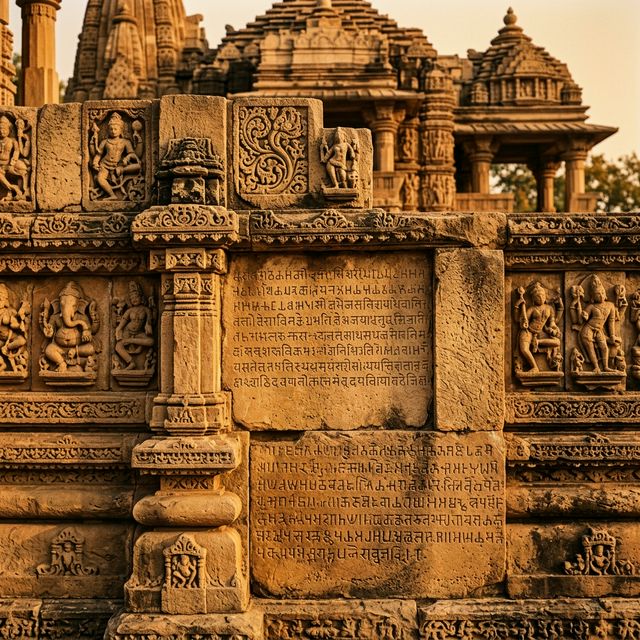
The Surat copper-plates, issued by yuvarāja Śryāśraya-Śīlāditya in the Kalacuri year 443, is a dual-plate charter composed in Sanskrit using the Brāhmī script. The charter was issued from the victorious camp at Kusumeśvara near Kārmaṇeya (modern Kamrej, Gujarat).
Following an invocation to the Varāha incarnation of Viṣṇu and a eulogy for the sovereign Vinayāditya, the text details the Cālukya lineage. It extols Pulakeśi II for defeating Harṣavardhana, and Vikramāditya I for subjugating the Pallavas of Kāñcī. The donor, crown prince Śryāśraya-Śīlāditya, acting under his father Dharāśraya-Jayasimhavarman, executes the grant. The charter formally donates a demarcated field in Osumbhalā village within the Kārmaṇeya district to brāhmaṇa Mātṛśvara, of Śāṇḍilya gotra and the Kāṇva branch of the Yajurveda, to sustain the five great sacrifices. Concluding with standard imprecatory verses, the document formally identifies the military officers Ammagopa as the executor and Cella as the scribe.
First Plate
1. siddham | jayatyāviṣkṛtam viṣṇorvvārāhaṅkṣobhitārṇṇavam | dakṣiṇonnatadamṣṭrāgraviśrāntabhuvanam vapuḥ || 1 ||
2. narasimha vikkrama stutavimalayaśā jagati vijayate vīraḥ | sthirabalavinayādityaḥ satyāśrayava-
3. llabhaḥ śrīmān || 2 || kārmmaṇeyopakaṇṭhakusumeśvarāvāsitavijayaskandhāvārācchrīmatām sa–
4. kalabhuvanasamstūyamānamānavyasagotrāṇām hārītīputrāṇām saptalokamātṛbhissaptamā-
5. tṛbhiraharaharabhivarddhitānāṅkārttikeya parirakṣaṇaprāptakalyāṇaparamparāṇāmbhagavannārāya-
6. ṇaprasādasamāsāditavarāhalāñchanekṣaṇa kṣaṇavaśīkṛtāśeṣa mahībhūtāñcalukyānāṅku-
7. lamalaṅkariṣṇurvbahusuvarṇṇakāśvamedhayā gāvabhṛthasnānapavitrīkṛtaśirā nṛganahuṣayayāti–
8. dhundhumārāmbarīṣapratimassakalottarāpatheśvara śrīharṣavarddhanalabdhayuddhapatākassatyāśraya-
9. śrīpulakeśivallabhamahārājastasya sutastatpādānuddhyātonivāritavīryyavilaṅghitānyā-
10. laṅghyāribhūpālabalakāñcīpurīśapallavānvayapramāthī parigṛhītatrairājyarājyaḥ śrī-
11. vikkramādityasatyāśrayavallabhamahārājastasya putrastaccaraṇānudhyāto vinayādyasādhāraṇarā-
12. jaguṇālaṅkṛto vinayādityasatyāśrayaśrīpṛthivī vallabhamahārājādhirājaparameśvarabhaṭṭā-
13. rakastasya pitṛvyasyānekasamaravijayasamudbhūtaviśuddhkīrtte paramamāheśvarasya dharāśra-
14. yaśrījayasimhavarmmaṇa putrastaccaraṇakamalārāghanaparo nayapratāpavijṛmbhitānyamahīpā-
15. lacakkrassakalakalāpravīṇo raticaturavilāsinījanamanohārirūpalāvaṇyasaubhāgyasa–
16. meto vidyādharacakkravarttīva śryāśrayaśrīśīlādityayuvarājassarvvāneva rājasāmantaviṣa-
17. yapatigrāmabhogikamahattarādīnyathāsambaddhyamānakānsamājñāpaya–
18. tyastu vassamviditam || mayā mātāpitrorātmanaśca puṇyayaśobhivṛddhaye
Second Plate
19. kārmmaṇeyacāturvvidyaśālāsāmānyaśāṇḍilyasa gotrādhvaryyukāṇvasa-
20. brahmacāriṇe brāhmaṇanaṇṇasvāmiputradīkṣitamātrīśvarāya bhūmicchidra-
21. nyāyena kārmmaṇeyāhāra viṣayāntarggatausumbhalāgrāme pūrvvasyām sīmni kṣetram yasya pūrvvataḥ a-
22. llūrakagrāmasīmā | dakṣiṇataḥ śamīvṛkṣavalmīkataḍākikāpāliḥ paścimatombilakāvṛkṣau utta-
23. rato mallāvitaḍākapālimadhukataḍākikāgrāmadevīkṣetrasīmā evametaccatuḥ sīmābhya-
24. ntarapratiṣṭhitampañcamahāyajñādikkriyotsarppaṇāya putrapautrānvayabhogyamācandrārkkārṇṇavakṣiti-
25. sthitisamakālīnam sarvvadityaviṣṭiprātibhedikādiparihīnam puṇyatithau śrāvaṇapaurṇṇamāsyā–
26. mudakātisārggeṇa pratipāditam | yatosmadvamśyairanyairvvāgāmibhadranṛpatibhi kadalīgarvbhasāram
27. samsāram jalabudbudopamañca jīvitamavadhāryya śrirīṣakusumasadṛśāpāyañca yauvanam girinadīsa-
28. lilagatvarāṇi caśvaryyāṇi | prabalapavanāhatāśvatthapatracañcalā ca rājalakṣmīriti śaśikararu-
29. ciram sthāsnu yaśaścicīṣubhirayamasmaddāyonumantavya pālayitavyaśca | yo vājñānatimirapaṭalā-
30. vṛtamatirācchindyādācchidyamānam vānumodeta | sa pañcabhirmmahāpātakaissopapātakaiśca samyuktaḥ
31. syāt | api coktamṛṣipravareṇa vikacakṛvalayadalanikarasubhagatara satyavatīnandanena bhaga-
32. vatā vedavyāsena vyāsena | ṣaṣṭim varṣa sahasrāṇi svargge modati bhūmidaḥ | ācchettā cānumantā ca
33. tānyeva narake vaset || 3 || vindhyāṭavīṣvatoyāsu śuṣkakoṭaravāsinaḥ | kṛṣṇāhayo hi jāyante bhūmidā-
34. yam haranti ye || 4 || bahubhirvvasudhā bhuktā rājabhissagarādibhiḥ | yasya yasya yadā bhūmistasya tasya tadā pha-
35. lam || 5 || pūrvvadattām dvijātibhyo yatnādrakṣa yudhiṣṭhira | mahīmmahimatām śreṣṭha dānācchreyonupālanam || 6 ||
36. samvatsaraśatacatuṣṭaye tricatvārimśadadhike śrāvaṇaśuddhapaurṇṇamāsyām || samvatsara 400 40 3 śrāvaṇa–
37. śu di 10 5 | dūtako balādhikṛtāmmagopaḥ | likhitañca balādhikṛtacelleneti ||
Seal
śrīdharāśrayaḥ |
Success!
Verse 1
Victorious is Viṣṇu’s manifested boar form which agitated the ocean and which had the world resting on the tip of its projecting right tusk!
Verse 2
Triumphant in the world is the illustrious Satyāśrayavallabha-Vinayāditya of firm valour, a hero of renowned (and) stainless fame, who is like Narasimha in heroism!
Lines 3 to 9
From the victorious camp fixed at Kusumeśvara near Kārmaṇeya:
Adorning the family of the illustrious Calukyas, who are of the Mānavya gotra; which is being praised by the whole world; who are the sons i.e. descendants of Hārītī; who were brought up day by day by the Seven Mothers who are the mothers of the seven worlds; who have obtained continuous prosperity through the protection of Kārttikeya; who have all kings submitting to them the moment they see the boar-emblem which was obtained by the grace of the divine god Nārāyaṇa, there was the mahārāja the illustrious Pulakeśivallabha (II), whose head was sanctified by the avabhṛtha bath in the Bahusuvarṇaka and Aśvamedha sacrifices; who is equal to Nṛga, Nahuṣa, Yayāti, Dhundhumāra and Ambarīṣa; who has won the war-standard from the illustrious Harṣavardhana, the lord of the entire Uttarāpatha (North India).
Lines 9 and 10
His son (was) the mahārāja, the illustrious Vikramāditya (I), Satyāśraya-vallabha, who meditated on his feet; who, by his irresistible valour, vanquished the armies of hostile kings unconquerable by others; who exterminated the family of the Pallava (king), the lord of the city of Kāñcī, and who conquered the three kingdoms.
Lines 11 and 12
His son (is) the illustrious pṛthivīvallabha, mahārājādhirāja, parameśvara, bhaṭṭāraka Vinayāditya-Satyāśraya, who meditates on his feet and is adorned by humility and other uncommon royal excellences.
Lines 13 to 17
The son of his paternal uncle, the illustrious Dharāśraya-Jayasimha-varman, whose pure fame has sprung from his victories in many battles, and who is a devout worshipper of Maheśvara, viz. the crown-prince the illustrious Śryāśrayaśīlāditya, whose intent is to worship the lotus-like feet (of his father); who has defeated the armies of other kings by his political wisdom and valour; who is proficient in all arts; who, like the Emperor of the Vidyādharas, is endowed with beauty, grace and loveliness, attractive to the minds of coquettish women clever in amorous sports, addresses the following order to all kings, feudatories, heads of viṣayas, bhogikas of villages, mahattaras and others, wherever posted:
Lines 18 to 25
Be it known to you that for the increase of the religious merit and fame of my mother and father and of myself, I have granted with a libation of water on the holy day, namely, the full-moon day of Śrāvaṇa, a field on the eastern boundary of the village Osumbhalā situated in the āhāra (and) viṣaya of Kārmaṇeya, to the east of which is the boundary of the village Alluraka; to the south, a śamī tree, an ant-hill (and) the dam of a small tank; to the west, two ambilakā trees; to the north the dam of the mallāvi tank, the small tank called madhuka, (and) the boundary of the field dedicated to the village goddess, the field lying within these four boundaries, which is to be enjoyed by a succession of sons and sons’ sons, according to the maxim of waste land, as long as the moon, the sun, the ocean and the earth will endure, exempt from all gifts, forced labour and special rights, to the dīkṣita Mātṛīśvara, the son of the brāhmaṇa Naṇṇaśvāmin, who is of the Śāṇḍilya gotra and a student of the Kāṇva (śākhā) of the Adhvaryu (i.e., Yajurveda), and belongs to the community of the caturvedins of Kārmaṇeya, for the performance of the five great sacrifices and other (religious) rites.
Lines 26 to 30
Wherefore, gracious kings, whether born in our family or others, having realised that worldly existence possesses as little worth as the interior of a plantain tree possesses sap, and that life is evanescent like a water-bubble, and (having considered) that youth is liable to fade like a śirīṣa flower, that prosperity is as fleeting as the water of a mountain stream, and that royal fortune is as unstable as the leaves of an aśvattha tree which is struck by a very strong wind, and being desirous of accumulating lasting fame lovely like moon-beams, should consent to and preserve this our gift. He, who with his mind shrouded by the veil of the darkness of ignorance, confiscates it or allows it to be confiscated, will incur the five great sins together with the minor sins.”
Lines 31 to 35
And it has been said by the holy Vyāsa, the son of Satyavatī, the best of sages and the redactor of the Vedas, whose body was more lovely than an assemblage of the petals of a full-blown lotus:
(Here follow four benedictive and imprecatory verses.)
Lines 36 and 37
On the full-moon day in the bright (fortnight) of Śrāvaṇa in the year four hundred increased by forty-three, the year 400 (and) 40 (and) 3, (the month) Śrāvaṇa the bright (fortnight), (the lunar day) 10 (and) 5. The dūtaka of this charter is the balādhikṛta Ammagopa. And this charter has been written by the balādhikṛta Chella.
Seal
The illustrious Dharāśraya.
| Dynasty: | Cālukya |
| Ruler: | Śryāśraya-Śīlāditya |
| Date: | 15 July 693 CE (Śrāvaṇa, śuddha 15, varṣa 443) |
| Donor: | Dharāśraya-Jayasimha |
| Donee: | Brāhmaṇa dīkshita Matṛiśvara |
| Language: | Sanskrit |
| Script: | Brāhmī |
| Occasion: | A full moon day |
| Religion: | Vedic |
| Nature of grant: | Land donation |
| Purpose: | To perform the religious rites including bali, caru, vaiśvadeva, and agnihotra |
| Provenance of inscription: | Surat, Gujarat |
| Type of Inscription: | Copperplate grant |
| Source: |
Bibliography & Research
Indraji, B. (1886). Surat Plates of Yuvarāja Śryāśraya-Śīlāditya. Verhandlungen des VII Internationalen Orientelisten-Congresses, Arische Section, pp. 211.
- Mirashi, V. V. (Ed.). (1955). Corpus Inscriptionum Indicarum Inscriptions of the Kalachuri Chedi Era. In (Vol. Vol 4 (Part 1), lix-lxvi and 132-137. Archaeological Survey of India.
