
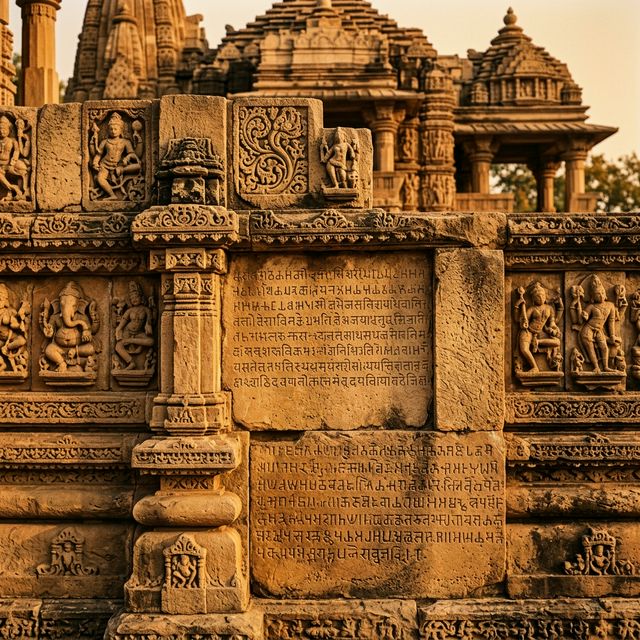
Discovered in Navsari, the dual copper-plate charter of the Cālukya ruler Avanijanāśraya-Pulakeśirāja dates to the Kalacuri year 490 (739 CE). The epigraph is composed in Sanskrit utilising the Brāhmī script and features a seal bearing the legend Śrī-Avanijanāśrayaḥ. The document formally traces the Cālukya genealogy from Kīrtivarman I and records the donor's decisive victory over the invading Arab forces.
Following an invocation to the Varāha incarnation of Viṣṇu, the charter recounts the Cālukya lineage, extolling Pulakeśivallabha II for defeating Harṣavardhana and Vikramāditya I for subjugating the Cera, CoỊa, and Pāṇḍya kingdoms. The text graphically details the invasion by the Tājika army, which had previously decimated the Saindhava, Kacchella, Saurāṣṭra, Cāvoṭaka, Maurya, and Gurjara kings. Avanijanāśraya-Pulakeśirāja repelled this invasion at Navsari. In recognition, his suzerain conferred upon him four titles, including Dakṣiṇāpathasādhāra and Calukkikulālaṅkāra. Administratively, the document registers the donation of Padraka village in the Kārmaṇeya district to brāhmaṇa Kāñcaḷa, a Vatsa gotra emigrant from Vanavasi, to perform the vedic rites. The mahāsāndhivigrahika Bappabhaṭṭi served as the scribe.
First Plate
1. siddham | jayatyāviṣkṛtam viṣṇorvvārāham kṣobhitārṇṇavam | dakṣiṇonnatadamṣṭrāgraviśrāntabhuvanam vapuḥ || 1 ||
2. śrīmatm sakalabhuvanasamstūyamānamānavyasagotrāṇām saptalokamātṛbhissaptamātṛbhirabhiva-
3. rddhinām kārttikeyaparirakṣaṇaprāptakalyāṇaparamparāṇām bhagavannārāyaṇaprasādasamāsādi–
4. tavarāhalāmchanekṣaṇakṣaṇavaśīkṛtāśeṣabhūbhṛtām calukyāṇām kulamalaṅkariṣṇuraśvamedhāvabhṛṣa-
5. snānapavitrīkṛtagātronekanarapatimakuṭataṭaghaṭita maṇigaṇakiraṇasamullasitoddyotita cara-
6. ṇakamalayugalassatyāśrayapṛthivīvallabha mahārā jādhirājaparameśvaraśrīkīrttivarmmarājastasya
7. sutastatpādānudhyātaparamadevatāviśeṣavadvandanīyatamassa kalaśāstrārtthatattvajñakarika–
8. raniṣṭuraprakoṣṭha karakalitaniśitanistrimśa-prahāradalitapramukhāgavairivāraṇakumbhasthalocchala-
9. tpratyagradhavalanirmmlamuktāphalaprakarakumbhastava kasamabhyarccitasamaradharitrītalaḥ śrīmaduttarāpa–
10. thādhipatiśrīharṣavarddhanaparājayopalabdhograpratāpa paramamāheśvaraḥ satyāśrayāparanāmā–
11. yaḥ śrīpulakeśivallabhastasya sutastatpādānudhyātonekanarapatisāmantamakuṭakoṭighṛṣṭacara–
12. ṇāravindayugalo merumalayamandaravimdhyasamānadhairyyo haraharabhivarddhamānavarakarituragaratha-
13. padātibalo manojavaikacitrakaṇṭhākhyapravaraturaṅgameṇopārjjitasvarājyaḥ vijitaceracolapāṇ–
14. ḍyakramāgatarājyatraya paramamāheśvara paramabhaṭṭārakassatyāśrayaḥ śrīvikramādityarājastasyā–
15. nujovijitasakalārātipakṣaścaturudadhiparyyantamālāmekhalāyāḥ kṣitermmaṇḍanabhūto matte-
16. bhakumbhamaṇḍalavidāraṇa kesarikiśora iva vikrmaikarasassamastadiṅmaṇḍalaprakhyātakīrttiḥ pa-
17. ramamāheśvara paramabhaṭṭārakadharāśrayaḥ śrījayasimha varmmarājastasya sutastatpādānu–
18. dhyātassakalajanamāna ānandabhūto kasamarasaṅkaṭapramukhāgatanihataśatrusāmantakulavadhū-
19. prabhātasamayaruditacchalodgīyamānavimalanistrimśa pratāponijabhujaprabhāvopārjjitasva-
20. kīyabhūbhāgamaṇḍala paramamāheśvara paramabhaṭṭārakajayāśrayaśrīmaṅgalarasarājastasyānu–
21. jastatpādapaṅkarādhanānudhyātaḥ pratidinamupacīyamānodayaḥ śaiśavādeva samastaguṇagaṇā–
22. dhiṣṭhānabhūtaḥ svayamvarayaiva rājalakṣmyā samāsāditavakṣasthalo dhavalayaśovitānavimalīkṛtasa-
23. kalajaganmaṇḍalaḥ paramamāheśvaraḥ paramabhaṭṭārakaḥ śarajha ṣira mudgarodgāriṇitāratarāsidāritodita-
24. ritoditasaindhavakacchellasaurāṣṭracāvoṭa kamauryyagūrjjarādirāje niḥśeṣadākṣiṇātyakṣitipatiji–
25. gīṣayādakṣiṇāpathapraveśābhilāṣamānaḥ prathamameva navasārikāviṣayaprasādhanāyāgatetvarita–
Second Plate
26. turagakharamukharakhurotkhātadharaṇidhūlidhūsaritadigantare kuntaprāntanitāntavimardyamānarabhasābhidhāvito–
27. dbhaṭasthūlodaravivaravinirggatāmtrapṛthutara rudhiradhārārañjitakavacabhīṣaṇavapuṣi svāmimahā-
28. sanmānadānagrahaṇaniṣkrayīkṛtasvaśirobhimukhamāpatitaira dayadaśanāgradaṣṭauṣṭhapuṭairane-
29. kasamarājiravivaravairikarikaṭitaṭahasta vidhaṭanavigalitadhanarudhirapaṭalapāṭalitapaṭukṛpāṇapaṭṭairapi mahā–
30. yodhairalabdhaparabhāgaiḥ vipakṣakṣapaṇākṣepakṣiprakṣiptatīkṣṇakṣurapra prahāravilūnavairiśirakamalagalanālairā–
31. havarasarabhasaromāñcakañcukācchāditatanubhiranekairapi narendravṛndavṛndārakairajitapūrvve vyapagatamasmāka–
32. mṛṇamanena svāminaḥ svaśiraḥ pradānenādya tāvadekajanmīyamityevamivopajātaparitoṣānantaraprahatapaṭupa-
33. ṭaharavapranṛttakabandhabaddharāsamaṇḍalīke | samaraśirasi vijite tājikānīke śauryyānurāgiṇā śrīvallabhanaren-
34. dreṇa prasādīkṛtāparanāmacatuṣṭayastadyathā dakṣiṇāpathasādhāracalukkikulālaṅkārapṛthivīvallabhānivarttakaniva-
35. rttamyitravanijanāśrayaśrīpulakeśirājassarvvānevātmīyānātmavam śajānanyāmśca yathāsambadhyamānakānviṣa-
36. yapatigrāmabhogika vāsāvakāyuktaviniyuktakādīnsamanudarśayati | astu vaḥ samviditam | yathāsmābhirmmātāpi–
37. trorātmanaśca puṇyayaśobhivṛddhaye balicaruvaiśvadevāgnihotrādikriyotsarppaṇārttham vanavāsīvinirggatavatsa-
38. sagotrataittirīyasabrahmacāriṇe dvivedabrāhmaṇakāñcaḷāya brāhmaṇagovindaḷi sūnave | kārmmaṇeyāhāraviṣayāntarggata–
39. padrakagrāmassodraṅgassoparikarassadānapradānakaḥ acāṭabhaṭaprāveśyo bhūmicchidranyāyenodakātisarggeṇa mahā-
40. kārttikyām putrapautrānvayabhogyaḥ pūrvvapradattadevabrahmadāyavarjjo dharmadāyatvena pratipāditaḥ | yatosyā-
41. grahārasthityā bhuñjataḥ kṛṣataḥ karṣayato vā na kaiścidvighāte sthātavyamāgāmibhadranṛpatibhirasmadvamśyairanyairvvā–
42. vidyullolānyanityānyaiśvaryyāṇi tṛṇāgralagnajalavinducañcalamāyuravekṣyā smaddāyonumantavyonupālayitavya–
43. śca | yaścājñānatimirapaṭalāvṛtamatirācchindyādācchidyamānam vānumodeta sa pañcabhirmmahāpātakaissopapātakai–
44. ssamyuktaḥ syāditi | uktam ca bhagavatā vedavyāsena vyāsena | ṣaṣṭim varṣa sahasrāṇi svargge tiṣṭhati bhūmidaḥ | ācchettā cā–
45. numantā ca tānyeva narake vaset || 2 || vindhyāṭavīṣvatoyāsu śuṣkakoṭaravāsinaḥ | kṛṣṇāhayo hi jāyante bhūmidāyām
46. haranti ye || 3 || bahubhirvvasudhā bhuktā rājabhissagarādibhiḥ | yasya yasya yadā bhūmistasya tasya tadā phalam || 4 || svadattām
47. paradattām vā yatnādrakṣa yudhiṣṭhira | mahīmmahimatām śreṣṭha dānācchreyonupālanam || 5 || yānīha dattāni purā na–
48. rendrairddānāni dharmmātyamyaśaskarāṇi | nirbhuktamālyapratimānitāni ko nāma sādhuḥ punarādadīta || 6 || samvatsaraśa–
49. taye 400 90 kārttikaśuddhapañcadaśyām 10 5 | likhitañcaitanmahāsāndhiviggrahikaprāptapañcamahāśabda sāmantaśrīvappabha-
50. ṭṭināmahābalādhikṛtaharagaṇasūnunā | nyūnākṣaramadhikākṣaram vā sarvvam pramāṇam | siddham || siddham ||
51. svayamājñā |
Seal
śrī avanijanāśrayaḥ |
Success!
Verse 1
Victorious is Viṣṇu’s manifested boar-form which agitated the ocean and which had the world resting on the tip of its projecting right tusk!
Lines 2 to 5
Adorning the family of the illustrious Calukyas, who are of the Mānavya gotra, which is being praised by the whole world; who were brought up by the Seven Mothers (who are) the mothers of the seven worlds; who have attained continuous prosperity through the protection of Kārttikeya; (and) who have all kings submitting to them the moment they see the boar-emblem which was obtained by the favour of the divine (god) Nārāyaṇa,—(there was) the pṛthivīvallabha, mahārājādhirāja, parameśvara, Satyāśraya, the illustrious Kīrtivarmarāja (I), whose body was sanctified by the avabhṛtha bath in an Aśvamedha sacrifice, (and) the pair of whose lotus-like feet shone and looked resplendent with the rays of clusters of jewels set on the sides of the crowns of many kings.
Lines 6 to 10
His son, who meditated on his feet, (was) the illustrious Pulakeśivallabha (II), whose other name was Satyāśraya; who was a devout worshipper of Maheśvara; who was most adorable like a great and pre-eminent god; who knew the import and the principles of all śāstras; who worshipped the surface of the battlefield with clusters (of flowers poured out) from pots, in the shape of multitudes of fresh, white and spotless pearls from the frontal globes of attacking hostile elephants, which were rent with the strokes of the sharp sword wielded by his hand, the forearm of which was hard like an elephant’s trunk; (and) who attained formidable power by defeating the illustrious Harṣavardhana, the illustrious lord of Uttarāpatha (North India).
Lines 11 to 13
His son, who meditated on his feet, (was) the paramabhaṭṭāraka Satyāśraya, the illustrious Vikramādityarāja (I), who was a devout worshipper of Maheśvara; the pair of whose lotus-like feet were rubbed by the edges of the crowns of many feudatory princes; whose firmness was like that of the Meru, Malaya, Mandara and Vindhya (mountains); whose army, (consisting of) excellent elephants, horses, chariots and foot-soldiers, was increasing day by day; who acquired his kingdom by means of his excellent and peerless horse, Citrakaṇṭha, which had the speed of the mind; (and) who conquered the three hereditary kingdoms Cera, Cola and Pāṇḍya.
Lines 14 to 16
His younger brother (was) the paramabhaṭṭāraka Dharāśraya, the illustrious Jayasimhavarmarāja, who was a devout worshipper of Maheśvara; who conquered all allies of his enemies; who was an ornament of the earth which has the flowery girdle of the surrounding four oceans; who like a lion’s cub, rent open the frontal globes of rutting elephants; who took delight only in valour; (and) whose glory is well-known in the circuit of all quarters.
Lines 17 to 19
His son, who meditated on his feet, (was) the paramabhaṭṭāraka Jayāśraya, the illustrious Maṅgalarasarāja, who was a devout worshipper of Maheśvara; who was the joy of the minds of all people; the prowess of whose spotless sword was celebrated in songs in the guise of the morning lamentations of the virtuous wives of the hostile neighbouring kings who were killed when they opposed him in many dangerous battles, and who, by the might of his arms, acquired his own territory.
Lines 20 to 34
His younger brother who is intent on propitiating his lotus-like feet, (is) the paramabhaṭṭāraka Avanijanāśraya, the illustrious Pulakeśirāja, who is a devout worshipper of Maheśvara; whose power is increasing day by day; who has, since his very childhood, become the abode of all good qualities; whose breast is occupied by the goddess of royal fortune who was quite free to choose her lord; who has made the whole world spotless by spreading his white fame; who was favoured by the illustrious king Vallabha who is fond of heroism, with the following four titles viz., the pillar of Dakṣiṇāpatha (South India), the ornament of the family of the Calukkis, the beloved of the Earth, the repeller of the unrepellable, when the army of the Tāgikas, which poured forth arrows, javelins and iron-headed clubs; which destroyed, with its rapidly brandished and glittering swords, the prosperous Saindhava, Kacchella, Saurāṣṭra, Cāvoṭaka, Maurya, Gurjara and other kings; which, desiring to enter Dakṣiṇāpatha (South India) with a view to vanquish all Southern kings, came, in the very first place, to conquer the viṣaya of Navasārikā; which rendered the regions between the quarters dusky with the dust of the ground raised by the hard and noisy hoofs of its galloping horses; the bodies (of warriors) in which appeared dreadful as their armours were reddened by very large streams of blood (gushing) from the intestines which came out of the cavities of their big bellies, as they impetuously rushed forth and were completely pierced by spear-heads; which had not previously been vanquished even by numerous eminent chiefs among hosts of kings, who offered their heads in return for high honour and gifts they had received from their lord; who opposed it, biting mercilessly both their lips with the tips of their teeth; who, though they were great warriors and had their sharp swords reddened by the mass of blood that flowed when the sides of the loins and the trunks of hostile elephants were rent on several extensive battlefields, could not attain success; who cut off the necks of their enemies’ heads, as though they were plucking the stalks of lotuses, hitting them with their horse-shoe-shaped sharp arrows which were quickly discharged for the destruction of their adversaries; whose bodies were covered with a coat of bristling hair on account of their martial spirit and excitement,—was defeated in the forefront of the battle in which headless trunks began a circular dance to the accompaniment of the loud noise of drums beaten continuously in joy caused, as it were, by the thought “To-day at least we have, by laying down our heads, paid off the debt we owed to our lord in (this) one life!”
Lines 35 to 39
(He) addresses the (following) command to all his officers born in his family and others according as they may be concerned,—to the heads of viṣayas, headmen of villages, residents, Vāsāvakas, Āyuktas, Viniyuktakas and others:—
Be it known to you that for the increase of the religious merit and fame of (Our) mother and father and of Ourself, we have given, as a religious gift with a libation of water on the Mahākārttikī, the village Padraka situated in the āhāra and viṣaya of Kārmaṇeya—together with udraṅga (and) uparikara, together with (the right to) minor and major gifts, not to be entered by cāṭas and bhaṭas, to be enjoyed by a succession of sons and sons’ sons according to the maxim of waste land, exclusive of gifts previously made to gods and Brāhmaṇas,—to the Brāhmaṇa Kāñcala who has studied two Vedas, the son of the Brāhmaṇa Govindali, of the Vatsa gotra, who is a student of the Taittirīya śākhā (of the Black Yajurveda) and has emigrated from Vanavāsī.
Lines 40 to 47
Wherefore, none should cause an obstruction while he is enjoying, cultivating or causing it to be cultivated in the manner of an agrahāra. Gracious kings of the future, whether born in our family or others, considering that fortune is impermanent and unsteady like a flash of lightning, and that life is as inconstant as a drop of water adhering to the tip of a blade of grass, should consent to and preserve this Our gift. And he, who, with his mind obscured by the veil of the darkness of ignorance, will confiscate it or allow it to be confiscated, shall incur the five great sins together with minor sins.”
And it has been said by the venerable Vyāsa, the redactor of the Vedas—
(Here follow five benedictive and imprecatory verses.)
Lines 48 to 51
The year-hundred 400 (and) 90, (the month) Kārttika, the bright (fortnight), (the lunar day) 10 (and) 5. This (charter) is written by the illustrious Bappabhaṭṭi, the Mahāśāndhivigrahika and Sāmanta, who has attained the pañcamahāśabda and is the son of the Mahābalādhikṛta Haragaṇa. All (in this charter) (is) authoritative, whether (any) letters are wanting or redundant. Success! Success!
Our own command.
Seal
The illustrious Avanijanāśraya.
| Dynasty: | Cālukya |
| Ruler: | Pulakēśi |
| Date: | 21st October 739 CE (Kārttika śuddha 15, varṣa 490) |
| Donor: | Pulakeśi |
| Donee: | Brāhmaṇa Kāñchaḷa |
| Language: | Sanskrit |
| Script: | Brāhmī |
| Religion: | Vedic |
| Nature of grant: | Land donation |
| Purpose: | To perform the religious rites including bali, caru, vaiśvadeva, and agnihotra |
| Provenance of inscription: | Navsari, Gujarat |
| Type of Inscription: | Copperplate grant |
| Source: |
Bibliography & Research
Indraji, B. (1886). Navsari Plates of Pulakēśirāja. Verhandlungen des VII Internationalen Orientalisten-Congresses, Arische Section, pp. 211 ff.
- Mirashi, V. V. (Ed.). (1955). Corpus Inscriptionum Indicarum Inscriptions of the Kalachuri Chedi Era. In (Vol. Vol 4 (Part 1), lix-lxvi and 137-145. Archaeological Survey of India.
