
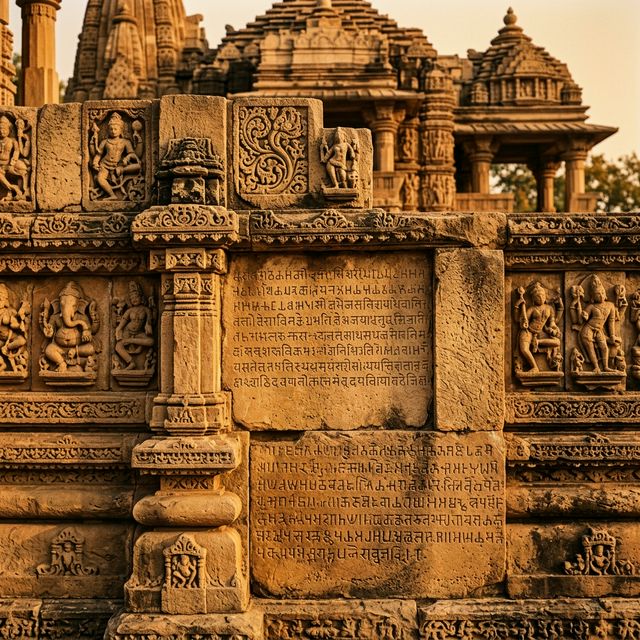
The Navsari plates of Yuvarāja Śryāśraya Śīlāditya, dated to the Kalacuri year 421, Māgha, śuddha 13, corresponding to 28 January 671 CE were issued during the reign of the Western Cālukya king Vikramāditya I. The charter, composed in the Sanskrit language and engraved in the Brāhmī script, provides a genealogical link between Śryāśraya-Śīlāditya and Vikramāditya I, son of Pulakeśin II.
Issued from Navasārikā (modern Navsari, Gujarat), the charter records the grant of Āsatti village, situated in the Kaṇhavalā āhāra of the Bāhirikā viṣaya (district), by the crown-prince Śryāśraya Śīlāditya while residing at Navsari. The donation was made to the brāhmaṇa Bhogikkasvāmin of the Kāśyapa gotra, a student of the Adhvaryu Veda, for the spiritual merit of the prince and his parents. The document details the imperial successes of Vikramāditya I over the Pallavas and confirms his devotion to Nāgavardhana. Written by the minister Dhanañjaya, the grant includes traditional rights such as udraṅga and uparikara, finalised on the thirteenth lunar day of the bright fortnight of Māgha.First Plate
1. siddham | svasti | jayatyāviṣkṛtam viṣṇorvvārāham kṣobhitārṇṇavam | dakṣiṇonnatadamṣṭrāgravi-
2. srāntabhuvanam vapuḥ || 1 || śrīmatām sakalabhuvanasamstūyamānamānavyasagotrāṇām
3. hārītīputrāṇām saptalokamātṛbhissaptamātṛbhirabhivarddhitānām kārttikeyapa-
4. rirakṣaṇaprāptakalyāṇaparamparāṇām bhagavannārāyaṇaprasādasamāsāditavarāhalā-
5. ñchanekṣaṇekṣaṇakṣaṇavaśīkṛtāśeṣa mahībhṛtām calikyānāmanvaye nijabhujabalaparājitā–
6. khilaripurmahīpālasamiti rāmayudhiṣṭhiropamānaḥ satyavikramaḥ śrīpulakeśivallabhaḥ | tasya
7. putraḥ paramamāheśvaramātāpitṛśrīnāgavarddhana pādānuddhyātaśrīvikramādityasatyā–
8. śrayapṛthivīvallabhamahārājādhirājaparamamāheśvarabhaṭṭārakeṇa anivāritapauruṣā–
9. krāntapallavānvayena jyāyasā bhrātrā samavarddhitavibhūtirddha rāśrayaśrījayasimha-
10. varmmā | tasya putraḥ śaradamalasakalaśaśadharamarīcimālāvitānaviśuddhakīrttipatākā-
Second Plate
11. vibhāsitalasamastadigantarālaḥ pradātā rājarāja iva rūpalāvaṇyasau–
12. bhāgyasampannakāmadeva iva sakalakalāpravīṇaḥ pauruṣavānvidyādharacakra-
13. varttīva śrayāśrayaśrīśīlādityayuvarājonavasārikāmadhivasannavasāri–
14. kāvāstavyakāśyapasagotrāgāmisvāminaḥ putraḥ sāmantasvāmī | tasya putra-
15. ḥ mātṛsthaviraḥ tasyānujabhrātuḥ kikkasvāminaḥ bhogikkasvāmine adhvaryyusabrahmacāri–
16. ṇe bāhirikā viṣayāntarggatakaṇhavalāhāraviṣaye āsaṭṭigrāmam sodraṅgam sapa-
17. rikaram udakotsargapūrvvam mātāpitrorātmanaśca puṇyayaśobhivṛddhaye dattavān |
18. vātāhatadīpaśikhācañcalām lakṣmīmanusmṛtya sarvvairāgāminṛpatibhirdharmmadāyo-
19. numantavyaḥ | bahubhirvvasudhā bhuktā rājabhiḥ sagarādibhiḥ yasya yasya yadā bhū-
20. miḥ tasya tasya tadā phalam || 2 || māgha śuddhatrayodaśyām likhitamidam sāndhivigrahīkaśrīdhanam jayena
21. samvatsaraśatacatuṣṭaye ekavimśatyadhike 400 20 1 || siddham |
Seal
śrī-śryāśrayaḥ |
Success! Hail!
Verse 1
Victorious is Viṣṇu’s manifested boar form, which agitated the ocean, and which had the world resting on the tip of its projecting right tusk.
Lines 2 to 6
In the family of the illustrious Calikyas, who are of the Mānavya gotra which is being praised by the whole world; who are the sons (i.e., descendants) of Hārītī; who were brought up by the Seven Mothers, who are the mothers of the seven worlds; who have obtained continuous prosperity through the protection of Kārttikeya; who have all kings submitting to them the moment they see the boar-emblem which was obtained by the grace of the divine (god) Nārāyaṇa, there was the illustrious Pulakeśivallabha (II) who possessed unfailing prowess; who, by the might of his arms, vanquished all his foes; and who, in the assembly of kings, could be compared to Rāma and Yudhiṣṭhira.
Lines 7 to 9
His son (is) Dharāśraya, the illustrious Jayasimha, whose prosperity has been augmented by his elder brother, the pṛthivīvallabha, mahārājādhirāja, and bhaṭṭāraka, the illustrious Vikramāditya Satyāśraya, the devout worshipper of Maheśvara, who meditates on the feet of his mother and father who were devout worshippers of Maheśvara and (on those of) the holy Nāgavardhana, and who has overcome the family of the Pallavas by his unchecked prowess.
Lines 10 to 18
His son, Śryāśraya, the illustrious Śīlāditya, the crown-prince, who has brightened the regions between all quarters by the banners of his glory, white like the spreading multitude of rays of the spotless full moon; who is liberal like Kubera, endowed with beauty, grace and loveliness like the god of love, proficient in all arts and valorous like the Emperor of the Vidyādharas, (he) residing at Navasārikā, has granted, with a libation of water for the increase of the religious merit and fame of (his) mother and father and of himself, the village Āsaṭṭi in the Kaṇhavala āhāra which is situated in the Bāhirikā viṣaya, together with udraṅga and uparikara, to Bhogikkasvāmin, (the son) of Kikkasvāmin, the younger brother of Mātṛsthavira (who is) the son of Sāmantasvāmin, (who is himself) the son of Gomisvāmin of the Kāśyapa gotra, who is a student of the Adhvaryu (Veda) and a resident of Navasārikā.
Lines 18 and 19
(This) religious gift should be consented to by all future kings, bearing in mind that wealth is as unsteady as the flame of a lamp struck by wind.
(Here follows a benedictive verse).
Lines 20 and 21
This (charter) has been written by the Sāndhivigrahika, the illustrious Dhanañjaya, on the thirteenth (tithi) of the bright (fortnight) of Māgha in the year four hundred increased by twenty-one, (in figures) 400 (and) 20 (and) 1. Success!
Seal
Śryāśraya
| Dynasty: | Cālukya |
| Ruler: | Śryāśraya-Śīlāditya |
| Date: | c. 28 January 671 CE (Māgha, śuddha 13, varṣa 421) |
| Donor: | Śryāśraya Śīlāditya |
| Donee: | Brāhmaṇa Bhōgikkasvāmin |
| Language: | Sanskrit |
| Script: | Brāhmī |
| Religion: | Vedic |
| Nature of grant: | Land donation |
| Purpose: | To donate the village Āsaṭṭi to a brāhmaṇa |
| Provenance of inscription: | Navsari, Gujarat |
| Type of Inscription: | Copperplate grant |
| Source: |
Bibliography & Research
- Buhler, G. (1885). A new Copper-plate grant of the Cālukya Dynasty, found at Navsari. Journal of the Bombay Branch of the Royal Asiatic Society, XVI, 1-7.
- Hultzsch, E. H. (1906). No 22. Nausari Grant of Śryāśraya Śīlāditya: The Year 421. Epigraphia Indica, VIII, 229-233.
- Mirashi, V. V. (Ed.). (1955). Corpus Inscriptionum Indicarum Inscriptions of the Kalachuri Chedi Era. In (Vol. Vol 4 (Part 1), lix-lxvi and 123-127. Archaeological Survey of India.
