
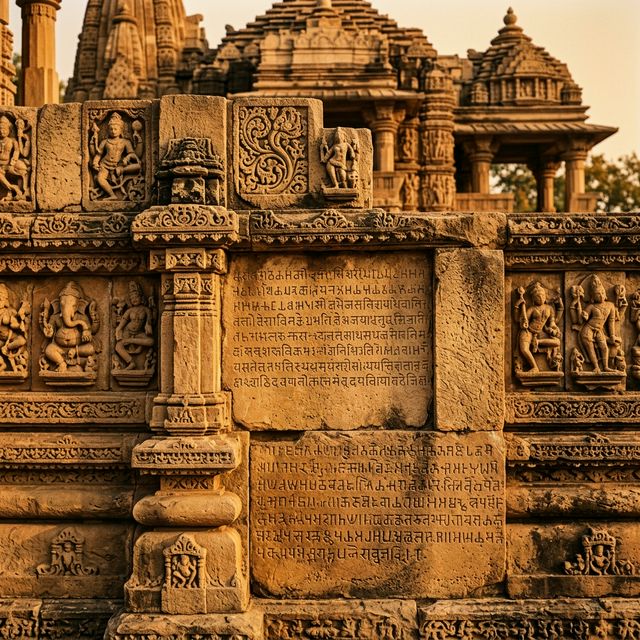
The Pardi copper-plate inscription, discovered in 1884 near Surat, is an administrative charter issued by mahārāja Dahrasena of the Traikūṭaka dynasty. Consisting of two plates fastened by a twisted copper wire without a traditional seal, the Sanskrit text is incised in the nail-headed characters. The inscription dates to year 207 of the Kalacuri era thirteenth day of the bright fortnight of Vaiśākha, corresponding to 23rd April 457 CE.
Issued from his victorious camp at Āmrakā, mahārāja Dahrasena, a devout worshipper of Viṣṇu and performer of the Aśvamedha sacrifice, directs this mandate to his officials within the Antar-Maṇḍalī district (viṣaya). The edict registers the brahmadeya donation of the village Kanīyas-Taḍākāsārikā to the brāhmaṇa Naṇṇasvāmin of Kāpura. Granted to increase the religious merit of the king and his parents, the village is bestowed in perpetuity, exempt from all customary taxes (ditya) and forced labor (viṣṭi). The charter explicitly prohibits royal entry except to apprehend criminals and rebels. The decree was executed by Buddhagupta who served as the dūtaka.
First Plate
1. svasti | vijayaskandhāvārādāmrakāvāsakāttraikūṭakānām mātāpitṛpādānuddhyāto bhaga–
2. vatpādakarmmakarośvamedhāharttā śrīmahārājadahrasenaḥ sarvvānevāsmatsantakānanta–
3. rmmaṇḍalīviṣayavāsinassamājñāpayati yathā kāpuravāstavyabrāhmaṇanaṇṇasvāmine-
4. traiva viṣayāntarggatakanīyastaḍākāsārikāgrāmo mātāpitrorātmanaśca puṇya-
Second Plate
5. yaśobhivṛddhaye ācandrārkkārṇṇavakṣitisthitikālikaścorarājāpatthyakārivarjja
6. sarvvadityaviṣṭiparihāreṇa putrapautrānvayabhogyassamatisṛṣṭaḥ yatobhuñjata kṛṣataḥ
7. pradiśataśca na kenacit pratiṣedhakāryya iti | uktañca bhagavatā vyāsena | ṣaṣṭivarṣasahasrāṇi
8. svargge vasati bhūmidaḥ | ācchettā cānumantā ca tānyeva narake vaset | iti || buddhaguptadūtakājñā
9. sam 200 7 vaiśākhaśuddhatrayodaśyām 10 3 ||
Lines 1 to 4
Hail! From the victorious camp fixed at Āmrakā, the illustrious mahārāja Dahrasena, of the family of the Traikūṭakas, who meditates on the feet of his mother and father, who is a servant of the feet of Bhagavat and who has performed an Aśvamedha, issues the following order to all our officials residing in the district (viṣaya) of Antar-Maṇḍalī.
Line 5
For increasing the religious merit and fame of our mother and father and ourself, the village Kanīyas-Taḍākāsārikā (smaller Taḍākāsārikā), situated in this very district, has been conferred by us on the brāhmaṇa Naṇṇāsvāmin, a resident of Kāpura, for as long as the moon, the sun, the oceans, and the earth will endure, not to be entered by cāṭas and bhaṭas, except to punish thieves and rebels, to be exempt from all taxes (ditya) and forced labour, and to be enjoyed by a succession of sons and sons' sons.
Line 6
Wherefore none shall cause obstruction while he enjoys, cultivates, and assigns this village.
(Here follows one benedictive and imprecatory verse.)
Line 8
This order is issued, Buddhagupta being the dūtaka, in the year 207 (200 and 7), on the thirteenth, in figures 10 and 3, lunar day of the bright fortnight of Vaiśākha.
| Dynasty: | Traikūṭaka |
| Ruler: | Subandhu |
| Date: | 23rd April 457 CE. (Vaiśākha 13, varṣa 207) |
| Donor: | Subandhu |
| Donee: | Brāhmaṇa Naṇṇasvāmin |
| Language: | Sanskrit |
| Script: | Brāhmī |
| Religion: | Vedic |
| Deities: | Bhāgavat i.e. Viṣṇu |
| Nature of grant: | Land donation |
| Purpose: | To increase the religious merit and fame of the king and his parents |
| Provenance of inscription: | Pardi, Valsad, Gujarat |
| Type of Inscription: | Copperplate grant |
| Source: |
Bibliography & Research
- Hultzsch, E. (1909). No 13. Pardi Plates of Dahrasena: Year 207. Epigraphia Indica, X, 51-54.
Indraji, P. B. (1883-85). Pārḍī Plates of Dahrasena. Journal of the Bombay Branch of the Royal Asiatic Society, XVI, 346.
- Mirashi, V. V. (Ed.). (1955). Corpus Inscriptionum Indicarum Inscriptions of the Kalachuri Chedi Era. In (Vol. Vol 4 (Part 1), xliv-li and 22-25. Archaeological Survey of India.
