
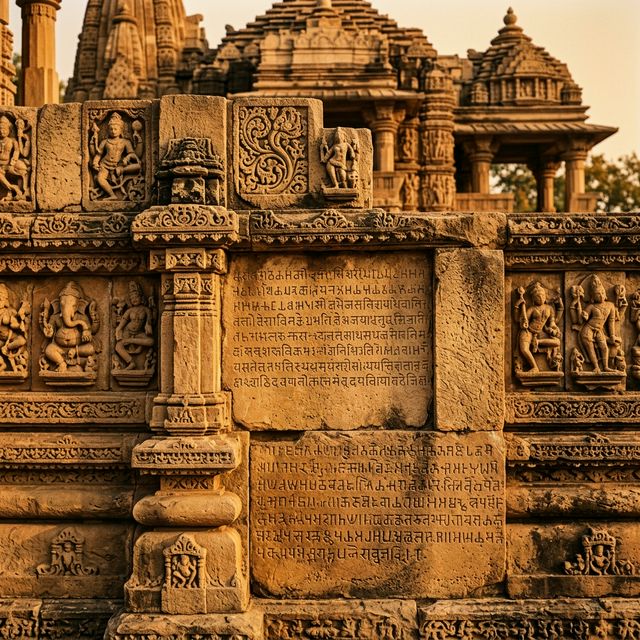
The Surat copper-plate inscription, discovered in South Gujarat, is a fifth-century administrative charter issued by mahārāja Vyāghrasena of the Traikūṭaka dynasty. Consisting of two inscribed plates, the Sanskrit text is executed in the Brāhmī script. Dating to year 241 of the Kalacuri era, dated the fifteenth day of the bright fortnight of Kārttika, corresponding to 14th October 490 CE, the record provides crucial historical data regarding Traikūṭaka territorial control over North Konkan (Aparānta).
Issued from the victorious capital of Aniruddhapura, mahārāja Vyāghrasena, a devout Vaiṣṇava and lord of Aparānta, directs this edict to the residents of Purohitapallikā within the Ikṣarakī āhāra. The charter records the agrahāra donation of this village to the brāhmaṇa Nāgaśarman of the Bharadvāja gotra. Granted to augment the religious merit of the king and his parents, the village is bestowed with perpetual, hereditary rights and specific legal immunities, including exemption from all taxes (ditya) and forced labor (viṣṭi). It explicitly bars the entry of regular soldiers and policemen (cāṭas and bhaṭas), except to apprehend criminals. The grant was authored by the mahāsāndhivigrahika Karka with Hālāhala acting as the dūtaka.
First Plate
1. svasti | vijayāniruddhapurāttraikūṭakānām mātāpitṛpādānuddhyāto bhagavatpādakarmmakarakaragatakramāgata-
2. sphītāparāntādideśapatiraparimitanṛpatinatacaraṇakamalassva bhujaparipālanapratā-
3. pādhigatapracuradraviṇaviśrāṇāvāptasarvvadigvyāpiśuklayaśāśśāradarajanikararuciravapu-
4. ranadyakālīnapuruṣaviśeṣasadṛśodāracaritassucaritanidarśanārtthamiva nirmmita prati–
5. hatasāmantārātiranyanarapatiprativiśiṣṭassvavamśālaṅkārabhūta prabhūtapravīrasādhanā–
6. dhiṣṭhitadurgganagarasāgarassāgaragambhīragirigurusthira prakṛtiprakṛtijanamanohara prājña-
7. samśritagurusvajanasādhusādhāraṇaghanobhijanasadṛśayantraṇopagṛhītaspṛhaṇīyaśrīśśrīmahā –
8. rājavyāghrayasenaḥ sarvvānevekṣarakyāhārāntarggatapurohitapallīkāprativāsīna–
9. ssamājñāpayati | viditamastu vo yathāsmābhirmmātāpitrorātmanaśca svapuṇyābhivṛddhaye
Second Plate
10. bharadvājasagotrabrāhmaṇanāgaśarmmaṇa iyam pallikā corarājāpatthyakārivarjjamacāṭabhaṭa –
11. prāveśyā sarvvadityaviṣṭiparihīṇāgrāhārasthityānvayabhogyācandrārkkārṇṇava–
12. kṣitisthitisamakālīnātisṛṣṭā | tadasmadvamśya rājabhiratyaiśca vibhavānabhāvānubaddhānāyurvvi-
13. yogānugataṅguṇāmśca dīrgghakālānuguṇānvigaṇayya dānañca guṇavatāmavadātamapadāna –
14. miti pramāṇīkṛtya śaśikaraśucirucirañcirāya yaśaścicīṣubhirayam pallikādāyonumantavya pā –
15. layitavyaśca | yasmāduktambhagavatā vedavyāsena vyāsena | pūrvvadattāndvijātibhyo yatnādrakṣa yudhi –
16. ṣṭhira | mahīmmahimatām śreṣṭha dānācchreyonupālanam ||1|| ṣaṣṭivarṣasahasrāṇi svargge modati
17. bhūmidaḥ | ācchettā cānumantā ca tānyeva narake vaset || 2 || iti pratipṛcchya likhitam mayā mahāsāndhivigra-
18. hikakarkkeṇa hālāhaladūtakam saṃ 200 40 1 kārttika śu 10 5 ||
Lines 1 to 8
Hail! From the victorious Aniruddhapura, the illustrious mahārājā Vyāghrasena of the family of the Traikūṭakas, who meditates on the feet of his mother and father; who is a servant of the feet of Bhagavat; who is the lord of the Aparānta and other prosperous countries acquired by his arms and of those inherited by him; whose lotus-like feet are bowed to by countless kings; whose bright fame, acquired by bestowing charity and abundant wealth obtained by the protection of his subjects with his arm, as well as by his prowess, has pervaded all quarters; whose body is lovely like the autumnal moon; whose noble actions resemble those of distinguished men of bygone times; who has been created as if to show an example of good conduct; who has overcome neighbouring foes; who is more distinguished than other kings; who is an ornament of his family; who by his armies of many great warriors has occupied forts, cities, and seas; who by nature is as grave as the sea is deep, and as firm as Himālaya, the chief of mountains; who is naturally attractive to people; whose wealth is shared by learned men, refugees, elders, relatives, and good persons; whose enviable fortune is allied with self-restraint worthy of his noble birth, issues this order to all residents of Purohita-pallikā included in the Ikṣarakī āhāra.
Lines 9 to 11
Be it known to you, that for augmenting the religious merit of our mother and father and ourself, we have given this village, which is not to be entered by policemen and soldiers except for arresting thieves and rebels, which is exempt from all taxes and forced labour, and is to be enjoyed as an agrahāra by his descendants as long as the moon, the sun, the oceans, and the earth will endure, to the brāhmaṇa Nāgaśarman of the Bharadvāja gotra.
Lines 12 to 14
Therefore, considering that wealth is liable to be lost, that life is followed by separation, and that virtues (alone) endure for a long time, and believing that gifts made to meritorious persons are noble deeds, kings born in our family and others, who are desirous of accumulating, for a long time, fame as bright and splendid as moon-beams, should consent to and preserve this gift of the village.
Line 15
For, the holy Vyāsa, who arranged the Vedas, has said:
(Here follow two benedictive and imprecatory verses).
Lines 17 to 18
Having inquired again about the details of the grant, I, the mahāsāndhivigrahika Karka, have written this charter, Hālāhala being the dūtaka.
The year 241 (200, 40 and 1), the month Kārttika, the bright (fortnight), (the lunar day) 10 (and) 5.
| Dynasty: | Traikūṭaka |
| Ruler: | Vyāghrasena |
| Date: | 14th October 490 CE (Kārttika, śukla 15th, varṣa 241) |
| Donor: | Vyāghrasēna |
| Donee: | Brāhmaṇa Nāgaśarman |
| Language: | Sanskrit |
| Script: | Brāhmī |
| Religion: | Vedic, |
| Nature of grant: | Land donation |
| Purpose: | To augment the religious merit of the donor and his parents |
| Provenance of inscription: | Surat, Gujarat |
| Type of Inscription: | Copperplate grant |
| Source: |
Bibliography & Research
Scott, R. H. (1914). Traikūṭaka Coins from Poona District. Journal of the Bombay Branch of the Royal Asiatic Society, XXIII, 1.
- Hultzsch, E. (1911). No 21. Surat Plates of Vyāghrasena: The Year 241. Epigraphia Indica, XI, 219-222.
- Mirashi, V. V. (Ed.). (1955). Corpus Inscriptionum Indicarum Inscriptions of the Kalachuri Chedi Era. In (Vol. Vol 4 (Part 1), xliv-li and 25-29. Archaeological Survey of India.
