
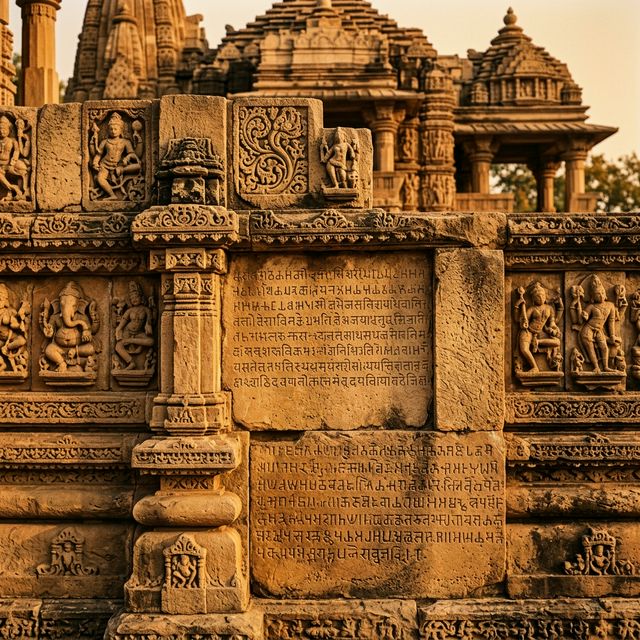
Currently housed in the British Museum in London, this damaged stone inscription belongs to the reign of the Śilāhāra king Haripāladeva. The severely weathered stele dates to the full moon tithi of Māgha in the Śaka 1076 corresponding to 20th January 1155 CE, is engraved in Nāgarī script and composed in Sanskrit language mixed with Marathi.
This inscription records a local civic resolution about the vandalism of public infrastructure. The epigraph notes that miscreants had destroyed the water channels (nāḍa) surrounding a public well dedicated to the god Agnihotra in the village of Turubhāmra. In response, the village residents, led by the respected Sāhakaiya, convened during a holy occasion to formally resolve that any future damage to existing or newly built water channels would be met with strict punishment.
 Editor's Comment:
1. siddham | śaka 1076 bhāvasaṃvatsare māghaśuddhapaurṇṇamāsyāṃ parvvaṇi cāhurhome
2. lokasamūhe agnihotradevaprativaddhaturubhāmragrāmādhibhāk
3. ……rāceyā kūpapānapari je nāḍa acchanti te kavaṇeṃ duṣṭeṃ lopile
4. ..sthale nvate iti adya śrīharipāladevarājye śrīsāhakaiyaprabhṛti
5. sarvvani udakotsarggī nāḍa acchanti avaru je hohinti avaru pū………
6. dhi je…….kāru hotātī ca kiletila punarapi sāvukārācī nalī
7. …..abhiṣṭhaveṃ jo grāmabhuja sānu athavā adhiku kavaṇa viruddhipūrvvaka
8. eyācā lopa karī tehācī māya gāḍhava jhave || bahubhirvvasudhā dattā rā-
9. jabhiḥ sagarādibhiḥ | yasya yasya yadā bhūmistasya tasya tadā phalam ||
Lines 1 and 2
Success! In the śaka year 1076, the cyclic year being Bhāva, on the full-moon tithi of the bright fortnight of Māgha, on the holy occasion of the four homas (sacrifices) in the presence of a number of people—
Line 3
The channels around the public well, belonging to the residents of the village Turubhāmra dedicated to the god Agnihotra, have been destroyed by some evil-minded person.
Lines 4 and 5
So today, during the reign of the illustrious Haripāladeva, the respected Sāhakaiya and others have resolved that those who will damage the existing channels which drain out water as well as those that will be made hereafter and that of the Sāvukara………will be punished.
Line 6
The villager, whether of a low or of a high status, who, with a hostile intention, will cause damage to this channel in this place……,
(Here follows the curse of the ass and the woman.)
(Here follows the usual verse stating that the religious merit of the gift will accrue to him who is the ruler of the land at the time.)
| Dynasty: | Śilāhāra |
| Ruler: | Haripāladeva |
| Date: | 20th January 1155 (Māgha śuddha Pūrnimā, Śaka 1076) |
| Place: | Village Turubhāmra |
| Language: | Sanskrit mixed with Marathi |
| Script: | Nāgarī |
| Religion: | Vedic |
| Deities: | Agnihotra |
| Nature of grant: | Administrative order, Land donation |
| Purpose: | Protective administrative order safeguarding water channels of a public well dedicated to Agnihotra |
| Provenance of inscription: | Turubhāmra village |
| Type of Inscription: | Stone inscription |
| Source: |
