
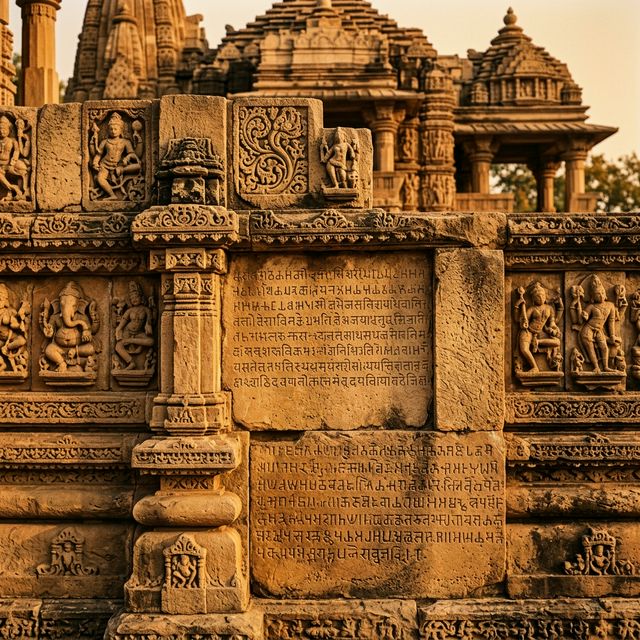
Originally in the possession of Dr. S. R. Bhandarkar, this three-plate copper charter belongs to the reign of the Śilāhāra ruler Raṭṭarāja. The plates are bound by a circular ring featuring a Garuḍa seal in human form. The text, composed in a mix of Sanskrit prose and verse with occasional Marathi intrusions, while the script continues to be Nāgarī. The record was drafted by the same scribe, Lokapārya, who engraved the Khārepāṭaṇ charter.
Issued from the capital city of Balipattaṇa (modern Kharepatan) on Sunday, the first tithi of the dark fortnight of Pauṣa in the Śaka 932 (1010 CE), the charter records a royal grant to Saṅkamaiya, son of the brāhmaṇa Nāgamaiya, the military chief (seṇavai). The donation comprised of a rice field yielding dual crop (vāiṅgaṇa) in the rice-village of Kalvāla and an areca-nut orchard in the hamlet of Āvaḍi, situated west of the agrahāra village Palaure. The grant was executed on Uttarāyaṇa saṅkrānti. The donation was made in the presence of guilds, artisans, chief officers, and the residents of the five maṭhas. The text concludes with the standard imprecatory verses and a reaffirmation of the legal requisites of a faultless charter.
 Editor's Comment:
First plate
1. siddham | svasti | śrīrapi vipulā stādabhima-
2. tadevatāprasādena | saṃsārasā –
3. radharmmakriyāvatāṃ prāṇināṃ sa –
4. tatam || āsīdvidyādharādhīśo
5. garuttmaddattajīvitaḥ | jīmūtaketoḥ sa –
6. tputro nāmnā jīmūtavāhanaḥ || tataḥ
7. silāravaṃśobhūtsiṃhalakṣmābhṛtāṃ vara-
8. ḥ | prabhūtabhūtasaubhāgyabhāgyavāṃstatra co-
9. rjjitaḥ || nāmnā saṇaphulaḥ khyātaḥ kṛ-
10. ṣṇarājaprasādavān | samudratīrasahyā-
11. ntadeśa saṃsādhako nṛpaḥ || tatsuto dharmma
12. evābhūnnāmnā dhammiyaraḥ paraḥ | pratā-
13. pavānmahādurggabalipattanakṛt kṛtī
14. || tasmādaiyaparājobhūdvijigīṣu-
15. guṇānvitaḥ | snātaścandrapurāsannanā-
16. likerāmbunā sa yaḥ || babhūvāvasarasta-
17. smānnītistrārthatattvavit | ekane-
18. trapralagdhārikāṇḍaścaṇḍaparākramaḥ ||
19. ādityavarmmā putrobhūttejasādityava-
20. ttataḥ | tasmādavasarāryobhūjjitāri-
21. rddharmmavānnṛpaḥ || cemūlyacandrapuraja-
22. kṣmābhūtsāhāyyakārakāt | tatobhava-
23. dindarastyāgabhogātisundaraḥ ||
Second Plate : First Side
24. tasmātprabhūtabhāgyobhūdbhīmo bhī-
25. mābhavikramaḥ | tejasā rāhuva –
26. grastacandramaṇḍala ujjavalaḥ || ta-
27. taścāvasaro rājā jātotīva-
28. vivekavān | prājñaḥ prājñajanā-
29. vāsaḥ dhīraḥ paramarūpavān || raṭṭa-
30. nāmābhavattasmādrājā puṇyavatāṃ va –
31. raḥ | nītijño nītiśāstrārthavṛddha-
32. sevī jitendriyaḥ || tasya mamāṇḍa-
33. likaśrīraṭṭāryarājarājye | candrā-
34. rkapravarddhamāna[pū]jye śrībalipatta-
35. ne || pañcamahāmaṭhasthānanagaraha-
36. Ñjamānapradhānāmātyavarggaḥ māhūya raṭṭarāja sambo-
37. ditam || śakatṛpakālātītasa-
38. ṃvatsara navaśaśateṣu dvātriṃśadadhi-
39. keṣvaṅkatopi 932 sādhāraṇasa –
40. ṃvatsarāntargata puṣyabahulaprati –
41. padi ravivāre uttarāyaṇasaṅkrā-
42. ntau samastarājābalīsamalaṅkṛ-
43. ta śrīraṭṭarājena svahastena hasto-
44. dakaṃ kṛtvā brāhmaṇaseṇāva-ināga-
45. maiyasutasaṅkamaiyasya kalvāla-
46. bhaktagrāmādvā-iṅgaṇakṣetra …
Second Plate : Second Side
47. …… stasyābhidhānam | javalarā-
48. …. ca valoṭhī atra ubhayata-
49. ḥ japatanabha ….. rāṣaṭkamaryā-
50. dāḥ | anyacca | agrahārapala-u –
51. regrāmātpaścimāyāmāvaḍi nāma
52. vāḍī tatra sañjhaiyanāmabrāhmaṇasta-
53. sya naptṛ kuṃvaraiyasya ca chāṭhavvaiya –
54. nāmā brāhmaṇastena ca svakīyana –
55. ptikā annaṇā svarūpeṇa śrīmāra-
56. saha pūgasthalī jīvaloko datta-
57. stasya maryādāḥ | pūrvvataḥ pāṣāṇade-
58. ulī | dakṣiṇataḥ nadī | paścimataḥ
59. voribhāṭhāsamīpasamudraḥ | uttara-
60. taḥ gāvoma | iti suprasiddhamaryā-
61. dā viśuddhaḥ | śrīraṭṭarājaputrapautraiḥ
62. etacca putrapautrebhyaḥ namasyarūpe-
63. ṇa sarvvaparihārānpratipālanīyam |
64. etadapaharaṇe mahāndoṣaḥ saṃpadya-
65. te || uktañca munibhiḥ | yānīha dattā-
66. ni purā narendrairddānāni dharmmārthaya –
67. śaskarāṇi | nirmmālyavāntaḥnta prati-
68. māni tāni ko nāma sādhuḥ punarā-
69. dadīta || bahubhirvasudhā bhuktā rā-
70. jabhiḥ sagarādibhiḥ | yasya yasya
Third Plate : First Side
71. yadā bhūmistasya tasya tadā phalam ||
72. sāmānyoyaṃ dharmmaseturnṛpāṇāṃ kā-
73. le kāle pālanīyo bhavadbhiḥ | sa –
74. rvānetānbhāvinaḥ pārthivendrānbhū-
75. yo bhūyo yācate rāmabhadraḥ || yastve-
76. vamabhyarthitopi kalikālamuṣitamana-
77. skaḥ purātanadharmmadāyaluptiṃ kariṣya-
78. ti sa eva nirayaphalamanubhaviṣyati
79. || uktaṃ ca | svadattāṃ paradattāṃ vā yo ha-
80. reta vasundharām | ṣaṣṭiṃ varṣasahasrāṇi
81. viṣṭhāyāṃ sa kṛmirbhavet || ṣaṣṭivarṣa-
82. sahasrāṇi svargge tiṣṭhati bhūmidaḥ |
83. ācchettā cānumantā ca tānyeva narakaṃ
84. vrajet || iti munivacanānyavadhārya
85. | samastāgāminṛpatibhiḥ pālanadha-
86. rmmaphalalobha eva karaṇīyaḥ | na pu-
87. nastallopakalaṅkaparairbhavitavyam ||
88. yathā caitadevam | śrīraṭṭarājaḥ svaha –
89. ste svahastamāropayati | svahastoyaṃ mama
90. śrīraṭṭarājasya | mudrāśuddhaṃ kriyāśu-
91. ddhaṃ bhuktiśuddhaṃ sacinhnakam | rājasva-
92. hastaśuddhaṃ tu śuddhimāyāti śāsanam ||
93. sāndhivigrahikaśrīdevapālārya-
94. sutena lokapāryanāmnā likhita-
95. midamiti || maṅgalaṃ mahāśrīḥ ||
Third Plate: Second Side
96. alaṃ haraṇena dānapadṛsya |
Success! Hail!
Verse 1
May the fortune of living beings who perform the religious observances which are the most important in their worldly existence, be in abundance by the grace of their favourite deity!
Verse 2
There was the lord of the Vidyādharas, Jīmūtavāhana by name, a good son of Jīmūtaketu, who sacrificed his life to Garuḍa.
Verse 3
From him was descended the Silāra family, the best among the royal families of Siṃhala, which became extremely powerful as it had the good fortune of the blessings of abundant beings.
Verse 4
In that family there was the well-known king Saṇaphulla by name, who had the favour of Kṛṣṇarāja. He occupied the country stretching from the shore of the ocean to the Sahaya mountain.
Verse 5
He had a son, Dhammiyara by name, who was another Dharma incarnate.
Valorous as he was. He, the fortunate one, founded the great fort of Balipattana.
Verse 6
After him, there was king Aiyapa, who had the qualities of a conqueror, who was crowned with the water of the coconut trees growing near Candrapura.
Verse 7
From him was born Avasara I, who was conversant with the principles of the science of politics; who, being of terrible valour, burnt with his sole eye the bundle of sticks in the form of his enemies.
Verses 8-9
From him was born his son named Ādityavarman, whose splendour was like that of the Sun. From him was born Avasara II, a righteous king, who vanquished his enemies, and who rendered military assistance to the rulers of Cemūlya and Candrapura. From him was born Indrarāja, who appeared very splendid by his liberality as well as the enjoyment of pleasures.
Verse 10
From him was born Bhīma of abundant fortune, valorous like the Pāṇḍava Bhīma, who, brilliant as he was, annexed Candramaṇḍala by his valour even as Rāhu devours the moon by his lustre.
Verse 11
From him was descended king Avasara III, possessed of great discrimination. Wise as he himself was, he gave support to learned men. He was brave and had a very handsome form.
Verse 12
From him was born the king, Raṭṭa by name, the foremost among the meritorious, conversant with political wisdom, and self-controlled, who waits upon those who are proficient in the principles of political science.
Line 32
In prosperous Balipattana situated in the kingdom of mahāmāṇḍalika Raṭṭarāja, which is increasing and venerable like the Sun and the Moon—
Raṭṭarāja, having called together the residents of the five great maṭhas, guilds, artisans and the chief amātyas, informs them as follows:-
Be it known to you. On the occasion of the Uttarāyaṇa Saṅkrānti, on Sunday, the first tithi of the dark fortnight of Puṣya (i.e. Pauṣa) in the cyclic year Sādhāraṇa in the years nine hundred increased by thirty-two, which have elapsed by the era of the śaka King, in figures also 932, the illustrious Raṭṭarāja, adorned with all royal titles, has, by pouring water with his own hand on the hand of the donee, granted to Saṅkamaiya, son of the Brāhmaṇa Seṇāvai Nāgamaiya, a rice–field yielding two crops annually in the rice-village of Kalvāla, with……… an orchard of areca-nuts was also given to him as a means of livelihood of a Brāhmaṇa named Chāṭhavaiya, son of Kuṃvaraiya, grandson of the Brāhmaṇa Sañjhaiya, residing in the hamlet named Āvaḍi, situated to the west of the agrahāra village Palauree, for the religious merit of his grand-daughter Annaṇā, ………… the well-known boundaries of the orchard being as follows—on the east, a stone temple; on the south the river; on the west, the sea near Voribhāṭhā; on the north, the village Gāvoma.
Line 61
The sons and grandsons of the illustrious Raṭṭarāja, should preserve this gift as tax-free, with all the exemptions in favour of the sons and grandsons of this Brāhmaṇa. If this gift is confiscated, there would be a great sin. And it has been said by the sages –
(Here follow three benedictory and imprecatory verses.)
Line 75
He who, though thus entreated, will confiscate this old religious gift, his mind being clouded by the Kali Age, will experience the effect of his action in a hell.
(Here follow two similar verses.)
Line 84
Having understood these sayings of the sages, all future kings should covet only the religious reward of the preservation of this gift and should not incur any infamy due to its confiscation.
In confirmation of this gift, the illustrious Raṭṭarāja puts his hand to his signature.
“This is the signature of Me, the illustrious Raṭṭarāja.”
Verse 18
A charter becomes authoritative when it is faultless in regard to its seal, faultless in regard to the observance of rules, and faultless as regards possession, and has the requisite marks, and is faultless in respect of the king’s signature.
This has been written by the son, named Lokapārya, of the Sāndhivigrahika, the illustrious Devapāla.
May there be bliss and great prosperity!
Do not take away this gift-charter.
| Dynasty: | Śilāhāra |
| Ruler: | Raṭṭarāja |
| Date: | 23rd December 1010 CE (Puṣya Kṛṣṇa Pratipadā, Śaka 932) |
| Place: | Balipattana |
| Donor: | Raṭṭarāja |
| Donee: | Saṇkamaiya and Chāṭhavaiya |
| Language: | Sasnkrit with minor influences of Marathi |
| Script: | Nāgarī |
| Occasion: | Uttarāyaṇa Saṅkrānti |
| Religion: | Vedic |
| Nature of grant: | Land donation |
| Purpose: | For religious merit of the donor and providing livelihood to the donee |
| Provenance of inscription: | Balipattaṇa (modern Kharepatan), Ratnagiri, Karnataka |
| Type of Inscription: | Copperplate grant |
| Source: |
