
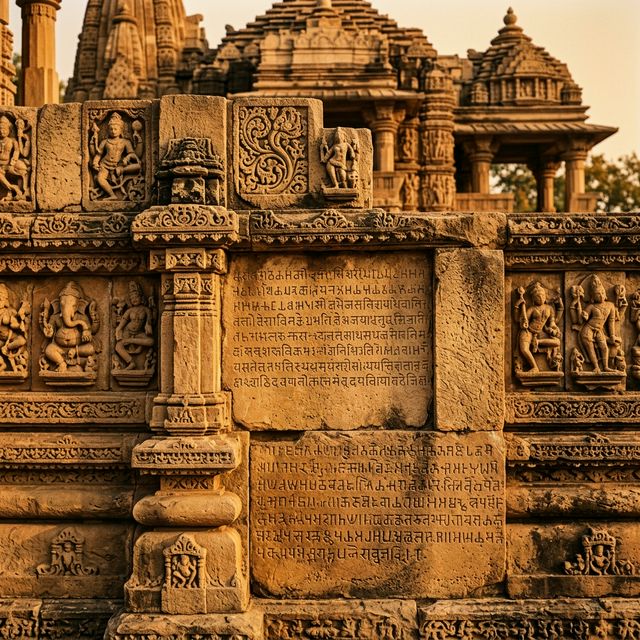
The Thane plates of Arikesarin, discovered at the fort of Thane in 1787, represent the earliest recorded discovery of a Śilāhāra copper-plate grant. Although the original plates are currently untraceable, their text has been reconstructed based on a translation published by General Carnac in the Asiatic Researches (1788) and through comparative analysis with standard dynastic drafts. Issued in Śaka 939 (1017 CE), this document is the sole known epigraphic record of King Arikesarin for the time being, making it sole source for filling the lacunae in the genealogy and chronology of the North Konkan Śilāhāra lineage.
The inscription records a royal endowment by mahāmaṇḍaleśvara Arikesarin, granting three villages, Cāvināra, Tokabalāpallikā, and Aulakīyā, situated in the Vareṭikā viṣaya. The beneficiary was the royal preceptor and ācārya Tikkapaiya of the Jāmadagnya gotra and the Ṛgveda śakha, with the grant intended to support the performance of the six brahmanical duties and rites such as bali, caru, and agnihotra. Issued during a lunar eclipse in Kārttika, the charter asserts the king's sovereignty over the Purī-Koṅkaṇa region of fourteen hundred villages. The document was authenticated by high-ranking officers, including the mahāmātya Vāsapaiya, and was scribed by Joupaiya, the nephew of the great poet (mahākavi) Nāgalaiya.
 Editor's Comment:
First Plate
1. siddham | jayaścābhyudayaśca || labhate sarvvakāryeṣu pūjayā gaṇanā yakaḥ | vighnaṃ nighnansa vaḥ pāyādapāyā-
2. dgaṇanāyakaḥ || sa vaḥ pātu śivo nityaṃ yanmaulau bhāti jāhnavī | sumeruśikharodgacchacandraka-
3. lopamā || yo devaḥ svayameva mūrdhni vihitāṃ dhatte himāṃśoḥ kalāmatyantojjvalabālaketakaśi-
4. khārekhāsthitiṃ vibhratīm | vyālādhīśapinaddhapiṅgalajaṭājūṭāṭāvīmaṇḍito bhūyādvaḥ sa sadā prakā-
5. śitavaraḥ kṣemaṅkaraḥ śaṅkaraḥ || jīmūtaketutanayo niyataṃ dayālurjjīmūtavāhana iti trijaga-
6. tprasiddhaḥ | dehaṃ nijaṃ tṛṇamivākalayanparārthe yo rakṣati sma garuḍātkhalu śaṅkhacūḍam || tasyānvaye
7. narapatiḥ samabhūtkaparddī sīlāravaṃśatilako ripudarppamarddī | tasmādabhūcca tanayaḥ pulaśakti-
8. nāmā mārttaṇḍamaṇḍalasamānasamṛddhadhāmā || jātavānatha laghuḥ sa kaparddī sūnurasya sakalairari-
9. vaggaiḥ | yadbhayena salilāṃ jaliruccairddīyate sma nijarājya sukhāya || tasmādabhūcca tanayo bhuva-
10. naikavīraḥ śrīvappuvanna iti saṅgararaṅgadhīraḥ | śrījhañjha ityabhavadasya sutaḥ sukīrttīrbhrātātha go-
11. gginṛpatiḥ samabhūtsumūrttiḥ || tasmādvismayakārihāricaritaḥ prakhyātakīrtiḥ sutaḥ śrīmānvajja-
12. ḍadevabhūpatirabhūdbhūcakracūḍāmaṇiḥ | dordaṇḍaikabalasya yasya sahasā saṅgrāmaraṃgāṃgaṇe rājya-
13. śrīḥ svayametya vakṣasi ratiṃ cakre murāreriva || jayanta iva vṛtrāreḥ purāreriva ṣaṇmukhaḥ |
14. tataḥ śrīmānabhūtputraḥ saccaritroparājitaḥ || karṇṇastyāgena yaḥ sākṣātsatyena ca yudhiṣṭhiraḥ |
15. pratāpāddīptimārttaṇḍaḥ kāladaṇḍaśca yo dviṣām || śaraṇāgatasāmantā apare.api hi jagati rakṣi-
16. tā yena | sa jayati yathārthanāmā śaraṇāgatavajrapañjaro devaḥ ||
anavaratakanakadānairjaga-
17. didamācchāditaṃ sadā yena | tena tribhuvanamadhye tyāgajagajjhampi nāmābhūt || ye vā kecidudaṇḍa-
18. cakracaritaistaistairupetā nṛpāḥ satyatyāgaparākramātiśayatāṃ śaṃsanti śaśvaddhiyā | sthā-
19. nabhraṣṭasamāśritakṣitibhujāṃ rājyasthitiṃ sasṛje | soyaṃ rājapitāmaho vijayatāṃ sāmanta-
20. dīkṣāguruḥ || api ca | yena svāgatamāgatā ya vihitaṃ gommāya nānāvidhaṃ yenaivaiyapade-
21. vanāmni calitaṃ rājyaṃ sthiraṃ kāritam | bhillammāmmaṇamambuvakṣitibhujāṃ dattaṃ ca yenābhayaṃ ta-
22. sya śrībirudaṅkarāmanṛpateranyatkimāvarṇyate ||
Second Plate: First Side
śrīmānabhūttadanu vajjaḍadevanāmā
bhūpālamastakamaṇistanayo nayajñaḥ |
adyāpi yasya caritāni janāḥ samastā
romāñcakañcukitagātralatāḥ stuvanti ||
tadbhrātātha tatorikesarinṛpo jātaḥ satāṃ sammato
dṛptārātikulācalaikadalane dambholilīlāṃ dadhat |
gatvā śaiśava eva sainyasahito dṛṣṭvā ca someśvaraṃ
tasyāgre piturājñayā jagadalaṃ yaḥ kīlayitvāgataḥ ||
lambālakāni kucakumbhataṭopakaṇṭha-
prabhraṣṭahāralatikāni nirañjanāni |
utkhātatīkṣṇakaravālavidāritasya
yontaḥ purāṇi paripanthijanasya cakre ||
hatārinārīnetrāmbhassekasaṃvardhanādiva |
brahmāṇḍamaṇḍapaṃ yasya kīrtivallyatirohati ||
atha svakīyapuṇyopacayātsamadhigatapañcamahāśabda mahāsāmantādhipatitagarapuraparameśvaraśīlāranarendrajīmūtavāhanānvayaprasūtasuvarṇagaruḍadhvajasahajavidyādharatyāgajagajjhampapaścimasamudrādhipatikaligalāṅkuśa villaviḍeṅga śaraṇāgatavajrapañjaraprabhṛtisamasta- rājāvalīsamalaṅkṛtamahāmaṇḍaleśvaraśrīmadarikesaridevarājo nijabhujopārjitānekamaṇḍalasametāṃ purīpramukhacaturdaśagrāmaśatīsamanvita- samagrakoṅkaṇabhuvaṃ samanuśāsati | tasyaitadrājyacintābhāraṃ samudvahati mahāmātyaśrīvāsapaiye tathā mahāsāndhivigrahike śrīvārdhiyapaiye satyetasmin kāle pravartamāne sa mahāmaṇḍaleśvaraḥ śrī-arikesaridevarājaḥ sarvāneva śrīsthānakapuravāsino yathāsambadhyamānakānanyānapi samāgāmirājaputramantripurohitāmātyapradhānāpradhānanaiyogikān niyuktāniyuktarājapuruṣajanapadān tathā haṃyamananagarapauratrivargaprabhṛtīṃśca praṇatipūjāsamādeśaiḥ sandiśatyastu vaḥ saṃviditaṃ yathā-
calā vibhūtiḥ kṣaṇabhaṅgi yauvanaṃ kṛtāntadantāntaravarti jīvitam |
tathāpyavajñā paralokasādhane nṛṇāmaho vismayakāri ceṣṭitam ||
tathā cāntarlīnajarārākṣasīprārabdhagrāsaṃ yauvanaṃ svargavāsānnarakapātasamamiṣṭasamāgamaviyogaduḥkhaṃ pavanacalitakamalinīdalagatajalalavataralatare dhanāyuṣī kadalīgarbhavadasāraḥ saṃsāra iti matvā dṛḍhataraviraktibuddhyā saṃgṛhṇīyād dānaphalam |
kṛtatretādvāpareṣu tapotyarthaṃ praśasyate
munayotrānuśaṃsanti dānamekaṃ kalau yuge ||
na tathā saphalā vidyā na tathā saphalaṃ tapaḥ
yathātra munayaḥ prāhurdānamekaṃ kalau yuge ||
tathā coktaṃ bhagavatā vyāsena-
agnerapatyaṃ prathamaṃ suvarṇaṃ bhūrvaiṣṇavī sūryasutāśca gāvaḥ |
lokatrayaṃ tena bhaveddhi dattaṃ yaḥ kāñcanaṃ gāñca mahīñca dadyāt ||
āsphoṭayanti pitaraḥ pravalganti pitāmahāḥ |
bhūmidosmatkule jātaḥ sa naḥ saṃtārayiṣyati ||
bhūmidānaṃ supātreṣu sutīrtheṣu suparvasu |
agādhāpārasaṃsārasāgarottāraṇaṃ bhavet ||
dhavalānyātapatrāṇi dantinaśca madoddhatāḥ |
bhūmidānasya puṇyāni phalaṃ svargaḥ purandara ||
iti dharmādharmavicāracārucirantanamunivacanānyavadhārya mātāpitrorātmanaśca śreyorthinā mayā śakanṛpakālātītasaṃvatsaraśateṣu navasvekona- catvāriṃśadadhikeṣu piṅgalasaṃvatsarāntargatakārttikaśuddhapañcadaśyāṃ yatrāṅkatopi saṃvat 939 kārttika śuddha 15 sañjātasomagrahaṇaparvaṇi . . . . . . . . . udadhau snātvā gaganaikacakracūḍāmaṇaye trailokyacakṣuṣe kamalinīkāmukāya bhagavate savitre nānāvidhakusumaślāghyamarghyaṃ dattvā sakalasurāsuraguruṃ tralokyasvāminaṃ bhagavantamamvikāpatimabhyarcya yajanayājanādhyaya- nādhyāpanādiṣaṭkarmaniratāya kratukriyākāṇḍaśauṇḍāya . . . . . . . . . śrīsthānakapurādhivāstavyāya jāmadagnyagotrāya kriyānadīṣṇe vah vṛcaśākhine jyotirvide śrīchintapaiyasutāya purohitācāryaśrītikkapaiyāya yajanayājanādhyayanādhyāpanādiṣaṭkarmakaraṇāya balicaruvaiśvadevāgnihotrādinityanaimittikakriyātithipūjādyupasarpaṇārthaṃ svaparigrahapoṣaṇārthaṃ ca vatsarāja viṣayāntaḥ pāticāvināragrāmaḥ yasya cāghāṭanāni pūrvataḥ pū-agamvāgrāmaḥ parvatapānīyaprapātaḥ dakṣiṇataḥ nāgāmvāmūlāḍogarikāgrāmau paścimataḥ sāmvarapallikā nadī uttarataḥ sāmvivekāṭiyālakagrāmau tathā ca samagrā tokavalāpallikā yasyāścāghāṭanāni pūrvataḥ sīdāvalī dakṣiṇataḥ mothalanadī paścimataḥ kākādevahallapallikā bādavirakaśca uttarataḥ talāvalīpallikā ca | tathā ca aulakīyāgrāmaḥ yasya cāghāṭanāni pūrvataḥ tadagaḥ dakṣiṇataḥ govinī paścimataḥ carikā uttarataḥ kalivalāyacolī—evaṃ caturāgāṭanopalakṣitāḥ svasīmāparyantāḥ satṛṇakāṣṭhodakopetāḥ pūrvadattadevadāyabrahmadāyavarjamā- candrārkaparvatakālamaryādayā namasyavṛttyā udakātisargeṇa paramayā bhaktyā pratipāditāḥ |
tadasya sānvayavandhorbhuñjato bhojayato vā na kenāpi paripanthanā karaṇīyā | yata uktameva mahāmunibhiḥ-
bahubhirvasudhā bhuktā rājabhiḥ sagarādibhiḥ |
yasya yasya yadā bhūmistasya tasya tadā phalam ||
sadyodānaṃ nirāyāsaṃ sāyāsaṃ dīrghapālanam |
ata evarṣayaḥ prāhurdānācchre yonupālanam ||
dattvā bhūmiṃ bhāvinaḥ pārthivendrān
bhūyo bhūyo yācate rāmabhadraḥ |
sāmānyoyaṃ dharmaseturnṛpāṇāṃ
kāle kāle pālanīyo bhavadbhiḥ ||
yānīha dattāni purā narendrairdānāni dharmārthayaśaskarāṇi |
nirmātyavāntapratimāni tāni ko nāma sādhuḥ punarādadītaṃ ||
iti cirantanamunivacanānyavadhārya sarvairapi āgāmibhūpatibhiḥ pālanadharmaphalalobha eva karaṇīyaḥ | na punastallopapāpakalaṃ kāgresareṇa kenāpi bhavitavyam | yastvevamabhyartthitopi lobhādajñānatimirapaṭalāvṛtamatirācchindyādācchidyamānaṃ vānumodeta sa pañcabhirapi mahāpātakairupapātakaiśca liptau rauravamahārauravāndhatāmisrādinarakāṃściramanubhaviṣyati | tathā coktaṃ bhagavatā vyāsena |
svadattāṃ paradattāṃ vā yo hareta vasundharām |
sa viṣṭhāyāṃ kṛmirbhūtvā kṛmibhiḥ saha pacyate ||
vindhyāṭavīṣvatoyāsu śuṣkakoṭaravāsinaḥ |
mahāhayo hi jāyante bhūmidānaṃ haranti ye ||
gāmekāṃ vastramekaṃ bhūmerapyekamaṅgulam |
harannarakamāpnoti yāvadābhūtasaṃplavam ||
ārāmāṇāṃ sahasreṇa taḍāgānāṃ śatena ca |
gavāṃ koṭipradānena bhūmihartā na śudhyati ||
ṣaṣṭivarṣasahasrāṇi svarge tiṣṭhati bhūmidaḥ |
ācchettā cānumantā ca tānyeva narake vaset ||
yathā caitadevaṃ tathā śāsanadātā lekhakahastena svamatamāropayati | yathā mataṃ mama mahāmaṇḍalaśvaraśrī-aparājitadeva-
sūnormahāmaṇḍaleśvaraśrī-arikesaridevarājasya yadatra śāsane likhitam | likhitaṃ caitanmayā śrīmad rājājñayā śrījo-upaiyena bhāṇḍāgārasenamahākavi śrīnāgalaiyabhrātṛsutena | utkīrṇaṃ ca mānadharapaiyena vedapaiyasuteneti |
yadatronākṣaramadhikākṣaraṃ vā tatsarvaṃ pramāṇamiti |
Success! May there be victory and prosperity!
Verse 1
May that Gaṇanāyaka (i.e. Gaṇapati) protect you from calamity—he who destroys obstacles and who, by means of worship, receives attention in all undertakings!
Verse 2
May that Śiva always protect you—he on whose head the Gaṅgā shines like the bright crescent of the moon as it rises over the peak of Sumeru!
Verse 3
May that Śaṅkara, adorned with a large mass of brown matted hair tied with the lord of serpents, secure your well-being at all times by means of his manifested boons—the god who bears the crescent moon which he has himself placed on his head and which resembles the extremely resplendent tender shoot of the Ketaka flower!
Verse 4
Jīmūtavāhana, the ever-compassionate son of Jīmūtaketu, is well-known in the three worlds—who, valuing his own body as not better than a straw, saved, indeed, Śaṅkhacūḍa from Garuḍa.
Verse 5
In his family there arose Kapardin I, an ornament of the Śilāra race, who quelled the arrogance of his enemies. From him was born his son, Pulaśakti by name, who resembled the orb of the sun by his brilliant splendour.
Verse 6
Then was born his son, younger Kapardin (i.e. Kapardin II), through fear of whom all his enemies offered libations of water to the pleasure derived from their kingdoms.
Verse 7
From him was born his son named the illustrious Vappuvanna, a unique warrior on the earth, courageous on the field of battle. His famous son was the illustrious Jhañjha. Thereafter, his brother Goggi of handsome form became king.
Verse 8
From him sprang a son named the illustrious Vajjaḍadeva I, famed for his astounding and attractive deeds, the crest-jewel of the circle of the earth. Royal Fortune, approaching him, all of a sudden and of her own accord, on the battlefield, felt delighted while sporting on the bosom of him whose strength lay solely in his own arm, as it does on that of Murāri.
Verse 9
To him was born an illustrious and virtuous son named Aparājita as Jayanta was to Indra and as the six-faced Kārttikeya was to Śiva.
Verse 10
Who was veritable Karṇa in liberality and Yudhiṣṭhira in truthfulness, who was the brilliant sun in valour and the rod of Yama to his enemies.
Verse 11
He, who gave protection to other feudatories also who sought refuge with him in this world—that king is indeed victorious, being rightly called ‘the adamantine cage affording protection to those seeking refuge.’
Verse 12
As he covered this whole world with his unceasing gifts of gold, he became well-known in the world by the title of the world-excelling donor.
Verse 13
Those kings who approached him with their vast armies always praised his unsurpassed truthfulness, charity and valour in their minds. Those who, having lost their kingdoms, sought refuge with him, were reinstated by him. May he who has initiated the sāmantas in proper discipline and isrightly calledd rāya-pitāmaha (Brahmā among kings) be victorious!
Verse 14
What else can be described of him who welcomed in various ways Gomma, who resorted to him for protection; who caused to be made firm the infirm rule of Aiyapadeva; who gave protection to the kings Bhillama, Ammaṇa and Mambuva; and who had the title of ‘Rāma among titleholders’?
Verse 15
From him was born the son named Vajjaḍadeva I, who mastered political science, and was a crest-jewel of kings, whose deeds all people even now praise, with their creeper-like bodies having clothes of horripilation.
Verse 16
Then there was born his brother, King Arikesarin, who had the grace of the thunderbolt in destroying the principal mountains in the form of arrogant foes, who, even when he was a boy, went with an army so Someśvara and having seen Godt god, came back after offering him the whole world as directed by his father.
Verse 17
Who caused the ladies in the harems of his enemies, slain by his short sword drawn out of its scabbard, to have dangling unbraided hair, to discard necklaces from their pitcher-like breasts, and to discard the use of collyrium usually applied to the eyes.
Verse 18
The creeper of whose fame rises above this bower of Brahmāṇḍa as if because it is made to grow by the sprinkling of water in the form of tears from the eyes of the wives of the enemies slain by him.
Now, while the mahāmaṇḍaleśvara, the illustrious king Arikesarideva—who, by his religious merit, has obtained the five mahāśabdas and who is adorned with all royal titles such as ‘the lord of the city of Tagara’, ‘a king of the Śilāhāra family’, ‘a scion of the family of Jimūtavāhana’, ‘he who has the ensign of the Golden Eagle’, ‘he who is a born Vidyādhara’, ‘he who excels the world in charity’, ‘the lord of the Western Ocean’, ‘a goad to the neck of the Kali Age’, ‘clever in the use of the bow’, ‘an adamantine cage for those who seek protection’ and so forth,—is ruling over the entire Koṅkaṇa country comprising fourteen hundred villages headed by Purī together with several maṇḍalas conquered by his arm and while the mahāmātya, the illustrious Vāsapaiya, and the mahāsāndhivigrahika, the illustrious Vārdhiyapaiya are shouldering the burden of the cares of government,—at that time the mahāmaṇḍaleśvara, the illustrious king Arikesarideva addresses, with salutation, honour and respect, all residents of the famous Sthānaka and all assembled princes, counsellors, the family priest, the amātyas, the principal and subordinate officers, the village people and government servants, whether formally appointed or not, and also the artisans, guilds, the three classes of townsmen and so forth as follows:-
Be it known to you! Prosperity is unsteady, youth is momentary, and life lies in the jaws of death; and still, men are indifferent to the acquisition of the other world. How surprising is this action of theirs!
And realising that youth is being devoured by the demoness of old age hidden inside the body, that grief of separation from one’s dear ones is like falling into hell after dwelling in heaven, and that wealth and life are extremely fickle like drops of water on the leaf of a lotus-plant tossed by wind, one should accumulate the reward of charity by firm non-attachment.
Verse 20
In Kṛta, Treta and Dvāpara ages penance is highly praised. But in the Kali Age, sages recommend only charity.
Verse 21
The sages say that in the Kali Age neither knowledge nor penance is as fruitful as charity.
And it has been declared by Vyāsa: -
Verse 22
Gold was the first product of fire, land belongs to Viṣṇu, and cows are offsprings of the Sun. He who gives gold, a cow and land give thereby the three worlds of Fire, Viṣṇu and the Sun.
Verse 23
The manes cry out and the grandfathers leap about: “There has been born in our family a giver of land! He will save us!”
Verse 24
A gift of land made to a worthy person at a sacred place and on a holy occasion would take one across the unfathomable ocean of worldly existence.
Verse 25
O Purandara! The rewards of the religious merit obtained by a gift of land are a white royal umbrella and elephants intoxicated in rut in this world and heaven in the other.
Having thought over such sayings of ancient sages which are delightful on account of their discrimination between religious merit and demerit, and with a view to secure the well-being of my parents and myself, I—having bathed in the ocean on the fifteen tithi of the bright fortnight of Kārttika, when nine hundred years increased by thirty-nine have elapsed by the era of the Śaka king, the cyclic year being Piṅgala, in figures, year 939, Kārttika, the bright fortnight, the tithi 15, on the occasion of the lunar eclipse which occurred on that tithi, and having offered an arghya with flowers of various kinds to the divine Sun, the sole crest-jewel of the sky and the lover of the lotus-plant, and having worshipped the divine Śiva, the consort of Ambikā, the lord of the three worlds and the guru of all gods and demons,—have given with great devotion and with exemption from taxes, confirming the gift with the pouring out of water, to the family priest and Ācārya, the revered Tikkapaiya, the son of the revered Chintapaiya, of the Jāmadagnya gotra and the Ṛgveda śākhā, who is an astrologer and is adept in religious performances, who is always engaged in the six duties of sacrificing for himself and others, studying the Vedas etc. and teaching them to others, and so forth, and who is proficient in the performance, of sacrifices, for the observance of the six duties, viz. sacrificing for himself and for others, studying and teaching of the sacred texts and so forth, for the performance of bali, caru, vaiśvadeva, agnihotra and such other obligatory and occasional rites, the honouring of guests and the maintenance of his own family,—the village Cāvināra comprised in the viṣaya of Vareṭikā, the boundaries of which are as follows: on the east the village Pūagambā and the waterfall from a hill, on the south the villages Nāgāmbā and Mūlāḍoṅgarikā, on the west Sāmbarapallikā, on the north the villages Sāmbive and Kāṭiyālaka; and also the entire Tokabalāpallikā, the boundaries of which are as follows; on the east Sīdāvalī; on the south the Mothala river; on the west Kākādevahallapallikā and Bādaviraka, on the north Talāvalīpallikā; and also the village Aulakīyā, the boundaries of which are as follows: on the east a tank; on the south Govinī; on the west Carikā; on the north Kalibalāyacolī—(these three villages) with their four boundaries thus marked, extending to their limits, together with grass, trees and water, and exclusive of gifts made previously to gods and Brāhmaṇas, to be enjoyed as long as the sun, the moon and the mountains endure.
Therefore, none should cause any obstruction while he, together with his descendants and relatives, enjoys them or causes them to be enjoyed; for it has been said by great sages:
(Here follow five benedictory and imprecatory verses.)
And as it is the giver of the charter records his approval by the hand of the scribe:
“What is written in this charter has been approved by me, mahāmaṇḍaleśvara, the illustrious king Arikesarideva, the son of the mahāmaṇḍaleśvara, the illustrious Aparājitadeva.”
And this has been written by me, the illustrious Joupaiya, the nephew of the Treasury officer, the great poet, the illustrious Nāgalaiya, by the order of the illustrious King. It has been engraved by Mānadharapaiya, the son of Vedapaiya.
Whatever is written here—in deficient or redundant syllables—all that is authoritative.
| Dynasty: | Śilāhāra |
| Ruler: | Arikesarin |
| Date: | 6th November 1017 CE (Kārttika śukla 15, Śaka 939) |
| Donee: | Family priest and ācārya Tikkapaiya |
| Language: | Sanskrit |
| Nature of grant: | Land donation |
| Purpose: | For religious merit of ruler and parents; for performance of bali, caru, vaiśvadeva, agnihotra, honoring of guests, and maintenance of donee’s family |
| Provenance of inscription: | Thane fort, Maharashtra |
| Type of Inscription: | Copperplate grant |
| Source: |
Bibliography & Research
- Altekar, A. S. (1936). The Śilāhāras of Western India. In: Bhandakar (Ed.). Indian Culture, 2, pp 393-434, here pp 408-409.
- Hultzsch, E. (1911). Banswara Plates of Bhojadeva [Vikram-] Samvat 1076. Epigraphia Indica, 11, 181-183.
- Mirashi, V. V. (Ed.). (1977). Corpus Inscriptionum Indicarum, Vol. VI: Inscriptions of the Śilāhāras. Archaeological Survey of India, pp xii-xiii and 44-54.
