
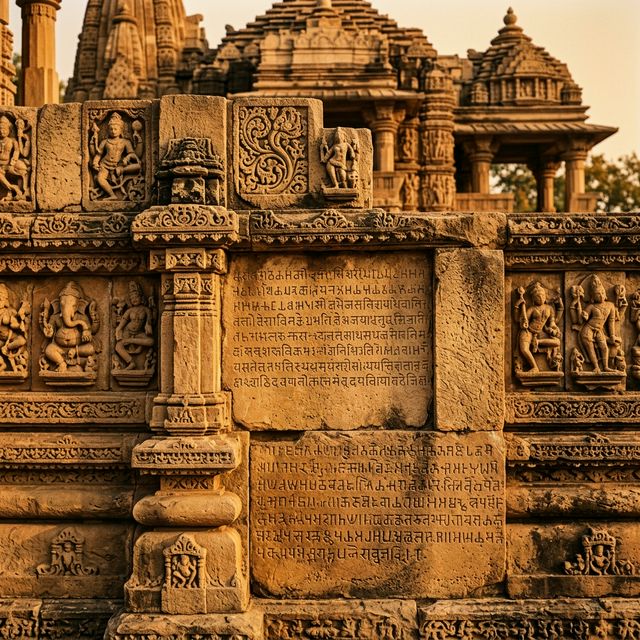
Discovered in a field at Tāḷale, Kolhapur District, Maharashtra, this three-plate copper charter belongs to the reign of the Śilāhāra ruler Gaṇḍarāditya of Kolhapur. The plates, inscribed in the Nāgarī script, feature an engraving on the first plate depicting a cow and its suckling calf alongside an upright double-edged sword, surmounted by the sun and moon. The text is composed in Sanskrit verse and prose, drafted by the poet Dāmodara and engraved by the architect Appoja.
The charter records a series of endowments made by mahāmaṇḍaleśvara Gaṇḍarāditya across two consecutive years. The first grant was issued in Śaka 1032 (1110 CE), while the king was encamped at Tīravāḍa in Eḍenāḍa. On this occasion, he donated sixteen vṛttis (maintenance grants) in the village of Guḍāya to sixteen newly married brāhmaṇas, along with an additional vṛtti to the superintendent who organized the feeding of a lakh of brāhmaṇas at Prayāga, a local confluence near Kolhapur. The king also the Pañchalāṅgala vrata in the following year and donated land in the village of Irukuḍi (modern Rukadi) to three separate deities, Īśvara i.e., Śiva, Buddha, and Arhat i.e., Jina, whose temples he had constructed near the Gaṇḍasamudra tank. Additional provisions were made for the headman of Guḍālaya, the maintenance of a perpetual lamp, a fireplace (agniṣtikā), a water station (prapā), and the supply of betel leaves.
 Editor's Comment:
First Plate
1. svasti | śrījayaścābhyudayaśca || jayati sa kaśyapasūnuryyaḥ pīyūṣaṃ jahāra jitvendram | jīmūtavā-
2. hanaṃ prati nāgānandaṃ ca yaḥ kṛtavān || śrīśailāhāravaṃśāṃbarataraṇirudeti sma mitrābja ban-
3. dhurvidviḍdhvāntaprahāro jatiganṛpatirasyātmajo nāyivarmā | tasyābhūccandrarājaḥ priyatamatana-
4. yaḥ śauryyasaṃpannivāsastasyāpatyaṃ vireje jatiganṛpatirasyātmajo goṅkarājaḥ || tadbhrātā gū-
5. balo rājā nirjitārivrajobhavat | tadbhrātā vidviṣāṃ jetā kīrttirājo nṛpo bhāvyabhāt || māro
6. vāravadhūjanasya samadadviṭkuṃbhisiṃhoraṇe yasmādabhyudito bhavatkṣitipatiḥ
7. śrīmārasihāhvayaḥ | putro goṅkanṛpasya satyanilayo laṅkeśvaraścājñayā cakre-
8. śapriyamātulotulaguṇaḥ śrīrūpanārāyaṇaḥ || tadātmajo gūvaladevanāmā nayāṃbudhiḥ
9. kṣātraguṇaikabhūmiḥ | jayāṅganāligitabāhudaṇḍo babhuva nityaṃ kunṛpapracaṇḍaḥ || tasyā-
10. nujanmā vinatāvanīśasatkuntalālyāvṛtapādapadmaḥ | śrībhojadevo ripuvāranārīvaidha-
11. vyadīkṣākaraṇaikadakṣaḥ || tadbhrātā subhagāṅganāratipatirbballālabhūpālakaḥ kiṃ varṇyaḥ khalu
12. yadyaśodhavalayadyāvāpṛthivyorvapuḥ | dṛṣṭvāharniśamātmanaśca kiraṇāninduḥ pramuṣṭāndivā
Second Plate: First Side
13. lajjopājjitahṛtkalaṅkamadhunā dhatte yamaṅkacchalāt || tasyānujanmā suciraṃ cakāsti śrīgaṇḍarā-
14. dityanṛpo jagatyām | vidviṣṭaduṣṭāvanipālarājighorāndhakārakṣaraṇaikadakṣaḥ || avāryatejā-
15. ssatatodayo yo manorayānantavicitravājī | rātrindivaṃ saṃparibhāsamānassaṃmānanāmānama-
16. dhaḥ karoti || pīnāṃbhojaśriyaṃ kurvvannuditaḥ khecareśvaraḥ | gaṇḍarādityabhūpālo vidviḍdhvāntāṅtaka-
17. ssadā || rājannīrejahasto vibudhatatinutassodayaḥ pratyahaṃ ca prāvirbhūtātmatejonuvicari-
18. tajano nātmakāryapravṛttaḥ | kṣoṇīmenāmanamana dinamadhikaṃ bhāsayannāsamantādekastho vyāptatejāḥ
19. khacaragaṇamaṇirgaḍarādityadevaḥ || samadhigatapañcamahāśabda mahāmaṇḍaleśvaraḥ
20. tagarapuravarādhīśvaraḥ śrīśilāhāranarendraḥ jīmūtavāhanānvayaprasūtaḥ suvarṇṇa-
21. garuḍadhvajaḥ maruvaṅkasarppaḥ ayyanasiṅgaḥ ripumaṇḍalikabhairavaḥ vidviṣṭagajakaṇṭharīvaḥ
22. iḍuvarādityaḥ rūpanārāyaṇaḥ śanivārasiddhiḥ giridurggalaṅghanaḥ kaliyugavikramādi-
23. tyaḥ śrīmanmahālakṣmīlabdhavaraprasādādisamastanāmāvalivirājitaḥ śrīmanmahāmaṇḍale-
24. śvaro gaṇḍarādityadevaḥ mirijadeśaṃ sasaptakhollaṃ sakoṅkaṇamekacchatreṇa duṣṭanigraha-
25. śiṣṭapratipālanapuraḥ saradharmeṇopabhuñjānaḥ eḍenāḍāntarggatatīravāḍagrāme bī-
26. ḍānuvṛttyā sukhasaṅkathāvinodena vijayarājyaṃ ciraṃ kurvvan śakanṛpakālātītadvā-
Second Plate: Second Side
27. triṃśaduttarasahasre virodhisaṃvatsare māghaśuddhadaśamyāṃ maṅgalavāre nānāgotrebhyaḥ ṣo-
28. ḍaśaviprebhyaḥ kanyādānaṃ kṛtvā tatpāṇigrahaṇasamaye vakavaṃne ścollāntarggataguḍāyanā-
29. magrāme gālaguṭṭisajayāpallyā praviṣṭayā saha varttamāne ścollaśuddhikṣetra mānadaṇḍena ni-
30. varttanatrayeṇaikaikāṃ vṛttiṃ kalpayitvā ṣoḍaśavṛttīḥ samanvitaikaikaniveśanāḥ samadā-
31. tat | śrīprayāge lakṣabrāhmaṇānbhojayitvā tadbhojanādhiṣṭhātre vṛttimekāmayacchat | tatsaṃva-
32. tsaroparitane vikṛtasaṃvatsarare vaiśākhapaurṇṇamāsyāṃ somagrahaṇaparvaṇi pañcalāṅgalavrataṃ kṛ-
33. tvā tadaṅgadakṣiṇayā vṛttidvayaṃ dadāti sma | mirijedeśāntarggata-irukuḍināmagrāme
34. jijanirmmitagaṇḍasamudrākhyataṭākopakaṭhe nijapratiṣṭhiteśvarabuddhārhadbhyaṃ pratye-
35. kamekaikaṃ nivarttanamiti tribhyaḥ trīṇi nivartanāni pradadau | guḍālathagrāmamūlikāya nivartta-
36. nāni catvāri vyatarat | guḍāleśvaradevākhaṇḍapradīpārttha magniṣṭikāgnipraguṇanārtthaṃ prapo-
37. dakapradānārtthaṃ sauparṇṇatāṃbūladānārtthaṃ ca vṛttimekāmadadāt || guḍāleśvaradevasya pūjāyai
38. nivartanamekaṃ pūrvaprasiddhameva pratipālitavān | tadgrāmapaścimadiśi pratiṣṭhitama-
39. hādevasya pūjāyai pūrvaprasiddhaṃ nivartanārddhaṃ pratipālitavān | evamanekavidhabhūmi-
40. dānena savṛkṣamālākulaṃ grāmaṃ dhārāpūrvakamācandratārakamāputrapautrirkaṃ saśāsanamayacchat |
Third Plate
41. tasya sīmā āgneyyāṃ diśi parvatāgre paṇutanarge khollasya sīmā tatpaścimato mayūravappayā
42. dakṣiṇataḥ māsānaprākāraḥ tatpaścimato laghusrotastato nadīpravāho yāvaccandanakālasaṅga-
43. maḥ taddakṣiṇasyāṃ diśi khadirasthāṇuḥ tatpaścimatastaṭākapāliḥ pramāṇaṃ | taddakṣiṇataḥ
44. agavālayasya khalayaṃ pramāṇaṃ taddakṣiṇataḥ maṇiyavappāḥ pramāṇaṃ tataḥ prāguktapaṇutarage –
45. khollasya sīmā pramāṇamiti | madvaṃśajāḥ paramahīpativaṃśajā vā pāpādapetamanaso bhuvi bhūmi-
46. pālāḥ | ye pālayanti mama dharmmamimaṃ samagraṃ tebhyo mayā viracitoñjalireṣa mūrdhni || sāmānyoyaṃ dha-
47. rmaseturnṛpānāṃ kāle kāle pālanīyo bhavadbhiḥ | sarvānetānbhāvinaḥ pārthivenbhū-
48. yo bhūyo yācate rāmacandraḥ || bahubhirvasudhā bhuktā rājabhissagarādibhiḥ | yasya
49. yasya yadā bhūmistasya tasya tadā phalam || svadattāṃ paradattāṃ vā yo hareta vasundharām | ṣaṣṭhiṃ varṣasa-
50. hasrāṇi viṣṭhāyāṃ jāyate kṛmiḥ || gāmekāṃ raktikāmekāṃ bhūmerapyekamaṅgulam | māharannaraka mā-
51. pnoti yāvadābhūtasaṃplavam || samadhigatanyāyārṇṇavasīmnā dīrṇṇānyavādikumahimnā | śrīdāmoda-
52. ranāmnā racitamidaṃ śāsanaṃ jayati || samadhigataśilāśāstraḥ kaṇḍaraṇakalākalāpasarvajñaḥ |
53. likhitāṃbhoruhagarbhaḥ śāsanamidamalikhadappojaḥ || yāvaccandraśca sūryaśca vyoma cāṃbudhaya-
54. stathā | tāvacca śrīśilāhāraśāsanaṃ jayatāddhruvam || śrīḥ | śrīḥ |
Hail! May there be glorious victory and prosperity!
Verse 1
Victorious is that son of Kaśyapa (Garuḍa), who, having conquered Indra, took away the jar of nectar and who caused delight to the serpents in regard to Jimūtavāhana.
Verse 2
There rose king Jatiga I, the sun in the sky of the glorious family of the Śilāhāras, a brother to the lotuses that were his friends, who destroyed the darkness in the form of his enemies. His son was Nāyivarman. His most dear son was Candrarāja, an abode of courage and fortune. Then there shone his offspring king Jatiga II. His son was Goṅkarāja.
Verse 3
His brother was king Guvala I, who vanquished a number of enemies. Then there shone his brother king Kīrtirāja, the conqueror of his enemies.
Verse 4
After him, the son of king Goṅka, Mārasiṃha by name, became the ruler, who was a veritable cupid to courtesans, a lion to the rutting elephants in the form of arrogant foes in battle, an abode of truth, the Lord of Laṅkā, by his commands, whose maternal uncle was dear to the Emperor, who possessed matchless qualities, and was the god Viṣṇu himself in respect of handsome form.
Verse 5
His son was named Guvaladeva II, an ocean of political wisdom, the sole centre of war-like qualities, whose long arm was clasped by the Lady of victory, and who was always dreadful to wicked princes.
Verse 6
His younger brother was the illustrious Bhojadeva I, whose lotus-like feet were covered by the handsome locks of kings bending before him, and who was clever in initiating in widowhood, the courtesans of his enemies.
Verse 7
His brother was king Ballāla, who was cupid to beautiful women. How can he, indeed, be described whose glory whitened the expanse of the sky and the earth? Having seen his rays robbed from him day and night by him (Ballāla), this moon now bears, in the guise of his spot, the stigma of his heart caused by shame.
Verse 8
His younger brother, the illustrious king Gaṇḍarāditya, has been shining in the world for a long time. His sole aim is to dispel the pitchy darkness in the form of a multitude of wicked enemies.
Verse 9
He whose valour is irresistible, who is always prosperous, who has innumerable wonderful horses which have the speed of the mind, and who is shining day and night, excels the Sun which bears the same name as he; for the latter’s lustre can be avoided, it rises only during day-time, it has only seven horses of ordinary speed, and it does not shine at night.
Verse 10
King Gaṇḍarāditya is the Sun, the lord of the Vidyādharas as the Sun is of planets; who develops the prosperity of the people as the Sun does the beauty of the lotuses; for he always destroys the enemies as the Sun dispels darkness.
Verse 11
King Gaṇḍarāditya is the Sun, a jewel among Vidyādharas as the Sun is among heavenly bodies. Like the Sun, holding lotuses in his hands, he shines with his lotus-like hands as the Sun is praised by a multitude of gods, he is lauded by a number of wise men; like the Sun, he shines every day; like the Sun, he makes the people active by his power, and is not actuated by any selfish object; like the Sun he, though stationed in one place, has enveloped all the regions around by his lustre, and day after day, makes this earth look more and more glorious.
Line 19-26
The illustrious mahāmaṇḍaleśvara Gaṇḍarādityadeva—who is adorned with all royal titles such as ‘one who has obtained the five mahāśabdas’, mahāmaṇḍaleśvara, ‘the lord of Tagara, the best of towns,’ ‘the illustrious Śilāhara king.’ ‘he who is born in the family of Jīmūtavāhana,’ ‘he who has the golden Garuḍa as his emblem,’ Maruvaṅkasarpa, Ayyanasiṅga, ‘a veritable Bhairava to the hostile feudatories,’ ‘a lion to the elephants in the form of his foes,’ Iḍuvarāditya, ‘Nārāyaṇa in respect of a handsome form,’ ‘he who is successful even on Saturdays,’ ‘the seizer of fortified hills,’ ‘Vikramāditya of the Kali Age,’ ‘he who has obtained a boon by the favour of the seven khollas and Koṅkaṇa, righteously by curbing the wicked and protecting the good, is reigning victoriously for a long time, holding pleasant conversation as is the custom in a camp in the village of Tīravāḍa situated in the territory of Eḍenāḍa.
Line 26-30
On Tuesday, the tenth tithi of the bright fortnight of Māgha in the cyclic year Virodhin, when one thousand and thirty-two years had elapsed by the era of the Śaka king, he gave girls in marriage to sixteen Brāhmaṇas of various gotras, and at the time of the nuptial ceremony he donated sixteen vṛttis, each provided with a residential house, and consisting of three nivartanas by the current measure, in the sacred place of the ścholla, situated in the village named Guḍāya with the hamlet of Gālaguṭṭisajayāpallī attached to it, which is comprised in the Vakavaṃna ścholla.
Line 31-41
He also donated one vṛtti to the Superintendent of the function, when he caused a lakh Brāhmaṇas to be fed at the holy Prayāga.
In the succeeding year on the holy occasion of a lunar eclipse which occurred on the full-moon day of Vaiśākha in the cyclic year Vikṛta he, having observed the vow of Pañchalāṅgala, donated two vṛttis by way of dakṣiṇā in connection there with.
In the village of Irukuḍi situated in the Miriñja-deśa, he donated three nivartanas, one to each of the three, viz., Īśvara (Śiva), Buddha and Arhat (Jina), whose images he had installed in temples on the bank of the tank Gaṇḍsamudra constructed by himself.
He donated four nivartanas to the headman of the village of Guḍālaya. He also gave one vṛtti for maintaining a perpetual lamp in the temple of Guḍāleśvara, for the performance of agniṣṭikā, for supplying water to the people at the prapā, and for providing tāmbūla of good betel leaves for them. He continued the gift of half a nivartana made previously for the worship of Guḍāleśvara. He also continued the gift of half a nivartana previously granted for the worship of Mahādeva installed in the western region of that village.
He has thus donated, by pouring water, that village together with the rows of trees by making various gifts detailed above by means of a charter to last as long as the moon and the stars endure, and to be enjoyed by the sons and grandsons of the donees.
Line 41
The boundaries of the village are as follows: On the south-east, the boundary of the kholla of Paṇutarage; on the west, Mayūravappayā; on the south, the wall of Māsāma; on its west, a small water-course; then the stream of the river until it joins the Chandanakāla; on its south a Khadira stump; on its west, the bank of the tank; on the south of it, the threshing floor of Agavālaya is the correct boundary; on its south, Maṇiyavappās are the authoritative limit; thereafter, the boundary of the aforementioned kholla of Paṇutarage is to be regarded as the correct limit.
(Here follows an appeal to future rulers for the preservation of the gift, and benedictory and imprecatory verses.)
Verse 17
Victorious is this charter composed by the poet named Dāmodara, who has reached the other shore of the ocean of Nyāya, and has destroyed the undeserved greatness of other disputants.
Verse 18
Appoja, who has mastered the science of architecture, and knows fully the art of engraving, and who has written several inscriptions even as a pond has many lotuses, has written this charter.
Verse 19
May the charter of the illustrious Śilāharas be of sure victory as long as the Moon and the Sun and also the oceans endure!
Srī. Srī.
| Dynasty: | Śilāhāra |
| Ruler: | Gaṇḍarāditya |
| Date: | 5th May 1110 CE (Śaka 1032 - 1035) |
| Donee: | Several Brāhmaṇas & temple establishments |
| Language: | Sanskrit |
| Deities: | Īśvara, Buddha, and Arhat |
| Nature of grant: | Religious endowment |
| Purpose: | Maintenance of Śaiva, Buddha and Jaina temples |
| Provenance of inscription: | Talale, Kolhapur, Maharashtra |
| Type of Inscription: | Copperplate grant |
| Source: |
