
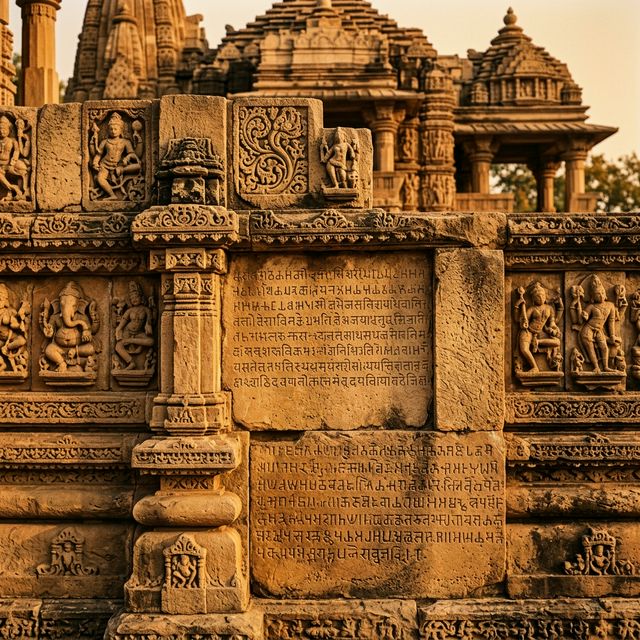
This set of three copper plates, preserved in the Chhatrapati Shivaji Maharaj Vastu Sangrahalaya (CSMVS), Mumbai, constitutes the earliest known grant of the North Konkan Śilāhāras to date. Written in the Nāgarī script and Sanskrit language, the record is undated but assigned paleographically to mid-tenth century CE, coinciding with the reign of the Rāṣṭrakūṭa emperor Kṛṣṇa III. It was issued by his subordinate mahāsāmanta Chhadvaideva.
Opening with invocations to Viṣṇu and Śiva, the text eulogizes the imperial Rāṣṭrakūṭas, specifically Amoghavarṣa III and Kṛṣṇa III, before tracing the Śilāhāra lineage from the mythical Jīmūtavāhana to the donor’s father, Goggi. The operative part records that mahāsāmanta Chhadvaideva formally executed a land grant originally promised by his elder brother and predecessor, Vajjaḍadeva, who had not committed the gift to writing during his lifetime. The charter donates three fields in the village of Sālaṇaka, within the Pāṇāḍa viṣaya, to the brāhmaṇa Cāḍādeva of the Kāśyapa gotra, a student of the Ṛgveda living at Janhupura. Intended for the performance of bali, caru, and agnihotra rites, the grant was ratified during a lunar eclipse and concludes with standard imprecatory verses protecting the endowment.
 Editor's Comment:
First Plate
1. siddham | śrīrvvarddhatāṃ navodyānarājīvāyatanettryā | śivaḥ sahomayā cāstāṃ rājīvāyatanettryā ||
2. sa vovyādvedhasā dhāma yannābhikamalaṃ kṛtam | haraśca yasya kānteṅdukalayā kamalaṅkṛtam ||
3. nettrādattrerabhūdbhūrisudhāṃśuḥ tarppitāmaraḥ | candrmā jagadānandakandakandalanakṣamaḥ ||
4. tasyāṅgajojani budho vibudhādhīśapūjitaḥ | sutaḥ purūravāstasya tasyāpyāyurajāyata ||
5. evamacchinnasantānajāyamāneṣu rājasu | yayātirabhavattasya sūnuryadurabhūdiha ||
6. tatastrilokītilakāyamāno vaṃśo yadūnāmabhavatpṛthivyām | śrīrāṣṭrakūṭāparanāmadheyo
7. yattrābhilebhe harirātmajanma || tattrāsīddantidurgaḥ prabhurapi ca tataḥ kṛṣṇa rājaḥ pi-
8. tṛvyastasmādgovindarājastadanu nirupamosmājjagattuṅgadevaḥ | puttrosyāmoghava-
9. rṣaḥ sakalaguṇanidhiḥ tasya cākālavarṣaḥ | tannaptā śrīndrarājaḥ prathitapṛthuyaśāḥ sārvva-
10. bhaumaḥ prajātaḥ || śrīmānamoghavarṣo bhrātāsya sutaṃ samūlamunmūlya | gojjigamanyā-
11. yakṛtaṃ somoghaṃ svayamaśātpṛthvīm || abhiṣekajalena samaṃ tapasviṣu śreyase sa-
12. mucchṛtya | yena dhanānīva malānanīyatātmā parāṃ śuddhim || sitāpattratrayamadhyava-
13. rttī rarāja yo rūpajitekṣudhanvā | upāsyamānaḥ śaradiduneva ttrirūpatāmetya maheśa –
14. buddhyā || śaṃbhoḥ ṣaḍānana ivāttrimunerivendū rāmo yathā daśarathasya harerjayaṃtaḥ |
15. tasyāṅgajopi caturaṃbudhimekhalāyā bharttā bhuvaḥ samabhavadbhuvi kṛṣṇarājaḥ || satya-
16. pi ratnābharaṇe jānānopi prasādhanaviśeṣam | yo vahati bhujena sadā kuvalayamāśca-
17. ryakaṃ loke || lakṣmyā nāgendrakarṇṇātiśayacapalatāṃ yauvanasyāyuṣaśca | yān devabrahma-
18. dāyān lulupuravanipāḥ pūrvvajā vismarantaḥ | saṃsārāsārabhāvaṃ manasi kalaya-
19. tā yena tenyepi muktā | dattāstebhyaśca gāvaḥ śivabhavanajuṣāṃ koṭiśaḥ kāñcanaṃ ca
20. || tasminpraśāsati mahīṃ samahīdharendrāṃ siṅhadyutau caturudanvadanindyakāṃcīm | smṛtvā hi… … … … ||
Second Plate: First Side
21. … …tānatijavānmāyāvino dhātakān caṇḍānmaṇḍalino viluptasamayānu –
22. ddhṛtya saṃtrāsayan | - - - - - mantradharmarabhasān daṇḍena pāṣaṇḍi-
23. kān sāma ntāṃścaturopi yena dalatā kāmaṃ narendrāyitam || tasmin śāsa-
24. ti pṛthvīṃ kṛṣṇanarendre narādhipaḥ śrīmāna | śīlārāmalavaṃśe sakalaguṇālaṅkṛte
25. chadvai || vidyādharaḥ svacaritādharitānyakīrtirjīmūtaketutanayo nayavikramāḍhyaḥ |
26. jīmūtavāhana iti prathitaḥ pṛthivyāṃ śrīmān svakāyamupadāya sudañcatā-
27. hīn || gandharvai - - - - - śrutvāhiñca divi priyam | guṇānurāgājjanmārthaṃ pū-
28. rvvajā yamaśiśriyan || jāmadagnyaśarāttrastaḥ śīlāracchadmanā tadā | sāgaro
29. rakṣitastaiśca prāpustannāma pūrvvajāḥ || śīlāranāmni taṭadvayayena devaḥ
30. sākṣādvabhau nijabhujājitakāmadevaḥ | ārātisindhumupamathya kare ka-
31. parddī lakṣmīmadhatta sa tu kā ñcanakaṅkaṇena || tasyātmajo yaḥ pulaśaktināmā
32. pṛthūpamaḥ pārthasamānakīrtiḥ | āsītpṛthivyāṃ prathitapratāpaḥ samasta-
33. sāmantanatāṅghri bhūpaḥ || tasyāpyaparaḥ śrīmāṅkaparddināmābhavatsuto nṛpa-
34. tiḥ | vappuvanomitaśaktiḥ śāsitabhūmaṇḍalobhavattasmāt || jhañjhaḥ sakalagu-
35. ṇaughaiḥ saṃpanno gīyate jagatyaniśam | ākhanḍala iva tasmādabhavatsāṅgrāmikair
36. guṇairviditaḥ || tasyāpyanujo jayavān gogginṛpo dviguṇajhañjha iti ga-
37. ditaḥ | tenā mārttaḍorvā tasmādapi kīrtisaṃpannaḥ || tasyāpyanujaḥ śrīmāṃścha-
38. dayanṛpo balinibhobhavattyāgāt | mahāhareriva ripavo dhvastā hyāsaṃśca
39. yasya nāmnaiva || sa cānekaghoṭakārūḍhacārucāṭabhaṭavinirjitapratipakṣasīmaṃ-
40. tinīnayanavāridhārāpravāhadhautamalinīkṛtakara ārāti yaśovagunṭhana-
41. vijayalakṣmīkalyāṇaparaṃparābhyudayaḥ samadhigatapañcamahāśabda mahā-
Second Plate: Second Side
42. sāmantaḥ śrīcchadvaidevaḥ sarvvāneva yathāsaṃvadhyamānakān śaulkikagaulmi kacau-
43. roddharaṇikān kīrtitākīrtitānbhaviṣyadvarttamānakāṃśca bhūbhṛdvaṃ dhūn carādīn pratidicyaśya
44. citakapayaṃśca samanubodhayatyevaṃ yathā pāṇāḍaviṣayāntaḥpātisālaṇa-
45. kagrāme prācyāṃ diśi yasya cāghāṭanāni pūrvato mañcakapallī sīmā | dakṣiṇato
46. vakholāvidhyā lavaṇacarikā ca | paścimataḥ tamārucyantikārisaikānivā ga-
47. rtaivaṃ ca | uttarato jhirikādvayasaṃgamaḥ | evaṃ caturāghāṭanopalakṣitaṃ sa-
48. vṛkṣamālākulaṃ poḍhakasametaṃ gaṃhirātaṭe kāraṃjāvṛkṣasametaṃ talagaṭita
49. nivātakṣetraṃ mayedaṃ jaladharadhārānipātamitaṃ nivātāvanodyata taḍidbudbuda-
50. vināśajīvitamavalokya jalalavalolataralataraṃ cāsāraṃ saṃsāramavetya
51. putrapautrānvayopabhogyamācaṇdrārkāṇavakṣitisamakālīnatayā pitrorātma-
52. naścaihikāmuṣmikapuṇyayaśobhivṛddhaye vidhugrāsena tananttā yogra-
53. haṇaparvvaṇi aṅgārikāyāṃ tithau hastodakapūrvvaṃ sakalasurāsurābhyarcci-
54. tacaraṇanakhamaṇiṃ śrīmacchivabhaṭṭārakaṃ prapūjya kāśyapasagotra bahvṛcasa-
55. brahmacāriṇe vedavedāṅgavedāntapurāṇamīmāṃsā- smṛtinyāyābhijñajahnupu-
56. ranivāsine cāḍādevabhaṭṭāya vaiśvadevabalicarukāgnihotrakratukri-
57. yādyupasarppaṇārthaṃ grāmamadhye pralayavāvamānena | śrīkṣetratrayaṃ śa-
58. kagrāmāntaḥpāti pānapoḍhakasahitaṃ tāmraśāsanena pradattam | tadāgāmi-
59. nṛpatibhiśca bhūdānā … … … puṇyaphalamavetya dharmadāyoyaṃ
60. pratipālanīyaḥ | yataḥ sāmānyeyaṃ bhūdānapālana puṇya-
61. phalāvāptiḥ | tathā coktaṃ bhagavatā vedavyāsena vyāsena |
Third Plate
62. agnerapatyaṃ prathamaṃ suvarṇṇaṃ bhūrvvaiṣṇavī sūryasutāśca gāvaḥ | loka-
63. trayaṃ tena bhaveddhi dattaṃ yaḥ kāñcanaṃ gāṃ ca mahīṃ ca dadyāt || yatprasādāśca
64. sauvarṇṇā vasudhārāśca kāmadāḥ | gandharvvāpsaraso yatra tatra gacchanti bhū-
65. midāḥ || kalpakoṭisahasrāṇi kalpakoṭiśatāni ca | ramate puruṣo
66. loke kṣitidānaṃ dadāti yaḥ || bahubhirvvasudhā bhuktā rājabhiḥ sagarādibhiḥ |
67. yasya yasya yadā bhūmistasya tasya tadā phala m || sarvvānetānbhāvinaḥ pārthivendrā-
68. nbhūyo bhūyo yācate rāmabhadraḥ | sāmānyoyaṃ dharmaseturnṛpāṇāṃ pākāle kāle pā-
69. lanīyo bhavadbhiḥ || ṣaṣṭivarṣahasrāṇi svarge tiṣṭhati bhūmidaḥ | ācchettā cā-
70. numantā ca tānyeva narake vaset || svadattāṃ paradattāṃ vā yo hareta vasudharām |
71. sa viṣṭhāyāṃ kṛmirbhūtvā kṛmibhiḥ sahapacyate || gāmekāṃ suvarṇṇamekaṃ bhūme-
72. rapyekamaṅgulam | harannarakamāpnoti yāvadāh[bhūtasaṃplavam || iti kamala-
73. dalāṃbu bindulolāṃ śriyamavalokya manuṣyajīvitaṃ ca | ativimalama-
74. nobhirātmanīrna hi puruṣaiḥ parakīrttayo vilopyāḥ || dharmmadāyo-
75. yaṃ śrīgoggisutaśrīvajjaḍadevavihitaḥ śrutaḥ | yathaivaṃ tathā śrīcchadvaide-
76. vaḥ śāsanaṃ dadāti ||
Verse 1
May the Goddess of Fortune, who resorts to Viṣṇu, whose eyes are longish like a fresh garden lotus, prosper, and may Śiva always abide with Umā (Pārvatī) whose eyes are longish like a lotus!
Verse 2
May he (i.e. Viṣṇu) whose navel-lotus Brahmā has made his abode, protect you—and also Śiva, whose head has been adorned by a lovely digit of the moon!
Verse 3
From the eye of Atri was born the Moon, who has numerous nectar-like rays, who has gratified gods and who is capable of collecting into a mass the joys of the world.
Verse 4
From his body was born Budha, who is honoured by the lord of gods; from him was born Purūravas, and from the latter, Āyu.
Verse 5
Among kings who were thus born uninterruptedly in that family there was born Yayāti, whose son was Yadu.
Verse 6
From him was produced on the earth the race of the Yadus, which was an ornament of the three worlds, and had the other name of the illustrious Rāṣṭrakūṭa—where Hari (i.e. Kṛṣṇa) took birth.
Verse 7
In that family was born the king Dantidurga. After him ruled his uncle Kṛṣṇarāja I, thereafter Govindarāja I, next, Nirupama and after him Jagattuṅga. His son was Amoghvarṣa I, the abode of all good qualities, and his son was Akālavarṣa. Thereafter was born as his successor the illustrious Emperor Indrarāja III of abundant and well-known fame.
Verse 8
His illustrious brother was Amoghvarṣa III, who, having completely uprooted his (i.e. Indra III’s) son Gojjiga (Govinda IV), who had committed injustice, himself ruled over the earth successfully.
Verse 9
He, who was reckoned among the ascetics, having washed away his sins as he gave away his wealth for his spiritual welfare, attained great holiness.
Verse 10
He who sat under three white royal umbrellas and who by his handsome form surpassed the god of love, shone as if he was waited upon by the autumnal moon which assumed three forms, mistaking him for the great Lord Śiva.
Verse 11
Kṛṣṇarāja III, who was born to him as the six-faced Kārttikeya was to Śambhu, as the Moon was to the sage Atri, as Rāma was to Daśaratha, and as Jayanta was to Indra, became like him the lord of the Earth that has the four oceans for her girdle.
Verse 12
Though he has jewelled ornaments and is a connoisseur of decoration, he, strange as it may appear, wears on his arm a blue lotus.
Verse 13
The gifts to gods and Brāhmaṇas which his royal predecessors had confiscated, forgetting the extreme fickleness, like that of the ears of a lordly elephant, of fortune, youth and life, were restored to them together with other gifts by him, realising in his mind the worthlessness of the world. He also donated to pious men living in the temples of Śiva crores of cows and gold coins.
Verse 14
While he who has the splendour of a lion is ruling over the earth which has great mountains and an excellent girdle of the four oceans and great princes.
Verse 15
He, who subdued the four types of neighbouring princes, fully resembled a conjurer as he has overpowered those who were very agile, deceitful, destructive and fierce, who had their circles of feudatory princes, and who did not follow the settled agreements and were violent on account of their policy and natural prowess, even as conjurer over-powers serpents which are very agile, deceptive, destructive, fierce, curling, unmindful of time and which become violent by the use of incantations and their natural propensity.
Verse 16
While that king Kṛṣṇa III is ruling over the earth, there was born the illustrious prince Chadvai in the untarnished family of Śīlāra, adorned with all good qualities.
Verse 17
There lived the Vidyādhara named Jīmūtavāhana, the son of Jīmūtaketu, who, by his own deeds, surpassed the fame of others, who became enriched by his policy and valour—the illustrious one who, by surrendering his own body, rescued serpents.
Verse 18
Having heard about him who endeared himself to the gods in heaven, … the forbears of the Śilāhāras resorted to him for their birth out of regard for his merits.
Verse 19
The forbears of the Śilāhāras in the guise of Śīlāra, protected the ocean which had been terrified by the arrow of Paraśurāma, and since then have obtained that name viz. Śīlāra.
Verse 20
In the family known as Śīlāra there shone the king Kapardin I, who his arms vanquished the god of love and who, having churned the ocean, namely, his enemies, bore royal fortune in the form of his golden bracelet.
Verse 21
His son was named Pulaśakti, who resembled Pṛthu and was famous like Arjuna. His prowess was well known on the earth. To the feet of that king all his feudatories paid obeisance.
Verse 22
To him was born a son, also known as Kapardin (i.e. Kapardin II), who became a king. After him was Vappuvana of unmeasured prowess, who ruled over the circle of the earth.
Verse 23
From him was born Jhañjha, who is constantly praised throughout the world, being endowed with all multitudes of merits. He, like Indra, became well known on account of his military qualities.
Verse 24
His younger brother was the victorious king Goggi, who was known as second Jhañjha. From him was born the famous Vajjaḍa.
Verse 25
His younger brother also, King Chadaya, resembles Bali in liberality. By his very name as by that of the great Hari, his enemies were routed.
Line 39-43
That Chadvaideva—who has obtained the five mahāśabdas, whose soiled hands have been washed clean by the streams of water flowing from the eyes of the wives of his enemies vanquished by his numerous chāṭas and bhaṭas mounted on horses, and who has a series of good fortunes in the form of victories which eclipsed the enemies’ glories—informs all śaulkikas, gaulmikas and chauroddharaṇikas, according as they may be concerned, whether they are named here or not, and whether of the future of the present time, and also his brother princes, spies, neighbours as well as the neighbouring farmers as follows:-
Line 44-57
“Having noticed that human life is transitory like the showers of clouds, the flashes of lightning in the windless region and the bursting of bubbles of water, and having realised the worthlessness or worldly existence very unstable like scanty water, I, after worshipping the divine Śiva Bhaṭṭāraka, the jewel-like nails of whose feet are honoured by all gods and demons, have granted by a copper charter, after having poured water on the hand of the donee, three fields according to the measure current in the viṣaya in the eastern direction of the village Śālaṇaka comprised in the viṣaya (district) of Pāṇāḍa—the boundaries of which are as follows:—on the east, the boundary of Mañcakapallī; on the south, the road to Vakholā and also Lavaṇacarikā; on the west, the ditch. . . . ; on the north, the joining of the two streams—the three fields marked with these four boundaries, together with the clusters of trees and the poḍhaka (tank) situated near the stream Gaṁhīrā, and inclusive of the kāranja trees—to Chāḍādevabhaṭṭa of the Kāśyapa gōtra, who is a religious student of the Ṛgveda and who is conversant with the Vedas, the Vedāṅgas, Vedānta, the Purāṇas, Mīmāṁsā, Smṛti and Nyāya, and is a resident of Janhupura, for the performance of vaiśvadeva, bali, caru, agnihotra and other sacrifices, for being enjoyed by sons, grandsons and lower descendants as long as the moon, the sun and the earth will endure—on the occasion of a lunar eclipse on the tithi of Aṅgārikā, for the augmentation of religious merit and fame in this world and here-after of My parents and Myself.
Line 58-60
Therefore, future rulers, knowing that the religious merit of a gift of land is shared by them also, should preserve this religious gift; for this attainment of the reward of religious merit due to the protection of a gift of land is common to all.
Line 61
And this has been declared by the holy Vyāsa, the redactor of the Vedas: -
(Here follow nine benedictory and imprecatory verses.)
Line 74
This religious gift is known to have been made by the illustrious Vajjaḍadeva, the son of the illustrious Goggi. The illustrious Chadvaideva is giving this charter as thus known.
| Dynasty: | Śilāhāra |
| Ruler: | Chadvaideva |
| Place: | Chhatrapati Shivaji Maharaj Vastu Sanghralaya, Mumbai |
| Donee: | Chāḍādeva Bhaṭṭa, of Kāśyapa gotra, Brahmacārin of the Ṛgveda |
| Language: | Sanskrit |
| Nature of grant: | Land donation |
| Purpose: | Execution of the grant, made by Vajjaḍadeva, in the reign of Chadvaideva |
| Type of Inscription: | Copperplate grant |
| Source: |
Bibliography & Research
- Bhandarkar, R. D. (1921). Progress report of the Archaeological Survey of India, Western Circle, for the year 1919–20. Archaeological Survey of India, p. 3.
- Mirashi, V. V. (Ed.). (1977). Corpus Inscriptionum Indicarum, Vol. VI: Inscriptions of the Śilāhāras. Archaeological Survey of India, pp ix-xi and 8-17.
