
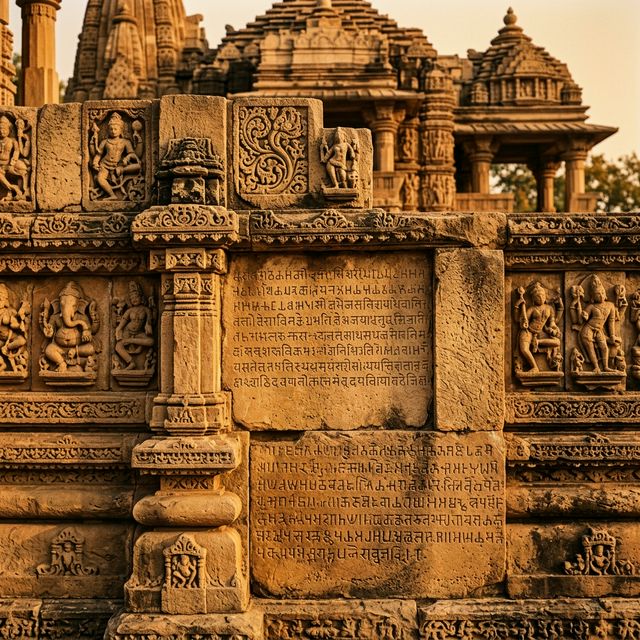
Discovered in Pattanakudi, Belagavi district, Karnataka, this three-plate copper charter documents the reign of the Śilāhāra ruler Avasara II. The plates, strung on a thick oval ring soldered to a Garuḍa seal, are inscribed in the Nāgarī script and composed in a mix of Sanskrit prose and verse. It provides the genealogical data about both, the Rāṣṭrakūṭas of Malkhed and the South Konkan Śilāhāras during the late tenth century.
Dated to the Śaka 910 (988 CE), the charter registers a commercial-administrative agreement. Three prominent merchants, Nāgai śreṣṭhin, Lokkai śreṣṭhin, and Ādityavarman, paid a tribute (nazarānā) of forty dīnāras as homage (pādapūjā) to King Avasara II. This payment was made to confirm the former’s hereditary rights over the villages of Kiñjala and Pulisa. In return, the merchants agreed to remit an annual cess of two lakh areca nuts, though Nāgai śreṣṭhin’s specific share was exempted from this tax. The agreement was formalized before a council of royal officers, merchant guilds (nagaras), and monastic institutions.
 Editor's Comment:
1. siddham | jayatutarāṃ sarvajño nandantu janāśca rājagoviprāḥ | saddharmmā
2. varddhantāmavināśi ca śāsanaṃ bhavatu || ya iha paramapṛthvīvalla-
3. bho vallabho.abhūdina iva śubhatuṅgastejasā suprasiddhaḥ | samabhava-
4. datiśūrastasya putraḥ pratāpī vijitasakalaśatruḥ śrījagattuṅga-
5. devaḥ || sakalavibudhabandhustatsuto nityavarṣo.abhavadiva divijendraḥ śrī-
6. ndrarājo jitātmā | tadanu tadanujo.abhudbhūpriyo.amoghavarṣonṛpaguṇa-
7. ramaṇīyaḥ sarvvasāmantanāthaḥ || atha vanagajamallādyaṅkanā-
8. maprasiddhaḥ samabhavadavanīśastatsutaḥ kṛṣṇarājaḥ | nihatanikhi-
9. laśatrostasya dharmmaikabandhostadanu vidhivaśena bhrātari prāptarā-
10. jye || lokaprasiddhasattyāgabhogādiguṇamālini | śrīmatkho-
11. ṭṭigadeve tu paralokaṃ gate sati || śrīrāṣṭrakūṭānvayakalpavṛkṣo-
12. ttuṅgāṅkure baddigadevanāmni | śrītailapānalpanagālibhārādaprā-
Second Plate : First Side
13. ptavṛddhau sati daivayogāt || e itaḥ śilāravarṇṇanam || śrīmānvi-
14. dyādharendro.abhūtparārthanirataḥ sadā jīmūtaketoḥ satputro nāmnā
15. jīmūtavāhanaḥ || matvā tṛṇavadātmānaṃ dhīraḥ prādādgarutmate | yo nā-
16. garakṣaṇe vaṃśaḥ śilārākhyastato.abhavat || āsīttatrānvaye śrīmā-
17. nrājā dhammiyaraḥ paraḥ | abdhivelākulaṃ ramyaṃ yo.akarodbalipattanam ||
18. tatra cāmmallanāmābhūttatsuto nirjjitāhitaḥ | pracaṇḍadaṇḍastatputrassa-
19. mabhūdaiyapo nṛpaḥ || ādityavarmmā putro.abhūttasmādāditya-
20. vatsvayam | pratāpāpāstavairīndratamorāśiḥ prajāpriyaḥ ||
21. avasara iti putrastasya jāto jitāriḥ prathitaparamakīrttirddha-
22. rmmyakarmmābhirāmaḥ | samabhavadatha sūnuḥ śakravadvikramāḍhyaḥ sakalagu-
23. ṇagarīyānindrarājastu tasmāt || samabhavattanayo nayavāṃstato ja-
24. gati bhīma udāratamo.abhayaḥ | ya iha bhīma iva prathito.akhilai-
25. rnṛpaguṇairguṇavadbhirupāśritaḥ || saiṃhikeya iva yo.atidurjja-
Second Plate : Second Side
26. yo grastakāntataracandramaṇḍalaḥ | yaśca kāma iva māninīmana-
27. styaktadarppamakaronmanoramaḥ || tatputrasyāvasaranṛpaterddharmmapu-
28. tropamasya satyatyāgādyanupamaguṇālaṅkṛterastaśatroḥ | kandarppa-
29. syāparimitamahārūpasaubhāgyalakṣmyā pūjye rājye.atra ba-
30. linagare varddhamāne.asamāne || śakanṛpakālavyapagata-
31. śateṣu navasūttareṣu daśavarṣaiḥ | śrīsarvvadhārivarṣe kārtti-
32. kasitasomavārapañcamyām || śrīmadavasararājāya
33. siddhaiśreṣṭhiputro reumaśreṣṭhī tatsuto nāgaiśreṣṭhī
34. tathā chaṭhṭhamaiśreṣṭhitanayo revaṇaśreṣṭhī tatputro lokkai-
35. śreṣṭhī tathā mahaḍaiśreṣṭhiputraḥ khetraiya indraśreṣṭhiputra ādityavarmmā iti trayo.api kramāgatakiñ-
36. jalapulīsajīvalokadvayasthirīkaraṇārthaṃ catvāriṃśaddīnārajani-
37. tāṃ pādapūjāṃ prāduḥ | arhaṇamasya haḍapavyayārthaṃ pūgaphalalakṣadva-
38. yamprativarṣaṃ tribhireva dātavyam | nāgaiśreṣṭhino bhāgo namasyaḥ pālanīyaḥ | kiñca | śrīrevaṇāryamantryu-
Third Plate
39. kkaiśreṣṭhināgapālāmātyapulenahaḍapādipradhānarājapuruṣa-
40. sabālavṛddhanagarahañjamānapañcamaṭhasthānamaṭhikātrayīviditaṃ
41. śrīmadavasararājaputrapautrādibhistatputrapautreṣu pālanī-
42. yametadācandrārkkamiti || bahubhirvvasudhā bhuktā rājabhiḥ sagarā-
43. dibhiḥ | yasya yasya yadā bhūmistasya tasya tadā phalam || svadattāṃ
44. paradattāṃ vā yo hareta vasundharām | ṣaṣṭiṃ varṣasahasrāṇi vi-
45. ṣṭhāyāṃ jāyate kṛmiḥ || sāmānyo.ayaṃ dharmmaseturnṛpā-
46. ṇāṃ kāle kāle pālanīyo bhavadbhiḥ | sarvvānetānbhāvinaḥ
47. pārthivendrān bhūyo bhūyo yācate rāmabhadraḥ ||
48. śrīmannāgarasāndhivigrahavatā svasvāmino.anujñayā śrīma-
49. dvāmanasūnunātra kavinā śrīdevapālena hi | vispaṣṭaṃ likhi-
50. taṃ savistarasamutkīrṇṇaṃ tathā vajjaḍenākalpāvadhi sādhu tiṣṭhatuta-
51. rāṃ sarvvaiḥ samaṃ śāsanam || iti maṅgalamahāśrīḥ ||
Success!
Verse 1
May the all-knowing Śiva be completely victorious! May all people including the King, cows and Brāhmaṇas rejoice! May righteous observance flourish and may the King’s rule be ever-lasting!
Verse 2
There was the vallabha Śubhatuṅga, the dearest lord of the Earth, who, by his lustre, was well known in this world like the Sun. He had a very brave son, the illustrious Jagattuṅgadeva, who, valorous as he was, conquered all his enemies.
Verse 3
His son was the self-controlled illustrious Indradeva III alias Nityavarṣa, who resembled the heavenly Indra, and who was like a brother to all wise men. After him there flourished his younger brother Amoghavarṣa II, who was dear to the Earth, and was the lord of all feudatory princes, being attractive by his royal qualities.
Verse 4-5
Thereafter, there flourished the king, his son Kṛṣṇarāja III, who became well-known by his birudas such as vanagajamalla (the wrestler with wild elephants). When after him, who was the sole supporter of religion and had exterminated all his foes, his brother, the illustrious Khoṭṭigadeva, who, by the turn of fortune, obtained his kingdom, and who had the virtues of real liberality, proper enjoyment and so forth, went to the other world—
Verse 6
When the lofty sprout of the wish-fulfilling tree in the form of the illustrious Rāṣṭrakūṭa family, Baddigadeva by name, could not grow unfortunately under the heavy load of a huge mountain in the form of the illustrious Tailapa—
Hereafter the description of the Śilāra kings—
Verse 7
There was the meritorious son of Jīmūtaketu, Jīmūtavāhana by name, who was the illustrious lord of the Vidyādharas, and was always devoted to the service of other people.
Verse 8
Who, thinking his life as no better than a blade of grass, courageously offered himself to Garuḍa, for the protection of the nāgas (serpents). From him was born the royal family known as Śīlāra.
Verse 9
In that family there was the illustrious king Dhammiyara, who founded Balipattana, charming with the surging waves of the ocean.
Verse 10
Then there was his son named Ammalla by name, who conquered his enemies. His son was the king Aiyapa, who inflicted severe punishment on his foes.
Verse 11
From him was born his son Ādityavarman, who himself destroyed his chief foes by his valour even as the Sun dispels a mass of darkness by his light, and who endeared himself to his subjects.
Verse 12
From him was born his son, Avasara I by name, who vanquished his foes, who had a great and famous name, and who appeared attractive by his religious deeds. Thereafter was born from him his son Indrarāja, who, like Indra, was rich in valour and meritorious with all his good qualities.
Verse 13
Thereafter was born his son known in the world by the name of Bhīma, who was possessed of political wisdom and was most liberal and fearless—who, well-known as he was by all royal qualities like Bhīma, was resorted to by all meritorious people.
Verse 14
He, who, being quite invincible like Rāhu, annexed the beautiful Candramaṇḍala even as Rāhu devours the charming orb of the moon; and who, being attractive like cupid, made the minds of proud women give up their vanity.
Verse 15
During the unrivalled and augmenting reign, here in Balinagara, which has become venerable by the cupid-like great beauty and good fortune of his son, King Avasara II, who, like Yudhiṣṭhira, as adorned will matchless virtues such as truthfulness, and liberality—
Line 30-37
In the years nine hundred increased by ten, which have passed by the era of the śaka king, in the cyclic year Sarvadhārin, on Monday, the fifth tithi of the bright fortnight of Kārttika, the three Śreṣṭhins—viz. Nāgai Śreṣṭhin, son of Reuma Śreṣṭhin, who is a son of Siddhai Śreṣṭhin, and Lokkai Śreṣṭhin, son of Revaṇa Śreshṭhin, who is a son of Chaṭhṭhamai Śreṣṭhin, and Ādityavarman, son of Khetraiya Indra Śreṣṭhin, who is a son of Mahaḍai Śreṣṭhin—have, by offering forty dīnāras to the illustrious King Avasara II, worshipped his feet for the confirmation of two jīvalokas in the hereditary villages Kiñjala and Pulīsa. For the expenses of haḍapa in connection with it all the three are to give two lakhs of areca nuts every year. The share of Nāgai Śreṣṭhin should be preserved free from taxes.
Line 38
Besides, this should be made known to the illustrious Revaṇa mantrin, Ukkai śreshṭhin, Nāgapāla amātya, Pulena haḍapa and other principal royal officers, all people, whether young or old, the guilds and artisans, the members of the five monasteries as well as the three monasteries. And this should be preserved, so long as the Moon and the Sun endure, by the sons, grandsons and others of the illustrious king Avasara as well as their sons and grandsons.
Verse 16
This earth has been enjoyed by many kings, beginning with Sagara and others. At any given time, the fruit of the land belongs only to him who possesses it then.
Verse 17
He who seizes land that has been given whether by himself or by others, will be born as a worm in excrement for sixty thousand years.
Verse 18
This rule is a general bridge of righteousness for kings, which must be upheld by you at all times. Rāmabhadra (i.e., Lord Rāma) repeatedly entreats all future rulers to follow it.
Verse 19
This royal order was clearly written by the poet, the illustrious Devapāla, son of the illustrious Vāmana, the illustrious Nāgara-Sāndhivigrahika, by the permission of his Lord, and it was incised in all its details by Vajjaḍa.
May this royal order be preserved with all its particulars till the end of this world!
May there be happiness and prosperity!
| Dynasty: | Śilāhāra |
| Ruler: | Avasara II |
| Date: | 18th October 998 CE (Kārttika śukla 5, Śaka 910) |
| Place: | Villages Kiñjala and Pulīsa, Pattankudi |
| Donee: | Avasara II |
| Language: | Sanskrit |
| Nature of grant: | Land donation, Administrative record |
| Purpose: | To secure jīvaloka (religious and social rights) and support worship through annual provision of areca-nuts |
| Provenance of inscription: | Balinagara (modern Kharepattan), Ratnagiri, Maharashtra |
| Type of Inscription: | Copperplate grant |
| Source: |
Bibliography & Research
- Gopal, B. R., & Subrahmanyam, V. S. (1967, January). No. 12. Pattanakudi Plares of Silahara King Avasara II, Saka 910. Epigraphia Indica, XXXVII(1-57), 56-60.
- Mirashi, V. V. (Ed.). (1977). Corpus Inscriptionum Indicarum, Vol. VI: Inscriptions of the Śilāhāras. Archaeological Survey of India, pp xxiii-xxiv and 178-183.
