
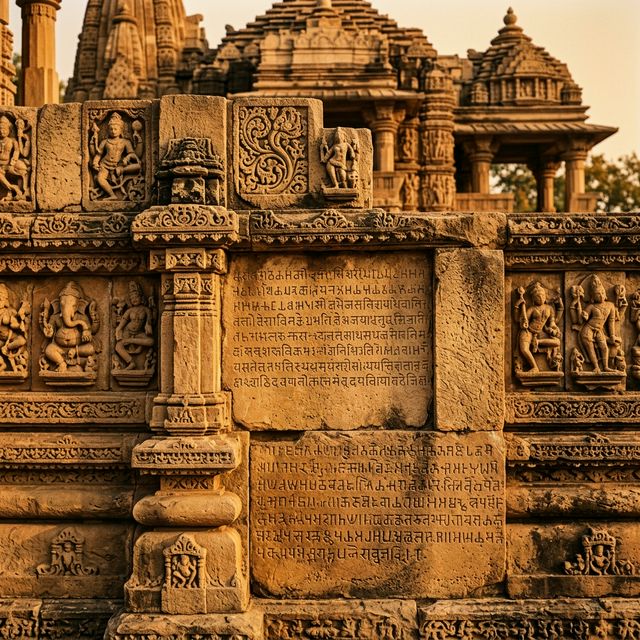
Discovered in Miraj, Sangli district, Maharashtra, this set of copper plates belongs to the reign of the Śilāhāra ruler Mārasimha of Kolhapur. The inscription is written in Old Kannada characters, though the language is a somewhat irregular and obscure Sanskrit, interspersed with regional Kannada titles (birudas). The plates, fortunately preserved through impressions taken by Pandit Bhagvanlal Indraji, provide the dynastic data of the Kolhapur Śilāhāras.
Issued from the capital fortress of Khiḷigiḷa (modern Panhala) on Uttarāyaṇa saṅkrānti, Thursday, the 7th tithi of the bright fortnight of Pauṣa, Śaka 980 (1058 CE), the charter records a royal grant by Mārasimha. The donee was the ascetic Cikkadeva, a disciple of the Pāśupata teacher Brahmeśvara paṇḍita. The king donated the village of Kuṇṭavāḍa (modern Kutwad), situated on the southern bank of the Krishna River. This endowment was made specifically to support the worship and maintenance of a Śiva pañchāyatana temple complex recently established by the king on the outskirts of Miraj.
1. siddham | jayatu jagattrayanāthaḥ | sakalakalājñānadhyānaduktritayaḥ | phaṇipati-
2. vibhūṣaṇāṅgaḥ | kapilajaṭājūṭamaṇḍanaśśaṃbhuḥ || svasti śrīsiyalā-
3. ravaṃśatilako jīmūtavāhānvayaprastāraprabhavaḥ | suvarṇṇagaruḍavyālolalī-
4. lādhvajaḥ | vistīrṇṇārṇṇavamekhalāvanidhūkānto mahīmaṇḍalaprastutyo me-
5. layaṅka sarppanṛpatiḥ śrīrājavidyādharaḥ || aribhūbhṛccakravakrastagaranagara-
6. bhūpālakastīvratejāḥ | sthiravākyaśśauryyaśālī nagavarapannāladurggādrisiṃ-
7. haḥ | sphuritodyatkīrttikāntakṣitimahitamahāmaṇḍalīkādhināthaḥ | dharaṇīra-
8. kṣākṣamaḥ śrījatiganarapatistasya sūnuḥ pracaṇḍaḥ || arivalasarppaḥ pārtthi vapu-
9. randaraḥ khacaravaṃśacūḍāratnam | kharakarasamaprabhaḥ samagraraṅgapraṇayi-
10. māṇḍalīkanidhānaḥ || gañjāmagramudīryya vairinikarasyātmīyatīvrāsi-
11. nā | bhuñjānaḥ karahāṭakuṇḍiviṣayaṃ svāṅgīkṛtaṃ sarvvado | mairiñjeśa mu-
12. dagrakiṅkaṇamahādeśaṃ nijatrāsanādbhuñjan nitya | mudāravīranṛpatiḥ śrīgoṅkarā-
13. jottamaḥ || tasyānujobhūnṛpanītividyaḥ | hāsyaṃ na kṛdgaṇḍaguṇe raṇe vā |
14. lāsyaṃ vidhāne nṛpagūhalāṅkaḥ | satyāśrayasya kramapūjaneṣṭaḥ || ripukala-
15. sarppa maṇḍalikabhairava | vāraṇavājisādhanādhipa | nijavaśyatantra | navarājya-
16. samuddharaṇārivargganiṣkṛpa | nṛpavīrasatkiligilācaladurggasamagra | bhūribhūmi-
17. pa navasāhasāṅkamarirājamanorujamugrapuruṣam || pūrvvoktagoṅkarā-
18. jaḥ | sarvvaguṇopetalakṣaṇastasya sutaḥ | sarvvajñabhaktibhuvanā | śīrvvādapura-
19. ssaro mahāmahimā || balavadvidviṣṭasainyakṣayakaraparipūrṇṇāsihastaṃ | daridrā-
20. khiladīnānāthavandiprakaramudakaroddānahastaṃ | surendrācalalīlākāradevāyata-
21. nakaralasaddharmmahastaṃ | mahorvvītalabhāroddhārahastaṃ | tribhuvanatilakaṃ mā-
22. rasiṃhāgrahastam || mārākāraśarīraḥ | vīrārimadāndhagandhasindhurasiṃhaḥ | śūrapra-
23. tāpanilayaḥ | sāraguṇodāramārasiṃhanṛpaḥ || revanto vatsarājo varaturagaca-
24. yārūḍharekhāviśuddhau | bhīmo bhīmapratāpe | nijabhujavijayī rājanītipravīṇaḥ | kā-
25. mo rūpaprasanne dhavalavimaladigvarttikirttipratānaḥ | rāmādyādikṣitipacarito māra-
26. siṃhāvanīśaḥ || samadhigatapañcamahāśabdamahāmaṇḍaleśvara | tagarapura-
27. varādhīśvara | śrīśilāhāranarendra | jīmūtavāhanānvayaprasūta | suva-
28. rṇṇagaruḍadhvaja | maruvaṅkkasarppa | goṅkanaṅkakāra | gūheyanasiṃha |
29. ripumaṇḍalikabhairava | vidviṣṭagajakaṇṭhīrava | iḍuvarāditya | rūpanārāyaṇa | kaliyu-
30. gavikramāditya | turagarevanta | kāminīkāmadeva | śrīmahālakṣmī labdhavaraprasādādisa-
31. mastarājāvalīsamalaṅkṛtamaṇḍalikaśrīmārasiṃhadevaḥ | nijarājadhānīśrīkhili-
32. giladurgge | sukhasaṅkathāvinodena rājyaṃ kurvastiṣṭhatyavasare | śrīsiṃhasparśārjjita-
33. pāśupatāgamakṛtābhinavabhuvanārghyā | vāsitamudunīro lemelīśārppitasantatiprakāśa-
34. munīśaḥ || dūro durantaduritā | dārādhyassakalabhuvanamanujānām | dhīrastapaḥ prabhāve |
35. mārāstrajayī vimuktasaṃsāraḥ || brahmā kalāsu | bālabrahmasucārī maheśva-
36. rāṃdhridhyānaḥ | jihmarahitassumārggī | brahmeśvarapaṇḍito munirjjayatu || tadīyā-
37. graśiṣyassamastāgamajñaḥ | madakrodhalobhādidoṣapradūraḥ | sudṛṣṭassu-
38. vṛttassudharmmapradīpaḥ | padārtthapravīṇo mumukṣupradhānaḥ || śrīmaleyālo devaḥ |
39. tasya mahāśiṣya janapatistutyaḥ | śrīmanmiriṃjanagarasyā | syāṃbujamaṇḍano mumu-
40. kṣunidhiḥ || karmmārātībhakuṃbhapraharajapanakhānīkadurvvārasiṃhaḥ | dharmmāṃ bhojaprakā-
41. śatkarapariṇatasiddhāntanityodayārkkaḥ | kūrmmādhāra praśastācaraṇakaraṇapādāṃbujā-
42. sevabhṛṃgaḥ | nirmoho niṣkalaṅko niratiśayatapaḥ śrīyutaścikkadevaḥ || dānadha-
43. rmmatapaḥśīlo | brahmacaryyavratādiṣu | cikkadevasamo nāsti | na bhūto na bha-
44. viṣyati || śakanṛpakālātītasaṃvatsaraśateṣu | aśītyadhikanavaśateṣvaṃ-
45. keṣu | pravartamānavilaṃbasaṃvatsare | pauṣamāsasya śuddhapakṣe | saptamyāṃ
46. bṛhaspativāre | udagayanaparvvaṇi | pādau prakṣālya | dhārāpūrvvakaṃ ca | sahasratrita-
47. yamiriñjadeśābhyantare | sirivolalacaturvviṃśatimadhye | kṛṣṇāverṇṇānadīdakṣiṇataṭe |
48. pūrvvadakṣiṇapaścimatridiśābhāgasamāvāsita | kannavāḍa | hāḍalivāḍagālikuṭṭi |
49. eteṣāṃ pārśvavarttigrāmāṇāṃ madhye | caturāghāṭasameta | saṃsthitaḥ kuṇṭavāḍa-
50. nāmagrāmaḥ | tena śrīrājaputreṇa | tasmai divyatapasvine | sa grāmaścārpito
51. bhaktyā | yatsvāmyaṃ tatsamastakam || miriñjapurabāhiryye | śivāyatanapañca-
52. kam | mārasiṃhamahīśena | kṛtaṃ tat kirttiśāsanam || tadāyatanasaṃbandhaḥ | tadgrā-
53. mastatra tāpasaḥ | pūrvvāśraye bhavedvipraḥ | ityāśrayasya naiṣṭhi-
54. kaḥ || khāraṅkaryye suśauce japaniyamasamādhānasaṃpannaśīle | mau-
55. nānuṣṭhānayukte śamadamanilaye brahmacaryye sudhairyye
56. svādhyāyadhyānadhāne haracaraṇayaje tattvavittve suyoge | ni-
57. tyaṃ sandhyāstavaitatpariṇatamunayastatra tiṣṭhanti nānye || param-
58. śrīkāminīketanamamalavacaḥ śrīramāvāsa | mugrācaraṇabhrā-
59. jattapaḥ śrīvilulitavarakāntālayaṃ | nityasattrākaradānaśrīsatī-
60. saṃpadamakhilayaśaḥ śrīvadhūnīḍamitthaṅkaraśobhāpūtapaṃ-
61. cāyatanamanupamaṃ cikkadevena pūjyam || bahubhi-
62. rvvasudhā bhuktā | rājabhissagarādibhiḥ | yasya yasya ya-
63. dā bhūmistasya tasya tadā phalam || svadattāṃ paradattāṃ vā | yo hare –
64. ta vasundharām | ṣaṣṭivarṣasahasrāṇi viṣṭhāyāṃ jāyate kṛmiḥ ||
65. sāmānyoyaṃ dharmmaseturnṛpāṇām | kāle kāle pālanīyo
66. bhavadbhiḥ | sarvvānetān bhāvinaḥ pārtthi vendrān | bhūyo bhūyo
67. yācate rāmabhadraḥ || ādeśādātmabhūpasya | bhūpālasa-
68. civottamaḥ | likhitaṃ śāsanaṃ tena | cikkadevastu labdhavān ||
Success!
Verse 1
May Śaṃbhu, the lord of the three worlds, be victorious!—he who has knowledge of all arts, modes of meditations and three eyes, whose body is decorated with serpents, and who has the ornament of a mass of brown matted hair.
Verse 2
Hail! There was the illustrious Vidyādhara-like king, an ornament of the Silāhāra family, the source of the large family descended from Jīmūtavāhana, who had the fluttering graceful banner of the golden Eagle, who appeared splendid with the bride of the Earth that had the extensive ocean for her girdle, who deserved praise from the whole circle of the earth, and who was a serpent to the hostile army.
Verse 3
His mighty son was the illustrious King Jatiga II, who was opposed to the whole multitude of hostile princes, who was a powerful ruler of the city of Tagara, who was always true to his word, who shone with his valour, who was a veritable lion of the mountain that was the fortress of Pannāḷa, the best of hills, who looked splendid with his brilliant rising fame, who was the lord of the renouned Māṇḍalikas of the earth, and was capable of giving protection to the whole earth;
Verse 4
Who was a veritable serpent to the army of the enemy, Indra among all rulers, the crest-jewel of the family of the Vidyādharas, resembling in lustre the hot-rayed sun, a veritable treasure of all Māṇḍalikas, fond of fighting.
Verse 5
There was the illustrious Goṅka, the best of kings, a liberal and valiant prince, who gave away all his possessions, who with his sharp sword, overthrew the leader (gañjāmagra) of the multitude of his foes, and ruled for all time over the annexed viṣayas of Karahāṭa and Kuṇḍi, and also Miriñjadeśa, and the extensive great country of Koṅkaṇadeśa.
Verse 6
His younger brother was the prince Guhala, who was conversant with political science, who did not provoke laughter (i.e. won praise) as he danced on the battle-field by his merit of leadership (gaṇḍa-guṇa), and who became favourite with Satyāśraya as he honoured his feet.
Verse 7
He was a veritable serpent to the hostile army, a Bhairava to his māṇḍalikas, the commander of his elephant force and cavalry, who had full control over the government; who uprooted new kingdoms; who was ruthless in dealing with his foes; a wise prince, who held the excellent hill fort of Kiḷigiḷa; who was the lord of the whole extensive earth; who was a Neo-Sāhasāṅka; and who was a valiant person causing terror to the minds of the hostile kings.
Verse 8
To the aforementioned king Goṅka there was born a son of great fame, who had the marks of all virtues, who was devoted to the omniscient God and had the blessings of the whole world.
Verse 9
He is Mārasiṃha, whose arm wielding a sword is fully capable of destroying the army of his powerful foes; whose gift-bestowing hand gladdens the whole multitude of poor, distressed and forlorn suppliants; whose pious hand shines by the construction of temples resembling the heavenly mountain Meru; whose arm is engaged in rescuing the great earth; and who is an ornament of the three worlds.
Verse 10
The king Mārasiṃha has a body resembling the god of love; he is a veritable lion to the rutting scent-elephants that are his valiant enemies; he is brave, being the abode of valour, and looks splendid with his excellent merits.
Verse 11-12
The king Mārasiṃha resembles Revanta and Udayana in respect of excellent horse-riding, and Bhīma by his terrible valour; he becomes victorious by the prowess of his own arm; he is proficient in political science; he is the god of love in respect of beautiful form; his the off-shoots of his bright and faultless fame have reached the ends of the quarters; and by his deeds he resembles Rāma and other primeval great kings.
While the illustrious Mārasiṃhadeva is ruling, diverting his mind with happy conversation at his capital, the well-known fort of Khiḷigiḷa, adorned with all royal titles such as Mahāmaṇḍaleśvara, ‘he who has obtained the five mahāśabdas,’ ‘he who is the lord of the excellent city of Tagara’, ‘the illustrious Śiḷāhāra king born in the family of Jīmūtavāhana,’ ‘he who has the banner of the golden Eagle,’ ‘he who is a serpent to the hostile army, ‘the weapon-holder of Goṅka,’ ‘a lion-like son of Gūha (i.e. Gūhala),’ ‘a veritable Bhairava to the hostile māṇḍalikas,’ ‘a lion to the elephants in the form of his enemies,’ ‘the Sun among archers,’ ‘a veritable Nārāyaṇa in point of handsome form,’ ‘Vikramāditya of the Kali age,’ ‘Revanta in horse-riding,’ ‘a god of love to women’, and ‘he who has obtained the favour of a born from the divine Mahālakṣmī’.
Verse 13-14
May the sage, Brahmeśvara Paṇḍita be victorious!—he who has become venerable to the whole world by his knowledge of the Pāśupata āgama acquired by him by the sacred touch of the holy Siṃha, who was residing at Mudunīra, who has dedicated his great sage-disciples to the god Lemelīsa; who remains far away from all evils ending in miseries, who is adorable to the people of all the worlds, who is steadfast in austerities, who has conquered the missiles of the god of love, and who has given up worldly life; who is the god Brahmā in respect of proficiency in arts, a young well-conducted Brahmachārin, who meditates on the feet of Maheśvara (Śiva), who is free from all deceit, and who pursues the noble path.
Verse 15
His foremost disciple knows all the āgamas,—he who has kept away from the blemishes such as lustful passion, anger and greed; who has pleasing appearance; who is well conducted and is a light showing the right dharma; who is proficient in the knowledge of the padārthas (categories of the Vaiśeshika philosophy), and the foremost among those who long for liberation.
Verse 16
The illustrious lord of the hilly tract (i.e. the aforementioned disciple) deserves praise from his great disciple, the King; he is a lotus-like decoration of this town of Miriñja and the precious treasure of those who long for liberation.
Verse 17
The holy Cikkadeva is an irresistible lion whose claws break open the temples of the hostile elephants in the form of karma, the ever-rising sun that by its rays in the form of the siddhāntas makes the lotus of dharma bloom, who is a bee on the lotuses in the form of the feet of his guru of praiseworthy conduct on the earth (lit. what is supported by the Tortoise), who is free from delusion of mind and blemishes, and has performed matchless penance.
Verse 18
There is not, never was, and will never be any one like Cikkadeva in respect of charity, piety, austerity, character and the vow of celibacy and such other qualities.
Line 44
On the holy occasion of the Udagayana (Uttarāyaṇa Saṅkramaṇa), on Thursday, the seventh tithi of the bright fortnight of the month Pauṣa in the current year Vilamba in the years nine hundred increased by eighty, in figures … … … …, which have passed by the era of the Śaka king, that illustrious prince Mārasiṃha has granted with devotion to that brilliant ascetic, after having washed his feet and poured out water, the village, Kuṇṭavāḍa by name, together with all rights of ownership, and together with its four boundaries the village which is situated in the midst of the following neighbouring villages, viz. Kannavāḍa, Hāḍalivāḍa and Gāḷikuṭṭi situated in the three directions, east, south and west, on the southern bank of the river Kṛṣṇaverṇā in the territorial division of Sirivolala-twentyfour included in the Miriñjadeśa-three thousand.
Verse 20
On the outskirt of the city of Miriñja, King Mārasiṃha has made the temple of the Śiva pañcāyatana a royal memorial.
Verse 21
That village is connected with that pañcāyatana. The naishṭhika Brāhmaṇa (i.e. Cikkadeva) has become the owner of it in place of the former holder.
Verse 22
Only seasoned ascetic—and none other—can observe the following practices of Cikkadeva devotion to the sun, great purity, observance of prayers, vows and contemplation, brahmacarya (celibacy) characterised by tranquillity, self-restraint and observance of silence, great courage, study of one’s religious texts and meditation worship of Śiva’s feet, knowledge of philosophical principles, good yogic practices and prayers at twilights.
Verse 23
The matchless pañcāyatana is to be worshipped by Cikkadeva—the pañcāyatana which is the great abode of the Lady, namely the Goddess of fortune, the dwelling place of the illustrious Rāma of blameless speech, the excellent and charming residence attended by the excellence of brilliant austerities of fierce practice, the rich splendour of continuous maintenance of a free feeding-house and charity, and the abode of the Lady, namely, the entire excellent Fame, which is in this manner sanctified by splendour.
(Here follow three benedictory and imprecatory verses.)
Verse 27
This royal order has been written by the Chief Secretary Bhūpāla by the order of his king. And Cikkadeva has secured it.
| Dynasty: | Śilāhāra |
| Ruler: | Mārasiṃha |
| Date: | 24th December 1058 CE (Pauṣa Śukla 7, Śaka 980) |
| Place: | Miraj, Maharashtra |
| Donee: | Ascetic Cikkadeva |
| Language: | Sanskrit |
| Nature of grant: | Land donation |
| Purpose: | To support ascetic Cikkadeva and worship at Śiva Pañcāyatana temple |
| Provenance of inscription: | Miraj, Sangli, Maharashtra |
| Type of Inscription: | Copperplate grant |
| Source: |
Bibliography & Research
- Barnett, L. (1913). No. 17. Nilgunda Plates of Vikramaditya VI; A.D. 1087 and 1123. Epigraphia Indica, XII, 142-155.
- Billhana. (1875). Vikramankadevacharita: A Life of King Vikramaditya- Tribhuvanaamalla of Kalyāna (G. Buhler, Ed.).
- Mirashi, V. V. (Ed.). (1977). Corpus Inscriptionum Indicarum, Vol. VI: Inscriptions of the Śilāhāras. Archaeological Survey of India, pp xxv-xxviii and 200-206.
