
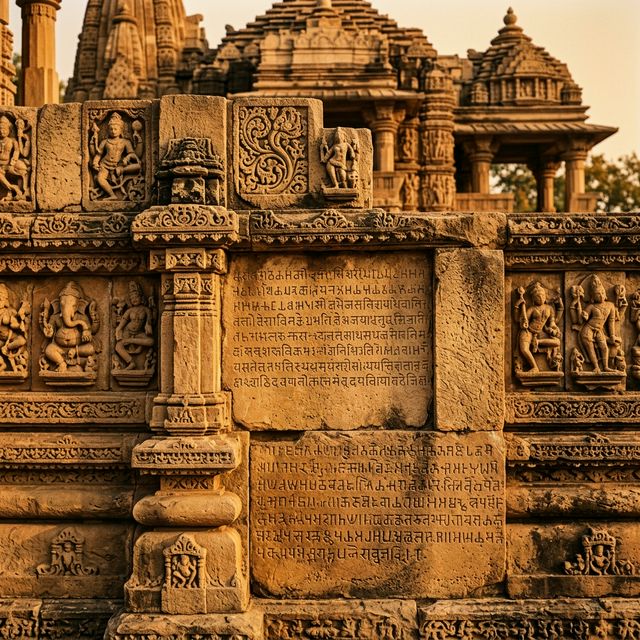
This inscription, originally discovered within the Mahālakṣmī temple enclosure at Kolhapur and now preserved in the Town Hall, was engraved in Nāgarī characters and composed in Sanskrit. The record is dated to Tuesday, 30th November, 1182 CE, corresponding to the Uttarāyaṇa saṅkrānti in Śaka 1104. The text provides a comprehensive genealogy of Kolhapur Śilāhāras, tracing the lineage from Jatiga I to the reigning monarch.
The translation details a multifaceted grant made by Bhoja II from his camp at Valavāḍa for his own spiritual merits. To support the Umā-Maheśvara maṭha constructed by the Sahavāsī brāhmaṇa Lokaṇa nāyaka, a donation of a house serving as granary and a flower-garden for the worship of the god was given. Subsequently, four white houses (śveta gṛha) were donated to two Sahavāsī and two Karhade brāhmaṇas living in the maṭha, in addition to the field in Seleyavāḍa village and a house in Paṇḍarana village for providing food to the brāhmaṇas were made. Apart from this fields and two houses of twelve cubits, were donated by Lokaṇa nāyaka after buying it from the original owners. All these donations were free from all taxes and made for the purpose of the five-fold worship of the god and for the upkeep of the maṭha.
1. siddham | svasti śrīḥ | jayatyāviṣkṛtaṃ viṣṇorvārāhaṃ kṣobhirārṇṇavam | dakṣiṇonnatadaṃṣṭrāgraviśrāntabhuvanaṃ vapuḥ ||
2. āsīdvidyādharaḥ pūrvaṃ nāmnā jīmūtavāhanaḥ | parārthaṃ jīvitaṃ yena garuḍāya niveditam || śīlāhārākhyavaṃ-
3. śoyaṃ tagareśvarabhūbhṛtām | tadvaṃśe jatigo rājājani bhūbhṛcchikhāmaṇiḥ || svasti śrījatigakṣitīśatanayo nā-
4. yiṃmanāmā nṛpaḥ | putrastasya ca candrarāṭ pṛthuyaśāstasyāpi sūnuḥ kila | sañjāto jatigo jagajjananutaḥ śrīmāṃśca
5. tannandano goṅkallo bhuvi bhūmipālatanayaḥ śrīmārasiṃho nṛpaḥ || tatsūnurnṛpamaulilālitapadaḥ śrīgūvalākhyo nṛpaḥ | tadbhrātā bhuvi
6. bhojadevanṛpatiḥ vairībhapañcānanaścakre rājyamakhaṇḍitaṃ pṛthuyaśā laṅkeśatulyaḥ kila || yaścātmanā kṛtanirākramadu-
7. rggavarggo govindagoṅgajanṛpau – – – – – – | – – – – – nāyakasutāṃ sahasā vijitya – – – – – – – bhuvi vikramārkkaḥ
8. || tasyānujāto viditapratāpo ballāladevakṣitipastathaiva | śrīkāminīśo vinatāvanīśo dikprāntarūḍhaprathitapra-
9. tāpaḥ || tasyānujo dharmmadharo dharitryāṃ dadhāra dharmmānakhilānsvadharmme | dhairyyāgradhuryo dhanado dhanānāṃ śrīgaṇḍarāditya iti
10. prasiddhaḥ || dīnānāthadaridraduḥkhavikalavyākīrṇṇanānāvidhaprāṇitrāṇaparāyaṇaḥ pratidinaṃ guptākhyadānena yaḥ | yaḥ
11. kṛṣṇājinadhenubhūmyubhayatomukhyādidānapradaḥ | śaśvadbrahmamatipravīṇahṛdayo bhūdevakalpadrumaḥ || tulāpuruṣadānādiṣoḍa-
12. śakratukārakaḥ | śaucagāṅgeyakīrtyekanilayaḥ svaguṇairbhuvi || tannandanaḥ pravalamaṇḍalikadvipendrapañcānanojani jagattritayaikavīraḥ |
13. pratyarthipārthivalalāṭataṭasvapādapīṭhasphuṭojjvalayaśā vijayārkkadevaḥ || dānāya draviṇārjanaṃ janaparitrāṇāya vīravrataṃ satyā-
14. ya priyabhāṣaṇaṃ haripadadhyānāya cetasthitiḥ | saṃpattiḥ sumanovipadvihataye yasya prakāmaṃ kaviḥ | kaḥ śaktaḥ pravivicya tasya vijayāditya-
15. sya vaktuṃ guṇān || jayati vijayasunurvairinīhārabhānurnija – – – – – vallīlavitraḥ | vibhavavijayaśakraḥ khaṇḍitārāti-
16. cakro varanṛpakṛtasevo bhūpatirbhojadevaḥ || rāmo yathā khaṇḍita kṣatravargo bhānuryathā prāstasamastadoṣaḥ | rātri – – – – –
17. – – – – – devena tenājani bhojarājye || svasti samadhigatapañcamahāśabdamahāmaṇḍaleśvarasīlārakulavarodbhava vipakṣavanitā ……………….. śaucagāṇ-
18. geyaparanārīsahodaraśaraṇāgatavajrapañjarakaliyugayudhiṣṭhira- sahajavidyādharaśrīmahālakṣmīdevīlabdhavaraprasādaśrītagara-
19. puravarādhīśvara ityādisamastarājāvalīvirājitaḥ śrīmanmahāmaṇḍaleśvaraḥ śrībhojadevo valavāḍaśibire sukhasaṃ-
20. kathāvinodena rājyaṃ kurvvāṇaḥ śakanṛpakālādārabhya varṣeṣu caturuttaraśatādhikasahasreṣu nivṛtteṣu varttamānaśubhakṛtsaṃvatsa-
21. rāntarggatapuṣyaśuddhacaturthyāṃ bhaumavāsare bhānoruttarāyaṇasaṅkramaṇaparvvaṇi nijarājyābhivṛddhaye śrīmatkollāpuramahālakṣmīdevīde-
22. vālayābhyantare paścimadvārottara ……………… sahavāsilokaṇanāyakena amṛteśvaramūrtyumāmaheśvarārtha brāhmaṇabhojanārthaṃ ca kāritasya
23. maṭhasya koṣṭhāgārārthaṃ taddeva …………… maṭhasyābhyantare nairṛtya diśo bhāge dvādaśahastapramāṇaṃ gṛhamekaṃ tanmaṭhaniviṣṭasaha-
24. vāsyādityabhaṭṭajanārdanabhaṭṭakarahāṭakaprabhākaradhaisāsavāsiyaṇa- ghaisāsetyevaṃpramukhabrāhmaṇebhyo sahavāsīdattapuravarggadakṣiṇadi-
25. śi ……… dhavalagṛhacatuṣṭayaṃ ………………… pūjārthaṃ varuṇātpūrvadiśi puṣpavāṭakamekaṃ tasyaiva devasya pañcopacārapūjārthaṃ brāhmaṇabhojanā-
26. rthaṃ ca paṇaturagegollāntargataseleyavāḍagrāma- sīmābhyantaramuttaradigbhāge ………… pañcāśadadhikaṃ ca catuḥ śatavapraka
27. kṣetraṃ tatpratibaddhaṃ paṇḍaranantadgrāmābhyantare dvādaśahastapramāṇagṛhamekaṃ etatsarvvaṃ pūrvokta ……. śāsanasahitaṃ dhā-
28. rāpūrvvakaṃ sarvvatamasyaṃ sarvvabādhāparihāraṃ rājakīyānāmanaṅguliprekṣaṇīyamācandrārkkakṣiti ………………… | tasyaiva devasya pañcopa-
29. cārapūjārthaṃ tanmaṭhakhaṇḍasphuṭitajīrṇṇoddhārārthaṃ tadīyabrāhmaṇabhojanārthaṃ ca eḍenāḍa ………
30. taddeśadaṇḍena pañcaviṃśatyadhikadviśatavaprakaṃ kṣetraṃ dvādaśahastavistīrṇṇaṃ niveśanaṃ ca tathā ……… pratibaddha………
31. nivarttanaṃ kṣetraṃ dvādaśahastavistīrṇṇaṃ niveśanaṃ ca aruvaṇasahitaṃ aṣṭabhogatejasāmyasahitaṃ kāśyapasagotrasya uddhavā-
32. ryasya pautrābhyāṃ mahattaramādhavāryasya putrābhyāṃ nemaṇalakṣmaṇābhyāṃ dattaṃ tenaiva lokaṇanāyakena sarvanama-
33. syaṃ sarvavādhāparihāraṃ sarvvāyaviśuddhaṃ śāsanasahitaṃ dānakrayeṇa gṛhītaṃ ācandrārkkatārāsthiraṃ dattaṃ || cha ||
34. bahubhirvvasudhā dattā rājabhissagarādibhiḥ | yasya yasya yadā bhūmistasya tasya tadā phalam || madvaṃśajāḥ paramahīpa-
35. tivaṃśajā vā pāpādapetamanaso bhuvi bhūmipālāḥ | ye pālayanti mama dharmmamimaṃ samagraṃ tebhyo mayā viracitoñjalireṣa mūrdhni ||
36. sāmānyoyaṃ dharmmaseturnṛpāṇāṃ kāle kāle pālanīvo bhavadbhiḥ | sarvvānetānbhāvinaḥ pārthivendrān bhūyo bhūyo yācate rāma-
37. bhadraḥ || dānaṃ vā pālanaṃ vāpi dānāt śreyonupālanam | dānātsvargamavāpnoti pālanādacyutaṃ padam || svadattāṃ paradattāṃ vā yo hare-
38. ta vasundharām | ṣaṣṭivarṣasahasrāṇi viṣṭhāyāṃ jāyate kṛmiḥ || subhiṣagvarayuktepi kṣaṇakṣayiṇi jīvite | yo dvijādāharetkopi
39. tasyāvīcikṣayokṣayaḥ || aputrikadravyaṃ sahavāsigāmi tatra bhūloke |
Success!
Verse 1
Victorious is the manifested Boar-form of Viṣṇu, which agitated the ocean, and which had the earth resting on the tip of its right uplifted tusk.
Verse 2
There was formerly a Vidyādhara, Jīmūtavāhana by name, who offered his life to Garuḍa for the sake of others.
Verse 3
There is this family, called Śilāhāra, of the kings who were lords of Tagara. In that family was born king Jatiga I, the crest-jewel of princes.
Verse 4
Hail! There was a king, Nāyimma by name, who was the son of the illustrious king Jatiga. His son was Candrarāja of great fame. His son verily was Jatiga II, eulogised by the people of the whole world. His illustrious son was Goṅkalla, and that king’s son on the earth was the illustrious king Mārasiṃha.
Verse 5
His son, whose feet were fondled by the crowns of princes, was a king named the illustrious Guvala II. His brother, king Bhojadeva I, a lion to the elephants that were his enemies, governed his kingdom here uninterruptedly, being of great fame, like the lord of Laṅkā.
Verse 6
Who, having himself captured a number of impregnable forts, defeated Govinda and Koṅgaja ………………
Verse 7
His younger brother, King Ballāladeva, of renowned power, was like him. He, the Lord of the lady of royal fortune, to whom the kings of the earth submitted, always spread his well-known power in different directions.
Verse 8
His younger brother became well-known by the name of Gaṇḍarāditya—he who was the supporter of religion on the earth; who made all people conform to their respective duties; who was the foremost among those who were in the forefront by their courage; and who gave away abundant wealth in charity.
Verse 9
He, by his anonymous gifts, is engaged day after day in giving protection to various beings who are distressed, helpless, poor, miserable, maimed and scattered. He bestows gifts such as those of skins of the black antelopes, cows, land and parturient cows; his heart is always engaged in contemplation on Brahman, and he is a veritable wish-fulfilling tree to the Brāhmaṇas.
Verse 10
He has performed the sixteen vows such as the Tulāpuruṣa gift, and by his merits he is the sole abode of the fame of Gāṅgeya (Bhīṣma) in respect of morally pure conduct.
Verse 11
Then was born his son Vijayārkadeva, a lion to the lordly elephants that were his powerful feudatories, a unique warrior in the three worlds, whose bright fame was manifested by his foot-stool rubbed by the foreheads of the hostile princes.
Verse 12
His wealth was acquired for bestowing it in charity; he fulfilled his vow of heroism by protecting the people; his pleasing speech was in keeping with the truth; his mind was engaged in the contemplation of the feet of Hari (Viṣṇu); his wealth was spent in removing the adversity of good people. What poet is able to extol the merits of that Vijayāditya with proper discernment?
Verse 13
Victorious is king Bhojadeva II, the son of Vijaya (i.e. Vijayāditya), the sun that dispels the frost in the form of his enemies, the sickle that mows the creeper in the form of ……; who is veritable Indra in respect of wealth and victories; who has destroyed a multitude of his enemies; and who is served by great kings.
Verse 14
As Rāma ……….. even so that god incarnated himself in the kingdom of Bhoja.
Line 17
Hail! The illustrious mahāmaṇḍaleśvara, the glorious Bhojadeva II—who has obtained the five mahāśabdas, and who is adorned with all royal titles such as a scion of the great Silāra family,’ ‘Gāṅgeya in respect of moral purity’ ……….. ‘a uterin brother of others’ wives,’ ‘an adamantine cage for the protection of those that seek refuge,’ ‘Yudhiṣṭhira in the Kali Age,’ ‘he who is learned by nature (or a Vidyādhara by birth),’ ‘he who has obtained the favour of a boon from the holy Mahālakṣmī,’ and ‘the lord of Tagara, the best of towns,’ who is governing his kingdom, holding pleasant conversation for his own diversion at his camp at Valbavāḍa—has, on the holy occasion of the Uttarāyaṇa Saṅkrānti of the Sun on Tuesday, the fourth tithi of the bright fortnight of Puṣya (i.e. Pauṣa) in the current cyclic year Śubhakṛt, when 1104 years have elapsed by the era of the Śaka king, granted together with a royal charter for the augmentation of his kingdom, a house measuring twelve cubits in the south-western direction of and within the enclosure of the maṭha caused to be constructed by the Sahavāsi (Brāhmaṇa) Lokaṇa Nāyaka within the enclosure of and to the north of the western gate of the famous temple of Mahālakṣmī at Kollāpura, for the worship of Umā-Maheśvara, a form of Amṛteśvara, and for the feeding of the Brāhmaṇas, to serve as a granary of the maṭha, and four white houses situated to the south of the group of dwellings to the Brāhmaṇas such as the Sahavāsīs Ādityabhaṭṭa and Janārdanabhaṭṭa, and the Karahātakas Prabhākara Ghaisāsa and Vāsiyaṇa Ghaisāsa, who reside in that maṭha, and also a flower-garden in the east for the worship with five-fold offerings of the god, and a field measuring four hundred and fifty vaprakas in the northern direction and within the limits of the village Seleyavāḍa comprised in the Paṇaturage golla together with a house connected therewith, measuring twelve cubits, in the village Paṇḍarana by pouring water on their hands as gifts free from taxes, free from all molestation and not to be interfered with by royal servants even with a finger, and lasting as long as the moon, the sun and the earth will endure.
Line 28-33
And for the worship, with five offerings, of the same god, for the repairs of what may be broken and dilapidated of that maṭha, and for providing food to the Brāhmaṇas dwelling there, the same Lokaṇa Nāyaka has donated by a royal charter a field measuring two hundred and twenty-five vaprakas by the rod of Eḍenāḍa in ……………… in Eḍenāḍa and also a house measuring twelve cubits, and a field measuring ……… nivartanas as well as a house measuring twelve cubits together with āruvaṇa and together with the right to eight-fold enjoyment, after purchasing it for the purpose of the gift from Nemaṇa and Lakṣmaṇa, sons of the Mahattara Mādhavārya and grandsons of Uddhavārya of the Kāśyapa gotra—the gift being free from all taxes, free from all molestation and faultless in respect of all income and lasting as long as the moon, the sun and the stars endure.
(Here follow six benedictory and imprecatory verses.)
Line 39
The wealth of those who will die sonless will pass over to the Sahavāsī Brāhmaṇas in this world.
| Dynasty: | Śilāhāra |
| Ruler: | Bhoja II |
| Date: | Śaka 1104 (Uttarāyaṇa-saṅkrānti; cyclic Śubhakṛt) |
| Place: | Town Hall, Kolhapur |
| Donee: | Sanskrit |
| Language: | Nāgarī |
| Deities: | Umā-Maheśvara |
| Nature of grant: | Land donation, Religious endowment |
| Purpose: | Support Brāhmaṇas and upkeep of Umā-Maheśvara maṭha |
| Provenance of inscription: | Mahalakshmi temple complex, Kolhapur |
| Type of Inscription: | Stone inscription |
