
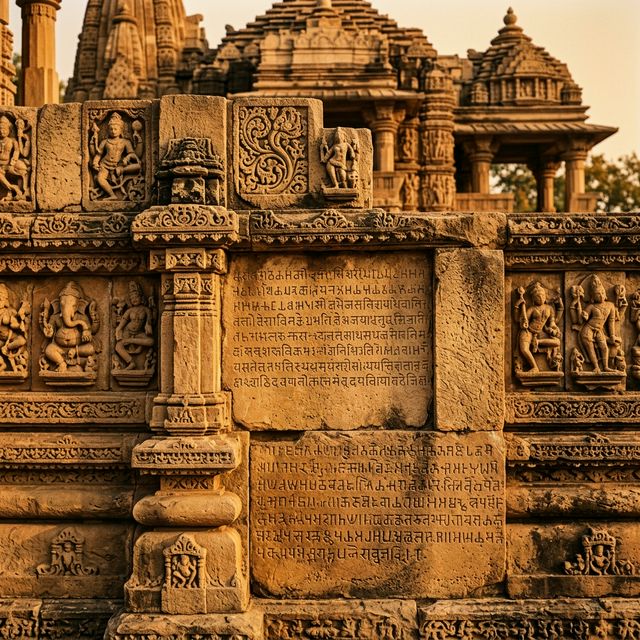
Discovered during ground-leveling at Khasbag, Kolhapur district, Maharashtra, and now preserved in the Rajaram College Museum, this set of three copper plates documents the reign of the Śilāhāra ruler Gaṇḍarāditya. The plates, are strung on a ring attached to a prominent square seal featuring Garuḍa holding a cobra, flanked by the sun and moon. The reverse of the final plate also includes a unique line-drawing of a cow, a liṅga, and a sword. The Sanskrit text, interspersed with Kannada administrative terms, shows the usage of the Nāgarī script.
Issued during the royal camp at Vallavāḍa, Śaka 1048 (1126 CE), on Dakṣiṇāyana śaṅkrānti, the charter records a complex religious and civic endowment. At the request of his chief minister (mahāpradhāna) and accounts minister (kaditāmātya) Maillapaiyya, King Gaṇḍarāditya purchased two nivartanas of land in the village of Komnijavāḍa from the local headmen (nārgāvuṇḍas) Rājaya and Senaya. The minister added four more nivartanas to create a six-nivartana estate. This land, along with specific residential plots (magila), was granted to twelve brāhmaṇas and earmarked for their daily sustenance, as well as for the structural maintenance of the newly expanded three-spired temple of Kheḍāditya at Brahmapuri.
 Editor's Comment:
1. svasti śrīḥ | jayatyāviṣkṛtaṃ viṣṇorvārāhaṃ kṣobhitārṇavam | dakṣiṇonnata daṃṣṭrāgraviśrāntabhuvanaṃ
2. vapuḥ || āsīdvidyādharaḥ pūrvaṃ nāmnā jīmūtavāhanaḥ | parārthaṃ jīvitaṃ yena garuḍāya
3. niveditam || śilāhārākhyavaṃśoyaṃ tagareśvarabhūbhṛtām | tadvaṃśe jatigo nāma jā-
4. to bhūbhṛcchikhāmaṇiḥ || svasti śrījatigakṣitīśatanayo nāyimmanāmā nṛ-
5. paḥ putrastasya ca candrarāṭ pṛthuyaśāstasyāpi sūnuḥ kila | sañjāto jatigo
6. jagajjananutaḥ śrīmāṃśca tannandano goṅkallo bhuvi bhūmipālati –
7. lakastasyāpyabhūdagrajaḥ || gūhaleśotha tadbhrātā kīrttirājonujo-
8. sya ca | candrādityastatastasya cakre rājyamakaṇṭakam || śrīmadgoṅkalabhū-
9. mipālatanayaḥ śrīmārasiṃho nṛpastatsūnurnṛpamaulilālitapa-
10. daśrīgūhalākhyo nṛpaḥ | tadbhrātā bhuvi bhojadevanṛpatirvairībhapañcā-
11. nanaścakre rājyamakhaṇḍitaṃ pṛthuyaśā laṅkeśatulyaṃ kila || tasyānujo dha-
12. rmmadharo dharitryāṃ dadhāra varṇṇānakhilānsvadharmme | dhairyāgradhuryo dhanado dhanānāṃ
13. śrīgaṇḍarāditya iti prasiddhaḥ || dīnānāthadaridraduḥkhivikalavyākīrṇanānā-
14. vidhaprāṇitrāṇaparāyaṇaḥ pratidinaṃ guptākhyadānena yaḥ | yaḥ kṛṣṇājinadhe-
15. nubhūmyubhayatomukhyādidānapradaḥ śaśvadbrahmamatipravīṇahṛdayo bhūdevaka-
16. lpadrumaḥ || svasti samadhigatapañcamahāśabda mahāmaṇḍaleśvaratagarapura-
17. varādhīśvaraḥ śilāhāranarendro jīmūtavāhanānvayaprasūtassuvarṇaga-
18. ruḍadhvajo maruvakkasarppaḥ ayyanasiṃhorimaṇḍalikabhairavo vidviṣṭagajakaṇṭhīrava
19. iḍuvarādityo rūpanārāyaṇaḥ śanivārasiddhirgiridurgalaṅghanaḥ kaliyugavikramā-
20. dityaḥ śrīmahālakṣmīlabdhavaraprasādādisamastarājāvalīvirājita-
21. śrīmanmahāmaṇḍaleśvaro gaṇḍarādityadevo duṣṭanigrahaśiṣṭapratipāla-
22. napurassaraṃ svadharmeṇaikacchatramupabhuñjāno vallavāḍagrāme bīḍānuvṛ-
23. ttyā sukhasaṅkathāvinodena vijayarājyaṃ ciraṃ kurvan virājate | tatpā-
24. dapadmopajīvimahāpradhānena kaḍitāmātyamaillapayyena mahātīrthe
25. śrīkollāpure brahmanirmitabrahmapuryāṃ śrīkheḍādityadevasya jīrṇaprāsā-
26. dasamuddharaṇapurassaraṃ trikūṭaprāsādaṃ vinirmmāya tatra brahmaviṣṇū pra-
27. tiṣṭhāpya tatra dharmmacikīrṣayā vijñāpitaḥ śrīgaṇḍarādityadevastadadhigamya
28. śakavarṣeṣu sahasroparyyaṣṭācatvāriṃśati gatāyāṃ varttamānaparābhavasaṃvatsa-
29. rāntarggatāṣāḍhaśuklacaturthyāṃ śanivāre dakṣiṇāyanasaṅkrātau miriñjideśāṃ-
30. targgatakoḍavallikhaṃpaṇānuvarttini koṃnijavāḍagrāme tatratyanārgā-
31. vuṇḍarājayasenayābhyāṃ nārgāvuṃḍasāmyabhūtaṃ kuṇḍidaṇḍena nivartta-
32. nadvayaṃ mānyaṃ caturviṃśatihastavistaraṃ magilamaṣṭabhogatejasāmyaṃ ca krayeṇādāya
33. grāmabhūmimadhye tenaiva daṇḍena catvāri nivartanāni nikṣipya ṣaṇnivarttanāni mānyaṃ kṛtvā ta-
34. prativaddhaṃ mallavaṃ kutruvaṃ ca kṛtvā caturviṃśatihastavistaraṃ niveśanaṃ anyadaṣṭacatvāriṃśaddhastavi-
35. staraṃ niveśanaṃ cetyevaṃ dvāsaptatihastavistaraṃ magilaṃ cetyetatsarvanārgāvuṇḍaṃ sāmyaṃ kṛtvā tanma-
36. dhye brahmapuryāṃ śrīkheḍādityadevasannidhau dvādaśānāṃ brāhmaṇānāṃ śvetavrīhyodanena āḍhakyādisūpena ghṛ-
37. tena takreṇa caturbhiḥ śākaiśca bhojanāya tāṃbūlāya ca tenaiva daṇḍena mānyaṃ nivarttanadvayaṃ
38. malavaṃ kuruvaṃ ca magilamadhye caturviṃśatihastavistaraṃ niveśanaṃ ca aṣṭabhogateja-
39. sāmyaṃ cetyetat | tathā tatsarvvadharmmapracintakāḥ gautamagotrā gaṅgādharacaturvedibhaṭṭopādhyā-
40. yāḥ bhāradvājagotrā govindakramavidaḥ atrigotrā bhāskaracaturvvedinaḥ jāmadagnya-
41. vatsagotrā nārāyaṇabhaṭṭāḥ bhāradvājagotro mādhavaḥ kāśyapagotro vāmanaḥ dhanañja-
42. yagotrā viṣṇubhaṭṭāḥ bhāradvājagotro vāmanaḥ evamaṣṭau brāhmaṇāḥ tebhyaḥ pratyekaṃ
43. tenaiva daṇḍena vappakaśatacatuṣṭayaṃ magilamadhye pratyekaṃ ṣaḍḍhastavistaraṃ nive-
44. śanaṃ ca tathā tattrikūṭaprāsādasya khaṇḍasphuṭitajīrṇṇoddhārāya tenaiva daṇḍena vappakaśatacatu-
45. ṣṭayam | evametatsarvvaṃ pādaprakṣālanadhārāpūrvvakaṃ sarvvanamasyaṃ sarvvabādhāparihāraṃ sarvāyaviśu-
46. ddhaṃ rājakīyānāmanaṅguliprekṣaṇīyaṃ ācandrārkkaṃ dattavān | etatsarvvadharmmagoptāro brahmapurī-
47. mahājanāḥ | bahubhirvvasudhā dattā rājabhiḥ sagarādibhi | yasya yasya yadā bhūmistasya tasya tadā phalam || svada-
48. ttāṃ paradattāṃ vā yo hareta vasundharām | saṣṭiṃ varṣasahasrāṇi viṣṭhāyāṃ jāyate kṛmiḥ || maṅgalaṃ mahāśrīḥ |
Hail! Prosperity!
Verse 1
Victorious is Viṣṇu’s manifested Boar-form, which agitated the ocean and which had the earth resting on the tip of its uplifted right tusk.
Verse 2
Formerly, there was a Vidyādhara, Jīmūtavāhana by name, who offered his life to Garuḍa for the sake of others.
Verse 3
This is a family of the lords of Tagara, known as Śilāhāra. In that family was born the crest-jewel of kings, Jatiga I by name.
Verse 4
Hail! There was a son of king Jatiga I, Nāyimma by name. His son was Candrarāja, of great fame. To him, again, was born a son named Jatiga II, praised by the people of the world. To him was born the eldest son, the illustrious Goṅkalla, the foremost (lit. the forehead-mark) of the kings on the earth.
Verse 5
Thereafter, there was his brother Gūhaleśa I; his younger brother was Kīrtirāja; thereafter, Candrāditya made his kingdom free from all troublesome persons.
Verse 6
Then there was the illustrious Mārasiṃha, son of the illustrious king Goṅkala. His son was the illustrious Gūhala II by name, whose feet were fondled by the crowns of other kings. His brother was king Bhojadeva I, a lion to the elephants that were his foes in this world. He, of great fame, ruled uninterruptedly like the lord of Laṅkā.
Verse 7
His younger brother is known as the illustrious Gaṇḍarāditya, who is the protector of religion, who makes all castes observe their religious duties, who is the foremost among the most courageous, and the bestower of wealth.
Verse 8
He, by his anonymous gifts, is engaged day after day in giving protection by means of secret gifts to various beings distressed, helpless, poor, miserable, maimed and destitute. He bestows gifts such as those of the skins of the black antelopes, cows, land and parturient cows, his heart is always engaged in contemplation on Brahman, and he is a veritable wish-fulfilling tree to the Brāhmaṇas.
Line 16
Hail! The illustrious mahāmaṇḍaleśvara Gaṇḍarādityadeva—who is adorned with all royal titles such as ‘he who has obtained the five mahāśabdas,’ mahāmaṇḍaleśvara, the lord of Tagara, ‘the best of towns,’ ‘the illustrious Śilāhāra king,’ ‘he who is born in the family of Jīmūtavāhana,’ ‘he who has the golden Garuḍa as his ensign, Maruvakkasarpa, Ayyanasiṃha, ‘a veritable Bhairava to hostile feudatories,’ ‘a lion to the elephants in the form of his foes,’ Iḍuvarāditya, ‘Nārāyaṇa in respect of a handsome form,’ ‘he who is successful even on Saturdays’, ‘the seizer of hill-fortresses,’ ‘Vikramāditya of the Kali Age’ and ‘he who has obtained a boon by the favour of the divine Mahālakṣmī’—governing under one umbrella his kingdom righteously by curbing the wicked and protecting the good, is shining by his long and victorious reign, holding pleasant conversation as is the custom in a camp in the village of Vallavāḍa.
Line 23
Being requested by the Kaḍitāmātya Maillapayya, the mahāpradhāna dependent on his (i.e. Gaṇḍarāditya’s) lotus-like feet, who having first repaired the dilapidated temple of the holy Kheḍāditya in Brāhmapurī created by Brahmā in the great tīrtha, the famous Kollāpura, has constructed a three-spired temple and has installed therein the images of Brahmā and Viṣṇu with a view to do a religious deed, the illustrious Gaṇḍarāditya has accepted his request. And on the occasion of the Dakṣṇāyana Saṅkrānti, on Saturday the fourth tithi of the bright fortnight of Āṣāḍha, the cyclic year Parābhava being current, when one thousand and forty-eight years of the Śaka era have elapsed, he purchased, from the Nārgāvuṇḍas rājaya and senaya of the village Koṃnijavāḍa situated in the khampaṇa of Koḍavalli comprised in the Miriñjideśa, two nivartanas of land measured by the rod of Kuṇḍi agreed to by all Nārgāvuṇḍas and also a magila (house-site) twenty four cubits broad together with the right to eight-fold enjoyment, and having added four nivartanas of land situated in that village, measured by the same rod, and having thus made an agreed total gift of six nivartanas together with mallava and kutruva connected therewith, and having added a house-site twenty-four cubits broad, and another forty-eight cubits broad, in total a house-accommodation seventy-two cubits broad—all this being agreed to by all Nārgāvuṇḍas he gave in their presence and before the holy Kheḍādityadeva, two nivartanas by the same rod as an agree gift with malava and kuruva for the food of twelve Brāhmanṇas, consisting of cooked white rice, soup made of āḍhakī etc., ghee and butter-milk, and for tāmbula together with a house twenty-four cubits broad in the house-site, together with the right to eight-fold enjoyment. The Brāhmaṇas who meditate on all religious duties are as follows: Gaṅgādhara Caturvedīn Bhaṭṭopādhyāya of the Gautama gotra, Govinda Kramavid of Bhāradvāja gotra, Bhāskara Caturvedin of the Atri gotra, Nārāyaṇabhaṭṭa of the Jāmadagnya-Vatsa gotra, Mādhava of the Bhāradvāja gotra, Vāmana of the Kaśyapa gotra, Viṣṇubhaṭṭa of the Dhanañjaya gotra, and Vāmana of the Bhāradvāja gotra. These are the eight Brāhmaṇas.
To each of them is donated land measuring four hundred vappakas and a dwelling six cubits in breadth in the house-site and for the repairs of the broken and dilapidated three-spire temple, four hundred vappakas by the same rod.
He (i.e. the king) has given all these gifts after washing the feet of the Brāhmaṇas. The gifts are free from taxes, free from all obstacles, faultless in respect of all income, not to be interfered with even by a finger by any royal servants, and to be enjoyed as long as the moon and the sun endure.
The mahājanas of Brahmapurī are to protect all these gifts.
(Here follow two benedictory and imprecatory verses.)
May there be happiness and great prosperity!
| Dynasty: | Śilāhāra |
| Ruler: | Gaṇḍarāditya |
| Date: | 26th June 1126 CE (Cyclic year Prabhava, Saturday, Āśaḍha śukla 4 Śaka 1048) |
| Place: | Rajaram College Museum, Kolhapur |
| Donee: | Twelve Brāhmaṇas |
| Language: | Kannada and Sanskrit |
| Deities: | Kheḍāditya i.e. Sūrya, Brahmā, and Viṣṇu |
| Nature of grant: | Religious endowment |
| Purpose: | Maintenance of temple of Kheḍāditya (Sun) |
| Provenance of inscription: | Khasbag, Kolhapur |
| Type of Inscription: | Copperplate grant |
| Source: |
