
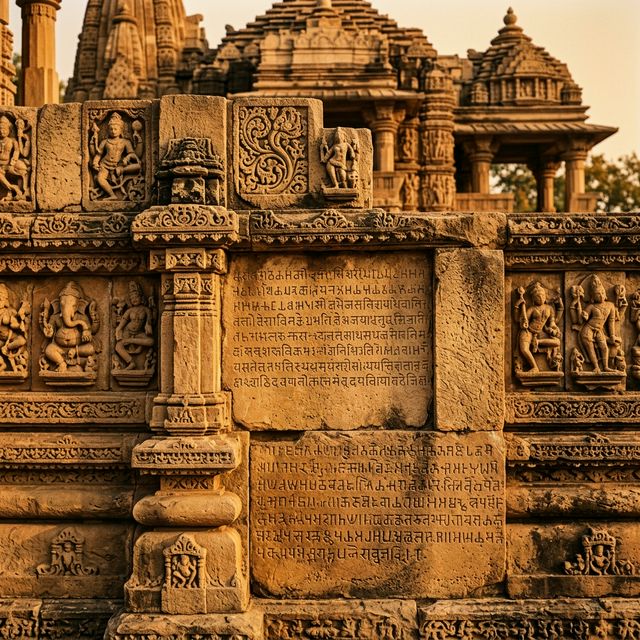
This copper-plate grant, discovered in 1820, from Kasheli in Kolhapur district, Maharashtra, records a land endowment by the Śilāhāra king Bhoja II. Engraved on three copper plates in Nāgarī script, the Sanskrit text is composed in a mixture of verse and prose. It provides a detailed eulogy of the Śilāhāra lineage. The grant was issued from the strategic hillfort of Panhala, on Dakṣiṇāyana saṅkrānti.
The charter records the grant of Kasheli village in the Attavīra division for the daily sustenance of twelve brāhmaṇas. The village boundaries are meticulously defined by the Kuraḷa River, the Arabian Sea, and local landmarks like areca-nut groves. Bhoja II is attributed with an extensive list of royal titles, portraying him as a protector of refugees, a scholar of the Śāstras, and a patron of the arts. The endowment was solemnised by the customary libation of water onto the hands of Govindabhaṭṭa. The engraver of this record is brāhmaṇa Vāmīyena. The third plate of this charter also bears a later, albeit spurious, Marathi inscription concerning temple renovations in 1279 CE.
First Plate
1. svasti | śrīḥ || jayatyāviṣkṛtaṃ viṣṇorvārāhaṃ kṣobhitārṇavam | dakṣiṇonnatadaṃṣṭrāgraviśrāntabhuvanaṃ vapuḥ ||
2. āsīdvidyādharaḥ pūrvaṃ nāmnā jīmūtavāhanaḥ | parārthaṃ jīvitaṃ yena garuḍāya niveditam || śilāhārākhyavaṃśoyaṃ ta-
3. gareśvarabhūbhṛtām | tadvaṃśe jatigo rājājani bhūbhṛcchikhāmaṇiḥ || svasti śrījatigakṣitīśatanayo nāyi-
4. mmanāmā nṛpaḥ putrastasya ca candrarāṭ pṛthuyaśāstasyāpi sūnuḥ kila | sañjāto jatigo jagajjananutaḥ śrī-
5. māṃśca tannandano goṅkallo bhuvi bhūmipālatilakastasyāpyabhūdagrajaḥ || gūvaleśotha tadbhrātā kī-
6. rtirājonujosya ca | candrāditya iti khyātaścakre rājyamakaṇṭakam || śrīmadgoṅkalabhūmipālatana-
7. yaḥ śrīmārasiṃho nṛpastatsūnurnṛpamaulilālitapadaḥ śrīgūvalākhyo nṛpaḥ | tadbhrātā bhuvi bhoja-
8. devanṛpatirvairībhapañcānanaścake rājyamakhaṇḍitaṃ pṛthuyaśā laṅkeśatulyaṃ kila || tasyānujāto vidi-
9. tapratāpo vallāladevaḥ kṣitipaḥ sadaiva | śrīkāminīśo vinatāvanīśo dikprāntarūḍhaprathitapratāpaḥ ||
10. tasyānujo dharmadharo dharitryāṃ dadhāra varṇānakhilānsvadharme | dhairyāgradhuryo dhanado dhanānāṃ śrīgaṇḍarāditya
11. iti prasiddhaḥ || dīnānāthadaridraduḥkhavikalavyākīrṇanānāvidhaprāṇitrāṇaparāyaṇaḥ pratidinaṃ guptākhyadānena yaḥ |
Second Plate : First Side
12. yaḥ kṛṣṇājinadhenubhūmyubhayatomukhyādidānapradaḥ śabdabrahmamatipravīṇahṛdayo bhūdevakalpadrumaḥ || tulā-
13. puruṣadānādiṣoḍaśakratukārakaḥ | śaucagāṅgeyakīrtyekanilayaḥ svagunairbhuvi || tannandanaḥ pravala-
14. māṇḍalikadvipendrapañcānanojanijagattritayaikavīraḥ | pratyarthipārthivalalāṭataṭasthapādapīṭhasphuṭojjvala-
15. yaśā vijayārkadevaḥ || dānāya draviṇārjanaṃ janaparitrāṇāya vīravrataṃ satyāya priyabhāṣaṇaṃ haripadadhyā-
16. nāya cetasthitiḥ | saṃpattiḥ sumanovipadvihataye yasya prakāmaṃ kaviḥ kaḥ śaktaḥ pravivicya tasya vijayādityasya va-
17. ktuṃ guṇān || yena sthānakamaṇḍale tadadhipā bhraṣṭāḥ punaḥ sthāpitāḥ govāyāṃ parinaṣṭabhūmipatayaḥ susthāpitā –
18. stejasā | yatsakhyena ca cakravartipadavīṃ prāpātulo viñjaṇaḥ sobhūcchrīvijayārkadevanṛpatirvairībhakaṇṭhīravaḥ || tannaṃ-
19. danaḥ sakaladiktaṭavartikīrtirbhrūbhaṅgamātraparisādhitavairivargaḥ | viśvaṃbharābharadhurīṇabhujaḥ sadaiva vibhrājate nṛpavaro
20. bhuvi bhojadevaḥ || saṅgrāmāṅgaṇabhairavaḥ kṣitibhujāṃ saṃhārabherīravaḥ kīrtyākrāntajagattrayastanubhṛtāṃ nirdhūtatāpatrayaḥ | śrīratnā-
21. priyanandanaḥ parijanānandaikasaṃkrandanaḥ prāptāśeṣamahītalaḥ sa jayatāṃ śrībhojaratnācalaḥ || svasti samadhigatamahāśabdamahā-
22. maṇḍaleśvaratagarapurādhīśvarajagajjanamanonurāgasāgara- pravardhanaśaraccandraśrīśilāhāranarendravidvajjanamanoratha- phalapradapārijātajī-
Second Plate : Second Side
23. mūtavāhanānvayaprasūtavirodhidharādhīśavaṃśagahanadahana- dhūmadhvajasuvarṇagaruḍadhvajaripumadebhavidalanotkaṇṭhakaṇṭhīravamāṇ-
24. ḍalikabhairavavidviṣṭamaṇḍalikapannagavainateyaśaucagāṅgeya- yuvatijanamanaḥ saṃmohanābhinavakandarpamaruvakkasarpaḥ kṣatri-
25. yaśikhāmaṇiśrīvijayādityadevanasiṅga sāhasottuṅga arinṛpālarājyalakṣmīsamākarṣaṇamantrasiddhiśa-
26. nivārasiddhisakalaśāstrapārāvārapārāyaṇasakalajagatījanastanṛpendutya- induyarādityajayapatākāpavana-
27. vighaṭitārātisenāghanagiridurgalaṅghana uddhṛtadharādhīśakulaśikharikuliśakaligajāṅkuśalaṅkeśavīralakṣmī-
28. latālaṃvanapracaṇḍabhujadaṇḍamaṇḍalīkayamadaṇḍamaṇḍalīka- naranārasiṃhamaṇḍalīkaveśyābhujaṅgavalavadaricaturaṅgasaṅghaṭṭa- vairigharaṭṭa-arasā-
29. savārimadanamaheśvarapratāpalaṅkeśvaramaṇḍalīkagaṇḍapeṇḍāra- ekāṅgavīraśaraṇāyātabhūbhṛnnivaharakṣaṇasamudraparabalavilayakāgni-
30. rudrasugītakṛticāturyaharṣitaśivāntaraṅgapraśastavastukavitā- prasaṅgavividhadharmanirmāṇanityapramodaśrīmahālakṣmīdevīlabdhavara-
31. prasādādisamastarājāvalivirājitaśrīmanmahāmaṇḍaleśvaraśrībhojadevaḥ padmanāladurge sukhasaṅkathāvinodena rājyaṃ kurvāṇaḥ śakavarṣeṣu
32. satrayodaśaśatādhikasahasreṣu 1113 gateṣu vartamānavirodhakṛtsaṃvatsare āṣāḍhaśuddhacaturthyāṃ bṛhaspativāre dakṣiṇāyanasaṅkrama-
33. ṇaparvanimittaṃ kumāragaṇḍarādityavijñāpanena tasyābhyudayārthaṃ aṭṭavirakoṅkaṇamadhyavartikaśeligrāme pratidinaṃ dvādaśa brā-
Third Plate
34. hmaṇabhojanārthaṃ tatrāmapiṇḍānadravyaṃ sarvaṃ tatratyagovindabhaṭṭahaste dhārāpūrvakaṃ sarvanamasyaṃ sarvavādhāparihāraṃ rāja-
35. kīyānāmanaṅguliprekṣaṇīyamācandrārkaṃ prādāt || tasya grāmasya sīmā || pūrvasyāṃ diśi kurulanāmanadī || dakṣiṇa-
36. syāṃ diśi sānduranāmaśuṣkasrotaḥ || paścimasyāṃ diśi saritpatiḥ || uttarasyāṃ diśi kekhaṇḍikākhyakṣudraśuṣkasrotaḥ ||
37. aṃbevarikasthitapūgīvṛkṣasamūhaparyantaṃ sīmā || bahubhirvasudhā dattā rājabhiḥ sagarādibhiḥ | yasya yasya yadā bhūmi-
38. stasya tasya tadā phalam || madvaṃśajāḥ paramahīpativaṃśajā vā pāpādapetamanaso bhuvi bhūmipālāḥ | ye pālayanti mama dha-
39. rmamimaṃ samagraṃ tebhyo mayā viracitoñjalireṣa mūrdhni || svadattāṃ paradattāṃ vā yo harecca vasundharām || ṣaṣṭivarṣasahasrāṇi vi-
40. ṣṭhāyāṃ jāyate kṛmiḥ || ṣaṣṭivarṣasahasrāṇi svarge tiṣṭhati bhūmidaḥ | ācchettā cānumantā ca tānyeva narake vaset ||
41. atidānaṃ tu sarveṣāṃ bhūmidānamihocyate | acalā hyakṣayā bhūmiḥ sarvānkāmānprayacchati || suvarṇaṃ rajataṃ tāmraṃ ma-
42. ṇimuktāphalāni ca | sarvametanmahāprājño dadāti vasudhāṃ dadat || bhartuniḥ śreyase yuktāḥ saṅgrāmābhimukhā hatāḥ
43. | tāṃ gatiṃ nāpnuvantīha bhūmidāyā davāpnuyuḥ || sāmānyoyaṃ dharmaseturnarāṇāṃ kāle kāle pālanīyo bhavadbhiḥ |
44. sarvānetānbhāvinaḥ pārthivendrānbhūyo bhūyo yācate rāmacandraḥ || utkaṇṭitaṃ vipravāmīyeṇena | maṅgalaṃ mahāśrīḥ ||
Hail! May there be prosperity!
Verse 1
Victorious is Viṣṇu’s manifested Boar-form, which agitated the ocean and which had the earth resting on the tip of its uplifted right tusk.
Verse 2
Formerly, there was a Vidyādhara, Jīmūtavāhana by name, who offered his life to Garuḍa for the sake of others.
Verse 3
This is a family of the lords of Tagara, known as Śilāhāra. In that family was born the crest-jewel of kings, Jatiga I by name.
Verse 4
Hail! There was a son of king Jatiga I, Nāyimma by name. His son was Candrarāja, of great fame. To him, again, was born a son named Jatiga II, praised by the people of the world. To him was born the eldest son, the illustrious Goṅkalla, the foremost (lit. the forehead-mark) of the kings on the earth.
Verse 5
Thereafter, there was his brother Gūhaleśa I; his younger brother was Kīrtirāja; thereafter, Candrāditya made his kingdom free from all troublesome persons.
Verse 6
Then there was the illustrious Mārasiṃha, son of the illustrious king Goṅkala. His son was the illustrious Gūhala II by name, whose feet were fondled by the crowns of other kings. His brother was king Bhojadeva I, a lion to the elephants that were his foes in this world. He, of great fame, ruled uninterruptedly like the lord of Laṅkā.
Verse 7
His younger brother, King Ballāladeva, of renowned power, was like him. He, the Lord of the lady of royal fortune, to whom the kings of the earth submitted, always spread his well-known power in different directions.
Verse 8
His younger brother is known as the illustrious Gaṇḍarāditya, who is the protector of religion, who makes all castes observe their religious duties, who is the foremost among the most courageous, and the bestower of wealth.
Verse 9
He, by his anonymous gifts, is engaged day after day in giving protection by means of secret gifts to various beings distressed, helpless, poor, miserable, maimed and destitute. He bestows gifts such as those of the skins of the black antelopes, cows, land and parturient cows, his heart is always engaged in contemplation on Brahman, and he is a veritable wish-fulfilling tree to the Brāhmaṇas.
Verse 10
He has performed the sixteen vows such as the Tulāpuruṣa gift, and by his merits he is the sole abode of the fame of Gāṅgeya (Bhīṣma) in respect of morally pure conduct.
Verse 11
Then was born his son Vijayārkadeva, a lion to the lordly elephants that were his powerful feudatories, a unique warrior in the three worlds, whose bright fame was manifested by his foot-stool rubbed by the foreheads of the hostile princes.
Verse 12
His wealth was acquired for bestowing it in charity; he fulfilled his vow of heroism by protecting the people; his pleasing speech was in keeping with the truth; his mind was engaged in the contemplation of the feet of Hari (Viṣṇu); his wealth was spent in removing the adversity of good people. What poet is able to extol the merits of that Vijayāditya with proper discernment?
Verse 13
There was that illustrious king Vijayāditya, a lion to the elephants that were his enemies—who reinstated the deposed rulers in the Sthānaka maṇḍala and who, by his valour, re-established firmly in Govā the princes that had fled away; and by whose friendship the incomparable Vijjaṇa attained the position of suzerainty.
Verse 14
There shines on earth his son, the great king Bhojadeva II, whose fame has spread to the extremities of all directions, who has vanquished his numerous foes by a mere frown, and whose arm is foremost in bearing the burden of the earth.
Verse 15
May that illustrious Bhoja, a mountain of jewels, be victorious—he who is a veritable Bhairava on the battle-field, who is as it were the rumbling of a drum presaging the destruction of princes, who has enveloped the three worlds by his fame, who has removed the three kinds of sufferings from all creatures, who is the dear son of the illustrious Ratnā, who is the unique joyful shout of all servants as it were, and one who has acquired the whole earth.
Line 21-35
Hail! The illustrious mahāmaṇḍaleśvara Bhojadeva II, who is adorned with all royal titles such as the following—‘he who has obtained the five mahāśabdas,’ the mahāmaṇḍaleśvara, ‘the lord of Tagara, the best of towns,’ ‘the autumnal moon that makes the ocean of joy in the minds of the people of the world overflow,’ ‘a prince of the Śilāhāra family,’ ‘the Pārijāta (wish-fulfilling) tree that fulfils the desires of learned men,’ ‘a scion of the family of Jīmūtavāhana,’ ‘the fire that consumes the thickets of bamboos in the form of the families of hostile kings,’ ‘he who has the ensign of the Golden Eagle,’ ‘the lion that is eager to maul the intoxicated elephants that are his foes,’ ‘a veritable Bhairava destroying feudatories,’ ‘a veritable Garuḍa to the serpents in the form of hostile feudatories,’ ‘Bhīṣma in respent to the hostile army,’ ‘the crest-jewel of the Kṣatriyas,’ ‘a lion, dear to his father, the illustrious Vijayāditya,’ ‘pre-eminent in respect of adventurous spirit,’ ‘he who has the successful incantations for attracting the royal fortune of hostile kings,’ ‘he who is successful even on Saturdays,’ ‘he who is adept in crossing the oceans of all śāstras,’ ‘the moon-like king who is eulogised by the people of the whole world; the sun among those that attack,’ ‘he who, by the breezes of his victorious banner, dispels the clouds in the form of the armies of the enemies,’ ‘he who has captured hill fortresses,’ ‘he who is as it were, a thunderbolt that demolishes the mountains in the form of arrogant kingly families,’ ‘a veritable goad to the elephant in the form of the Kali age,’ ‘he whose massive arm is resorted to by the creeper-like fortune of the warriors of Laṅkā,’ ‘the club of Yama for punishing the feudatories,’ ‘a veritable man-lion among the feudatories,’ ‘a paramour of the courtesans of his feudatories,’ ‘a veritable grinding stone crushing the arrays of the mighty four-membered armies of the enemies,’ ‘he who is a veritable Maheśvara to the god of love in the form of his enemies that were defying the royal order,’ ‘he who is the lord of Laṅkā in respect of valour,’ ‘an anklet (i.e. an ornament) in the form of a great feudatory,’ ‘a unique warrior,’ ‘he who is, as it were, the ocean that gives protection to the numerous mountains in the form of kings that seek refuge,’ ‘he who is the fiery Rudra in destroying the enemies forces,’ ‘he who delights the mind of God Śiva by his skill in composing excellent songs,’ ‘he who always feels delighted in creating various situations in poems on excellent subjects,’ and ‘he who has obtained the favour of a boon from the Goddess Mahālakṣmī’—governing his kingdom from the fort of Padmanāla his mind being diverted by pleasant conversation—has granted all the necessary uncooked food-grains for the daily feeding of twelve Brāmaṇas in the village of Kaśeli situated in the territorial division of Aṭṭavira-Koṅkaṇa at the request and for the prosperity of the prince Gaṇḍarāditya, on the holy occasion of the Dakṣiṇāyana Saṅkrānti, on Thursday, the fourth tithi of the bright fortnight of Āṣāḍha, when the Śaka years one thousand increased by a hundred and thirteen, in figures 1113, have elapsed and the cyclic year Virodhakṛt is current, by pouring water on the hand of Govindabhaṭṭa of that place, the gift being exempt from all taxes, free from all molestation and not to be interfered with by royal servants even with a finger, and lasting as long as the moon and the sun endure.
Line 35-37
The boundaries of the village are as follows:- the river named Kurala on the east; a dry stream, Sāndura by name, on the south; the sea on the west; a small dry stream, Kekhaṇḍikā by name, on the north. The boundary of the village extends up to the cluster of areca-nut trees in the village of Ambevarika.
(Here follow eight benedictory and imprecatory verses.)
Line 44
Engraved by the Brāhmaṇa Vāmīyeṇa. May there be happiness and great prosperity!
| Dynasty: | Śilāhāra |
| Ruler: | Bhoja II |
| Date: | 27th June 1191 CE (Cyclic Virodhakṛt, Thursday, Āśāḍha pūrnimā 4, Śaka 1113) |
| Place: | Kanakāditya temple, Kaśelī (Ratnagiri) |
| Donee: | Twelve Brāhmaṇas |
| Language: | Sanskrit |
| Nature of grant: | Land donation |
| Purpose: | To support feeding of twelve Brāhmaṇas daily |
| Type of Inscription: | Copperplate grant, Gaay-vasru |
| Source: |
