
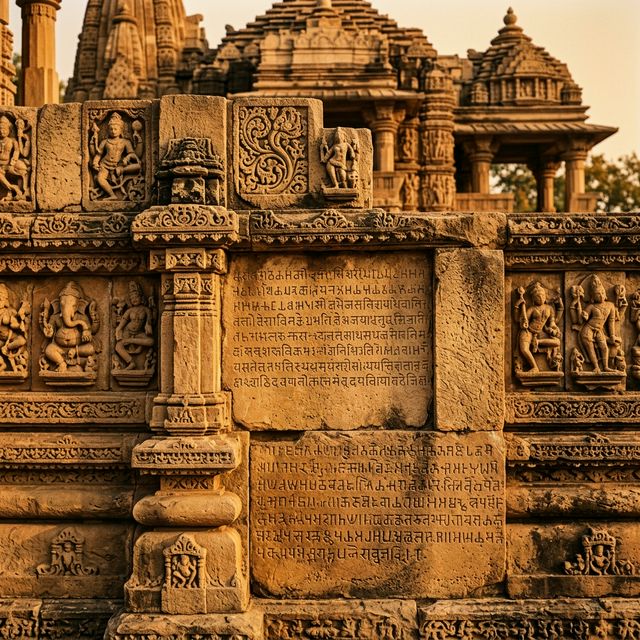
Dr. E. W. West noticed this Sanskrit inscription, engraved in Nāgarī characters on the architrave of Cave 11 (the Darbar Cave) at Kanheri, first. It was later edited by Dr. Kielhorn. It belongs to the reign of the Rāṣṭrakūṭa king Amoghavarṣa I and his Śilāhāra subordinate Kapardin II. The text provides a clear genealogical link, stating Kapardin II meditated on the feet of Pullaśakti, who had obtained governance over the entire Konkan region through Rāṣṭrakūṭa grace.
The inscription records a perpetual endowment (akṣaya-nīvī) made by Gomin Avighnākara, a devout Buddhist who had migrated from the Gauḍa country (modern West Bengal). He donated one hundred drammas to the “mahārāja mahāvihāra” at Kṛṣṇagiri (modern Cave 11 at Kanheri). These funds were specifically allotted for constructing meditation rooms and providing clothing for the resident monks. The charter stipulates that the donor would utilise the endowment during his lifetime, with competent persons mandated to manage the interest and apply it to the designated religious purposes after his death. The transaction was witnessed by specific individuals, including an āchārya from Cikhyallapallikā (modern Chikhloli), and concludes with severe imprecations against misappropriation.
 Editor's Comment:
1. siddham | svasti | śakanṛpakālātītasaṃvatsaraśateṣu saptasu pañcasaptatiṣvaṃkataḥ api saṃvatsaraśaḥ 775 tadantarggataprajāpatisamvatsarāntaḥpātyāśvinabahuladvitīyāṃ budhadine asyāṃ saṃvatsara-
2. māsapakṣadivasapūrvvāyāṃ tithau paramabhaṭṭārakamahārājādhirājaparameśvaraśrīmajjagatūṅgadeva- pādānudhyātaparamabhaṭṭārakamahārājādhirāja- parameśvaraśrīmadamoghavarṣadevapravarddhamā-
3. navijayarājye tatprasādīkṛtāśeṣakoṅkaṇavallabhaḥ śrīpullaśaktiḥ samadhigatapañcamahāśabda mahāsāmantaśekharaḥ tatpādānudhyātasamadhigatapañcamahāśabda mahāsāmantaśekharasya śrīkaparddirājasya pravarddha-
4. mānavijayarājye ihaiva gauḍaviṣayādāgatena paramasaugatena gaumināvighnākareṇāsmin śrīkṛṣṇagirimahārājamahāvihāre upaśamakoli veśmikāḥ sacīvarikāḥ akṣayanīviḥ drammaśataikena kārāpitāḥ | iyaṃ cākṣayanīviryāvadahaṃ jīvāmi tāvanmamopabhogaḥ | mamoparatau kuśalaiḥ kāra rīṃ nirūpyāvaśyaṃ dā-
5. tavyā na paripanthanā kāryā | yaḥ pralopayiṣyati sa avīciparītāpakumbhīpākādiṣu narakeṣūtpatsyate śvānodgīrṇṇagomāṃsaṃ sa bhakṣayiṣyatyevaṃ vyavasthācāryasaṅghasya purata ārocya pratiṣṭhāpya likhāpitā | sākṣiṇaścātra pāttiyāṇakayoganāmā cikhyallapallikācāryaścātra sākṣī | puṇyaṃ mantri sākṣiṇāṃ | bho
6. bho divyabuddha śrīḥ kadācīdapātraṃ satvāpācāriṇo sādhvācārasya pratipādayiṣye sa pātreṇopatiṣṭhettasya pādarśanādevāvaśyaṃ dātavyam | atra yatkiñcidūnākṣaramadhikākṣaraṃ tatsarvvaṃ pramāṇamiti |
Success! Hail! On Wednesday, the second tithi of the dark fortnight of Āśvina falling in the cyclic year Prajāpati, when seven hundred and seventy-five years—in figures too, 775 years—of the era of the Śaka King had passed, on the aforesaid lunar day of the said fortnight of the said month and year, during the increasingly victorious reign of the paramabhaṭṭāraka, mahārājādhirāja and parameśvara, the illustrious Amoghvarṣa I, who meditates on the feet of the paramabhaṭṭāraka, mahārājādhirāja and parameśvara, the illustrious Jagattuṅgadeva (i.e. Govinda. III), during the increasingly victorious reign of the illustrious king Kapardin II, the Chief among the mahāsāmantas, who has obtained the five mahāśabdas, and who meditates on the feet of the illustrious Pullaśakti, who was the lord of the entire Koṅkaṇa, which he had obtained through his (i.e. Amoghvarṣa’s) grace, and who was the Chief among the mahāsāmantas and had obtained the five mahāṣabdas—
Lines 4-5 -
The Gomin Avighanākara, a devout worshipper of the Sugata (i.e. Buddha), who has come to this very place from the country of Gauḍa, has made a perpetual endowment of one hundred drammas for the rooms for meditation and the clothing of the monks at this mahārāja-mahāvihāra on the famous Kṛṣṇagiri.
This perpetual endowment will be used by me so long as I live. On my death, competent persons shall fix the interest and shall necessarily donate it for the above-mentioned purpose and shall cause no obstruction.
He who will misappropriate this will be born in the Avīci, Parītāpa, Kumbhīpāka and other hells, and will have for his food cow-flesh vomited by dogs.
This deed has been approved and confirmed in the presence of the venerable community and has been caused to be written.
The witnesses of this are the Pattiyāṇaka Yōga and the ācārya of the village Cikhyallapallikā. Religious merit will accrue to the adviser and the witnesses.
Line 6 –
O heavenly Buddha! Never will fortune attend him who wrongs living beings. To him who is of good conduct, will I give. He should approach as a worthy recipient. To him shall necessarily be given, for sin is not noticed in him.
Herein whatever may be deficient in letters or redundant in letters, all that is authoritative.
| Dynasty: | Śilāhāra |
| Ruler: | Kapardin II |
| Date: | 851 CE (Āśvina kṛṣṇa 2, Śaka 775) |
| Place: | Kanheri Caves (ancient Kṛṣṇagiri, present-day Borivali, Mumbai) |
| Donee: | Āryasaṅgha at Kānherī |
| Language: | Sanskrit |
| Deities: | Buddha as Sugata |
| Nature of grant: | Monetary donations |
| Purpose: | To record donations for support of Buddhist monastic life (meditation, clothing) |
| Provenance of inscription: | Kanheri caves, Borivali, Maharashtra |
| Type of Inscription: | Stone inscription |
| Source: |
