
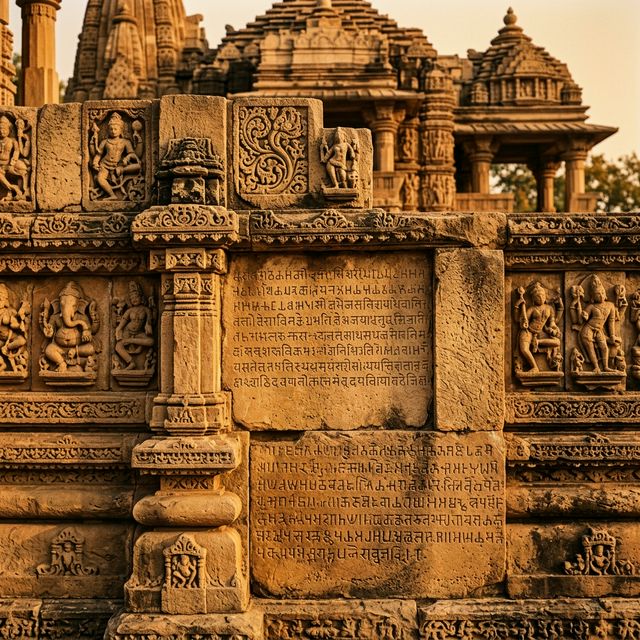
The Janjira copper-plate charter, discovered in the Raigad district, Maharashtra, edited by A. S. Gadre records a land grant issued by the Śilāhāra ruler Aparājitadeva in Śaka 915 (993 CE). Engraved in Nāgarī script and composed in Sanskrit language, the inscription documents the genealogy of the Rāṣṭrakūṭa suzerains and the Śilāhāra dynasty, tracing their descent from Jīmūtavāhana. It functions as a legal title deed for the transfer of agrarian rights within the Purī-Konkan region, confirmed by the signatures of high-ranking state officials including the mahāmātya and the sāndhivigrahika.
The text records the donation of the village Palaccha-ucchikā in the Vihale subdivision to the kramavid brāhmaṇa Kolama of the Kāśyapa gotra and the Ṛgveda śakhā. King Aparājitadeva executed this grant on a solar eclipse, after having bathed and worshipped the gods Hari (Viṣṇu), Hiraṇyagarbha (Brahmā), and Dahana (Fire). The grant confers full proprietorship, including rights to taxes (bhāga-bhoga) and immunity from royal agents (cāṭa-bhaṭa). The document was confirmed by the mahāmātya Ammaṇaiya and the minister for Peace and War, Jhañjamaiya, and written by the kāyastha scribe Uddāma.
 Editor's Comment:
1. siddham | namaḥ puruṣottamāya || sa vovyādvedhasā dhāma yannābhikamalaṃ kṛtam | haraśca yasya kāntendukalayā kamalaṅkṛtam ||
2. kurvvantvāmnāyapūtāni vedhaso vadanānyalam | carācarajagatsṛṣṭināmadhāmāni vaḥ śubham || āsīdgovindarājaḥ kṣi-
3. tipatirasamaḥ karkkarājastatobhūdbhabharttā śrīndrarājaḥ punarabhavadato dantivarmeti sūnuḥ | khyātaḥ śrīkṛṣṇarājaḥ
4. kṣapitaripurabhūtkarkkarājasya sūnustasmādgovindarājastadanu tadanujaḥ śrīdhruvāṅkodhirājaḥ || jagattuṅgoṅgaja
5. stasya guṇottuṅgo.abhavattataḥ | vallabhomoghavarṣaḥ sa kṛṣṇarājastataḥ sutaḥ || jagattuṅgāṅgajaḥ śrīmānindradeva-
6. statobhavat | nityavarṣo bhuvo bhartta vikramottuṅgaśaṅkitaḥ || janaharṣakṛte varṣaṅghana iva ghanakanakavāridhārābhiḥ |
7. tasmādamoghavarṣo varṣāvadhirājyabhājanaṃ jātaḥ || tasyānujo haririvoddhṛtabhūtalaśrīrgovindarājanaranāthasu-
8. varṇṇavarṣaḥ | sannandakācyutasudarśanacakracihnaḥ siṃhāsanī gurubalaḥ puruṣottamobhūt || pitṛvyaḥ svarṇṇava-
9. rṣasya nityavarṣānujaściram | kurvvannakaṅṭakaṃ rājyaṃ tapasā sāhasena ca || śrīmatkarkkararāṣṭrakūṭakaṭakesadvaṃ –
10. sadvaṃśasaṅgharṣato raudradrohadavapratāpaśamanaṃ nistriṃśadhārājalaiḥ | yenākāri samuddhṛtendradhanuṣā bhūpāśma-
11. bhirvvidyutā bhāti śrīmadamoghavarṣasughano.asaddhūlividhvaṃsanāt || atha gatavati tasminnbaddigendre narendre su-
12. vimalamapi śaṃbhorddhāma śubhraṃ vidhātum | kanakakalaśadhārāpātadhauteva kanyā tadanu narapatiśrīḥ kṛṣṇarājaṃ sa-
13. māgāt || colo lolo bhiyābhūdgajapatirapatajjāhnavīhvarāntarvājīśastrāsaśeṣaḥ samabhavadabhavacchai-
14. larandhre tathāndhraḥ | pāṇḍyeśaḥ khaṇḍitaśrīranujaladhijalaṃ dvīpapālāḥ pralīnā yasmindattaprayāṇe sakala-
15. mapi sadā rājakaṃ na vyarājat || ā cañcatsindhuvīcīnicayaparicitopatyakātpaścimādrerā pūrvvādudya-
16. darkkaprakharaharikhurotkhātamurddhano mahīdhrāt | ā vitteśālayādā daśavadanapuro maṇḍalāgraprabhāvaiḥ
17. pṛthvīmekātapatrāmakuruta sukṛtī yo jagadgītakīrttiḥ || tasminnastamite vibhau vidhivaśādākrānta-
18. bhūmaṇḍale lokāhlādini śatrupaṅkajarudhi protkṛṣṭarociṣmati | śītāṃśāviva divyasaṅgagatike rājā-
19. dhirāje tataḥ śrīmatkhoṭṭigadeva ityabhidhayā rājye sthito bhūpatiḥ || tadanu ca jāto manmathamūrtirvvi-
20. malamahīkhyātākhilakīrttiḥ | narapatisaṅghāviṣkṛtasevo nirupamasūnuḥ kakkaladevaḥ || tasminnare-
21. śe nṛpatipradīpe pracaṇḍatailappasamīraṇena | vidhyāpite duṣyamakālabhāvātkathāvabhāse sati raṭṭarājye ||
22. jīmūtaketutanayo.avatatāra yosmiñjīmūtavāhana iti prathitaḥ pṛṭhivyām | sīlāravaṃśatilakaḥ sva-
23. śarīradānatrātā hi lokasamavādya garutmadaṅghaḥ || abhavadahitamarddī tasya vaṃśe kaparddī
24. vibudhajanasutuṣṭaḥ śreṣṭhagopṛṣṭhatuṣṭaḥ | priyajalagiridurggaḥ prīṇitātmeṣṭavarggaḥ pa-
Second Plate: First side
25. rapurabhayakarttā raudranāgendraharttā || vipulamatirudīrṇṇaḥ karṇṇavatsvarṇṇavarṣaiḥ sapulakapulaśaktiḥ śakti-
26. yuktastatobhūt | abhavadiha na dīnastasya sūnuḥ kaparddī jitaparabaladaṇḍākhaṇḍapṛthvītaraṇḍaḥ || tasmādbhu-
27. vanataraṇḍaḥ khaṇḍitadorddaṇḍacaṇḍaripudaṇḍaḥ | jajñe yaśasā maṇḍitamakhaṇḍabhūmaṇḍalaṃ yena || jhañjhanāmā sutastasmā-
28. dvappuvannādbhūdasau | uditoditatā yena vaṃśasya prakaṭīkṛtā || caturaścaturāsyopi na kṛtsnāṅgadituṃ guṇān | śaradabhra-
29. sitānyasyācaturāsye tu kā kathā || tasyānujo nijabhujorjjitanirjjitāriḥ śrīgoggirāja iha suprathitaprabhāvaḥ |
30. śrījhañjharāṇakaguṇāndviguṇāndadhānastyāgādbhujaṅga- vijayīrmmaḍijhañjhanāmā || rājyaṃ cakāra sacivena vicintyamā-
31. naṃ śrīnāgamena vinutonujasannibhena | sanmārggatānugatakārmukabāṇapāṇiḥ śrīlakṣmaṇānugatarāma ivābhirā-
32. maḥ || paracakraṃ namadyasya sparddhate dhanuṣā samam | sadvaṃśa sadguṇastattvaṃ karākramaṇayā raṇe || sārddha ca dvāri daṇḍena
33. yokhaṇḍākhaṇḍalatviṣā | kodaṇḍaṃ maṇḍalīkurvanmaṇḍalīkatvamāsadat || paramaṇḍalaprasādanasatkīrttigu-
34. ṇākaro guṇī tadanu | śrīmadvajjaḍadevo bhūpālo rājyamadhitaṣṭhau || anavaratadānaśīlaḥ pratāpavānnītividyaśo-
35. nilayaḥ | sūnustasya ca rājye śrīmānaparājito jātaḥ || viśadamativivekī dharmmatanniṣṭhacitto vibudhajananiṣevyaḥ
36. satkramottuṃgadhairyaḥ | sakalaguṇanivāsaḥ prārthināṃ pūritāśo ripugaṇakarisiṃho rājadhuryaḥ prasiddhaḥ || rucira-
37. sutanubhāsaḥ prollasatsadvilāso nirupamanijakīrttivyāptalokatrayaśca | bhuvi sakalakalānāmāśrayo
38. niṣkalaṅko mahitacaritabhāgyaḥ sādhitāśeṣaśatruḥ || kandarppo yuvatījane vimaladhīrnnītau ca vācaspatiḥ kāryākārya –
39. vicāraṇāsu nipuṇo gāṃbhīryavārānnidhiḥ | dhāmnā tīvrarucirvviśeṣaguṇabhṛddānakriyāyāṃ guruḥ śrīvidyāvasati-
40. rjanapriyatamo yo bhūpavandyaḥ sadā || siddāṃ saṃyānabhūmiṃ pṛthutarapuṇakaṃ deśamājñāvidheyaṃ sahyaṃ pratyantakāntaṃ
41. nijabhaṭakalitaṃ saṅgamādīśvarākhyam | nāmākhyānaprasādhyaṃ cipulaṇaviṣayaṃ naṣṭavaiṣamyabhāvaṃ kṛtvā tejonubhā-
42. vādvaravibhavavibhṛtsvājñayā yaḥ praśāsti || ā lāṭadeśādbhuvi bhillamīyadeśaṃ vidhāyāvadhimatra yasya | ā pa-
43. ścimābdhe ratha candrapūrvva puraṃ vidhṛtya prabhutāprabhāvaḥ || prabhuśrīammaṇaithena mahāmātyena mantriṇā | saṃyukto-
44. sau vibhātīha guruṇākhaṇḍalo yathā || iti pūrvvaṃ śrīmānyakheṭakaṭake paramabhaṭṭārakamahārājādhirājapa-
45. rameśvaraśrīmatkṛṣṇarājadevapādānudhyātaparamabhaṭṭāraka- mahārājādhirājaparameśvaraśrīmatkhoṭṭiga-
46. devapādānudhyātaparamabhaṭṭārakamahārājādhirāja- parameśvaraśrīmatkakkaladevasaṃjātavyapāyānaṃ –
47. taraṃ naṣṭabhraṣṭaraṭṭarājye || svatejonubhāvātsamadhigatāśeṣamahāśabda mahāsāmantādhipatitagara-
48. puraparameśvaraśīlāranarendrajīmūtavāhanānvaya prasūtasuvarṇṇagaruḍadhvajābhimānamahodadhivimala-
49. galagaṇḍapaścimasamudrādhipatigaṇḍaragaṇḍadīptimārttaṇḍa gaṇḍavaṅgaragaṇḍaruddhaphoḍigaṇḍa-
Second Plate: Second Side
50. nārāyaṇanannisamudrapusigañjuvātavillaviḍeṅgajhampaḍācārya- ahitakālānalavirudaṅkarāmamanḍalīkatrine –
51. traprabhṛtisamastarājāvalīsamalaṅkṛtamahāmaṇḍaleśvara śrīmadaparājitadevarājaḥ sarvvāneva yathāsaṃba-
52. dhyamānakānāgāmigrāmabhoktṛsāmantarājaputrādhikāri- purapatitrivarggasthānanagaraprabhṛti pradhānāpradhānajanā-
53. npraṇatipūjāsamādeśaiḥ samanubodhayatyastu vaḥ saṃviditaṃ yathā || calā vibhūtiḥ kṣaṇabhṅgi yauvanaṃ kṛ-
54. tāntadantāntaravartti jīvitam | tathāpyavajñāparalokaśāsane.aho nṛṇāṃ vismayakāri ceṣṭitam || raṃbhāstambha-
55. garbha iva sakalametadasāratayādhiṣṭhitaṃ saṃsārajātaṃ vinaśvarabhāvaṃ dharma evaikaḥ sahāyaḥ śāśvataśceti vimalena ma-
56. nasā samākalayya || mātāpitroraihikapāratrikapuṇyaphalāvāptaye ātmanaśca mahāpuṇyayaśobhivṛddhaye ||
57. śakanṛpakālātītasaṃvatsaraśateṣu navasu pañcadaśottareṣvaṅkataḥ saṃvat 915 vijayasaṃvatsarāntarggataśrā–
58. vaṇabahula 15 ravau sañjātasūryagrahaṇamahāparvvaṇi rāhugrahagrāsīkṛtatīvradyutimaṇḍale siṃharāśigate
59. ca sūrye sati | vihitasnānānantaraṃ yathocitasthityā harihiraṇyagarbhadahanādīnamarānamalaśraddhayā saṃpūjya || ka-
60. rahāṭavinirgatāya iha kāryābhyāgatāya kāśyapagotrabahvṛcaśākhāya haridevagṛhītasahasraputrāya brāhmaṇa-
61. kolamakramavide || caturdaśagrāmaśatopalakṣitapurīkoṅkaṇadeśāntapāti | cikhkhalāḍaviṣayapratibaddhavihale-
62. kṣetrāntarvvarttinī palaccha-ucchikābhidhānā pallikā | yasyāścāghāṭanāni | pūrvataḥ mānecolīsatkavirakaḥ dakṣi-
63. ṇataḥ koṭilevallīsatkasīmā | paścimataḥ majjigrāmasatkasīmā | uttaratopi saiva | evamiyaṃ caturāghā-
64. ṭanopalakṣitā adhikakhuṇṭilakṣetrārddhabhogabhāgasamanvitā savṛkṣamālākulā svasīmāparyantā sakā-
65. ṣṭhatṛṇodakā sadaṇḍadaśāparādhā pūrvvadatta devadāyabrahmadāyavarjjā sarvvotpattiyuktā | putrapautrādyanvayopabho-
66. gyā nidhānālīyakakumārīsāhasāputrādisamastadaṇḍadoṣa- yuktā.acāṭabhaṭapraveśā.akarā.asmā-
67. bhiḥ paramayā bhaktyā hastodakādividhipūrvvakaṃ pradattā || tadasya sānvayabandhorapyācandrārkkakālamaryyā-
68. dayā svecchayā bhuñjato bhojayato vā kṛṣataḥ karṣa yataśca na kenāpi paripanthanā kāryā | sarvvadā samā-
69. gāminṛpatibhirasmadvaṃśajairanyairvvā.asatkarma- gaṃbhīradarīprapātabhayabhīrubhirjvaladanalasphuliṅga-
70. sahasrabhīṣaṇā vīcinirayaprapātavedanāgamaśaṅkitaiḥ pratipālayitavyā.anumantavyā
71. ca | yo vājñānatimirapaṭalāvṛtamatirācchindyādācchidyamānaṃ bānumodeta sa pañcabhirmahāpātakairu-
72. papātakaiśca saṃyukto bhavet || uktaṃ ca bhagavatā vedavyāsena || ṣaṣṭirvvarṣasahasrāṇi svargge tiṣṭhati bhū-
73. midaḥ | ācchettā cānumantā ca tānyeva narake vaset || vindhyāṭavīṣvatoyāsu śuṣkakoṭaravā-
74. sinaḥ | mahāhayā hi jāyante bhūmidāyāpahārakāḥ || svadattāṃ paradattāṃ vā yo hareta vasun
Third Plate
75. dharām | ṣaṣṭi varṣasahasrāṇi viṣṭhāyāṃ jāyate kṛmiḥ || gāmekāṃ svarṇṇamekaṃ vā bhūmerapyeka-
76. maṅgulam | harannarakamāpnoti yāvadābhūtasaṃplavam || pañca paśvanṛte hanti daśa hanti gavā-
77. nṛte | śatamaśvānṛte hanti sahasraṃ puruṣānṛte || hanti jātānujātāṃścaṃ hiraṇyārthenṛtaṃ vadet | sarvvaṃ bhū-
78. myanṛte hanti mā sma bhūmyanṛtaṃ vādīḥ || agnerapatyaṃ prathamaṃ suvarṇṇaṃ bhūrvaiṣṇavī sūryasutāśca gāvaḥ | loka-
79. trayaṃ tena bhaveddhi dattaṃ yaḥ kāñcanaṃ gāṃ ca mahīṃ ca dadyāt || svadattāṃ paradattāṃ vā yatnārakṣa narādhipa | mahīṃ
80. mahībhujāṃ śreṣṭha dānācchreyonapālanam || bahubhirvvasudhā bhuktā rājabhiḥ sagarādibhiḥ | yasya yasya yadā bhū-
81. mistasya tasya tadā phalam || dhavalānyātapatrāṇi dantinaśca madotkaṭāḥ | bhūmidānasya puṣpāṇi phalaṃ svarggaḥ
82. purandara || sarvvānetānbhāvinaḥ pārtthivendrānbhūyo bhūyo yācate rāmabhadraḥ | sāmānyoyaṃ dharmmaseturnṛ-
83. pāṇāṃ kāle kāle pālanīyo bhavadbhiḥ || madvaṃśajāḥ paramahīpativaṃśajā vā pāpādapetamanaso
84. bhuvi bhāvibūpāḥ | ye pālayanti mamadharmamimaṃ samagram | teṣāṃ mayā vinihitoñjalireba mūrddhni ||
85. yathā caitadevaṃ tathā ca | mahāmaṇḍaleśvaraśrīmadaparājitadevarājo lekhakahastena svamatamāro-
86. payati | mataṃ mama śrīmadaparājitadevarājasyeti || labdhvā gaṇḍaragaṇḍarājaniyamaṃ
87. śrīammaṇaiyāmidhe.amātyedhiṣṭhitasaṃdhivigrahapade śrījhaṃjhamaiye sati | uddāmo nanu
88. kolamakramavide sarvairmataṃ śāsanaṃ cakkeyasya sutastadetadalikhatkāyasthavaṃśodbhavaḥ ||
89. yatkimapi likhitamuktaṃ yuktamayuktaṃ ca noktamiha sarvvam | alikhitamaguṇaṃ saguṇaṃ pramā-
90. ṇabhūtaṃ sadā jñeyam ||
Success! Obeisance to Puruṣottama!
Verse 1
May he (i.e. Viṣṇu), whose navel-lotus Brahmā has made his abode, protect you, and also Śiva, whose head has been adorned by a lovely digit of the moon!
Verse 2
May the faces of Brahmā, sanctified as they are by the recitation of the Vedas, which are the abode of the names of all creatures and things in the creation of the moveable and immoveable worlds, secure your well-being completely!
Verse 3
There was the incomparable king, Govindarāja I; thereafter there was Karkarāja I. Then there was the king, the illustrious Indrarāja I, and thereafter his son Dantivarman. Then there was the well-known and illustrious king Kṛṣṇarāja I, the son of Karkarāja I, who exterminated his enemies. From him was born Govindarāja II, and thereafter reigned his younger brother, the illustrious Emperor Dhruva.
Verse 4
His son, eminent on account of his merits, named Jagattuṅga (Govinda III), reigned after him. Thereafter reigned his son Amoghvarṣa I, known as Vallabha and thereafter reigned his son Kṛṣṇa II.
Verse 5
Thereafter there reigned the illustrious Indradeva III, the son of Jagattuṅga known as Nityavarṣa, the lord of the earth, who was feared on account of the eminence of his valour.
Verse 6
From him was born Amoghvarṣa II, who ruled only for a year, and who, to the delight of the people poured forth large streams of gold even as a cloud pours large showers of water.
Verse 7
Then there sat on the throne his younger brother, the illustrious king Govindarāja IV known as Suvarṇavarṣa, who rescued royal fortune even as Hari in his Boar incarnation lifted the earth, and who, being of great might and having an invincible and well equipped army that delighted all good people, was Puruṣottama (Viṣṇu) himself, who bear the excellent Nandaka sword and the unfailing Sudarśaṇa discus.
Verse 8
Then there reigned for a long period Amoghvarṣa III, the uncle of Suvarṇavarṣa (Gold-rainer, i.e. Govinda IV), the younger brother of Nityavarṣa (i.e. Indra III), ridding his kingdom of troublesome people by his austerities and adventurous spirit.
Verse 9
The illustrious Amoghvarṣa III shrines, having destroyed all wicked people, he who looking resplendent, raised the bow of his elder brother Indra and with the sharp edge of his sword and the assistance of princes, put an end to the terrible battle in the capital of the illustrious Rāṣṭrakūṭa prince Karkara, caused by a conflict of wicked people, even as a beneficent cloud removes all dust, and with the rainbow appearing high up in the sky, extinguishes wild fire caused by friction of bamboos by means of hail-stones and lightning.
Verse 10
Therefore, when that king Baddiga (Amoghvarṣa III) went to the abode of Śambhu to make it look brighter with his fame, though it was already very bright, the girl in the form of royal fortune went over to Kṛṣṇarāja III, having bathed, as it were, under the showers from golden vessels.
Verse 11
When he marched for victory, none of the princes looked bright—Chola trembled through fear; the lord of elephants fled to the caves caused by the stream of the Gaṅgā; the lord of horses was overwhelmed with apprehension; and the Andhra king sought shelter in the cavity of a mountain; the Pāṇḍya king was deprived of his royal fortune; and the rulers of the islands disappeared in the water of the ocean.
Verse 12
He (i.e. Kṛṣṇa III), the righteous king, whose fame was sung by the whole world, by the might of his sword, made the earth have only one royal umbrella—the earth stretching from the western mountain, the lands near which are familiar with the rushing waves of the ocean, to the eastern mountain, the peak of which is dug up by the hard hoofs of the horses of the rising Sun, and from Himālaya, the abode of the lord of wealth (Kubera), to the city of the ten-faced Rāvaṇa (i.e. Ceylon).
Verse 13
When that lord, the Emperor, who overran the whole world, who delighted the people and who, being possessed of bright splendour, destroyed the enemies even as the moon of great brightness withers day-lotuses, disappeared and obtained heavenly abode by the decree of fate, the king known by the name of the illustrious Khoṭṭigadeva sat on the throne.
Verse 14
Thereafter, there was born Kakkaladeva, the son of Nirupama, who had the form of the god of love, whose spotless fame is well-known throughout the world, and who was waited upon by a multitude of princes.
Verse 15
When that king, the lord of the people, was destroyed through misfortune by the mighty Tailappa even as a bright lamp is put out by a strong storm and the kingdom of the Raṭṭas was reduced to a tale of the past—
Verse 16
There appeared here Jīmūtavāhana, the son of Jīmūtaketu, well-known on the earth—the ornament of the Śīlāra family, who the faultless one, by offering his own body, saved all serpents from Garuḍa.
Verse 17
In his family was born Kapardin I, the destroyer of enemies, who was greatly pleased with learned people, who was most praiseworthy and contented on the surface of the earth, who was fond of residing inside a water-fort, who pleased his favourite people, who caused consternation to the enemies’ cities and destroyed dreadful Nāga kings.
Verse 18
From him there was the mighty Pulaśakti with his body horripilated, who, large-hearted as he was, was generous like Karṇa, with his showers of gold. Then there was his son Kapardin II, the magnanimous one, who vanquished the armies of the enemies and was a saviour to the whole earth.
Verse 19
Then was born from him Vappuvanna, the saviour of the world, who exterminated with his long arms the mighty armies of his enemies and who, with his fame, adorned the entire circle of the earth.
Verse 20
From that Vappuvanna was born that well-known son named Jhañjha, who manifested the greater and greater rise of his family.
Verse 21
Even the four-faced Brahmā was not able to enumerate all his good qualities, white like autumnal clouds, what to say of persons who are not endowed with four faces!
Verse 22
Then there reigned his younger brother, the illustrious Goggirāja, who by his arms vanquished powerful enemies and whose power was well-known, who possessed in a double degree the good qualities of the illustrious Jhañjha by his liberality, who won a victory over the Nāgas and bore the name of Īrmaḍi Jhañjha.
Verse 23
He ruled his kingdom which was looked after by his minister, the illustrious Nāgama, who, resembling his younger brother, extolled him. He (the king), who followed the righteous path and had the bow and arrows in his hands, appeared with this minister graceful like Rāma, followed by Lakṣmaṇa.
Verse 24
The enemy’s army, bending before him, vies with his bow. So also, noble birth and virtues vie with his bow of a good bamboo with an excellent string, when it is held in the hand while fighting.
Verse 25
With his army which had the complete splendour of Indra, and waited at his gate, he, bending his bow, attained the rank of a Maṇḍalika.
Verse 26
Thereafter, the meritorious and illustrious king Vajjaḍadeva obtained the kingdom—he who had a multitude of merits and excellent fame acquired by the conquests of his enemies’ kingdom.
Verse 27
To him was born a son, the illustrious Aparājita by name, who ruled his kingdom, who was in the habit of bestowing gifts unceasingly, who was valorous, proficient in political science and an abode of glory.
Verse 28
He has a clear intellect and is possessed of discrimination, has fixed his mind on religious observances, is waited upon by wise men, is engaged in good deeds and possesses great courage. He is the abode of all good qualities, fulfils the desires of suppliants, destroys his numerous enemies as a lion kills elephants and is well-known as the foremost among princes.
Verse 29
He has beautiful bodily splendour, engages himself in noble pastimes, has filled the three worlds with his matchless fame, is skilled in all arts and is blameless in this world. He has excellent fortune and has vanquished all his foes.
Verse 30
He is always adored by princes; he appears as the god of love to young women; he having a clear intellect, is regarded as Vācaspati in respect of political wisdom; he is adept in consideration of what ought to be and what ought not to be done; he is the ocean of serenity; he is fond of taking strong measures by reason of his power; he is endowed with preeminent merits and is great in charity; he is an abode of fortune and learning, and has greatly endeared himself to all people.
Verse 31
Possessing the power of Hara (Śiva), he by his prowess rules impartially by his commands over the Saṁyāṇa country which he has conquered, the large Puṇaka country which is submissive to him the Sahya territory which has lovely surroundings, Saṅgameśvara won by his soldiers, and the Chipulaṇa territory which submitted to him the moment his name was mentioned.
Verse 32
His power of supremacy extends from the country of Lāṭa to that of Bhillama, and from the western ocean to Candrapura.
Verse 33
With the able and illustrious Ammaṇaiya, who is his mahāmātya and mantrin, he shines here like Indra with his teacher Bṛhaspati.
Line 44
In the past the Raṭṭa kingdom was overthrown and destroyed after the calamities that befell the illustrious paramabhaṭṭāraka, mahārājādhirāja, parameśvara Kakkaladeva, who meditated on the feet of the illustrious paramabhaṭṭāraka, mahārājādhirāja, parameśvara Khoṭṭigadeva, who meditated on the feet of the illustrious paramabhaṭṭāraka, mahārājādhirāja, parameśvara Kṛṣṇarāja in Mānyakheṭa.
Line 47-52
The mahāmaṇḍaleśvara, the illustrious Aparājitadevarāja—who is adorned with all great royal titles obtained by his valour such as mahāsāmantādhipati (the foremost among the Mahāsāmantas), tagarāpuraparameśvara (the lord of the city of Tagara), ‘he who is a Śīlāra king, born in the family of Jīmutavāhaṇa,’ ‘he who has the banner of the Golden Eagle,’ ‘he who has the titles of abhimānamahodadhi (the ocean of pride), vimala-gala-gaṇḍa (the hero with a spotless neck), paśchima-samudrādhipati (the lord of the Western Ocean), gaṇḍara-gaṇḍa (the hero of heroes), dīpti-mārtaṇḍa (the Sun of splendour), gaṇḍa-vaṇgara (the gold among heroes), gaṇḍa-ruddha–phoḍi (the rescuer of those captured by hostile warriors), gaṇḍa-nārāyaṇa (the Viṣṇu among heroes), nanni-samudra (the ocean of truth), pusiganju–vāta (one who is afraid of falsehood), villa-viḍeṅga (clever in the use of the bow), jhampaḍācārya (clever in striking fear), ahita-kāl-ānala (fire of destruction to his enemies ), birudaṇka-Rāma (Rāma among title–holders) and maṇḍalika-trinetra (Śiva among the Maṇḍalikas)—Aparājitadevarāja informs, by salutation, honour and order, all people, whether prominent or otherwise, according as they may be concerned—the people such as future village-headmen, sāmantas, princes, officers, heads of towns, the three classes of people and local guilds, as follows :-
Line 53
“Be it known to you –
Verse 34
Prosperity is unstable, youth is momentary, life is as it were in the jaws of the God of death. Notwithstanding this, people are indifferent as regards the acquisition of the other world. Oh, how astonishing is this action of men!
Line 55-66
Having realised with a clear mind that this whole world is transitory and unsubstantial like the inside of a plantain tree and that religious merit is the only real and eternal friend, We have donated, with great devotion and with the ceremony such as pouring water on the hand of the donee, for the acquisition of religious merit, in this life and hereafter, of our father and mother and for the increase of great religious merit and fame of ourself, after having bathed and worshipped duly and with pure devotion the gods such as Hari (Viṣṇu), Hiraṇyagarbha (Brahmā) and dahana (Fire), on sunday, the 15th tithi in the dark fortnight of Śrāvaṇa in the cyclic year Vijaya in the expired year nine hundred increased by fifteen in figures 915, of the era of the Śaka king, on the very holy occasion of a solar eclipse, when the disc of the hot-rayed sun was swallowed by the planet Rāhu, and when the sun was in the rāśi (zodiacal sign) of Siṁha (Lion), to the Brāhmaṇa Kolama, who has mastered the krama recension, who is a son of Harideva, proficient in the Sāmaveda, who is of the Kāśyapa gotra and the Ṛgveda śākhā, who hails from Karahāṭa and has come here for some purpose, the pallikā (village) named Palaccha-ucchikā comprised in the territorial division of Vihale situated in the viṣaya (district) of Chikhkhalāḍa, which is included in the country of Purī-koṅkaṇa comprising fourteen hundred villages, the boundaries of which are as follows:- on the east, the vīraka (waste land) of the village of Mānecholī; on the south, the boundary of Koṭilevallī; on the west, the boundary of Majjigrāma; on the north also, the same boundary—the pallikā marked with these four boundaries, together with bhoga and bhāga, together with clusters of trees, extending to its farthest limit, together with wood, grass and water, together with the right to levy fines for the ten offences, together with all produce, but excluding the previously made grants to gods and Brāhmaṇas, to be enjoyed by a succession of sons and sons’ sons etc., together with all rights to deposits, the fines levied for crimes against unmarried girls and the right to the property of sonless persons and so forth, free from the entrance of the cātas and bhaṭas, and free from all taxes.
Line 67-71
Therefore, none should cause any obstruction while he together with his descendants and relatives is enjoying or allowing others to enjoy, and while he is himself ploughing or allowing others to plough the lands in the aforementioned village as he might wish so long as the moon and the sun endure. This grant should always be protected honoured and consented to by future rulers whether of our family or others, who should be afraid of falling into the deep vale of evil deeds and apprehensive of the agonies caused by falling into the hell Avīci, terrible with thousands of sparks of burning fire.
Whoever, with his mind clouded by the mass of the darkness of ignorance, would confiscate this gift or would allow it to be confiscated, would incur the five major sins together with the minor ones.
Line 72
And it has been declared by the holy Vedavyāsa: -
(Here follow twelve benedictory and imprecatory verses.)
Line 85
The mahāmaṇḍaleśvara, the illustrious king Aparājitadeva records his approval of the grant as detailed above by the hand of the scribe.
“This has been approved by Me, the illustrious King Aparājitadeva.”
Verse 46
While the illustrious amātya named Ammaṇaiya is in office with the approval of the king, who is the hero of heroes, and while the illustrious Jhañjhamaiya is holding the office of the Minister for Peace and War, Uddāma, born in the family of the kāyasthas, who is a son of Cakkaiya, has indeed written this charter approved by all for the Kramavid Kolama.
Verse 47
Whatever is written or not written here, whether proper or improper, whether explicitly stated or not, whether good or bad, all that should be regarded as authoritative at all times.
| Dynasty: | Śilāhāra |
| Ruler: | Aparājita |
| Date: | 20 August 993 CE (Śrāvaṇa-bahula 15, Śaka 915) |
| Place: | Baroda Museum, Gujarat |
| Donee: | Brāhmaṇa Kolama |
| Language: | Sanskrit |
| Nature of grant: | Land donation |
| Purpose: | To support performance of vaiśvadeva, bali, caru, agnihotra and Vedic sacrifices |
| Provenance of inscription: | Cikhalapakhadi, Murud Janjira, Raigad, Maharashtra |
| Type of Inscription: | Copperplate grant |
| Source: |
Bibliography & Research
- Gadre, A. S. (1943). VI–VII Two Baroda Museum copper-plate grants of the Shilahara Aparajitadeva S 915 (AD 993). In Important inscriptions from the Baroda State: Volume I (pp. 35-46) Śrī-Pratāpasiṃha Mahārāja Rājyābhisheka Granthamālā, Memoir No. 2. Baroda.
- Mirashi, V. V. (Ed.). (1955). Corpus Inscriptionum Indicarum, Vol IV (Part 1): Inscriptions of the Kalacuris. Archaeological Survey of India, p. cxviii.
- Mirashi, V. V. (Ed.). (1977). Corpus Inscriptionum Indicarum, Vol. VI: Inscriptions of the Śilāhāras. Archaeological Survey of India, pp xii and 17-28.
- Narasimhachar, R. (1911). The Chalukyan genealogy according to the Kannada poet Ranna. The Indian Antiquary, 40, 41–43.
