
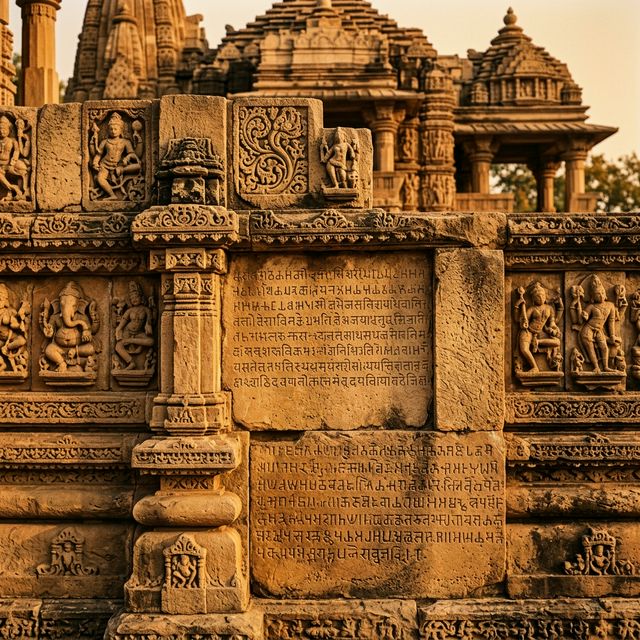
The Dive Agar plates, discovered in the Raigad district, Maharashtra, include three copper plates issued by the Śilāhāra king Chittarāja in Śaka 949. Written in Sanskrit language using the Nāgarī script, the record is palaeographically significant for highlighting transitional letter forms. The inscription rectifies genealogical confusion found in the earlier Bhandup plates about the succession of Vajjaḍa II and Keśideva, clarifying that the latter succeeded the former. The plates bear a Garuḍa seal, typical of the dynasty’s royal iconography.
The charter records a royal order by Chittarāja, styled as mahāmaṇḍaleśvara and lord of Tagara, remitting a tax of twenty drammas on a specific orchard in Velāsivāgara within the Mandaraja viṣaya. This orchard, originally gifted by the general (daṇḍanāyaka) Nāgavarman, was assigned to the learned brāhmaṇa Govinda of the Kāśyapa gotra and Ṛgveda śakhā. Issued to commemorate the Uttarāyaṇa saṅkrānti in the cyclic year Prabhava, the grant invokes standard imprecations against those who obstruct the beneficiary’s enjoyment of the land. The document concludes with the king’s manual approval and the signature of the scribe Joupaiya, nephew of the illustrious poet-treasurer Nāgalaiya.
 Editor's Comment:
First Plate
1. siddhiḥ | jayaścābhyudayaśca || labhate sarvvakāryeṣu pūjayā gaṇanā yakaḥ I
2. vighnaṃ nighnansa vaḥ pāyādapāyādgaṇanāyakaḥ || sa vaḥ pātu śivo
3. nityaṃ yanmaulau bhāti jāhnavī | sumeruśikharodgacchadacchacandraka-
4. lopamā || jīmūtaketutanayo niyataṃ dayālurjjīmūtavāhana iti
5. trijagatprasiddhaḥ | dehaṃ nijaṃ tṛṇamivākalanparārtthe yo rakṣa-
6. ti sma garuḍātkhalu śaṅkhacūḍam || tasyānvaye || ādyaḥ śrīmānka-
7. parddī tadanu pulasati statsutonyaḥ kaparddī tatsūnurvvappuvannaḥ
8. kṣitipatirabhavajjhaṃ jharājastatobhūt | tadbhrātā goggirāja-
9. stadanu ca nṛpatirvvajjaḍācāryadevastasmājjātastanūjastribhu-
10. vanatilako dīptimārttaṇḍadevaḥ || śrīmānabhūdvajjaḍadeva-
11. nāmā śrīkeśidevo nṛpatistatobhūt | tadbhrātṛjo
12. vajjaḍadevasūnuḥ śrīcchintapaiyo nṛpatirbbabhūva ||
Second Plate: First Side
13. atha svakīyapuṇyodayātsamadhigatapañcamahāśabdamahāsā-
14. mantādhipatitagarapuraparameśvaratyāgajagajjhampaśara-
15. raṇāgatavajrapañjaraprabhṛtisamastarājāvalīvirājitaśrīcchi-
16. ttapaiyadevarājaḥ sarvvāneva svasammbadhyamānakānanyānapi samāgāmi-
17. pradhānāpradhānānuyāyino lokānpraṇatipūjāsatkārasamāde-
18. śaiḥ sandiśatyastu vaḥ saṃviditaṃ yathā || asāroyaṃ saṃsāraḥ pavanaca-
19. litakamalinīdalagatajalalavataratare dhanāyuṣī iti matvā
20. dṛḍhataraviraktibudhyā saṅgṛhṇīyāt dānaphalam || tathā ca || kṛtatre-
21. tādvāpareṣu tapotyartthaṃ praśasyate | munayo ntrānuśaṃsanti dāname-
22. kaṃ kalau yuge || iti munivacanāni matvā mayā śakanṛpakālā-
23. tītasaṃvatsaraśateṣu navasu ekonapañcāśadadhikeṣu prabhavasaṃva-
24. tsarāntarggata pukṣyavadi ekādaśyāṃ yatrāṃ katopi saṃvat 949 puṣya
25. vadi 11 some sañjātodagayanaparvvaṇi sutīrtthe snātvā bhagavanta-
26. mumāpatimabhyarccya dīpakāgaranivāsine kāśyapagotrāya ba-
Second Plate: Second Side
27. h vṛcaśākhine ṣaṭkarmmaniratāya mahābrāhmaṇagovindāya tīpakīyasauda-
28. paiyasutāya mandarajaviṣaye velāvāgarāntarvvarttino daṇḍanā-
29. yakaśrīnāgavarmmapradattā rāmagummāya viśatidrammā udakā-
30. tisarggeṇa namasyavṛttyā pratipāditāḥ | tadasya sāvanvayabandho-
31. rapi bhuñjato bhojayato vā svakīyārāmakagummaviṣaye na
32. kenāpi paripanthanā karaṇīyā || yata uktameva mahāmunibhiḥ |
33. yānīha dattāni purā naredrairdānāni dharmmārtthayaśaskarāṇi |
34. nirmmālyavāntipratimāni tāni ko nāma sādhuḥ | punarādadī-
35. ta || iti matvā sarvvairapi samāgāmibhiḥ bhūpālaiḥ pāla-
36. nadharmmalobha eva karaṇīyaḥ | na pustallopanapāpaka-
37. laṅkāgresareṇa kenāpi bhavitavyam | yastvevama-
38. bhyartthitopi lobhādajñānatimirapaṭalāvṛtamati-
Third Plate
39. rācchindyādācchidyamānamanumodeta vā sa pañcabhirapi pā-
40. takairupapātakaiśca rauravamahārauravāndha-
41. tāmisrādinarakāṃściramanubhaviṣyati yathā cai-
42. tadevaṃ tathā śāsanadātā lekhakahastena svamatamāro-
43. payati yathā || mataṃ mama mahāmaṇḍaleśvaraśrīmacchintapaiya-
44. devarājasya mahāmaṇḍaleśvaraśrīmadvajjaḍadevarā-
45. jasūnoryadatra śāsane likhitam | likhitaṃ caitanma-
46. yā śrīmadrājānujñayā sāmantaśrīcchintapaiyaniyogā-
47. cca bhāṇḍāgārasenamahākaviśrīnāgalaiyabhrātṛ-
48. sutajogapaiyena | yadatronākṣaramadhikākṣaraṃ vā ta-
49. tsarvvaṃ pramāṇamiti || śrīrastu || maṅgalamiti ||
Success! May there be victory and prosperity!
Verse 1
May that Gaṇanāyaka (i.e. Gaṇapati) protect you from calamity—he who destroys obstacles and who, by means of worship, receives attention in all undertakings!
Verse 2
May that Śiva always protect you—he on whose head the Gaṅgā shines like the bright crescent of the moon as it rises over the peak of Sumeru!
Verse 3
Jīmūtavāhana, the ever compassionate son of Jīmūtaketu, is well-known in the three worlds—who, valuing his own body as not better than a straw, saved, indeed, Śaṅkhacūḍa from Garuḍa.
In his family-
Verse 4
There was first the illustrious Kapardin I, then Pulaśati (i.e. Pullaśakti), then his son, another Kapardin (i.e. Kapardin II); then his son Vappuvanna became king; thereafter there was Jhañjharāja. Thereafter there ruled his brother Goggirāja and after him there was king Vajjaḍācāryadeva. From him was born the son Aparājita, who was the veritable Sun-god in brilliance, an ornamental mark of the three worlds.
Verse 5
There was an illustrious king named Vajjaḍa II; thereafter there was the king, the illustrious Keśideva. Then his nephew and son of Vajjaḍadeva, the illustrious Chintapaiya became king.
Line 13-19
Now, the illustrious king Chittapaiyadeva—who has, by his religious merit, obtained the right to the five mahāśabdas, and who is adorned with all royal titles such as mahāsāmantādhipati, ‘the lord of the City of Tagara,’ ‘he who has excelled the world in charity,’ ‘an adamantine cage for the protection of those who seek refuge with him,’ and so forth—addresses, with salutation, worship and respect, all his followers, principal as well as subordinate, assembled here, whether connected with him or not, as follows :-
“Be it known to you. One should accumulate the reward of charitable gifts by very firm non-attachment, having realised that this worldly existence is worthless and that wealth as well as life are extremely fickle like drops of water on the leaf of a lotus-plant tossed by wind.”
Line 20-29
Having thought over the following saying of the sages, viz. in the Kṛta, Tretā and Dvāpara Ages penance is highly praised; the sages extol only charity in the Kali Age, I—having bathed at an excellent tīrtha on the holy occasion of the Udagayana which occurred on Monday the eleventh tithi of the dark fortnight of Puṣya (Pauṣa) in the cyclic year Prabhava after nine hundred years increased by forty-nine have passed by the era of the Śaka king,—in figures, the year 949, the month Puṣya (Pauṣa), the dark fortnight, the lunar day 11—and having worshipped the Divine lord of Umā (Śiva)—have donated, with the pouring out of water, the revenue amount of twenty drammas, free from all dues, on the cluster of trees in the orchard donated by the Daṇḍanāyaka, the illustrious Nāgavarman, situated in the village of Velāsivāgara, comprised in the viṣaya of Mandaraja, to the learned Brāhmaṇa Govinda, the son of Saudapaiya of Tipaka, who belongs to the Kāśyapa gotra and Ṛgveda śākhā, who is residing at Dīpakāgara and is always engaged in the performance of his six religious duties.
Line 30-33
Thereafter, none should cause any obstruction while he, together with his descendants and relatives, is himself enjoying or allowing others to enjoy the clusters of trees in his own orchard.
For, it has already been said by great sages:-
(Here occurs an imprecatory verse.)
Line 35-40
Having known this, all future kings should covet only the religious merit obtained by the protection of this religious gift, and none should be foremost in respect of infamy by the sin of confiscating that gift. He who, on the other hand, though thus entreated, will confiscate it or allow it to be confiscated, with his mind clouded by the darkness of ignorance as a result of greed, will incur all the five sins together with minor sins, and will experience for a long time the pangs of hells such as Raurava, Mahāraurava, and Andhatāmisra.
Line 41-49
And as it is, the giver of the charter records his approval by the hand of the scribe: “What is written in this charter has been approved by Me, the mahāmaṇḍaleśvara, the illustrious king Chintapaiyadeva, the son of the mahāmaṇḍaleśvara the illustrious king Vajjjaḍadeva.”
And this has been written by me, Joupaiya, the nephew of the Treasury Officer, the great poet, the illustrious Nāgalaiya, by the order of the King, the Sāmanta, the illustrious Chintapaiya. Whatever is written here—in deficient or redundant syllables—all that is authoritative.
May there be prosperity! May there be happiness!
| Dynasty: | Śilāhāra |
| Ruler: | Chittarāja |
| Date: | 24th December 1027 CE (Puṣya kṛṣṇa 9, Śaka 949) |
| Donee: | Brāhmaṇa Govinda |
| Language: | Sanskrit |
| Nature of grant: | Revenue remission |
| Purpose: | For the religious merit of the king and his parents and for the donee’s six religious duties |
| Provenance of inscription: | Dive Agar, Raigad, Maharashtra |
| Type of Inscription: | Copperplate grant |
| Source: |
Bibliography & Research
- Altekar, A. S. (1936). The Śilāhāras of Western India. In: Bhandakar (Ed.). Indian Culture, 2, pp 393-434, here pp 409-410.
- Barnett, L. D. (1915-16). Bankapur Inscription of the time of Somesvara I and the Kadamba Harikersarin, Saka 977. In Dasia (Ed.) Epigraphia Indica, XIII, pp 168-176.
- Bühler, G. (1876). Bhandup plates of Chittarāja: Śaka year 948. The Indian Antiquary, 5, 276–281. Bombay: Education Society’s Press.
- Fleet, J. F. (1913–1914). Bhandup plates of Chittarajadeva, Śaka 948 (A.D. 1026). In Epigraphia Indica (Vol. XII, pp. 250–268). Archaeological Survey of India.
- Mirashi, V. V. (Ed.). (1977). Corpus Inscriptionum Indicarum, Vol. VI: Inscriptions of the Śilāhāras. Archaeological Survey of India, pp xiii-xiv and 60-64.
