
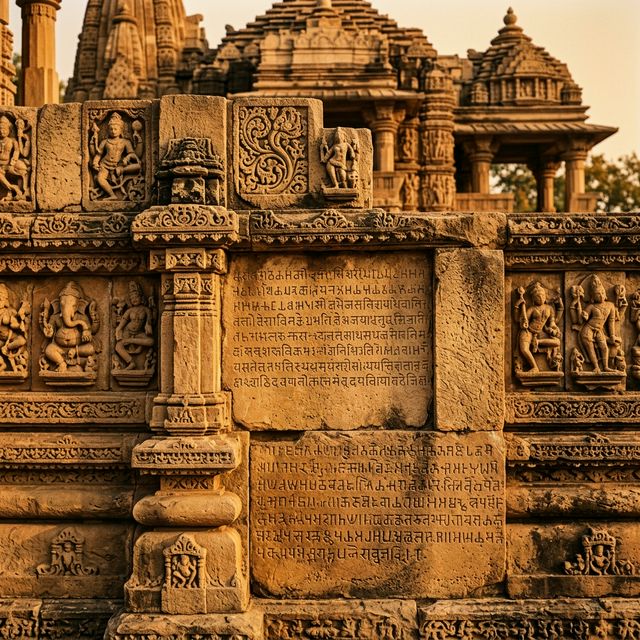
Mummuṇirāja, a ruler of the North Konkan branch of the Śilāhāras, ascended the throne during a period of considerable political turmoil. The region had recently suffered invasions by the Kalyāṇī Cālukyās and their vassals, compelling the ruler to devote much of his reign to political consolidation. He also faced challenges from a rising northern vassal, whom he eventually subdued. The composition of Udayasundarīkathā by Soddhala is generally assigned to his reign.
The record, mentioning some new royal titles (birudas), speaks of an administrative arrangement (vyavasthā) concerning the village of Dīpakāgara along with its three dependent hamlets—Voritalī, Katilā, and Kalāijā. In essence, the inscription serves as a formal ratification of an earlier settlement or regulation that had already been established by the illustrious Queen Padmālādevī, thereby giving it renewed legal and administrative validity. The settlement occurred in the presence of royal officials, declaring that no royal family member could claim the village, and that Brāhmaṇas must pay annual revenue as per custom.
1. siddham | jayaścābhyudayaśca || śakanṛpakālātītaśaṃvatsara śateṣu navasu pañcasaptatyadhikeṣu vijayaśaṃvatsarā-
2. ntarggata-āṣāḍha vadi pañcamyāṃ yatrāṅkatopi śaṃvat 975 āṣāḍha vadi 5 adyeha samadhigatāśe-
3. papañcamahāśabdamahāsāmantādhipati- tagarapuraparameśvaraśrīsīlāranarendrajīmūtavāhanānvayapra-
4. sūtasuvarṇṇagaruḍadhvaja | sīlāramārttaṇḍa | rājamārttaṇḍa | ḍamarameghaḍambara | vīrapurandara | niśśaṅkalaṅke-
5. śvara | ripumuṇḍamālālakṛtavasumatīsvayaṃvara | vīracaritabhāratāvatāra | arivīrapatanakedā-
6. ra | pratirājaprajāgara | rāyacaturaṅgajayacatura | daityaripudalanadāmodara | taruṇīhṛdayākṛṣṭi maṃ-
7. trākṣara | śauryamadagandhasendura | śaraṇāgatavajrapañjaretyādisamastarājāvalīvirājita mahāmaṇḍaleśvarādhipa-
8. tiśrīmanmummuṇirājadevavijayarājye | tathaitadrājyacintābhāraṃ samudvahati mahāsāndhivigrahikśrīviṭṭhapaināyake satye-
9. tasminkāle pravarttamāne sa ca mahāmaṇḍaleśvarādhipatiśrīmummuṇidevarājaḥ | pradhānaśrīnārāyaṇaiyaḥ tathā sāndhivigrahikaśrīvi-
10. ṭhṭhapaināyakaḥ purohitaśrī vāsudevopādhyāyaḥ | tathā śrīnārāyaṇapaṇḍitaḥ | tathā śrīdivākarajyotiṣikaḥ | bhāṇḍāgārasenapradhā-
11. naśrījo-upaiyaḥ | sāndhivigrahikaśrīṭhṭhākureyaḥ | tathā dvitīyacchepāṭīsenaśrīvāvapaiyā dipradhānapuruṣāṇāṃ pratyakṣaṃ āgaradī-
12. pakanivāsiṣoḍaśamahattarakapramukhacakṣuṣmattopetān mahābrāhmaṇān pūrvvaṃ śrīpadmaladevīvyavasthāpanavyavasthayaiva etā-
13. n vyavasthāpayati yathā.asmābhirddīpakāgaragrāmaḥ voritalī | katila | kālaija | grāmatrayasahitaḥ koṣṭheyakṛtaḥ | tatreyaṃ vyavasthā |
14. itaḥ prabhṛti asmadīyakaraṇe na rājñībhiḥ kumārairvvā bhoktavyaḥ || sāmantanāyakaṭhṭhā kurādīnāṃ kasyāpi na deyaḥ || brāhmaṇaiśca
15. prativarṣaṃ pūrvarūḍhyā siddhāyo deyaḥ | ṣoḍaśabhiḥ smārikāmadhye vicāritā daṇḍādayaḥ | dīpakāgarasyaiva deṇakaṣaḍaṇa-
16. kādikaṃ na grāhyam | prāglikhitagrāmatrayasya tu punaḥ maṇḍalācāreṇa deṇakapaḍaṇakādikaṃ grāhyam || evamanayā vyavasthayā pūrvvā-
17. cāreṇa vyavaharanto brāhmaṇā ācandrārkkaṃ pratipālanīyāḥ | likhitaṃ caitanmahābhāṇḍāgārasenapradhānaśrījo-upaiyeneti ||
18. śrīrastu |
Success! May there be victory and prosperity!
On the fifth tithi of the dark fortnight of Āṣāḍha included in the cyclic year Vijaya after nine hundred years, increased by seventy-five, had passed by the era of the Śaka king, in figures, the year 975, the month Āṣāḍha, the dark fortnight, the tithi 5—today here during the victorious reign of the mahāmaṇḍaleśvarādhipati, the illustrious Mummuṇirājadeva, who has obtained the right to the five mahāśabdas, who is adorned with all royal titles such as mahāsāmantādhipati, ‘the lord of the city of Tagara’, ‘the illustrious Śīlāra king’, he who is born in the family of Jīmūtavāhna’, ‘he who has the golden Garuḍa for his ensign’, ‘the Sun of the Śīlāra family’ ‘the Sun among kings’, ‘the thunder to the hostile multitude’, ‘Indra among heroes’, ‘the fearless lord of Laṅkā,’ ‘the self-chosen consort of the Earth’, ‘he who is adorned with the garland of the cut-off heads of his enemies’, ‘an incarnation of the heroic descendant of Bharata’, ‘veritable Śiva causing the downfall of hostile warriors’, ‘he who causes sleeplessness to hostile princes’, ‘clever in vanquishing the four-membered army of king’, ‘veritable Dāmodara (Kṛṣṇa) in destroying demon-like foes’, ‘an incantation attracting the hearts of young women’, ‘the scent-elephant with the rut of valour’, and so forth,—
While the mahāsāndhivigrahika, the illustrious Viṭhṭhapaiya is bearing the burden of the cares of his government—at such a time—the mahāmaṇḍaleśvarādhipati, the illustrious King Mummuṇideva lays down the settlement for the learned Brāhmaṇas endowed with wisdom, who are prominent among the sixteen representatives (mahattarakas) residing at Āgara dīpaka, in the presence of principal royal officers such as the minister Nārāyaṇaiya, the sāndhivigrahika, the illustrious Viṭhṭhapaiya Nāyaka, the Purohita (family-priest), the illustrious Vāsudeva, and the illustrious Nārāyaṇa Paṇḍita and also the astrologer, the illustrious Divākara, the treasury officer, the illustrious minister Joupaiya, the sāndhivigrahika, the illustrious Ṭhākuraiya, and also the junior treasury officer, the illustrious minister Vāvapaiya—the settlement in accordance with the charter of settlement granted by the illustrious Padmaladevī as follows:-
Line 13-16
We have formed into a separate unit the village of Dīpakāgara together with the three neighbouring villages, viz. Voritalī, Katila, and Kālaija. The settlement in regard to this unit is as follows :- This unit should not be enjoyed by the queens or the princes in our state. It should not be assigned to any sāmanta, nāyaka, (ṭhākura and so forth. The Brāhmaṇas should pay the revenue for it every year in accordance with the previous custom. The fines for offences should be levied as determined by the sixteen representatives in their committee (smārikā). Dīpakāgara alone is exempted from the levies such as the deṇaka (the tax for the entertainment of touring officers) and paḍaṇaka (the cess for their accommodation). The three villages mentioned above shall, however, have to pay the deṇaka (the cess for entertainment) and the paḍaṇaka (the cess for accommodation). The Brāhmaṇas who will conduct themselves in accordance with this settlement and the prevalent custom should be protected as long as the sun and the moon will endure.
Line 17
This has been written by the Chief Treasury Officer and Minister, the illustrious Joupaiya. May there be prosperity!
| Dynasty: | Śilāhāra |
| Ruler: | Mummuṇirāja |
| Date: | 22nd July 1053 CE (Āṣāḍha kṛṣṇa 15, Śaka 975) |
| Place: | Chhatrapati Shivaji Maharaj Vastu Sanghralaya, Mumbai |
| Donee: | Brāhmaṇas residing at Āgara-dīpaka |
| Language: | Sanskrit |
| Nature of grant: | Administrative order |
| Purpose: | To re-establish and re-secure a settled unit for learned Brāhmaṇas |
| Provenance of inscription: | Dive Agar, Raigad, Maharashtra |
| Type of Inscription: | Copperplate grant |
| Source: |
Bibliography & Research
- Barnett, L. D. (1916). No. 28 Inscriptions At Narendra. Epigraphia Indica, XIII, 298-326, here p 310.
- Mirashi, V. V. (Ed.). (1977). Corpus Inscriptionum Indicarum, Vol. VI: Inscriptions of the Śilāhāras. Archaeological Survey of India, pp xv and 107-110.
- Ramkrishnan, S. (Ed.). (2001) Chapter VI: Later Cālukyas and Kalachuris of Kalyaṇa. In History and Culture of the Indian People: The Struggle for Empire (5th ed., Vol. V, p. 171). Bharatiya Vidya Bhavan.
- Ritti, S., & Shelke, G. C. (1968). Inscriptions of the Cālukyas of Kalyaṇa: Someśvara I. In Inscriptions from the Nanded District (pp. 5-11). Sharda Bhuvan Education Society.
- Soddhala. (1920). Udayāsundarikathā (E. Krishnamacharya, Ed.). The Gujarati Printing Press, p. 12.
