
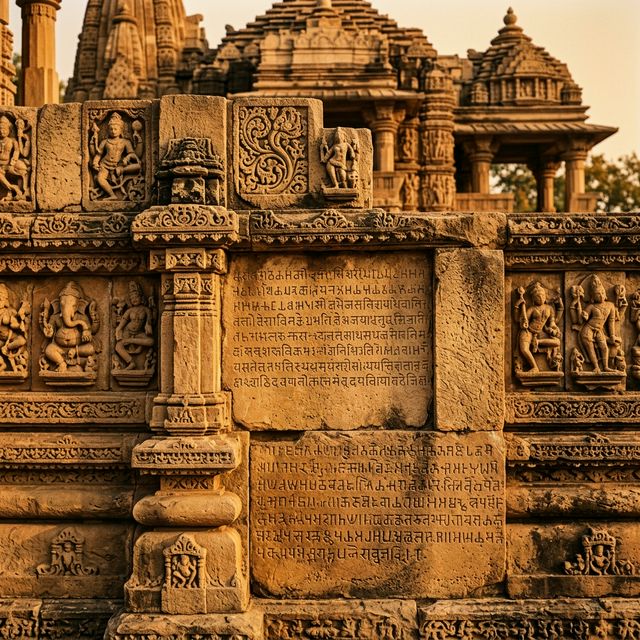
This copper plate was discovered in 1955 at Chinchani, Palghar district, Maharashtra. Issued during the reign of the Śilāhāra king Chittarāja (referred to as Chinturāja), the record is inscribed in the Nāgarī script and composed in a mixture of Sanskrit prose and verse. The charter serves as a legal document executed by Cāmuṇḍarāja, a prominent subordinate who governed Samyānapattana (modern Sanjan) under the sovereign authority of the Śilāhāras of North Konkan.
The inscription records the pious donation of an oil mill (ghāṇaka), including its yield of oil and oilcakes, by the mahāmaṇḍaleśvara Cāmuṇḍarāja in Śaka 956. The gift was dedicated to the Kautuka maṭhikā temple of the goddess Bhagavatī at Sanjan for the dual purpose of maintaining a perpetual lamp and providing oil for the ritual besmearing of the feet of visiting brāhmaṇa scholars (padyābhaṅga). The grant was formally sanctified by pouring water into the hands of the scholar Vīhaḍa on the amāvāsyā of Bhādrapada. The edict addresses a diverse local assembly including state officials, members of the mahāparshad, and Muslim merchants. The grant closes with the king’s signature and imprecations against the misappropriators.
 Editor's Comment:
1. siddhiḥ | jayaścābhyudayaśca || labhate sarvākāryeṣu pūjayā gaṇanā yakaḥ | vighnaṃ nighnansa vaḥ pāyādapāyādga-
2. ṇanāyakaḥ || samadhigatapañcamahāśabda mahāsāmantādhipatitagarapuraparameśvaraśrīsīlārana-
3. rendrajīmūtavāhanānvayaprasūtasuvarṇṇagaruḍadhvajābhimānamahodadhi- śaraṇāgatavajrapañjaretyādi-
4. samastarājāvalīsamalaṅkṛtamahāmaṇḍaleśvara- śrīmacchinturājadevakalyāṇavijayarājye etadīyama-
5. hāmātyaśrīnāgaṇaiye mahāsāndhivigrahikaśrīvā-upaiye ca varttamāne mahāmaṇḍaleśvaraśrīcchinturājena
6. pradataṃ mahāmaṇḍaleśvaraśrīcāmuṇḍarāje śrīsaṃyānapattanaṃ prabhoktari sati atha svakīyapuṇyodayāt
7. samadhigatāśeṣapañcamahāśabdamahāsāmantādhipati- nijabhujavikramādityasāhasacatravarttia-
8. rimāṇḍalikādhiśābhujaṅgalāṭa prākārarāyadhvaṃsaka vipakṣarāja bhūtyarggala-ubhayakuladhavalavairi-
9. gajāṅkuśa tribhuvananīlaprabhṛtisamastarājāvalīsamalaṅkṛta- mahāmaṇḍaleśvaracāmuṇḍarāja-
10. deve samanuśāsati saṃyānaṃ sarvvāneva svasamba dhyamānakānanyānapi haṃyamanoyamukhyavallabhavyavaharakavalkā-
11. saṃvyavaharaka alliyamaharamahumatādīn pauramukhyaśreṣṭhikesarisuvarṇṇakakkalavaṇija uvasuvarṇṇa-
12. somaiyādayādīn tathā viṣayivevvalaiyaṃ śālāsthānamukhyayājñikaratnimaiya kṣitalakṣiyadelaya kesavaiyā-
13. dīn mahāpārṣadaka agastiśavīsīluvabhāskara- arjunadinakaravetyāryasindūrādityavarṇṇaprabhṛttiṃśca
14. saṃdiśastyastu vaḥ saṃviditaṃ yathā calā vibhūtiḥ kṣaṇabhaṅgi yauvanaṃ kṛtāntadantāntaravartti jīvitam | tathā pyavajñā para-
15. lokasādhane nṛṇāmaho vismayakāri ceṣṭitam || ityavadhārya śakanṛpakālātītasaṃvatsaraśateṣu navasu ṣaṭpañcāśa-
16. dadhikeṣu bhāvasamvatsarāntarggatabhādrapada bahulāmāvāsyāyāṃ yatrāṅkatopi saṃvat 956 bhādrapada bahula 15
17. sañjāte aparapakṣe sutīrthe snātvā devatāpūjākaraṇādanantaraṃ kautukamaṭhikāyaṃ śrībhagavatyāḥ agre dīpaprajvalanā-
18. rthaṃ svādhyāyika-āgatābhyāgatabrāhmaṇapādābhyañjanārthaṃ svādhyāyikavīhaḍahaste kṛtodakātisarggeṇa namasya-
19. vṛttyā bhaktyā ghāṇake samutpannatailasamutpannaghaṭikasamaṃ mahāmaṇḍaleśvaraśrīcāmuṇḍarājena
20. ghāṇakaḥ pradattaḥ tadasya ghāṇakaṃ bhuñjato bhojayato vā na kenāpi paripanthanāḥ karaṇīyāḥ || cha ||
Second Side
21. acāṭabharaprāveśyaṃ anādeśyamanāsedhyam | bahubhirvvasudhā bhuktā rājabhiḥ sagarādibhiḥ | yasya ya-
22. sya yadā bhūmistasya tasya tadā phalam || sadyodānaṃ nirāyāsaṃ sāyāsaṃ dīrghapālanam | ata eva-
23. rṣayaḥ prāhurdānācchreyonupālanam || dattvā bhūmiṃ bhāvinaḥ pārthivendrān bhūyo bhūyo yācate rāmabhadraḥ |
24. sāmānyoyaṃ dharmmaseturnṛpāṇāṃ kāle kāle pālanīyo bhavadbhiḥ || iti munivacanānyavadhārya samastā-
25. gāminṛpatibhirapi pālanadharmmaphalalobha eva karaṇīyaḥ | na punastallo panapāpakalaṅkāgresa-
26. reṇa kenāpi bhavitavyam || yastvevamabhyarthitopi lobhādajñānatimirapaṭalāvṛtamatirācchidya-
27. mānamanumodeta vā sa pañcabhirapi pātakairupapātakaiśca saṃliptau rauravāndhatāmisrādinarakāṃścirama-
28. nubhaviṣyati || ārāmāṇāṃ sahasreṇa taḍāgānāṃ śatena ca | gavāṃ koṭipradānena ghāṇakaharttā na śuddhyati ||
29. yathā caitadevaṃ tathā śāsanadātā svamatamāropayati | mataṃ mama labdhacatuḥṣaṣṭiśyāmaturaṅgamādhyāsita vā-
30. dyaproddāmatrakkisatūrya-āhavanīlamahāmaṇḍaleśva raśrīvijjarāṇakasutatribhuvananīlamahāmaṇḍa-
31. leśvaraśrīcāmuṇḍarājasya | likhitaṃ śāsanaṃ dhruvamammalaiyena svahastena | yadatronākṣaramadhikā-
32. kṣaraṃ vā tatsarvvaṃ pramāṇamiti ||
Success! May there be victory and prosperity!
Verse 1
May that Gaṇanāyaka (i.e. Gaṇapati) protect you from calamity—he who destroys obstacles and who, by means of worship, receives attention in all undertakings!
Line 2-5
During the beneficial and victorious rule of the mahāmaṇḍaleśvara, the illustrious Chinturāja, who has obtained the right of the five mahāśabdas, who is adorned with all royal titles such as mahāsāmantādhipati, ‘the lord of the City of Tagara,’ ‘a king of the Śīlāra family’, ‘a scion of the family of Jīmūtavāhana’, ‘he who has the ensign of the golden garuḍa’, ‘he who is an ocean of pride’, ‘he who is an adamantine cage to suppliants’, and so forth, while the illustrious Nāgaṇaiya is his mahāmātya and the illustrious Vāupaiya is his mahāsandhivigrahika, and while the mahāmaṇḍaleśvara, the illustrious Cāmuṇḍarāja is governing the Saṁyāna-pattana, which has been made over to him by the mahāmaṇḍaleśvara Chinturāja.
Line 6-19
Now, while the mahāmaṇḍaleśvara, the illustrious Cāmuṇdarāja, who, by his religious merit, has obtained the right to the five mahāśabdas, who is adorned with all princely titles such as mahāsāmantādhipati, ‘Vikramāditya by his own valour’, ‘the Cakravartin (foremost) in adventures’, ‘a serpent (i.e. destroyer) to the chiefs of the circle of his prosperity of the enemies’, ‘he who brightens with fame both the families’, ‘the goad to the elephants that are his enemies’, ‘an ornament (nīla) of the three worlds’ and so forth, is governing Saṁyāna, he addresses all persons, whether connected with himself or others, such as the chief among artisans, traders and karaṇikas, merchants such as Alliya, Mahara, Mahumata and so forth, the chief townsmen, the Śreṣṭhin Kesari, the goldsmith Kakkala, the merchant Uva, the goldsmith Somaiya, and also Vevvalaiya, the Collector of the viṣaya, the chief among the managers of the śālā (Residential Hall) such as Yājñika, Ratnamaiya, Kṣitalakṣaiya Delaiya, Kesavaiya and others, the members of the mahāpārṣad such as Agasti, Śavī, Śīluva, Bhāskara, Arjuna, Dinakara, Deveti, Ārya Sindūra, Ādityavarṇa and others as follows:-
Be it known to you that realising that prosperity is unsteady, youth is momentary and life lies in the jaws of Death, it is a great wonder that men are indifferent to the attainment of the other world, I, the illustrious mahāmaṇḍaleśvara Cāmuṇḍarāja—having bathed at an excellent holy place on the new-moon day in the dark fortnight of Bhādrapada when nine hundred years increased by fifty-six have passed by the era of the Śaka King, the cyclic year being Bhava, in figures, the year 956, the dark fortnight of Bhādrapada, the 15th tithi, and having worshipped gods—have donated, with great devotion, as a gift free from all taxes, an oil mill together with the oil and oil-cakes produced therein, in favour of the Kautuka-maṭhikā for the burning of a lamp in front of the divine Bhagavatī and for the smearing of the feet of the scholars and of the Brāhmaṇas that may visit the temple, by pouring out water on the hand of the scholar Vīhaḍa.
Line 20-28
Wherefore, none should cause any obstruction while he is using this oil mill or allowing others to use it—the mill-area not to be entered by cāṭas and bhaṭas and not to be assigned and not to be attached.
(Here follow three benedictory and imprecatory verses.)
Having known these sayings of the sages, all future kings also should entertain a strong desire only for acquiring the religious merit accruing from the protection of this gift. None should be notorious for the taint in the form of the sin due to the confiscation of it. He who, though thus requested, will allow it to be confiscated, with his mind clouded by the darkness of ignorance through greed, shall incur all the five sins together with the minor sins and shall experience for a long time the pangs of the hells such as Raurava and Andhatāmisra.
He who will confiscate this oil-mill will not get rid of the consequent sin by making gifts of a thousand gardens, a hundred tanks and a crore of cows.
Line 29-32
And as it is, the giver of the charter records his approval: “This has been approved by me, the illustrious Cāmuṇḍarāja, the mahāmaṇḍaleśvara and ornament of the three worlds, the son of the illustrious Vijjarāṇaka, the mahāmaṇḍaleśvara, who has sixty-four black horses, who has the right to use the musical instruments and who is Ahava-nīla (the hero of battles).
The charter has been written by the Dhruva (Revenue-collector) Mammalaiya by his own hand. Whatever is written here—in deficient or redundant syllables—all that is authoritative.
| Dynasty: | Śilāhāra |
| Ruler: | Chittarāja |
| Date: | 15th September 1034 CE (Bhādrapada kṛṣṇa 15, amāvasya, Śaka 956) |
| Place: | Berlin Museum, Germany |
| Donee: | Svādhyāyika i.e. scholar Vīhaḍa, |
| Language: | Sanskrit |
| Deities: | Bhagavatī |
| Nature of grant: | Religious endownment |
| Purpose: | To provide oil and cakes for lighting lamps before the Bhagavatī and for smearing the feet of visiting scholars and brāhmaṇas |
| Provenance of inscription: | Cinchani, Dahanu taluka, Palghar, Maharashtra |
| Type of Inscription: | Copperplate grant |
| Source: |
Bibliography & Research
- Barnett, L. D. (1915-16). Bankapur Inscription of the time of Somesvara I and the Kadamba Harikersarin, Saka 977. In Dasia (Ed.) Epigraphia Indica, XIII, pp 168-176.
- Mirashi, V. V. (Ed.). (1977). Corpus Inscriptionum Indicarum, Vol. VI: Inscriptions of the Śilāhāras. Archaeological Survey of India, pp xiii-xiv and 71-75.
- Sircar, D. C. (1957). The Rashtrakuta Titles from Chinchani. Epigraphia Carnatica, 32, 44-60.
- Upadhaya, R. (2022). The Muslim Elements in Hindu Polity during Early Medieval Period. South Asian History, Culture and Archaeology, 2(1), 139-148
