
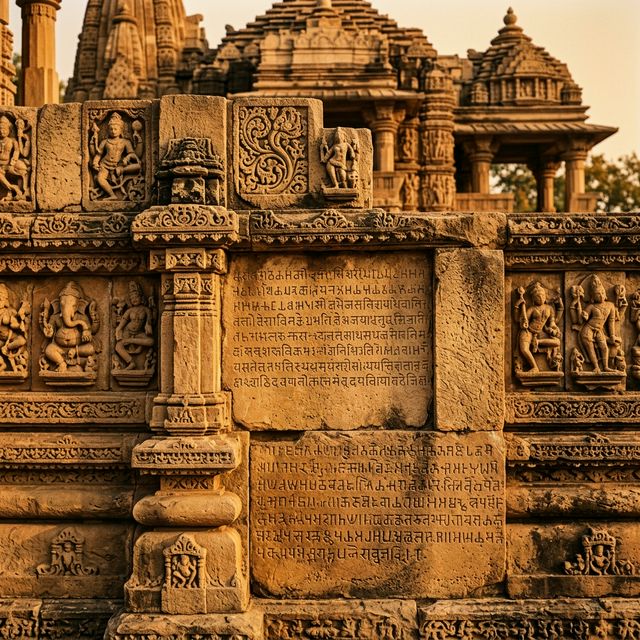
Discovered in 1879 beneath the wall of a house in Chiplun, Ratnagiri district, Maharashtra, and now housed in the Chhatrapati Shivaji Maharaj Vastu Sangrahalaya (CSVMS), Mumbai, this inscription dates to the Śaka 1078 (1156 CE). It was issued during the reign of the Śilāhāra sovereign, mahāmaṇḍaleśvarādhipati Mallikārjuna. The record is written in the Nāgarī script, while the language, being mainly Sanskrit, shows influences of Marathi.
The primary administrative goal of this epigraph is to formally record the royal appointment of an official named Suprayā as the daṇḍādhipati (chief military officer or chief governor) of the Prāṇālaka-deśa. The charter mandates that Suprayā establish his administrative headquarters in the town of Panalā (modern Panhale). Crucially, the decree includes a provision for hereditary succession, explicitly stipulating that Suprayā's eldest son is to inherit the governorship and maintain the same capital.
 Editor's Comment:
First Face
1. …….. siddham | svasti | …lakhumādevī tilabhāṇḍe
2. ….ṭa jyeṇeci gaṅgākheḍeṃ baiṭhalā || tatsamīhāyāṃ śakanṛpakālātīta-
3. saṃvatsaraśateṣu daśasvaṣṭasaptatyadhikeṣu śakasaṃvat || 1078 || dhātṛsaṃva-
4. tsare vaiśākhaśuddha akṣayatṛtīyāyāṃ yugādiparvvaṇi bhaumadine mṛga-
5. śironakṣatre śrīmallikārjjunamahāmaṇḍaleśvarādhipatikalyāṇa vija-
6. yarājye tadrājyacintābhāraṃ samudvahati … anantugiprabhṛti śrīkaraṇe mahāpradhānanāraṇanāyakaprabhū-
7. jyamāne tathā śāndhivigrahikalakṣmaṇaiprabhūsuta-anantugiprabhū tatsama-
8. ye prānālaka deśacintābhārasamudvahanārthaṃ suprayā daṇḍādhipati ke-
9. leṃ | teyā prasādadattapanaleceṃ nagara mukhya karuṃnu jyeṣṭha a putrena gheyā-
10. veṃ || atraivaṃ śrīkaraṇe vetapaprabhūsutaparasarāmaprabhū tathā tārupaipra-
11. bhū………. giprabhu tathā jo-ipaiprabhusutacchintamaiprabhu heyāṃ sarvāṃ
12. ………………śāsanastaṃbhu ācandrārkaparyanta pālayitavyaḥ |
Second Face
13. yānīha dattāni purā narendrairdānāni dha-
14. rmmārtha yaśaskarāṇi | nirmālyavāntapratimāni tāni ko nāma sādhuḥ
15. punarādadīta || sadyodānaṃ nirāyāsaṃ sāyāsaṃ dīrghapālanam | ata eva-
16. rṣayaḥ prāhurdānācchreyonupālanam || vindhyāṭavīṣvatoyāsu śuṣkakoṭaravā-
17. sinaḥ | kṛṣṇāhayā vijāyante brahmadeyāpahārakāḥ || taḍāgānāṃ sahasreṇa
18. ārāmāṇāṃ śatena vā | gavāṃ koṭipradānena dharmahartā na śudhyati || antarlīna-
19. jarārākṣasīprārabdhagrāsaṃ yauvanaṃ svarggavāsānnarakavāsasamamiṣṭasamāga-
20. maviyogaduḥkhaṃ vyādhijarāmaraṇasādhāraṇakaṃ śarīraṃ pavanacalitakamalinīdalavi-
21. lasitajalabudbudataralatare dhanāyuṣī vidyudvilasitā-
22. dapi caritacañcalā lakṣmīḥ | ……
23. ………vinaśvaraṃ janaśarīraṃ tī avaghārya saṅgṛhṇīyāt
24. ca dānaphalam | iti munivacanāni avadhārayet | tathā coktaṃ bhagavatā vyāsena | ṣaṣṭivarṣa-
25. sahasrāṇi svarge tiṣṭhati bhūmidaḥ | ācchetā cānumantā ca tānyeva narake vaset ||
Line 1-11
Success! Hail! The deities Lakhumādevī and Tilabhāṇḍe who were installed at Gaṅgākheḍe……..
In the expired year ten hundred augmented by seventy-eight, (in figures) 1078, by the era of the Śaka king, in the cyclic year Dhātṛ, on the Akṣaya-tritīyā tithi in the bright fortnight of Vaiśākha, the week-day being Tuesday and the nakṣatra Mṛgaśiras, during the beneficial and victorious reign of the illustrious mahāmaṇḍaleśvara Mallikārjuna, while the mahāpradhāna Nāraṇanāyaka and the sāndhivigrahika Anantugi, son of Lakṣmanaiprabhu are bearing the burden of the cares of the administration of his kingdom, Suprayā has been appointed Daṇḍāḍhipati for bearing the burden of the cares of the administration of Prānālaka-deśa. His eldest son should hold the same country, making the town of Panalā granted by royal favour his headquarters.
At this very secretariat Paraśarāmaprabhu, son of Vetapaiprabhu, and -giprabhu, son of Tārupaiprabhu, and Chintumaiprabhu, son of Joipaiprabhu—all these are witnesses.
Line 12
This pillar bearing the royal order should be preserved as long as the moon and the sun endure!
(Here follow some benedictory and imprecatory verses.)
Glossary
Akṣaya-tṛtīyā – An auspicious lunar day in the bright fortnight of Vaiśākha, associated with eternal prosperity.
Anantugi – A high-ranking official, son of Lakṣmaṇai, serving as Sāndhivigrahika (minister for peace and war).
Daṇḍādhipati – Military governor or officer entrusted with the protection and administration of a territory.
Dhātṛ-saṃvatsara – Cyclic year name corresponding to Śaka 1078.
Śāsanastaṃbha – Inscription pillar bearing royal orders.
| Dynasty: | Śilāhāra |
| Ruler: | Mallikārjuna |
| Date: | 24th April 1156 (Vaiśākha śuddha, Mṛigaṣiras, cyclic year Dhātri, Tuesday Śaka 1078) |
| Place: | Town of Panala (administrative headquarters of Prānālaka-deśa) |
| Language: | Sanskrit mixed with Marathi |
| Nature of grant: | Administrative order |
| Purpose: | To regulate governance of Prānālaka-deśa and ensure smooth administration |
| Provenance of inscription: | Found at Chiplun (Ratnagiri district, Maharashtra) |
| Type of Inscription: | Stone inscription |
| Source: |
