
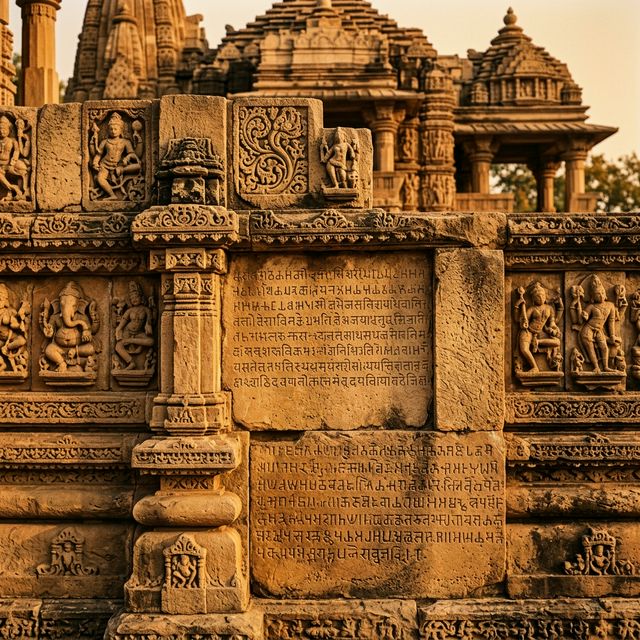
This copper-plate charter was discovered in an orchard in Bhoighar, Raigad district, Maharashtra. Composed in Sanskrit prose and verse form, the record is engraved in Nāgarī script. The charter begins with the genealogy of the North Konkan Śilāhāra rulers. Dated to September 3, 1024 CE, it is the earliest known record of the North Konkan Śilāhāra king Chittarāja for the time being.
Unlike standard land grants, this document functions as a legal settlement about taxation (vyavasthā patra). The translation outlines a specific fiscal arrangement for orchards in the villages of Karadaṇḍa and Kolapallikā within the Pāṇāḍa district. At the request of Queen Padmalādevī and out of reverence for the Karahāṭaka brāhmaṇas living there, King Chittarāja established a tax rate of four drammas per hundred fruit-bearing areca-nut trees. It defines fifty ripe areca-nuts as a "unit” for commercial scale and stipulates a 3% transaction tax on the sale of areca-nut trees. The decree exempts other species, such as coconut, breadfruit, and mango trees, from taxation, while reserving all mahua (suramaṇḍa) trees for government ownership.
 Editor's Comment:
siddham | jayaścābhyudayaśca |
labhate sarvakāryeṣu pūjayā gaṇanā yakaḥ |
vighnaṃ nighnan sa vaḥ pāyādapāyādgaṇanāyakaḥ ||
sa vaḥ pātu śivo nityaṃ yanmaulau bhāti jāhnavī |
sumeruśikharodgacchadacchacandrakalopamā ||
yo devaḥ svayameva mūrdhni vihitāṃ dhatte himāṃśoḥ kalā-
matyantojjavalavālaketakaśikhārekhāsthitiṃ vibhratīm |
vyālādhīśapinaddhapigalajaṭājūṭāṭavīmaṇḍito
bhūyādvaḥ sa sadā prakāśitavaraḥ kṣemaṅkaraḥ śaṅkaraḥ ||
jīmūtaketutanayo niyataṃ dayālu-
rjīmūtavāhana iti trijagatprasiddhaḥ |
dehaṃ nijaṃ tṛṇamivākalayanparārthe
yo rakṣati sma garuḍātkhalu śaṅkhacūḍam ||
tasyānvaye nikhilabhūpatimaulilagna-
ratnadyuticchuritanirmalapādapīṭhaḥ |
śrīsāhasāṅka iva sāhasikaḥ kapardī
śīlāravaṃśatilako nṛpatirbabhūva ||
tasmājjātastanujo rajanikara ivānanditāśeṣalokaḥ
ślāghyaḥ śrījhañjharājo divasakara iva dhvastaniḥ śeṣadoṣaḥ |
śambhoryo dvādaśāpi vyaracayadacirātkīrtanāni svanāmnā
sopānānīva manye praṇatatanubhṛtāṃ svargamārgodyatānām ||
bhrātā tatra tatastatojjvalayaśorāśiprakāśīkṛtā-
śeṣakṣmāvalayo valī valavatāṃ śrīgoggirājo.abhavat |
cāpākarṣaṇakarmaṇi pravaṇatāṃ yasmingate bhūpatau
bhūṣmadroṇapṛthāsutaprabhṛtayaścitte camatkāritāḥ ||
tasmādvismayakārihāricaritaprakhyātakīrtiḥ sutaḥ
śrīmānvajjaḍadevabhūpatirabhūdbhṛcakracūḍāmaṇiḥ |
dordaṇḍaikavalena yasya sahasā saṅgrāmaraṅgāṅgaṇe
rājyaśrīḥ svayametya vakṣasi ratiṃ cakre murāreriva ||
śaraṇāgatasāmantā apare.api hi jagati rakṣitā yena |
sa jayati yathārthanāmā śaraṇāgatavajrapañjaro devaḥ ||
anavaratakanakadānairjagadidamācchāditaṃ sadā yena |
tena tribhuvanamadhye tyāgajajajjhampināmābhūt ||
yena svāgatamāgatāya vihitaṃ gommāya nānāvidhaṃ
yenaivaiyapadevanāmni calitaṃ rājyaṃ sthiraṃ kāritam |
bhillammāmmaṇamambuvakṣitibhujāṃ dattaṃ ca yenābhayaṃ
tasya śrīvirudaṅkarāmanṛpateranyatkimāvarṇyate ||
śrīmānabhūttadanu vajjaḍadevanāmā
bhūpālamastakamaṇistanayo nayajñaḥ |
adyāpi yasya caritāni janāḥ samastā
romāñcakañcukitagātralatāḥ stuvanti ||
tadbhrātātha tato.arikesarinṛpo jātaḥ satāṃ saṃmato
dṛptārātikulācalaikadalane dambholilīlāṃ dadhat |
gatvā śaiśava eva sainyasahito dṛṣṭvā ca someśvaraṃ
tasyāgre piturājñayā jagadalaṃ yaḥ kīlayitvāgataḥ ||
tadbhrātṛjo vajjaḍadevasūnuḥ śrīchittarājo nṛpatirbbabhūva |
sīlāravaṃśaḥ śiśunāpi yena nītaḥ parāmunnatimunnatena ||
athasvakīyapuṇyodayātsamadhigatapañcamahāśabdamahā- sāmantādhipatitagarapuraparameśvaraśīlāranarendrasahajavidyādhara- suvarṇagaruḍadhvajatyāgajagajjhampinannisamudrakaligajāṅkuśajīmūta- vāhanānvayaprasūtaprabhṛtisamastarājāvalīsamalaṅkṛtamahāmaṇḍaleśvara- śrīchittapaiyadevarājo nijabhujopārjitānekamaṇḍalasametapurīpramukhacaturdaśagrāma- śatīsamanvitasamastakoṃkaṇabhuvaṃ samanuśāsati tathaitatprasādātsamastarājyacintābhāraṃ samudvahati mahāmātye śrīnāgaṇaiye sarvādhikāriṇi prabhuśrīdādapaiye śrīsaṅgalaiyaśrītikkapaiyaprabhṛtipañcapradhānajanapratyakṣaṃ pāṇāḍaviṣayāntaḥpātikaradāṇḍakolapallikāgrāmadvayanivāsināṃ cipalūṇasthakarahāṭakakoṭaṇakramavidityādīnāṃ yajanayājanādhyayanādhyāpanādiṣaṭkarmaniratānāṃ kratukriyākāṇḍaśauṇḍānāṃ mahābrāhmaṇānāmārāmagumme | śāsanasthityā vyavasthāpanamabhiprayacchati yathā | ākalitasakalasaṃsārāsāratvena dharmādharmavicāracārumatinā mayā samastābhyudayabhāginī mahārājñī śrīpadmaladevī tasyā ādeśena pañcapradhānānumatyā mahājanapramukhasamakṣaṃ prāglikhitakaradāṇḍakolapallikāgrāmadvayānuvartināṃ samastārāmāṇāṃ phalapraviṣṭānāṃ pūgīphalaśataṃ prati drammacatuṣṭayaṃ vidhāya gumme vyavasthā vihitā | sā ca pūrvaprasiddhyā …… vyāvahārikaiḥ catuḥpariṣkṛtā bhūmau deyā | adhyaraṇyaṃ ca ārāmābhyantaravartino nārekelapanasacañpakasaharākādivṛkṣā abhyantarīkṛtāḥ | surāmaṇḍavṛkṣaścābhyantaravartī bāhyo vā rājakīya eva | tasyonmūlanacchedādikaṃ kenāpi na karaṇīyam | tathā grāmīṇatṛṇakāṣṭhādikamānayatāṃ viprāṇāṃ pratiṣedhaḥ na karaṇīyaḥ | iti dharmādharmavicāracaturamunivacanānyavadhārya krodhalobhābhibhūtena likhitamaryādā nollaṅghanīyā | atra viṣaye anyathā na karaṇīyam | anyacca vyavasthācāraḥ phalitapañcāśatpūgapramāṇaṃ pūgaphalagaṇanāyāṃ gaṇanīyam | krayamāgatasyārāmasya krayārthaṃ dravyasya trikaśatena vikrayabhāvyaṃ grāhyama | yathā caitadevaṃ tathā śāsanapatradātā lekhakahastena svamatamāropayati | yathā mataṃ mama mahāmaṇḍaleśvaraśrīchittapaiyadevarājasya mahāmaṇḍaleśvaraśrīmadvajjaḍadevarājasūnoryadatra likhitam |
likhitaṃ caitat saṃvat 946 bhādrapada vadi 13 mayā śrīmadrājānujñayā śrīpadmaladevīniyamād bhāṇḍāgārasenamahākaviśrīnāgalaiyabhrātṛsutena joupaiyena | yadatronākṣaramadhikākṣaraṃ vā tatsarvaṃ pramāṇam | utkīrṇa tāmrapaṭe vedapaiya sutamānadharapaiyeneti ||
Success! May there be victory and prosperity!
Verse 1
May that Gaṇanāyaka (i.e. Gaṇapati) protect you from calamity—he who destroys obstacles and who, by means of worship, receives attention in all undertakings!
Verse 2
May that Śiva always protect you—he on whose head the Gaṅgā shines like the bright crescent of the moon as it rises over the peak of Sumeru!
Verse 3
May that Śaṇkara, adorned with a large mass of brown matted hair tied with the lord of serpents, secure your well-being at all times by means of his manifested boons—the god who bears the crescent moon which he has himself placed on his head and which resembles the extremely resplendent tender shoot of the Ketaka flower!
Verse 4
Jīmūtavāhana, the ever compassionate son of Jīmūtaketu, is well-known in the three worlds—who, valuing his own body as not better than a straw, saved, indeed, Śaṇkhacūḍa from Garuḍa.
Verse 5
In his family there arose Kapardin I, an ornament of the Śilāra race, who quelled the arrogance of his enemies. From him was born his son, Pulaśakti by name, who resembled the orb of the sun by his brilliant splendour.
Verse 6
From him sprang his praiseworthy son, the illustrious Jhañjha, who delighted all people even as the moon does, and who destroyed all blemishes even as the sun dispels all darkness; who erected twelve temples of Śiva, named after himself, which served, as it were, as steps to pious people, ready to repair to the path of heaven.
Verse 7
Then there rose his brother, the illustrious Goggirāja, who having a mass of brilliant fame, brightened the entire circle of the earth, and who mighty among the mighty; when that king bent down in the act of drawing the string of his bow, Bhīṣma, Droṇa, the son of Pṛthu i.e. Arjuna, and others felt surprised in their minds.
Verse 8
From him sprang a son named the illustrious Vajjaḍadeva I, famed for his astounding and attractive deeds, the crest-jewel of the circle of the earth. Royal Fortune, approaching him, all of a sudden and of her own accord, on the battle-field, felt delighted while sporting on the bosom of him whose strength lay solely in his own arm, as it does on that of Murāri.
Verse 9
He, who gave protection to other feudatories also who sought refuge with him in this world—that king is indeed victorious, being rightly called ‘the adamantine cage affording protection to those seeking refuge.’
Verse 10
As he covered this whole world with his unceasing gifts of gold, he became well-known in the world by the title of the world-excelling donor.
Verse 11
What else can be described of him who welcomed in various ways Gomma, who resorted to him for protection; who caused to be made firm the infirm rule of Aiyapadeva; who gave protection to the kings Bhillama, Ammaṇa and Mambuva; and who had the title of ‘Rāma among title-holders’?
Verse 12
From him was born the son named Vajjaḍadeva I, who mastered political science, and was a crest-jewel of kings, whose deeds all people even now praise, with their creeper-like bodies having clothes of horripilation.
Verse 13
Then there was born his brother, King Arikesarin, who had the grace of the thunderbolt in destroying the principal mountains in the form of arrogant foes; who, even when he was a boy, went with an army so Someśvara and having seen that god, came back after offering him the whole world as directed by his father.
Verse 14
Next his nephew, the illustrious Chittarāja, became king; the great prince, who, though a child, raised the Śīlāra race to high eminence.
Now, while the mahāmaṇḍaleśvara, the illustrious king Chittapaiyadeva—who has, by his own religious merit, obtained the right to the five mahāśabdas and who is adorned with all royal titles such as mahāsāmantādhipati, ‘the lord of the City of Tagara,’ ‘a king of the Śilāra family,’ ‘he who is a born Vidyādhara,’ ‘he who has the ensign of the Golden Eagle,’ ‘he who has excelled the whole world by his liberality,’ ‘the ocean of truth,’ ‘a goad to the elephant that is the Kali Age’ and ‘a scion of the family of Jīmūtavāhana’—is ruling over the whole Konkan country consisting of fourteen hundred villages headed by Purī together with several maṇḍalas (countries) conquered by his own arm, and while his mahāmātya, the illustrious Nāgaṇaiya, and his Sarvādhikārin, the illustrious Prabhu Dādapaiya are shouldering the burden of the cares of administering his whole kingdom entrusted to them by his favour—the King has made the following government settlement in respect of the tax on the orchards of the learned Brāhmaṇas who are always engaged in the performance of their six religious duties such as sacrificing for themselves and for others, and studying and teaching sacred texts, and are proficient in the performance of sacrifices, such as Kramavid Koṭama who hails from Karahāṭa and is now residing at Chipalūṇa—the Brāhmaṇas who are residents of the two villages Karadāṇḍa and Kolapallikā comprised in the viṣaya (district) of Pāṇāḍa—in the presence of the five ministers such as the illustrious Saṅgalaiya and the illustrious Tikkapaiya.
Having realised the worthlessness of the whole worldly existence, I with my mind excellently engaged in discriminating between what is righteous and what is not, have settled the tax in respect of garden-trees by levying four drammas per hundred fruit-bearing areca-nut trees in all orchards situated in the aforementioned two villages, Karadāṇda and Kolapallikā, with the consent of my five ministers and at the bidding of the Mahārājñī the illustrious and all-prosperous Padmaladevi. That tax should be paid by all business-men in respect of all land enclosed on all the four sides, as has been the old custom. This order applies to all coconut, panasa (bred-fruit), campaka, mango and other trees, whether in orchards or in the adjoining forests. The trees of spirituous liquor, whether in orchards or outside, belong solely to the Government. They should not be uprooted, cut or damaged by anybody. Again, none should prevent the Brāhmaṇas of the villages from fetching grass, fuel and so forth from the outskirts of the villages.
Having regard to the sayings of the sages who are adept in discriminating between what is righteous and what is not, none should, under the influence of anger or greed, transgress the regulations laid down. None should go against the royal order in this matter.
Again, the settled custom is to regard fifty ripe areca-nuts as a unit while counting the areca-nuts. At the time of selling the areca-nut trees the tax to be paid is three per cent on the amount of the sale.
As it is, the giver of the charter records his approval by the hand of the scribe:- “What is written here has been approved by Me, the illustrious mahāmaṇḍaleśvara Chittapaiyadeva, the son of the mahāmaṇḍaleśvara, the illustrious Vajjaḍadeva.”
This has been written by Joupaiya, the nephew of the bhāṇḍāgārasena, the great poet, the illustrious Nāgalaiya, by the order of the illustrious King at the bidding of the illustrious Padmaladevi, on the 13th tithi of the dark fortnight of Bhādrapada in the year 946.
Whatever is written here in deficient or redundant letters—all that is authoritative. This has been engraved on the copper plates by Mānadharapaiya, the son of Vedapaiya.
| Dynasty: | Śilāhāra |
| Ruler: | Chittarāja |
| Date: | 3rd September 1024 CE (Bhādrapada kṛṣṇa 13, Śaka 946) |
| Donee: | Karahāṭaka Brāhmaṇas of Ciplun |
| Language: | Sanskrit |
| Nature of grant: | Administrative order |
| Purpose: | To formalise the taxation on areca-nut trees on suggestion of Queen Padmalādevī |
| Provenance of inscription: | Bhoighar, Murud, Raigad |
| Type of Inscription: | Copperplate grant |
| Source: |
Bibliography & Research
- Barnett, L. D. (1915-16). Bankapur Inscription of the time of Somesvara I and the Kadamba Harikersarin, Saka 977. In Dasia (Ed.) Epigraphia Indica, XIII, pp 168-176.
- Mirashi, V. V. (Ed.). (1977). Corpus Inscriptionum Indicarum, Vol. VI: Inscriptions of the Śilāhāras. Archaeological Survey of India, pp xiii-xiv, 54-60, and 274-279.
