
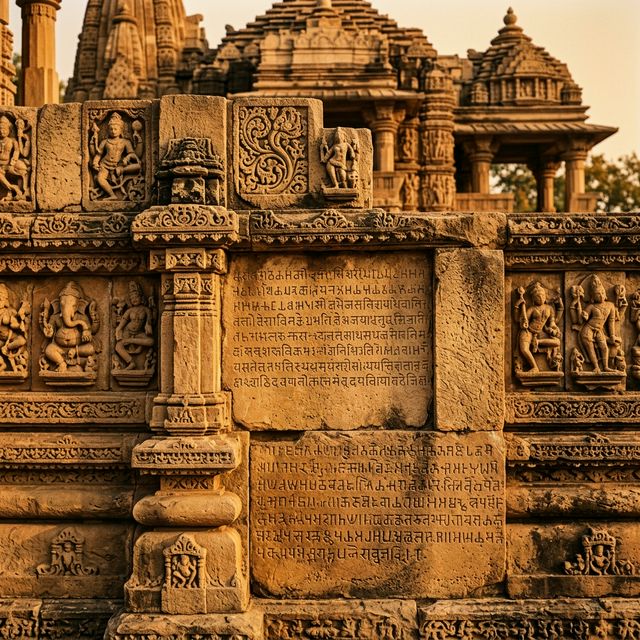
The Bhādāna copper-plate charter, discovered near Bhiwandi in the Thane district, Maharashtra, documents a religious endowment by the Śilāhāra ruler Aparājitadeva. Issued in the Śaka 919 (997 CE), the inscription consists of three plates engraved in Nāgarī script, held together by a ring bearing a Garuḍa seal. It records the genealogy of the Rāṣṭrakūṭas and the Śilāhāras, providing a formal legal basis for a land grant within the Māhirihāra viṣaya of the Konkan region. Validated at the capital Sthānaka (modern Thane), the text illustrates the administrative and religious landscape of the coast during the late 10th century.
The text records the royal donation of the village Bhādāna to the solar deity Loṇāditya enshrined at Lavaṇetaṭa (modern Lonad). Executed on the Dakṣiṇāyana saṅkrānti, the grant was entrusted to the guild (nagara) of Guṇapura, represented by prominent merchants (śreṣṭhin) and officials. The endowment confers rights to udraṅga, parikara, and judicial fines (daśāparādha), while defining boundaries via the Murulā and Kumbhārī rivers. The charter stipulates a fiscal obligation where the trustee guild must remit an annual tribute of 260 drammas to the royal treasury. The document concludes with the attestation of mahāmātya Saṅgalaiya and the scribe Annapaiya.
 Editor's Comment:
First Plate
1. siddham | oṃ namo vināyakāya || sa vo vyādvedhasā dhāma yannābhikamalaṃ kṛtam | haraśca yasya kā-
2. nteṃdukalayā kamalaṅkṛtam || kurvvantvāmnāyapūtāni vedhaso vadanānyalam | carācaraja-
3. gatsṛṣṭināmadhāmāni vaḥ śubham || āsīdgovindarājaḥ kṣitipatitilakaḥ karkkarāja-
4. stato bhūdbhūbharttā śrīndrarājaḥ punarabhavadato dantivarmeti sūnuḥ | khyātaḥ śrīkṛṣṇarājaḥ
5. kṣapitaripurabhūtkarkkarājasya sūnuḥ tasmādgovindarājastadanu tadanujaḥ śrīdhruvāṅkodhi-
6. rājaḥ || jagattuṅgāṅgoṃ gajastasya guṇottuṅgo bhavattataḥ | vallabhomoghavarṣaśca kṛṣṇarājasta-
7. taḥ sutaḥ || jagattugāḍgajaḥ śrīmānindradevastatobhavat | nityavarṣo bhuvo bharttā vikramottuṃ-
8. galakṣitaḥ || janaharṣakṛte varṣanghana iva ghanakanakavāridhārābhi | tasmādamoghavarṣo
9. varṣāvadhi rājyabhājana jātaḥ || tasyānujo haririvoddhurabhūtalaśrīrgovindarājanara-
10. nāthasuvarṇṇavarṣaḥ | sannandakocyuvata sudarśanacakracihnaḥ siṃhāsanī gurubalaḥ puruṣotta-
11. mobhūt || pitṛvyaḥ svarṇṇavarṣasya nitya varṣānujaściram | kurvannakanṭakaṃ rājyaṃ tapasā sāha-
12. sena ca || tasmādbhūpateḥ sūnurvvaddigadevo nṛpobhavat | rājarājo manohārī manmatho-
13. pi ca dṛśyate || atha gatavati tasminvaddigendre narendre suvimalamapi śaṃbhorddhāma śubhraṃ
14. vidhātum | kanakakalaśadhārādhautapāteva kanyā tadanu narapatiśrīḥ kṛṣṇarājaṃ samāgāt ||
15. asminnastamite vibhau vidhivaśādākrāntabhūmaṇḍale lokāhlādini śatrupaṅkajaru-
16. dhi protkṛṣṭarociṣmati | śītāṃśāviva śubhrapuñjadhavale rājādhirāje tataḥ śrīmatkhoṭṭiga-
17. deva ityabhidhayā rājye sthito bhūpatiḥ || tadanu madanamūrttirbhāgyasaubhāgyabhājaṃ
18. bhuvanabhavanadīpaṃ suprasūtaprasūtim | nirūpamanṛpasūnuṃ kakkaleśaṃ narendraṃ narapa-
Second Plate: First Side
19. tikṛtasevaṃ rājalakṣmīrjagāma || tasminnarendre nṛpatipradīpe pracaṇḍatailappasa–
20. mīraṇena | saṃprāpite jyotiralaṃ vivṛddhe kathāvaśeṣe sati raṭṭarājye ||
21. jīmūtaketutanayo.avatatāra yosmin jīmūtavāhana iti prathitaḥ pṛthivyām | śīlā-
22. ravaṃśatilakaḥ svaśarīradānāttrātā hi lokamanaghaśca garutmataḥ saḥ || abhavadahi–
23. tamarddī tasya vaṃśe kaparddī dalitaripukadambaḥ prāṇināṃ prāṇadaḥ saḥ | samarasaraṇi–
24. goptā kāntakāntāsu kāmaḥ sujanavadanapadmonnidrabhāsvānatandraḥ || vipulamatirudīrṇṇaḥ
25. karṇṇavatsvarṇṇavarṣaiḥ sapulakapulaśaktirddharmayuktastatobhūt | abhavadiha na dīnastasya sūnuḥ kapa-
26. rddī jitaparabaladaṇḍākhaṇḍapṛthvītaraṇḍaḥ || jhañjhanāmā sutastasmādvappuvannādabhūdasau | udito-
27. ditatā yena vaṃśasyaprakaṭīkṛtā || bhrātā tatau viva dharatnaguṇaikakośaḥ pūjyaḥ payodhiriva ra-
28. kṣitagotrapakṣaḥ | lakṣmīnidhiḥ sagararājapathapravṛttaḥ śrīgoggirāja iti sattva samāśrayobhū-
29. t || pādākrāntamṛtārivarggavanitāvyākṣiptanidrāsukhaḥ sa śrīvajjaḍadevabhūpatirabhūttasyā-
30. tmajo bhūbhujaḥ | dānānanditavandivṛndavadanairābaddhakolāhalo yasya tyāgamahotsavavya-
31. tikaro nādyāpi viśrāmyati || anavaratadānaśīlaḥ pratāpavānnītividyaśonilayaḥ | sū-
32. nustasya mṛgāṅkaḥ śrīmānaparājito jātaḥ || krūrārātiyamaḥ sukīrtibhavanaṃ kalpadrumaḥ prā-
33. rthināṃ sthānaṃ netrasukhasya dhairyajaladhiḥ saubhāgya kandāṅkuraḥ sadvidhānilayaḥ kalāmadhusa-
34. rinnītau ca vācaspatiḥ saddharmadrumabhūmiruttamamatirlakṣmīnivāsāspadaṃ || visṛtamati-
35. viveko dharmavanniṣṭhacitto vibudhajananiṣevyaḥ śatrumātre sadhairyaḥ | sakalaguṇanivāsaḥ
36. prārthināṃ pūritāśoripuvarakarisiṃho rājadhuryaḥ prasiddhaḥ || rucirasutanubhāsā prolla-
37. satsanniveśo nirupamanijakīrtti vyāptalokatrayo yaḥ | api sakalakalānāmāśrayo
Second Plate: Second Side
38. niṣkala ṅko mahitacaritabhāgyaḥ sādhitāśeṣaśattruḥ || yasya pratāpatāpitaduṣṭasya sa
39. mo vidyate śatruḥ | bhūponyo rājaguṇairmahitairāstāṃ tadabhyadhikaḥ || iti pūrvvaṃ śrīmā-
40. nyakheṭakāvāsitaparamabhaṭṭārakamahārājādhirāja parameśvaraśrīmatkṛṣṇarājadevapā-
41. dānudhyātaparamabhaṭṭārakamahārājādhirājaparameśvara śrīmatkhoṭṭigadevapādānudhyāta-
42. paramabhaṭṭārakamahārājādhirājaparameśvara śrīmatkakkaladeve sañjātavyapāyanaṣṭabhraṣṭa-
43. raṭṭarājye svatejonubhāvāt samadhigatapañcamahāśabda mahāsāmantādhipatitagarapurapa-
44. rameśvaraśīlāranarendrajīmūtavāhanānvaya prasūtasuvarṇṇagaruḍadhvajābhimānamahodadhima-
45. lagalagaṇḍagaṇḍakandarppasahajavidyādhara aparadigvadhūtilakanannisamudrapratāpamārtta-
46. ṇḍaśanivāra vijayādisamastarājāvalīsamalaṅkṛtamahāmaṇḍaleśvara śrīmadaparāji-
47. tadevarājaḥ sarvvāneva yathāsambadhyamāna kān āgāmigrāmabhoktṛsāmantarājapu-
48. trapurapatitri varggasthānaprabhṛtipradhānāpradhānajanān praṇatipūjāsamādeśaiḥ samanu-
49. bodhayatyastu vaḥ saṃviditaṃ yathā || calā vibhūtiḥ kṣaṇabhaṅgi yauvanaṃ kṛtāntadantāntarava-
50. rtti jīvitam | tathāvyavajñā paralokasādhane nṛṇāmaho vismayakāri ceṣṭitam || saka-
51. lametadasāratayādhiṣṭhitaṃ vinaśvarasvabhāvaṃ dharma evaikaḥ sahāyaḥ śāśvataśceti vi-
52. cintyāsmābhirayaṃ pitroraihikāmuṣmikaphalāvāptaye ātmanaśca puṇyayaśobhivṛddha-
53. ye || śakanṛpakālātītasaṃvatsaraśateṣu navasu ekonaviṃśatyuttareṣu pravarttamā-
54. nahemalamvasaṃvatsarānta āṣāḍhabahulacaturthyāṃ aṅkatopi saṃvat 919 āṣāḍha vadi 4
55. śrīsthānake samavasthitasya śrīmato rājñaḥ prastāve sañjātadakṣiṇāyanakarkkaṭasaṅkrānti-
56. parvvaṇi śubhābhyudayakāriṇi caturdaśagrāmaśatopalakṣitakoṅkaṇāntaḥ pātimā-
57. hirihāraviṣayāntarvvartti bhādānagrāmo yasya cāghāṭanāni uttarataḥ paḍigahagrā-
Third Plate: First Side
58. mīyabhinnārakṣetramaryādā paścimataḥ āsacchadī maryādā dakṣiṇataḥ murulamahāna-
59. dī pūrvvataḥ kuṃbhārīnadī maryādā evaṃ nikaṭacaturāghāṭanopalakṣitaḥ savṛkṣamā-
60. lākulaḥ svasīmāparyantaḥ sodraṅgaḥ saparikaraḥ pūrvadattadevadāyabrahmadāyavarjaṃ
61. nidhānālīyakaḥ kumārī sāhasāputrādidhanapradhānāpradhānadoṣasamanvitaḥ acāṭabha-
62. ṭapraveśya jagattrayoddyotakarāya lavaṇetaṭanivāsine śrīloṇādityadevāya puṣpa-
63. dhūpadīpanaivedyaprekṣaṇakādyupabhogārthaṃ khaṇḍasphaṭikasphuṭitadvārādijīrṇṇoddhārārtthaṃ
64. ca ambuśreṣṭhivāppaiyaśreṣṭhivaṇik celappaiya bhojakavipragovanaiyādiguṇapura-
65. nagarādhiṣṭhitahastodakaṃ vidhāya hariharahiraṇyagarbhadahanādīn devān amalaśraddha-
66. yā saṃpūjya ca putrapautrādyupabhogavṛttitvena grāmaḥ saṃpradattaḥ | taddattamācandrārkkakālama-
67. ryādaṃ yathecchācāreṇa bhuñjato bhojayato vā kṛṣataḥ karṣayato vā na kenāpi paripantha-
68. nā kāryā | kintarhi sarvvadaiva bhādānagrāmaḥ śrīloṇādityadevāya pradatta iti mantavyaṃ
69. nātra viṣaye parasparamanyato vā parilaṅghanā vidhātavyā | tadidaṃ dharmadānaṃ ācandrārkka-
70. kālaṃ sthāyi samāgāminṛpatibhirasmadvaṃśajairanyairvvā asatkarmagabhīradarīprapāta-
71. bhayabhīrubhiḥ jvaladanalasphuliṅgasahasrabhīṣaṇāvīciniraya pratāpavedanāgamaśaṅki-
72. bhiḥ sarvairapi pratipālanīyaṃ satkarttavyamanumantavyaṃ ca | yo vājñānatimirapaṭalāvṛtamati-
73. rācchindyādācchidyamānaṃ vānumodayati sa eva pañcabhirmahāpātakairupapātakaiśca saṃyukto
74. bhavati || uktaṃ ca bhagavatā vyāsena || ṣaṣṭivarṣasahasrāṇi svargge tiṣṭhati bhūmidaḥ | ācchettā
75. cānumaṃtā ca tānyeva narakaṃ vrajet || vindhyāṭavīṣvatoyāsu śuṣkakoṭaravāsinaḥ | mahāha-
76. yo hi jāyante bhūmidānāpahārakāḥ || svadattāṃ paradattāṃ vā yo hareta vasundharām | harannaraka-
77. māpnoti yāvadābhūtasaṃplavam || agnerapatyaṃ prathamaṃ suvarṇṇaṃ bhūvaiṣṇavī sūryasutāśca gā-
Third Plate: Second side.
78. vaḥ | lokatrayaṃ tena bhaveddhi dattaṃ yaḥ kāñcanaṃ gāṃ ca mahīṃ ca dadyāt || bahubhirvvasudhā bhuktā rāja-
79. bhiḥ sagarādibhiḥ | yasya yasya yadā bhūmistasya tasya tadā phalam || sarvvānetān bhāvinaḥ pā-
80. rthivendrān bhūyo bhūyo yācate rāmabhadraḥ | sāmānyoyaṃ dharmaseturnṛpāṇāṃ kāle kāle pā-
81. lanīyo bhavadbhiḥ || madvaṃśajāḥ paramahīpativaṃśajā vā pāpādapetamanaso bhuvi bhāvi-
82. bhūpāḥ | ye pālayanti mama dharmamimaṃ samastaṃ teṣāṃ mayā vinihitoñjalireṣa mūrddhani || yathā cai-
83. tadevaṃ tathā hi mahāmaṇḍaleśvaraśrīmadaparājitadevarājo lekhakahastena svamatamā-
84. ropayati mataṃ mama śrīmadaparājitadevarājasya | śrīvirudaṅkarājaniyamāt mahā-
85. mātyaśrīsaṅgalaiye mahāsāndhi vigrahikaśrīsīhappaiye sa sati || saṅgalaiyasūnunā saṃ-
86. jātābhyanujñena pratihastaka-annappai yena śāsanamidaṃ likhitaṃ tacca sthānake dhruvam ||
87. yatkimapi likhitaṃ yuktamayuktaṃ tadaśeṣamapi pramāṇabhūtaṃ vijñeyam | tathā bhūyopi
88. vyavasthā cātra mantavyā | yathā prativarṣa nagareṇa rājakulasya arhaṇābhāvyārtha drammāṇi
89. ṣaṣṭyadhikaśatadvayamaṅkatopi dra 260 dātavyāni | maṅgalaṃ mahāśrīriti |
Success! Oṃ! Obeisance to Vināyaka!
Verse 1
May he (i.e. Viṣṇu), whose navel-lotus Brahmā has made his abode, protect you, and also Śiva, whose head has been adorned by a lovely digit of the moon!
Verse 2
May the faces of Brahmā, sanctified as they are by the recitation of the Vedas, which are the abode of the names of all creatures and things in the creation of the moveable and immoveable worlds, secure your well-being completely!
Verse 3
There was the incomparable king, Govindarāja I; thereafter there was Karkarāja I. Then there was the king, the illustrious Indrarāja I, and thereafter his son Dantivarman. Then there was the well-known and illustrious king Kṛṣṇarāja I, the son of Karkarāja I, who exterminated his enemies. From him was born Govindarāja II, and thereafter reigned his younger brother, the illustrious Emperor Dhruva.
Verse 4
His son, eminent on account of his merits, named Jagattuṅga (Govinda III), reigned after him. Thereafter reigned his son Amoghvarṣa I, known as Vallabha and thereafter reigned his son Kṛṣṇa II.
Verse 5
Thereafter there reigned the illustrious Indradeva III, the son of Jagattuṅga known as Nityavarṣa, the lord of the earth, who was feared on account of the eminence of his valour.
Verse 6
From him was born Amoghvarṣa II, who ruled only for a year, and who, to the delight of the people poured forth large streams of gold even as a cloud pours large showers of water.
Verse 7
Then there sat on the throne his younger brother, the illustrious king Govindarāja IV known as Suvarṇavarṣa, who rescued royal fortune even as Hari in his Boar incarnation lifted the earth, and who, being of great might and having an invincible and well equipped army that delighted all good people, was Puruṣottama (Viṣṇu) himself, who bear the excellent Nandaka sword and the unfailing Sudarśaṇa discus.
Verse 8
Then there reigned for a long period Amoghvarṣa III, the uncle of Suvarṇavarṣa (gold-rainer, i.e. Govinda IV), the younger brother of Nityavarṣa (i.e. Indra III), ridding his kingdom of troublesome people by his austerities and adventurous spirit.
Verse 9
The son of that king, Vaddigadeva by name, thereafter became king. He, the king of kings, looked attractive like the god of love.
Verse 10
Therefore, when that king Baddiga (Amoghvarṣa III) went to the abode of Śambhu to make it look brighter with his fame, though it was already very bright, the girl in the form of royal fortune went over to Kṛṣṇarāja III, having bathed, as it were, under the showers from golden vessels.
Verse 11
When that lord, the Emperor, who overran the whole world, who delighted the people and who, being possessed of bright splendour, destroyed the enemies even as the moon of great brightness withers day-lotuses, disappeared and obtained heavenly abode by the decree of fate, the king known by the name of the illustrious Khoṭṭigadeva sat on the throne.
Verse 12
Thereafter, Royal Fortune went over to the king Kakkala, son of the king Nirupama, who had a lovely form like that of the god of love, who was possessed of good fortune, who was a light illumining the house-like world, who procreated good progeny, and who was waited upon by princes.
Verse 13
When that king, the lord of the people, was destroyed through misfortune by the mighty Tailappa even as a bright lamp is put out by a strong storm and the kingdom of the Raṭṭas was reduced to a tale of the past—
Verse 14
There appeared here Jīmūtavāhana, the son of Jīmūtaketu, well-known on the earth—the ornament of the Śīlāra family, who the faultless one, by offering his own body, saved all serpents from Garuḍa.
Verse 15
In his family was born Kapardin I, the destroyer of enemies, who was greatly pleased with learned people, who was most praiseworthy and contented on the surface of the earth, who was fond of residing inside a water-fort, who pleased his favourite people, who caused consternation to the enemies’ cities and destroyed dreadful Nāga kings.
Verse 16
From him there was the mighty Pulaśakti with his body horripilated, who, large-hearted as he was, was generous like Karṇa, with his showers of gold. Then there was his son Kapardin II, the magnanimous one, who vanquished the armies of the enemies and was a saviour to the whole earth.
Verse 17
From that Vappuvanna was born that well-known son named Jhañjha, who manifested the greater and greater rise of his family.
Verse 18
Thereafter, there reigned his brother, the illustrious Goggirāja, the unique treasure of good qualities and jewel-like learned men, who deserved to be honoured and who protected his relatives even as the ocean gave shelter to mountains, who was the treasure of royal fortune, followed the path of king Sagara and was resorted to by all creatures.
Verse 19
The son of that king was the illustrious king Vajjaḍadeva, whose happy sleep was disturbed by the lamentations of the wives of the enemies overpowered and killed by him. The festivity of his charity does not even now come to an end—the festivity which is uproarious with the shouts of panegyrists gladdened by his gifts.
Verse 20
To him was born the son, the illustrious Aparājita, also known as Mṛgāṇka, who is unceasingly engaged in bestowing gifts, is valorous, conversant with political wisdom and an abode of glory.
Verse 21
He (i.e. Aparājita) is the God of death to cruel foes; he is an abode of excellent splendour, the wish-fulfilling tree to suppliants, a source of delight to the eyes of the people, an ocean of courage, a sprouting root of good fortune, an abode of good learning and a store of artistic excellence. He is Bṛhaspati in respect of political wisdom; he is an excellent abode of religious merit; he has a clear intellect and exhibits the highest dalliance of the Goddess of prosperity.
Verse 22
He, a lion in the destruction of the elephants that were his powerful foes, is well known as the foremost of kings; he is known for his discriminative intellect; his mind is intent on religious observances; he is waited upon by learned men; he is courageous in dealing with all his foes; he is possessed of all good qualities and has fulfilled the expectations of all suppliants.
Verse 23
He has beautiful bodily splendour, engages himself in noble pastimes, has filled the three worlds with his matchless fame, is skilled in all arts and is blameless in this world. He has excellent fortune and has vanquished all his foes.
Verse 24
There is now no enemy equal to him who has harassed all wicked people by his valour. There is also no king who is possessed of honoured royal virtues like him—How can there be one superior to him?
Line 39-42
In the past when the Raṭṭa kingdom was overthrown and destroyed after the calamities that befell the illustrious paramabhaṭṭāraka, mahārājādhirāja, parameśvara Kakkaladeva, who meditated on the feet of the illustrious paramabhaṭṭāraka, mahārājādhirāja, parameśvara Khoṭṭigadeva, who meditated on the feet of the illustrious paramabhaṭṭāraka, mahārājādhirāja, parameśvara Kṛṣṇarāja, residing in Mānyakheṭa.
Line 43-48
The mahāmaṇḍaleśvara, the illustrious king Aparājitadeva—who is adorned with all royal titles obtained by his valour such as ‘he who has obtained the five mahāśabdas (the right to use five musical instruments),’ mahāśāmantrādhipati (the foremost among the mahāśāmantas), tagarapuraparameśvara (the lord of the city of Tagara), ‘he who is a Śīlāra king,’ ‘born in the family of Jīmūtavāhana,’ ‘he who has the banner of the golden eagle,’ he who has the titles of abhimānamahodadhi (the great ocean of pride),’ malagalagaṇḍa (a conqueror of mountains), gaṇḍakandarpa (the god of love among heroes), Sahaja-Vidyādhara (Vidyādhara by birth), apara-dig-vadhū-tilaka (the forehead-mark of the Western Quarter), nunni-samudra (the ocean of truth), pratāpa-mārtaṇḍa (the Sun of Valour), śanivārāvijaya (victorious even on Saturdays)—informs, by salutation, honour and order, all people, whether prominent or not, according as they may be concerned—the people such as future village-headmen, sāmantas, princes, heads of towns, the three classes of townsmen and the people of the locality as follows:-
Line 49
Be it known to you—
Verse 25
Prosperity is unstable, youth is momentary, life is as it were in the jaws of the god of death. Notwithstanding this, people are indifferent to the acquisition of the other world.
Oh! How astonishing is this action of men!
Line 51-66
Having realised that all this is unsubstantial and transitory by nature and that religious merit is the only real and eternal friend, we have donated—having worshipped with pure devotion Hari, Hara, Hiraṇyagrabha, Agni and other gods and having poured water on the hands of the merchants Ambu-śreṣṭhin and Vāppaiya-śreṣṭhin, the bhojaka Celapaiya, the Brāhmaṇa Govaṇaiya and others, the representatives of the guild of Guṇapura, for the acquisition of the reward in this world and the next of Our parents and for the increase of Our religious merit and fame, on the holy and auspicious occasion of the Dakṣiṇāyana or Karkaṭa-saṅkrānti on the fourth tithi of the dark fortnight of Āṣāḍha in the current cyclic year Hemalamba, in the expired year nine hundred increased by nineteen of the era of the Śaka king, in figures, year 919, Āṣāḍha va. di. 4—the village Bhādāna in the viṣaya of Māhirihāra comprised in the country of Koṅkaṇa consisting of fourteen hundred villages—the boundaries of which village are as follows: on the north, a bhinnāra field of the village, Paḍigaha; on the west, the boundary of the village Āsacchadī; on the south, the great river Murulā; on the east, the river Kumbhārī—the village marked with these four boundaries, inclusive of the clusters of trees, extending to its boundaries, inclusive of udraṇga and parikara and exclusive of the gifts previously made to gods and Brāhmaṇas, together with deposits, together with the right to levy fines for major and minor offences such as crimes against unmarried girls and the right to the property of persons who would die without leaving a son, in favour of the holy god Loṇāditya, who illumines the three worlds, at Lavaṇetaṭa for his worship with flowers, incense, lights, offerings of food, public shows etc. and for the repairs of doors etc. that may be broken and become dilapidated, to be enjoyed by sons, sons’ sons and others so long as the moon and the sun endure.
Line 67-73
Nobody should cause obstruction while it is being enjoyed or allowed to be enjoyed by others or is being ploughed or is allowed to be ploughed according to their free will. On the other hand, it should be understood that the village Bhādāna has been donated to the holy Loṇāditya for all time. In this respect there should be no obstruction either mutually or from others.
This religious gift should be preserved, welcomed and agreed to as lasting as long as the moon and the sun endure, by all future rulers, whether of Our family or others, who should be afraid of falling into the deep vale of evil deeds and should be apprehensive of terrible agonies of the hell Avīci dreadful with thousands of sparks of burning fire.
Whoever, with his mind clouded by the mass of the darkness of ignorance, would confiscate this gift or would allow it to be confiscated, would incur the five major sins together with the minor ones.
Line 74
And it has been said by the holy Vyāsa: -
(Here follow seven benedictory and imprecatory verses.)
Line 82-89
The mahāmaṇḍaleśvara, the illustrious Aparājitadeva records his approval of the gift as detailed above by the hand of the scribe. “This has been approved by me, the illustrious Aparājitadeva.”
While the illustrious Saṅgalaiya is the mahāmātya and the illustrious Sīhapaiya is the mahāsāndhivigrahika, by the order of the King, who is the illustrious titleholder, this charter has been written by Annapaiya, the son and deputy of Saṅgalaiya, who has obtained the royal permission. And it has been preserved at Sthānaka.
Whatever is written here—right or wrong—all that should be regarded as authoritative. It should be managed hereafter accordingly.
The guild should, year after year, pay two hundred and sixty drammas—in figures 260—to the royal family as a gift of veneration.
May there be happiness and great prosperity!
| Dynasty: | Śilāhāra |
| Ruler: | Aparājita |
| Date: | 25th June 997 CE (Āṣāḍha kṛṣṇa 4, Śaka 919) |
| Place: | Chhatrapati Shivaji Maharaj Vastu Sanghralaya, Mumbai |
| Donee: | Guild of Guṇapura |
| Language: | Sanskrit |
| Deities: | Loṇāditya i.e. Sūrya |
| Nature of grant: | Land donation |
| Purpose: | Religious merit for parents and self; endowment for worship of god Loṇāditya at Lavaṇetaṭa |
| Provenance of inscription: | Bhiwandi, Thane, Maharashtra |
| Type of Inscription: | Copperplate grant |
| Source: |
Bibliography & Research
- Gadre, A. S. (1943). VI–VII Two Baroda Museum copper-plate grants of the Shilahara Aparajitadeva S 915 (AD 993). In Important inscriptions from the Baroda State: Volume I (pp. 35-46) Śrī-Pratāpasiṃha Mahārāja Rājyābhisheka Granthamālā, Memoir No. 2. Baroda.
- Mirashi, V. V. (Ed.). (1955). Corpus Inscriptionum Indicarum, Vol IV (Part 1): Inscriptions of the Kalacuris. Archaeological Survey of India, p. cxviii.
- Mirashi, V. V. (Ed.). (1977). Corpus Inscriptionum Indicarum, Vol. VI: Inscriptions of the Śilāhāras. Archaeological Survey of India, pp xii and 36-44.
- Narasimhachar, R. (1911). The Chalukyan genealogy according to the Kannada poet Ranna. The Indian Antiquary, 40, 41–43.
