LOGO
  • Home
  • About
  • Inscriptions
  • Contact Us

Logo

Mapping, Documenting & Conserving the Inscriptions of India

©2025 (Site Name). All rights reserved.

Quick Links

  • Home
  • About
  • Inscriptions
  • Contact Us

Policies

  • Terms and Conditions
  • Privacy Policies
  • Plagiarism Policy

Join Us

  • Subscribe to our newsletter and stay updated.
  • send icon
details-page-bnr

Inscription in Ajaṇṭā Cave XVII

Dedication of an ornate vihāra and a gandhakuṭī at Ajanta
Table of Contents
›Introduction
›Original Text
›Translation
›Bibliography & Research
Introduction

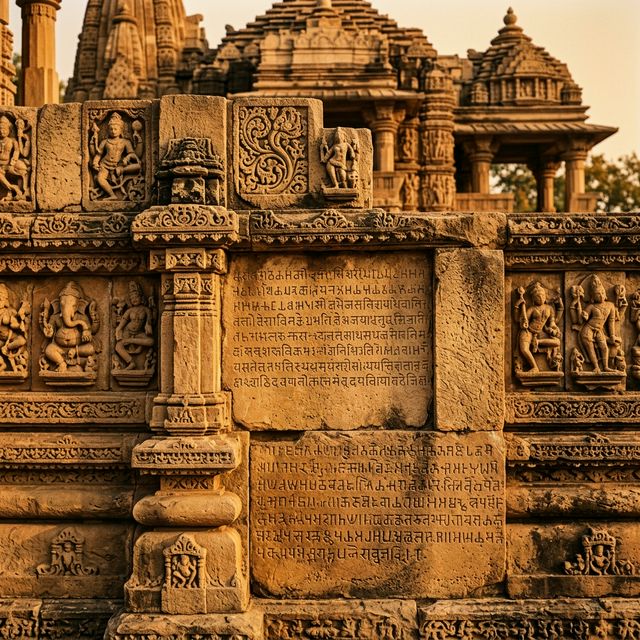
The inscription in Ajanta Cave XVII is a rock-cut epigraphic record engraved on a side wall outside the cave's verandah. Engraved in the box-headed Brāhmī script, the text is composed entirely in Sanskrit verse. Dating to the late fifth century CE, the inscription is contemporaneous with the record in Cave XVI and was executed during the reign of the Vākāṭaka Emperor Hariṣeṇa.

The primary object of the inscription is to record the excavation of the magnificent monolithic vihāra (Cave XVII) and a grand gandhakuṭī (Cave XIX) by a vassal who was ruling over the Khandesh region under the agency of the Vākāṭakas. The text traces the genealogy of this local ruling family through ten generations, from its founder through princes like Dhṛitarāṣṭra, Harisāmba, Upendraguptā, and Kṛṣṇadāsa. The reigning king, who was the elder son of Kṛṣṇadāsa, ruled jointly and happily with his younger brother Ravisāmba until the latter met a tragic, premature death. The donation of the cave, along with a large water cistern was made for the merit of the world. 

Original Text
View By:
Line
/
Meter
|
A
/
अ

1.  - - - - - - - - - - - -bhavadrumāvanim praṇamya vidyātrayapāragam munim | vihāradāturvyavadātakarmaṇo guṇābhidhānopanaya kariṣyate ||

2.  nāmnā janapālanena labdhātmabhāvasya narādhipatya | dhṛtātapatrasya babhūva putrassitātapatro dhṛtarāṣṭrasaṃjñaḥ ||

3.  - - - - - - - - - - - -sya rājño harisāmbomburuhendukāntavaktraḥ | nṛpatestanayo babhūva tasyāpyamalaśrīḥ kṣitipālaśaurisāmbaḥ ||

4.  - - - - - - - - - - - - - tena pṛthukīrttirdyutimānupendraguptaḥ | samabhūdavarassutotha tasya kṣitipa kāca iti prakāśanāmā ||

5. - - - - - - - - - - - -dyutikīrttinyasanāya bhikṣudāsaḥ | prathito bhuvi nīladāsanāmā nṛpatistasya suto narādhipasya ||

6. - - - - - - - - - - - - -raiḥ prathita kāca iti pradīptakīrttiḥ | nṛpateratha tasya kṛṣṇadāsaḥ kulavamśadyutivarddhano babhūva ||

7. - - - - - - - - - - - - -stanayā candrākarāvadātaveśā | abhavatparipūrṇṇacandravaktrā vinayācāravibhūṣaṇāticandrā ||

8.  - - - - - - - - - - - - - -artthisthaloddyotakarīmavāpa | tasyām ca tasyāmburuhāyatākṣāvṛttaptacāmīkarakāntarūpau ||

9.  - - - - - - - - - - - - - - -pradyumnasāmbapratimau kumārau | dharādhipārakhyām prathamo babhāra dadhre dvitīyo ravisāmba samjñām ||

10. - - - - - - - - - - - -  - - - - - - - nīyocchritamaśmakādikam | kṛtārtthasatvāttvāvabhibhūya bhūyasā rarājatuścandradivākarāviva ||

11. - - - - - - - - - - - - - - - - - - - - - - -ha nibaddhamānayoḥ | vivṛddhasauhārddayaśa pratānayossadānukūlyena sukham vijahruṣoḥ ||

12. - - - - - - - - - - - - - - - -amānavai rapyanivāryyaśāsanaḥ | purākṛtodbhāvitabhīmavikramaḥ kanīyasi prākhyadanityatāśanim ||

13. - - - - - - - - - - - - - - - - - - - - - -dhairyyādiva kāyadhīrujaḥ | acityasamjñāsaciva param vyavīvṛdhatpuṇyamahāmahīruham ||

14. - - - - - - - - - - - - - - - - - - - - - -nujātatoṣān | bhūyaśśrutatyāgadayāpramodamaitrīkṣamāvīryyadhiyassiṣeve ||

15.  - - - - - - - - - - - - - - - - - - - - - - - - - - -narendrān | praśastavṛttānsuviśuddhavṛtto vṛttena sāmyakṣubhitonucakre ||

16. - - - - - - - - - - - - - - - - - - - - - - - - - - -cakāra | anyārtthikasyārtthijana stathaiva kīrttim kṛtārtthaḥ prathayāmbabhūva ||

17. - - - - - - - - - - - - - - - - - - - - yānbhayaviplutākṣān | amūmucadvittavisarggaśaktyā putrāniveṣṭānkaruṇābhimṛṣṭaḥ ||

18. - - - - - - - - - - - - - - - - - - - - -praṇayena putravat | anūcivānsopihi yasya hṛdgatām vidannṛvaddhyā śuddhisampadam ||

19. - - - - - - - - - - - - - - - - - - - -karāṇi sadyaḥ | sarvvajñabhāvapraṇidhānasiddhim satyābhidhānāni vibhavādapeyuḥ ||

20.  - - - - - - - - - - - - - - - - - - - - -sambāracayādhiyogḥ | yaśombubhiḥ candramarīciśubhrairjjagatsamagram samalaṅcakāra ||

21.  - - - - - - - - - - - - - - - - - - - - -vadanāravindacandre | paripālayati kṣitīndracandre hariṣeṇe hitakāriṇi prajānām ||

22. - - - - - - - - -  - - - - - - - - -natyadbhutapuṇyarāśiḥ | cakre bhuva stūpavihārabhūṣām dānodayaiścārtthijanapramodam ||

23. - - - - - - - - - - - - - - - - - - - - nānilanādavadbhiḥ | nityam vitānārthadhiyā vahadbhirambhodharaiśśrīmati sahyapāde ||

24. - - - - - - - - - - - - - - - - - - - - - - gāmbhīryyaguṇairupetam | niveśitāntarmunirājacaityamekāśmakam maṇḍaparatnametat ||

25. - - - - - - - - - - - - - - - - - - - - - - -vipulām visṛjya | acīkaraddityama mānakalpamalpātmabhiḥ kalpanayāpyaśakyam ||

26. - - - - - - - - - - - - - - - - - - - - - - - -nayanābhirāmam | nyavīviśatsādhulaghuprasannm śītaprakāmāmbumahānidhānam ||

27. - - - - - - - - - - - - - - -- - - - - -nnetramanobhirāmam | anyāmgadeśesya diśi pratīcyāmacīkaradgandhakuṭīmudārām ||

28. - - - - - - - - - - - - - - - - - -jagaddhitāyodyatasarvvakarmmaṇaḥ | munīndranātha bhāvapraṇidhānasiddhaye bhavantvabhīṣṭā bhuvi sarvvasampadaḥ ||

29. - - - - - - - - - - - - - - - - - - - - - - -sapraṇayena maṇḍapaḥ | karotu tāvatkuśalodayam satām vihanti yāvadraviramśubhastimaḥ ||

Translation
Verse 1
Having bowed to the sage Buddha who had completely mastered the three lores and who is a thunderbolt to the tree of worldly existence... I will set forth a description of the excellences of the donor of the Vihāra, whose deeds are pure.

Verse 2
To the lord of men named... who wore a parasol over his head and who made his name significant by the protection of the people, was born a son, Dhṛtarāṣṭra by name, who had a white parasol.

Verse 3
The son of that king... was Harisāmba, whose face was lovely as a lotus and the moon. Again, the son of that king was king Saurisāmba, endowed with spotless beauty.

Verse 4
The resplendent Upendragupta of widespread fame... was begotten by him. Then he had a younger son who became well known as king Kāca I.

Verse 5
From him was descended... Bhikṣudāsa in order to deposit his splendour and glory on the earth. A son of that lord of men was a king named Nīladāsa, renowned on the earth.

Verse 6
His son of brilliant fame... became well known as Kāca II. Then to that king was born Kṛṣṇadāsa, who augmented the splendour of his race and line.

Verse 7
His wife was Aticandrā, the daughter of... clad in garments as white as the rays of the moon, whose face resembled the full moon, and whose ornaments were modest and virtuous conduct.

Verse 8–9
He obtained her who brightened the land in the form of suppliants... From her he had two sons resembling Pradyumna and Sāmba, who had longish, lotus-like eyes and lovely bodies like burnished gold... the elder of them bore the title of a king, while the second bore the appellation Ravisāmba.

Verse 10
Having subjugated prosperous countries such as Aśmaka... the two princes, whose prowess had become fruitful, shone like the sun and the moon.

Verse 11
While they, whose honour was dependent on... and whose creeper-like affection and glory had grown very much, were living always in concord and happiness—

Verse 12
Fate... whose decree is not to be evaded even by superhuman beings and whose dread power was produced by the deeds done in a previous life, announced the thunderbolt of impermanence in the case of the younger brother.

Verse 13
Having overcome as if with firmness the diseases of the body and the mind, the elder brother... having always the consciousness of transience, made thereafter the great tree of religious merit grow.

Verse 14
He served those who... who possessed great learning, liberality, compassion, contentment, friendship, forgiveness, courage, and wisdom, and who felt pleased with...

Verse 15
He, who was of pure conduct, habitually imitated in his deeds honourable kings of noble conduct...

Verse 16
He made... The suppliants, being satisfied with gifts, spread in the same way the fame of other suppliants.

Verse 17
He, released by the power of the expenditure of wealth... whose eyes were suffused through fear, as though they were his own dear sons.

Verse 18
Even he who had been treated affectionately like a son repeated, like a knowing human being, the excellent and pure thoughts in his heart.

Verse 19
Rich persons... failed to attain, because of their wealth, the siddhi rightly so called, obtainable by devout meditation on the Omniscient Buddha.

Verse 20
He adorned the whole world by the light of his fame, bright like the rays of the moon... by collecting materials...

Verse 21
While that moon among the princes, Hariṣeṇa, whose face resembles a lotus and the moon, and who does what is beneficial for his subjects... is protecting the earth.

Verse 22
He, who was a very marvellous store of merit... adorned the earth with Stūpas and Vihāras, and caused the joy of suppliants by conferring gifts on them.

Verse 23
On a spur of the Sahya mountain, looking beautiful with clouds, which, with the confused noise of... always pass over it as if to provide it with a canopy.

Verse 24
He excavated this monolithic excellent Hall, containing within it a Caitya of the king of ascetics, i.e., of the Buddha, and possessing the qualities of stateliness...

Verse 25
Having expended abundant wealth, he caused to be made this donated Hall which is almost measureless and which cannot be even imagined by little-souled men...

Verse 26
He caused to be dug near it a large cistern pleasing to the eyes and filled with sweet, light, clear, cold, and copious water...

Verse 27
...delightful to the eyes and the mind. In another part of it in the west he caused to be made a grand Gandhakuṭī.

Verse 28
May all the blessings desired for the attainment of siddhi caused by devout meditation on the lord of sages, i.e., Buddha, attend him, who in all his deeds strives for the welfare of the people...!

Verse 29
May this Hall out of affection... cause the attainment of well-being by good people as long as the sun dispels darkness by its rays!
Dynasty:Vākāṭaka
Ruler:Hariṣeṇa
Date:c. 475 to 500 CE
Place:Cave 17, Ajanta, Maharashtra
Donee:Holy Saṅgha of Ajanta
Language:Sanskrit
Nature of grant:Religious endowment
Purpose:To record the excavation and embellishment of a vihāra during the reign of King Hariṣeṇa
Provenance of inscription:Cave 17, Ajanta, Maharashtra
Type of Inscription:Stone inscription
Source:
CII Vol 5, pp. 120-129.

Bibliography & Research

  • Burgess, J., & Indraji, P. B. (1881). Inscriptions from the Cave-temples of Western India. Archaeological Survey of India
  • Mirashi, V. V. (Ed.). (1963). Corpus Inscriptionum Indicarum: The Inscriptions of the Vākāṭakas (Vol. V). Archaeological Survey of India.
More Vākāṭakas Dynasty Inscriptions
›

Ajaṇṭā Cave Inscription of Varāhadeva

Dedication of an ornate Buddhist cave by the minister of Vākāṭaka king Hariṣeṇa

›

An unfinished Durg Plate

An unfinished copper-plate charter issued from Padmapurā

›

Bamhanī Plates of Bharatabala

A charter mentioning land donation to earn religious merit.

›

Belorā Plates (Set A and B) of Pravarasena II

A two-set record mentioning the donation of land and its renewal with added territories

›

Bālāghāṭ Plates of Pṛthivīṣeṇa II

An unfinished copper charter issue by Vākāṭaka ruler Pṛthivīṣeṇa II from Vembāra

›

Bāsim Plates of Vindhyaśakti II

A grant of a village to Ātharvaṇa brāhmaṇas with revenue exemptions.

See more
right-arrow