
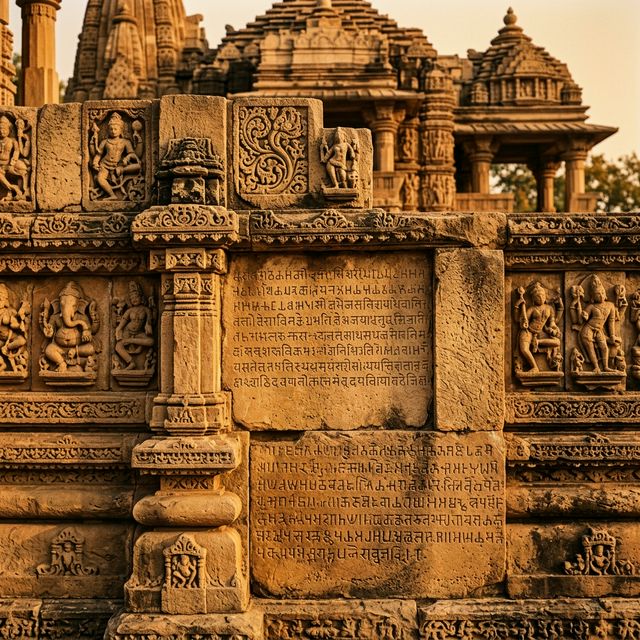
This set of four copper plates, discovered in the Chhindwara district, Madhya Pradesh, was issued by the Vākāṭaka king Pravarasena II from his capital, Pravarapura. Engraved in the box-headed Brāhmī script, the record is composed in Sanskrit, and was executed by the scribe Goladasa under senapati Namidasa. The seal carries a four-line legend proclaiming the enemy-chastising command of king Pravarasena II.
The charter registers a dual land endowment made by Pravarasena II to augment his spiritual merit and royal prosperity. The king granted twenty-five nivartanas of land in the settlement of Darbhamalaka, situated within the Chandrapura saṅgamikā, to Yakṣārya of the Kauśika gotra. Simultaneously, he donated sixty nivartanas in the Karmakara village, located in the Hiraṇyapura bhoga, to Kaliśarman of the Kauṇḍinya gotra. The royal directive was addressed to administrative officers and law enforcement operating within the Arammi rajya including the territorial markers indicating a saṅgamikā (land situated near the confluence of two rivers). The edict concludes with standard exemptions for agrahāra grants, a customary imprecatory verse. The date of issuance is recorded as the tenth day of the fourth fortnight of the rainy season during the twenty-third regnal year.
First Plate
1. dṛṣṭam | pravarapurāt agniṣṭomāptoryyāmokthyaṣoḍaśyatirātra vājapeyabṛhaspati-
2. savasādyaskracaturaśvamedhayājinaḥ viṣṇuvṛddhasagotrasya samrājaḥ vākāṭakānāmma-
3. hārājaśrīpravarasenasya sūnoḥ sūnoḥ atyantasvāmimahābhairavabhaktasya asambhārasa-
4. nniveśitaśivaliṅgodvahanaśivasuparituṣṭasamutpāditarājavamśānāmparākkra-
5. mādhigatabhāgīratthyamalajalamūrddhābhiṣiktānāndaśāśvamedhāvabhṛtha snātānāmbhā-
6. raśivānāmmahārājaśrī bhagavanāgadauhitrasya gautamī putrasya putrasya vākāṭa-
7. kānāmmahārājaśrīrudrasenasya sūnoḥ atyantamāheśvarasya satyārjjavakāruṇya-
Second Plate : First Side
8. śauryyavikkramanayavinayamāhātmyadhīmattva pātragata bhaktitvadharmmavijayitvamanonairmmalyādigu-
9. ṇaiḥ samuditasya varṣaśatamabhi varddhamānakośadaṇḍasādhanasantānaputrapautriṇaḥ yudhiṣṭhiravṛttervvā-
10. kāṭakānāmmahārājaśrīpṛthiviṣeṇasya sūnoḥ bhagavataścakrapāṇeḥ prasādopārjjitaśrīsamuda-
11. yasya vākāṭakānāmmahārājaśrīrudrasenasya sūnoḥ mahārājādhirājadevagupta-
12. sutāyāṃ prabhāvatiguptāyāmutpannasya vākāṭakānāmmahārājaśrīpravarasenasya
13. vacanāt ārammirājye asmatsantakāssarvvāddhyakṣaniyoganiyukttāḥ ājñāsañcārikula-
Second Plate : Second Side
14. putrādhikṛtāḥ bhaṭāśchātrāśca viśrutapūrvvayājñāyā jñāpayitavyāḥ | viditamastuvaḥ yathehāsmābhi-
15. rātmano dharmmāyurbbalaiśvarya vivṛddhaye ihāmutrahitārtthamātmānugrahāya vaijayike dharmmasthāne candrapura-
16. saṅgamikāyāṃ darbbhamalake bhūmeḥ pañcavimśātiḥ kauśikasagotrāya yakṣāryyāya hiraṇyapurabhoge
17. karmmakāragrāme bhūmeḥ ṣaṣṭiḥ kauṇḍinyasagotrāya kāliśarmmaṇe apūrvvadattyā udakapūrvva-
18. matisṛṣṭā | ucitām cāsya pūrvvarājānumatām cāturvvaidyagrāmamaryyādām vitarāmḥ grāmaparihārān vitarāmaḥ
19. tadyathā akaradāyinau abhaṭacchatraprāveśyau apāramparagobalīvarddau apuṣpakṣīra-
Third Plate : First Side
20. sandohau acārāsanacarmmāṅgārau | alavaṇaklinnakkeṇikhanakau saveṣṭiparihāraparihṛtau
21. sanidhi sopanidhī | saklṛptopaklṛptau | ācandrādityakālīyau putrapautrānugāminau bhuñjatām na kenaci-
22. dvayāghāta karttavyaḥ sarvakkriyābhissamrakṣitavyau parivarddhayitavyau ca | yaścāsmacchāsanamagaṇaya-
23. mānaḥ svalpāmapi paribādhām kuryyātkārayedvā tasya brāhmaṇairvveditasya sadaṇḍa-
24. nigrahaṅ kuryyāma asmimśca dharmmādarakaraṇe atītānekarājadattasañcintana paripālanam
25. kṛtapuṇyānukīrtanaparihārārtthanna kīrttayāmaḥ | saṅkalpābhiyoga parākkramopajitānvarttamānā-
Third Plate : Second Side
26. nājñāpayāmaḥ | eṣyatkāla prabhaviṣṇugauravādbhaviṣyānvijñāpayāmaḥ | vyāsagītaścātra ślokaḥ
27. pramāṇīkarttavyaḥ | svadattāmparadattām vvā yo hareta vasundharām | gavām śatasahasrasya hatnturha-
28. rati duṣkṛtam || saṃvatsare trayovimśatitame varṣāpakṣe caturthe divase daśame senāpatau |
29. namidāse | likhitam goladāsena ||
SEAL
1. vākāṭakalalāmasya |
2. kkramaprāptanṛpaśriyaḥ |
3. rājña pravarasenasya |
4. śāsanaṃ ripuśāsanam ||
Line 1–12
Seen. From Pravarapura:
By the order of the illustrious Pravarasena II, the mahārāja of the Vākāṭakas, who was born of Prabhāvatīguptā, the daughter of the mahārājādhirāja Devagupta; who is the son of the mahārāja, the illustrious Rudrasena II, who acquired an abundance of prosperity by the grace of the divine lord Cakrapāṇi (Viṣṇu); who was the son of the illustrious Pṛthivīṣeṇa I, the mahārāja of the Vākāṭakas, who was intensely devoted to the god Maheśvara, endowed with truthfulness, straightforwardness, compassion, heroism, valour, political wisdom, modesty, high-mindedness, intelligence, devotion to worthy persons, the state of being a righteous conqueror, purity of mind, and other such qualities, who had sons and grandsons and a continuous supply of treasure and an army accumulating for a hundred years, and who conducted himself like Yudhiṣṭhira; who was the son of the illustrious Rudrasena I, the mahārāja of the Vākāṭakas and the son of Gautamīputra, an intense devotee of the god Svāmi-Mahābhairava and the daughter’s son of the illustrious Bhavanāga, the mahārāja of the Bhāraśivas, whose royal family was created by Śiva, who was greatly pleased by their carrying the Śiva-liṅga like a load placed upon their shoulders, and who were besprinkled on their heads with the pure water of the river Bhāgīrathī obtained by their valour, and who performed the ritual ablutions upon the completion of ten Aśvamedha sacrifices; and who was the grandson of the illustrious Pravarasena I, the mahārāja of the Vākāṭakas, the Samrāṭa (Universal Monarch), who performed the Agniṣṭoma, Āptoryāma, Ukthya, Ṣoḍaśin, Atirātra, Vājapeya, Bṛhaspatisava, Sādyaskra, and four Aśvamedha sacrifices, and who belonged to the Viṣṇuvṛddha gotra.
Line 13–25
Our officers of noble birth, who are employed by the order of the sarvādhyakṣa (general superintendent) and exercise their authority by our command, as well as our soldiers and policemen in the Ārammi rājya, should be directed by the following command, which is well-known to them:
“Be it known to you that, in order to increase our religious merit, life, power, and prosperity, and to obtain blessings for ourself, we have donated here at our place of religious worship, with the pouring out of water, twenty-five nivartanas of land in the village of Darbhamalaka in the saṅgamikā of Candrapura to Yakṣārya of the Kauśika gotra, and sixty nivartanas of land in the village of Karmakāra situated in the bhoga of Hiraṇyapura to Kāliśarman of the Kauṇḍinya gotra, as gifts not previously made.
And we grant here the following exemptions, which are customary for a village bestowed upon a Brāhmaṇa proficient in the four Vedas: It is not to pay taxes; it is not to be entered by regular soldiers and policemen; it does not carry with it the State's customary right to cows and bulls, nor does it carry the royalties on flowers and milk; it is exempt from the obligation to provide grass, hides for seats, and charcoal to touring royal officers; it is exempt from royalties on the purchase of fermenting liquors and the digging of salt; it is free from all kinds of forced labour; it is donated together with the right to hidden treasures and deposits, as well as major and minor taxes; it is to be enjoyed for as long as the sun and the moon endure; and it is to follow the succession of sons and grandsons. No one should cause an obstruction while the donee or his successors are enjoying it. This grant should be preserved and increased by all means. And whosoever, disregarding our order, causes or makes others cause even the slightest obstruction, upon him, when complained against by the Brāhmaṇas, we will inflict punishment together with a fine.”
Line 25
We issue this order to the present rulers who have been vanquished by our resolve, attack, or valour, and we make this request to future rulers out of reverence for them.
Line 26
And the following verse, sung by Vyāsa, should be regarded as authoritative on this point:
(Here occurs an imprecatory verse.)
Line 28
This charter has been written by Goladāsa, while Namidāsa is the senāpati, on the tenth day in the fourth fortnight of the twenty-third regnal year.
SEAL
This is the enemy-chastising command of King Pravarasena II, the ornament of the Vākāṭakas, who has attained royal fortune by inheritance
| Dynasty: | Vākāṭaka |
| Ruler: | Pravarasena II |
| Date: | c. 420 to 455 CE (Bhādrapada kṛṣṇa 10, varṣā 4, Regnal year 23) |
| Donor: | Pravarasena II |
| Donee: | Brāhmaṇa Yakṣārya of Kauśika gōtra and Brāhmaṇa Kāliśarman of Kauṇḍinya gōtra |
| Language: | Sanskrit |
| Script: | Box-headed Brāhmī |
| Religion: | Vedic |
| Nature of grant: | Land donation |
| Purpose: | For increasing religious merit, life, power, victory, prosperity, and blessings of the donor |
| Provenance of inscription: | Dudia, Chhindwara district, Madhya Pradesh |
| Type of Inscription: | Copperplate grant |
| Source: |
