
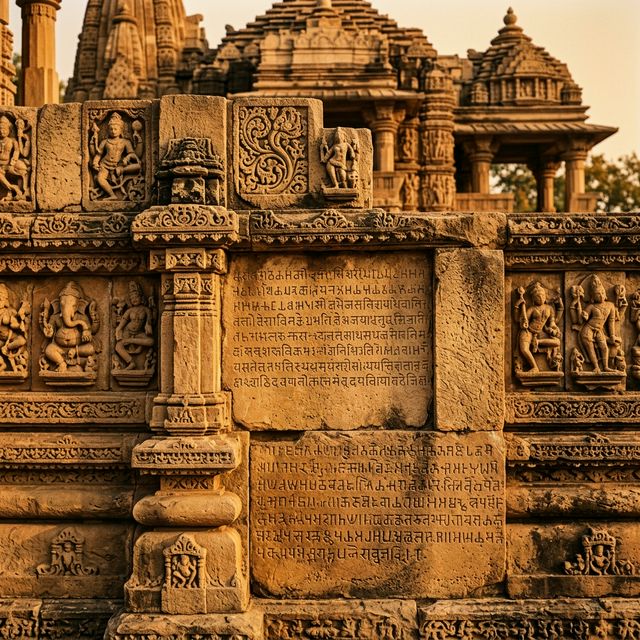
Discovered in the possession of the Shid family at Anjaneri near Trimbak in the Nashik district, this two-plate copper charter was issued by king Bhogaśakti, also known as Pṛthivīcandra, of the Hariścandra lineage. Recorded in Sanskrit language and is engraved in the Brāhmī script. It registers civic privileges, tax exemptions, and penal codes for merchants residing in newly resettled territories, reflecting sophisticated urban administrative practices.
Following an invocation to Viṣṇu and eulogies of the Cālukya sovereign Vikramāditya, the text traces the Hariścandra lineage through Svāmicandra, Simhavarman, and the reigning Bhogaśakti. The core decree records Bhogaśakti’s resettlement of the devastated town of Samagiripaṭṭana alongside Candrapurī and four affiliated hamlets. Granted to civic leaders Ela śreṣṭhin and Karapuṭa śreṣṭhin, the charter awards merchants permanent exemption from kingdom-wide octroi duties, revokes the crown's right to confiscate property of sonless individuals, and abolishes the obligation to board royal officers. It codifies a penal schedule in rūpakas for assaults and sexual transgressions, while allowing a council of eight or sixteen local elders to arbitrate final penalties. Tejavarmarāja, a royal officer, executed the charter.
First plate
1. siddham | jayatyāviṣkṛtam viṣṇorvvārāham kṣobhitārṇṇavam | dakṣiṇonnatadaṃṣṭrāgra-
2. viśrāntabhuvanam vapuḥ || 1 || śrīmatām sakalabhuvanasamstūyamānamānamāna-
3. vyasagotrāṇām saptalokamātṛbhissaptamātṛbhirabhivarddhitānām kārttike-
4. yaparirarakṣaṇaprāptakalyāṇaparamparāṇām bhagavannārāyaṇaprasādasa-
5. māsāditavarāhalāñchanekṣaṇakṣaṇa vaśīkṛtāśeṣamahībhṛtām hārītīputtrā-
6. ṇām calukyānāmanvaye sakalamahīmaṇḍalaikatilako mahārājādhirājapara-
7. meśvaraśrīvikkramādityavallabhastatpādaprasādopajīvī svaputranirvviśeṣo
8. hariścandravamśasyālaṅkārabhūtaḥ śaradupagamaprasannamaṇḍalaścandramā iva pra-
9. jānāmānandakārī śrīsvāmicandro nāma rājā yenedam caturdaśasahasragrāmam
10. saṅkhyam sakalamapi purīkoṅkaṇam bhuktamāsīt | tasya ca rājñaḥ śrīsvāmicandrasya
11. putro mahābalaparākkramaḥ śrīsiṃhavarmmarājastasyāpi śrīsimhavarmmarājasya
12. puttraścaturudradhijalataraṅgāliṅgitāyām pṛthivyām candra iva
Second Plate: First Side
13. vikhyātatejāḥ pṛthivīcandrāparanāmadheyo rājā śrībhogaśaktiḥ | yosau bāla
14. eva pūrvvajanmābhyāsena svayam samutpannajñāno bhagavato vāsudevasyārccanavi-
15. dhim prati satatamabhiyukto brahmaṇyaśca yudhiṣṭhira iva nayavinayadayādānadākṣi–
16. ṇyādibhirguṇairalaṅkṛtassatyavādī ca bhīmasena iva prakaṭaparākkrākkrāntāśeṣasvarā-
17. jyabhūmimaṇḍalo mahābalaśca arjuna iva janārddanajñānopadeśavarttī samaravidhiviśā-
18. radaśca baladeva iva nṛttagītahasitavilasitakrīḍāsukhopabhogatatparaḥ kṣaṇam vi-
19. kkrāntaśca pradyumna iva sakalayuvatijanamanoharam vapurddhārayannapi parakalatrani-
20. spṛhaḥ vanavāraṇayūthādhipatiriva satatamabhipravṛttadānārdrīkṛtakaraḥ padmotpala-
21. kumudaṣaṇḍamaṇḍitaḥ svādūdako jalāśaya iva prāṇinām tṛṣṇāvicchedakārī uditadiva-
22. sakarakiraṇaprabodhito mahāpadmākara iva śriyo nivāsabhavanaṃ jaladhiriva rakṣita-
23. sthitiranekabhūbhṛtpālanaparaḥ paramagambhīro mahāsattvaśca satatamiva devakulataṭā-
24. kasattraprapādharmmakkriyānuṣṭhānavyasanī nārāyaṇānusmaraṇatatparaśca kaustubhama-
25. ṇiriva viṣṇoḥ purikoṅkaṇaviṣayasyālaṅkārabhūtaḥ bhāratapurāṇarāmāyaṇa-
26. rājaśāstrārtthatattva nipuṇaḥ prājñaḥ paṭuḥ paṇḍito medhāvī apratihatabalaparā-
Second Plate; Second Side
27. kkramotsāhamantraprabhuśaktistribhuvanāṅkaśo rājā śrībhogaśaktiḥ sarvvānevātmī-
28. yaputtrapauttraprapautrādīn viṣayapatigrāmabhogikam hattarān samājñāpaya–
29. ti viditamastu vo yathā pūrvvamutsāditam samagiripaṭṭanam candrapurīsahitam
30. mbayapallikāsavāṇeyapallikāmaureyapallikāttrayasahitam kamsā-
31. ripallikā ca mayā samāvāsitam | elaśreṣṭhikarapuṭaśreṣṭhipramukha-
32. samastanagarasya dattam | samagirivāstavyānām vāṇijām candrārkkakālikam śulkamādeyam
33. samastarājye nāsti | aparam ca aputtradhanam nāsti umurabhedaḥ rājapuruṣā-
34. ṇāmāvāsako jemakaśca etannāsti | kumārīsāhase rūpakāṇāmaṣṭottaram
35. śatam | saṅgrahaṇe dvātriśatirūpakāḥ | karṇṇatroḍaṇikāyām ṣoḍaśa rūpakāḥ | śira-
36. sphoṭane catvāri rūpakāḥ | bhārikāyām vaṇikputtrasyāṣṭottaram śatam rūpakāṇām
37. nagnagṛhītasya | yaccāṣṭau ṣoḍaśa vā nagaramahallakā vicāryya vadanti
38. tadeva pramāṇam | śrītejavarmmarājena etadanuṣṭhitamiti ||
Success!
Verse 1
Victorious is Viṣṇu’s manifested boar-form, which agitated the ocean and which had the world resting on the tip of its projecting right tusk!
Line 2 to 8
In the family of the illustrious Cālukyas, who are of the Mānavya gotra which is being praised by the whole world; who are the sons i.e., descendants of Hārītī; who were brought up by the Seven Mothers who are the mothers of the seven worlds; who obtained continuous prosperity through the protection of Kārttikeya; who have all kings submitting to them the moment they see the boar-emblem which was obtained by the favour of the divine god Nārāyaṇa, there was the mahārājādhirāja, parameśvara, the illustrious Vikramāditya-vallabha, the sole forehead-mark of the whole earth. Dependent on the favour of his feet and treated by him in no way different from his own son, there was a king named the illustrious Svāmicandra, an ornament of the family of Hariścandra, who caused delight to the people like the moon whose orb has become clear on the advent of autumn, and by whom this entire Koṅkaṇa country with Purī as the chief city, the villages in which number fourteen thousand, was governed. A son of that king, the illustrious Svāmicandra, was the illustrious king Siṃhavarman of great strength and prowess.
Line 9 to 27
Again, a son of that illustrious king Simhavarman viz. the king, the illustrious Bhogaśakti, who having, like the moon, well-known splendour on the earth embraced by the waves of the water of the four oceans, had the second name of pṛthivīcandra (the Moon on the Earth); who, even as a boy, had knowledge spontaneously produced through the discipline of his previous life; who is always engaged in the worship of the divine god Vāsudeva, and is devoted to sacred knowledge; who, like Yudhiṣṭhira, is adorned by excellences such as political wisdom, humility, compassion, charity and courteousness, and always speaks the truth; who, like Bhīmaśena, has brought under his rule the whole territory of his dominions by his displayed valour, and is possessed of great strength; who, like Arjuna, acts in accordance with the knowledge and teaching imparted by Janārdana, and is skilled in fighting; who, like Balarāma, is eagerly engaged in the enjoyment of the pleasures of dancing, singing, laughing, dallying, and sporting, and is also valiant in a moment; who, though, like Pradyumna, is possessed of a charming form attractive to the minds of all young women, has no desire for the enjoyment of another’s wife; who, like the leader of a herd of wild elephants which has his trunk always moistened with the continuously flowing rut, has his hand always wet through making gifts continuously; who, like a reservoir of sweet water beautified with clusters of day-lotuses, blue lotuses and night lotuses, which quenches the thirst of animals, destroys the greed of living beings; who, like a large assemblage of lotuses, made to bloom by the rays of the rising sun which becomes an abode of beauty, is the place of resort for Fortune; who, like the ocean that always keeps itself within bounds, is engaged in giving protection to several mountains, is very deep, and contains large aquatic animals, has maintained established customs, is intent on giving protection to many princes, and is possessed of great serenity and courage; who is always occupied with the construction of religious works, such as temples, tanks, charitable feeding-houses and watersheds, and is intent on meditating on Nārāyaṇa; who is an ornament of Konkan with Purī (as the capital), even as the Kaustubha jewel is of Viṣṇu; who is proficient in understanding the import and principles of the Bhārata, the Rāmāyaṇa and the works on the science of politics; who is wise, clever, learned and intelligent; whose strength, prowess and powers derived from personal energy, counsel and royal position, are unimpeded;
Line 28
The illustrious Bhogaśakti………………addresses the following order to all his sons, sons’ sons, sons’ sons’ sons, and so forth, and to the heads of viṣayas, the bhogikas and mahattaras of villages:
Line 29 to 38
Be it known to you that I have settled again the Samagiripaṭṭana, which had been previously devastated, together with Candrapurī and together with the three hamlets, viz., Ambeyapallikā, Savāṇeyapallikā, and Maureyapallikā, and also Kamsāripallikā. This charter is made over to the whole town, of which Ela śreṣṭhin and Karapuṭa śreṣṭhin are the chief representatives. The merchants residing in Samagiri are not to pay octroi duty in the whole kingdom as long as the moon and the sun will endure. Besides, there is not to be an escheat to the crown of the property of a person who dies sonless. There is to be no distinction between wharfs. There is to be no tax for the lodging and boarding of royal officers. For a violent offence against unmarried girls, the offender will be fined a hundred and eight rūpakas; for adultery, thirty-two rūpakas; for boxing of the ears, sixteen rūpakas; for injury to the head, four rūpakas. If the offence is committed against a labour-woman, a merchant’s son will be caught naked and will be fined one hundred and eight rūpakas. And whatever eight or sixteen mahallakas respectable men of the town will declare after deliberation, will be the right standard of punishment.
This was executed by the illustrious Tejavarmarāja.
| Dynasty: | Hariścandra |
| Ruler: | Bhōgaśakti |
| Date: | c. 710 CE (varṣa 461) |
| Place: | Shid family in Anjaneri, Nasik |
| Donor: | Bhōgaśakti executed by the royal officer Tejavarmarāja |
| Donee: | Ela śreṣṭhin and Karapuṭa śreṣṭhin |
| Language: | Sanskrit |
| Script: | Brāhmī |
| Religion: | Hindu |
| Nature of grant: | Land donation |
| Purpose: | To provide resettlement of the Samagiripaṭṭana, its nearby suburb and four associated hamlets |
| Provenance of inscription: | Anjaneri, Nashik, Maharashtra |
| Type of Inscription: | Copperplate grant |
| Source: |
