
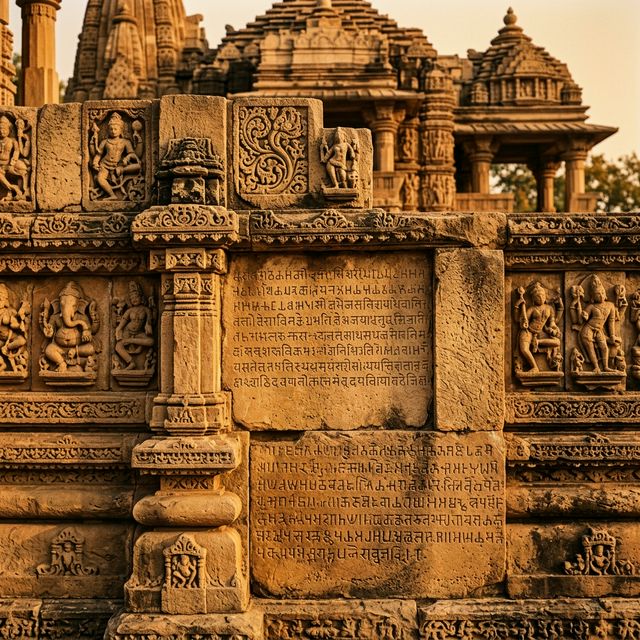
Discovered in 1936 by the Shid family in Anjaneri near Trimbak, Nasik District, this three-plate copper charter belongs to king Bhogaśakti, also known as Pṛthivīcandra, of the Hariścandra dynasty. Dated to the year 461 of the Kalacuri era, corresponding to c. 710 CE, the Sanskrit record utilises the Brāhmī script. The charter documents the donation of eight villages and specific taxes to support the worship of god Nārāyaṇa, installed as Bhogeśvara at Jayapura, and assigns temple management to the local merchant guild.
Following an invocation to the boar incarnation of Viṣṇu, the record extols the Cālukya sovereign Vikramāditya, who appointed Svāmicandra over the fourteen thousand villages of Puri-Konkan region. The lineage proceeds through Simhavarman to the donor, Bhogaśakti. Equated to various epic heroes, Bhogaśakti decrees the grant of eight villages, Jayagrāma, Ambe-Avaṅgaṇa, Pālittapāṭaka, Kokilākṣaka, Kalahaka, Mudgāhitaka, Kṣemagiraka and Āṇṇagrāma and specific territorial revenues, quantified in Kṛṣṇarāja rūpakas, to the deity Bhogeśvara in Jayapura. The charter entrusts the local merchant assembly with temple administration and the annual Mārgaśīrṣa festival, granting them tax exemptions in return. A postscript registers supplementary donation of bounded pasture land and a capital deposit of one hundred rūpakas to perpetually fund bdellium for the deity by Tejavarmarāja, the royal officer incharge of the region around Jayapura.
First Plate
1. siddham | jayatyāviṣkṛtam viṣṇorvvārāham kṣobhitārṇṇavam | dakṣiṇonnatadamṣṭrāgraviśrāntabhuvanam vapuḥ ||1||
2. śrīmatām sakalabhuvanasamstūyamānamānavyasagottrāṇām saptalokamātṛbhiḥ saptamātṛ-
3. bhirabhivarddhitānām | kārttikeyaparirakṣaṇaprāptakalyāṇaparamparāṇām bhagavannārāyaṇa –
4. prasādasamāsāditavarāhalāñchanekṣaṇa kṣaṇavaśīkṛtāśeṣamahībhṛtām hārītīputtrāṇām ca–
5. lukyānāmanvaye sakalamahīmaṇḍalaikatilako mahārājādhirājaparameśvaraḥ śrīvikkramādi-
6. tyavallabhastatpādaprasādopajīvī svaputtranirvviśeṣo hariścandravamśasyālaṅkārabhūtaśśara-
7. dupagamaprasannamaṇḍalaścandramā iva prajānāmānandakārī śrīsvāmicandro nāma rājā yene –
8. dam caturddaśasahasrasaṅkhyagrāmam sakalamapi purīkoṅkaṇam bhuktamāsīt | tasya ca rājñaḥ śrīsvā-
9. micandrasya puttro mahābalaparākkramaḥ śrīsimhavarmma rājastasyāpi śrīsimhavarmma rājasya puttraḥ
10. caturudadhijalataraṅgāliṅgitāyām pṛthivyām candra iva vikhyātatejāḥ pṛthivīcandrāparanā–
11. madheyo rājā śrībhogaśaktiryyosau bāla eva pūrvvajanmābhyāsena svayam samutpannajñāno
12. bhagavato vāsudevasyārccanavidhim prati satatamabhiyukto brahmaṇyaśca yudhiṣṭhira i-
13. va nayavinayadayādānadākṣiṇyādibhirgguṇairalaṅkṛtaḥ satyavādī ca |
14. bhīmasena iva prakaṭaparākkramākkrāntāśeṣasvarājyabhūmimaṇḍalo mahābalaśca
Second Plate: First Side
15. arjuna iva janārddanajñānopadeśānuvarttī samaravidhiviśāradaśca
16. baladeva iva nṛttagītahasitavilasitakrīḍāsukhopabhogatatparaḥ
17. kṣaṇa vikkrāntaśca pradyumna iva sakalayuvatijanamanoharam vapurddhārayannapi para–
18. kalatranispṛhaḥ vanavāraṇayūthādhipatiriva satatamabhipravṛttādānārdrīkṛtakaraḥ padmo–
19. tpalakumudaṣaṇḍamaṇḍitaḥ svādūdako jalāśaya iva prāṇinām tṛṣṇāvicchedakārī
20. uditadivasakarakiraṇaprabodhito mahāpadmākara iva śriyāṃ nivāsabhavanam |
21. jaladhiriva rakṣitasthitiranekabhūbhṛtpālanaparaḥ paramagambhīro mahāsattvaśca
22. satatameva devakulataṭākasattraprapādharmmakkriyānuṣṭhānavyasanī nārāyaṇānu-
23. smaraṇatatparaśca kaustubhamaṇiriva viṣṇoḥ purīkoṅkaṇaviṣayasyālaṅkārabhūto bhārata–
24. purāṇarāmāyaṇarājaśāstrārtthatattva nipuṇaḥ prājñaḥ paṭuḥ paṇḍito medhāvyaprati-
25. hatabalaparākkramotsāhamantraprabhuśaktistribhuvanāṅkuśo rājā śrībhogaśaktiḥ sarvvā–
26. nevātmīyaputtrapauttra prapauttrādīn svabhujabalaparākkramādhiṣṭhitān goparāṣṭrapūrvva-
27. ttrikūṭāmrarājīmairikāmahāgirihāradvayapallusūḍhāmvakaviṣayān pretahlada-
28. maryyādān sarvvān samājñāpayati | astu vo viditam yathā sṛṣṭisthitisamhārakāraṇam
Second Plate: Second Side
29. devātidevam surāsuragurum bhagavantam vāsudevam muktvā nānyā viśiṣṭadevatāstī–
30. ti matvā jayapure pratiṣṭhitabhogeśvarāya purāṇapuruṣāya paramātmane bhagava–
31. te nārāyaṇāya gandhapuṣpadhūpadīpasammārjjanopalepakkriyārttham | nṛttagītavādyo–
32. petasaṅgītakārttham | sattrārttham khaṇḍasphuṭitasamskārārttham ca | mātāpittrorātmanaśca puṇya–
33. vṛddhaye aṣṭau grāmā ādānāni ca pratipāditāni | teṣānnāmāni jayagrāmaḥ ambe–
34. avaṅgaṇam pālittapāṭakaḥ kokilākṣakam kalahakaḥ mudgāhitakaḥ kṣema–
35. girakaḥ ānnagrāmaśca | ādānāni āpaṇeṣu āvārāḥ karaṇe koberam | sārtthavahittreṣu
36. praveśe nirggame ca pratyekaṃ rūpakaḥ devasya yātrotsave dātavyaḥ | goparāṣṭrāmrarājīmai-
37. rikāviṣayeṣu jyeṣṭhikāgrāme mūṭakaḥ ghṛtasātikā ca anenāvatāreṇa itare –
38. ṣvapi grāmeṣu | pūrvvattrikūṭaviṣaye kṛṣṇarājarūpakaśatam 100 | mahāgirihāre apare
39. kṛṣṇarājarūpakaśatadvyam 200 pūrvveśatam 100 pallusūḍhāmbaka viṣaye | kṛṣṇarājarūpakāḥ pañcāśat 50 |
40. ye cāṣṭau grāmāste sarvvādānaviṣṭiprātibhedikāparihīṇāḥ acāṭabhaṭapraveśyāḥ
41. abhyantarasiddhikāḥ ācandrārkkārṇṇavakṣitisthitisamakālīnāḥ ya-
Third Plate: First Side
42. tastasmādasmadvamśyaiḥ prabalapavanapreritodadhijalataraṅgacañcalam
43. jīvalokamavalokya ayamasmaddāyonumantavyaḥ pālayitavyaśca
44. vaṇigbhipañcabhirddaśabhirapi jagaradharmmamavalambya mārggaśīrṣamāsasya pakṣamāttram
45. devasya viṣṇoryyāttrotsavassārayitavyaḥ | yo vājñānatimirāvṛtamatirācchindyādā–
46. cchidyamānam vānumodeta sa pañcabhirmmahāpātakaissaṃyuktaḥ syāt | yadetadde-
47. vakulam tadvaṇiṅnagarāya nirūpitam | taiśca sarvvairvbhagavato devasya śuśrūṣā yogakṣema-
48. śca voḍhavyaḥ | nagarasya ca sthitirllikhyate | ye sthānavāsino vāṇijakāsteṣām śulkam jemako
49. vā kadācidapi nāsti | ya etām sthitim bhinatti sa pañcabhirmmahāpātakaiḥ samyuktaḥ syāditi |
50. ṣaṣṭim varṣasahasrāṇi svargge modati bhūmidaḥ | ācchettā cānumantā ca tānyeva narake vaset ||2||
51. pūrvvadattām dvijātibhyo yatnādrakṣa yudhiṣṭhira | mahīm matimatām śreṣṭha dānācchreyonupālanam ||3||
52. bahubhirvvasudhā bhuktā rājabhissagarādibhiḥ | yasya yasya yadā bhūmistasya tasya tadā phalam ||4||
53. vindhyāṭavīṣvatoyāsu śuṣkakoṭaravāsinaḥ | kṛṣṇāhayo hi jāyante bhūmidāyam haranti ye ||5||
54. samvatsaraśatacatuṣṭaye ekaṣaṣṭyadhike 400 60 1 śāsanam likhitam kallivana-
55. vāstavyena bharatasvāminā ||
Third Plate: Second Side
Inscription of Tejavarman
56. siddham | svasti | śrītejavarmmarājena jayapurasya dakṣiṇasyāṃ
57. pālittapāṭake gopracāro muktaḥ | tasya ca pra-
58. māṇam caturdikṣu durggādevīsahitāḥ śailimā gāvaḥ sthāpitāḥ | sīma-
59. mnaḥ tadeva pramāṇam tasya gopracārasyārtthe | bhogeśvaradevasya bhūmini–
60. ṣkrayārttham jayapuravaṇiṅnagarasya rūpakaśatam dattam | tasya ca rūpaka–
61. śatasya vṛddhiḥ guggulamūlyam bhogeśvaradevasya varṣaprativarṣa
62. nagareṇa yāvaccandrārkkatārakam dātavyam | yo vāsyā-
63. nyathā kariṣyati sa pañcabhirmmahāpātakaissamyukto bha-
64. viṣyati ||
Success!
Verse 1
Victorious is Viṣṇu’s manifested boar-form, which agitated the ocean and which had the world resting on the tip of its projecting right tusk!
Line 2 to 8
In the family of the illustrious Cālukyas, who are of the Mānavya gotra which is being praised by the whole world; who are the sons i.e., descendants of Hārītī; who were brought up by the Seven Mothers who are the mothers of the seven worlds; who obtained continuous prosperity through the protection of Kārttikeya; who have all kings submitting to them the moment they see the boar-emblem which was obtained by the favour of the divine god Nārāyaṇa, there was the mahārājādhirāja, parameśvara, the illustrious Vikramāditya-vallabha, the sole forehead-mark of the whole earth. Dependent on the favour of his feet and treated by him in no way different from his own son, there was a king named the illustrious Svāmicandra, an ornament of the family of Hariścandra, who caused delight to the people like the moon whose orb has become clear on the advent of autumn, and by whom this entire Koṅkaṇa country with Purī as the chief city, the villages in which number fourteen thousand, was governed. A son of that king, the illustrious Svāmicandra, was the illustrious king Siṃhavarman of great strength and prowess.
Line 9 to 27
Again, a son of that illustrious king Simhavarman viz. the king, the illustrious Bhogaśakti, who having, like the moon, well-known splendour on the earth embraced by the waves of the water of the four oceans, had the second name of pṛthivīcandra (the Moon on the Earth); who, even as a boy, had knowledge spontaneously produced through the discipline of his previous life; who is always engaged in the worship of the divine god Vāsudeva, and is devoted to sacred knowledge; who, like Yudhiṣṭhira, is adorned by excellences such as political wisdom, humility, compassion, charity and courteousness, and always speaks the truth; who, like Bhīmaśena, has brought under his rule the whole territory of his dominions by his displayed valour, and is possessed of great strength; who, like Arjuna, acts in accordance with the knowledge and teaching imparted by Janārdana, and is skilled in fighting; who, like Balarāma, is eagerly engaged in the enjoyment of the pleasures of dancing, singing, laughing, dallying, and sporting, and is also valiant in a moment; who, though, like Pradyumna, is possessed of a charming form attractive to the minds of all young women, has no desire for the enjoyment of another’s wife; who, like the leader of a herd of wild elephants which has his trunk always moistened with the continuously flowing rut, has his hand always wet through making gifts continuously; who, like a reservoir of sweet water beautified with clusters of day-lotuses, blue lotuses and night lotuses, which quenches the thirst of animals, destroys the greed of living beings; who, like a large assemblage of lotuses, made to bloom by the rays of the rising sun which becomes an abode of beauty, is the place of resort for Fortune; who, like the ocean that always keeps itself within bounds, is engaged in giving protection to several mountains, is very deep, and contains large aquatic animals, has maintained established customs, is intent on giving protection to many princes, and is possessed of great serenity and courage; who is always occupied with the construction of religious works, such as temples, tanks, charitable feeding-houses and watersheds, and is intent on meditating on Nārāyaṇa; who is an ornament of Konkan with Purī (as the capital), even as the Kaustubha jewel is of Viṣṇu; who is proficient in understanding the import and principles of the Bhārata, the Rāmāyaṇa and the works on the science of politics; who is wise, clever, learned and intelligent; whose strength, prowess and powers derived from personal energy, counsel and royal position, are unimpeded; and who is the goad i.e., the controller of the three worlds, addresses the following command to all his sons, sons’ sons and sons’ sons' sons and so forth, as well as all people living in the viṣayas of Goparāṣṭra, eastern Trikūṭa, Āmrarājī, Mairikā, both the Mahāgirihāras and Pallusūḍhāmbaka, extending as far as Pretahrada, which have been acquired by the might of his arms and valour:
Line 28 to 40
Be it known to you that realising that there is no pre-eminent god except the divine Vāsudeva, the lord of both gods and demons, the supreme god of gods, the cause of the creation, preservation and destruction of the world, I have donated for the increase of the religious merit of my mother and father and of myself, the following eight villages and rights to the divine god Nārāyaṇa, the primeval Being and Supreme Spirit called Bhogeśvara installed in Jayapura, for providing perfume, flowers, incense, light, bathing, and anointing of the god, for symphonic entertainment combined with dancing, singing and music, for maintaining a charitable feeding-house, and for repairing what may be damaged or broken. The names of them i.e., the villages are as follows: Jayagrāma, Ambe-Avaṅgaṇa, Pālittapāṭaka, Kokilākṣaka, Kalahaka, Mudgāhitaka, Kṣemagiraka and Ānnagrāma. And the rights are as stated below: stalls in market places; kovera in a written document; a rūpaka to be paid for each cart of the caravan on ingress and egress at Jayapura at the time of the yātrā festival of the god; a basket of corn and an offering of ghee in the principal villages in the viṣayas of Goparāṣṭra, Āmrarājī and Mairikā; in the same manner in other villages of the aforementioned districts; in the viṣaya of eastern Trikūṭa, a hundred rūpakas of Kṛṣṇarāja, in figures 100; in the western Mahāgirihāra, two hundred rūpakas of Kṛṣṇarāja, in figures 200; in the eastern Mahāgirihāra, one hundred rūpakas, (in figures) 100; in the viṣaya of Pallūḍhamba, fifty rūpakas of Kṛṣṇarāja, in figures 50. As for the eight villages, they are all to be exempt from all dues, forced labour and special rights; they are not to be entered by cāṭas and bhaṭas, are to be self-contained, and are to continue as donated villages as long as the moon, the sun, the ocean and the earth will endure.
Line 41 to 53
Wherefore, our descendants, seeing that the living world is fickle like the waves of the ocean-water agitated by strong wind, should consent to and preserve this our gift. And the merchants of the town Jayapura, five or even ten in number, should celebrate the yātrā festival of the god Viṣṇu for a whole fortnight in the month of Mārgaśīrṣa. But he, who, with his mind shrouded in the darkness of ignorance, would confiscate it or allow it to be confiscated, would incur the five great sins. As for this temple, it is entrusted to the town of merchants. They should all perform the service and take care of the property of the god. The following regulation is laid down for the town: The merchants residing at this place will never have to pay the octroi duty, or to provide for the boarding of royal officers. He, who will violate this regulation, shall incur the five great sins.
(Here follow four benedictive and imprecatory verses.)
Line 54 and 55
In the year four hundred increased by sixty-one, this charter was written by Bharatasvāmin, a resident of Kallivana.
Line 56 to 64
Success! Hail! The illustrious Tejavarmarāja has relinquished a pasture-land in Pālittapāṭaka to the south of Jayapura. And in evidence of it, stone sculptures of cows, together with the image of the goddess Durgā, have been put up in all the four directions to mark its boundary. That is the defining limit of the pasture-land. For purchasing land in honour of the god Bhogeśvara, a hundred rūpakas have been deposited with the merchant town of Jayapura. The interest on the hundred rupees should be paid by the guild of merchants in the town as the price of bdellium for the worship of the god Bhogeśvara, year after year, as long as the moon, the sun and the stars will endure. He who will do otherwise, shall incur the five great sins.
Glossary
The mention of Kṛṣṇarāja rūpakas in the financial clauses suggests that the silver coinage minted by the Kalacuri ruler Kṛṣṇarāja (c. 550–575 CE) remained in active regional circulation for more than a century and a half after his reign.
| Dynasty: | Hariścandra |
| Ruler: | Bhogaśakti |
| Date: | c. 710 CE (varṣa 461) |
| Place: | Shid family in Anjaneri, Nasik |
| Donor: | Bhogaśakti and Tejavarmarāja |
| Donee: | Temple of god Nārāyaṇa (Bhogēśvara) in Jayapura and local merchant guild |
| Language: | Sanskrit |
| Script: | Brāhmī |
| Occasion: | Yātrā festival in Mārgaśīrsha |
| Religion: | Vaishṇavism |
| Deities: | Bhogēśvara i.e., Nārāyaṇa |
| Nature of grant: | Land donation |
| Purpose: | To provide for the worship of the god Nārāyaṇa (Bhogeśvara), temple repairs, and a sattra |
| Provenance of inscription: | Anjaneri, Nashik, Maharashtra |
| Type of Inscription: | Copperplate grant |
| Source: |
