
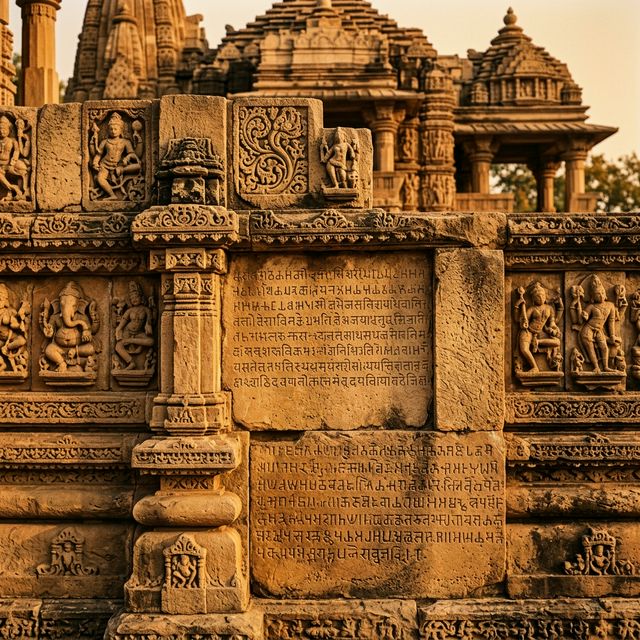
The Sunao Kalā copper-plate inscription, discovered in the Bharuch district, is an administrative charter issued by mahāsāmanta mahārāja Saṅgamasimha from Bharukaccha (modern Bharuch, Gujarat). Comprising two plates engraved in Brāhmī script, the Sanskrit text dates to Kārttika, śukla 15, year 292 of the Kalacuri era, corresponding to 20th October 541 CE. This document provides evidence of post-Traikutaka regional governance in the Narmada valley before the area went under the control of the Kalacuris.
Issuing his mandate from Bharuch, Saṅgamasimha addressed the state officials including rājasthānīyas, uparikas, and kumārāmātyas. The charter records the donation of the village Śoṇavvā, located within the Antar-Narmada district (viṣaya), to five Brāhmaṇas, Anantadatta, Prajāpatiśarman, Śivadeva, Bhāṇudeva, and Bhavaruci, residing in Bharuch. The grant aims to supply resources for the five great sacrifices, bali, caru, vaiśvadeva, agnihotra, and havana. Conveyed alongside exemptions from forced entry and standard taxes like udraṅga and uparikara, the land donation falls under the maxim of uncultivated land (bhūmichidranyāya). Dictated by mahāpratīhāra Gopāḍhyaka and drafted by Viṣṇuṣeṇa, the record features Revāḍhyaka as the dūtaka.
First Plate
1. siddham svasti || bharukacchānmātāpitṛpādānuddhyāto mahāsāmantaśrīmahārājasamgamasimhaḥ
2. sarvvāneva svānnājasthānīyoparikakumārāmātyaviṣayapatyārakṣikadrāmgika –
3. kulaputrakacāṭabhaṭādīmstadādeśakāriṇaśca kuśalamanuvarṇya samanudarśa-
4. yati | astu vo viditam yathāsmābhirantarnnarmmadāviṣayāntarggataśoṇavvāgrāmo bhāru–
5. kacchakachandogisagotrachandogasabrahmacāri-brāhmaṇānantadattastathā gālava–
6. sagotrachandogasabrahmacāriprajāpatiśarmmā tathā laukākṣi sagotrādhvaryyusabrahma-
7. cāriśivadevastathā lohāyanasagotrādhvaryyusabrahmacāribhāṇudevastathā paurṇam sa-
8. gotrabahvṛcasabrahmacāribhavaruciritebhyo balicaruvaiśvadevāgnihotrahavanapañca-
9. mahāyajñakriyotsarppaṇārtthamācandrārkkārṇṇavagraha-nakṣatrakṣitisthitisamakālīnaḥ
10. sodramgassoparikarassabhūtavātapratyāyocāṭabhaṭaprāveśyo bhūmicchidranyāyena
11. putrapautrānvayabhogyo mātāpitrorātmanaśca puṇyayaśovāptayedya puṇyatamām
12. mahākārttikītithimamgīkṛtyodakā udakātisarggeṇa pratipāditaḥ | yata eṣām brāhmaṇānām
Second Plate
13. ucitayā brahmadeyāgrahārasthityā bhumjatām kṛṣatām karṣayatām pradiśatām ca na kenacit
14. niṣedhe vartitavyamiti | etadgrāmanivāsibhirapyamīṣām vidhaiyairbhūtvā samucita–
15. meyahiraṇyādipratyāyopanaya kāryyaḥ | bhaviṣyadrājabhiścāsmadvamśyairanyairvvā sā-
16. mānyam bhūmidānapuṇyaphalamabhivāmchadbhirvvibhavāna-bhāvānubaddhānāyurvviyogā-
17. nugatam guṇāmśca dīrgghakālānuguṇānvigaṇayya dānam ca guṇavatāmavadātamiti
18. pramāṇīkṛtya śaśikaraśuciruciram cirāya yaśaścicīṣubhirayamasmaddāyonumantavyaḥ
19. pālayitavyaśceti || uktam ca bhagavatā vyāsena || ṣaṣṭim varṣasahasrāṇi svargge modati
20. bhūmidaḥ | ācchettā cānumantā ca tānyeva narake vaset || bahubhirvvasudhā bhuktā rājabhissa-
21. garādibhiḥ | yasya yasya yadā bhūmistasya tasya tadā phalam || pūrvvadattām dvijātibhyo ya –
22. tnādrakṣa yudhiṣṭhira | mahīm mahimatām śreṣṭha dānācchreyonupālanam || vindhyāṭavīṣvato –
23. yāsu śuṣkakoṭaravāsinaḥ | kṛṣṇāhayobhijāyante pūrvvadāyānharanti ye ||
24. mahāpratīhāragopāḍhyakaprāpitājñayā sāndhivigrahikarevāḍhyakadūtakam
25. likhitam viṣṇuṣeṇeneti || sam 200 90 2 kārttika śu 10 5 |
Lines 1 to 3
Success! Hail! From Bharukaccha– the mahāsāmanta, the illustrious mahārāja, Saṅgamasimha, who meditates on the feet of his mother and father, having stated his good health, informs all his subordinates, such as rājasthānīyas, uparikas, kumārāmātyas, heads of viṣayas, ārakaṣikas, drāṅgikas, kulaputrakas, cāṭas, bhaṭas, and other, as well as those who execute their orders as follows:
Lines 4 to 11
Be it known to you that for obtaining religious merit and fame for our mother, and father, and for ourself, we are availing ourself of the holiest Mahākārttikī tithi today, have granted with a libation of water, the village Śoṇavvā situated in the Antar-Narmada viṣaya together with the udraṅga and the uparikara, as well as excise and octroi duties, which is not to be entered by the cāṭas and bhaṭas, (and is) to be enjoyed by a succession of sons and sons’ sons, according to the maxim of uncultivated land to the following residents of Bharukaccha, namely, the brāhmaṇa Aranatadatta of the Chandogi gotra (who is) a student of the Chandoga (i.e., Sāmaveda), (and) Prajāpatiśarman of the Gālava gotra, (who is) a student of the Chandoga, and Śivadeva of the Laukākṣī gotra, (who is) a student of the Adhvaryu (Veda i.e., Yajurveda) and Bhānudeva of the Lohāyana gotra, (who is) a student of the Adhvaryu (Veda), (and) Bhavaruci of the Paurṇa gotra, (who is) a student of the Ṛgveda, for the performance of the five great sacrifices, namely, bali, caru, vaiśvadeva, agnihotra, and offerings to fire.
Lines 12 to 18
Wherefore, none should cause any obstruction while these brāhmaṇas are enjoying, cultivating, getting cultivated, and directing others to cultivate the land in the donated village according to the customary rules of agrahāras granted to brāhmaṇas. The residents of this village also, submitting to these (brāhmaṇas), should make over to them the customary share of measurable things, gold and other taxes. And kings of the future whether born in our family or others, desiring to share in the reward of the religious merit of (this gift of) land and considering that wealth is liable to be lost, that life is followed by separation, and that virtues (alone) endure for a long time, and believing that gifts made to meritorious persons are excellent, and wishing to accumulate for a long time, fame as bright and splendid as moon beams, should consent to and preserve this our gift.
Lines 19 to 23
Moreover, the holy Vyāsa has said:
(Here follow four benedictive and imprecatory verses).
Line 24
(This charter), the dūtaka of which is the sāndhivigrahika Revāḍhyaka, has been written by Viṣṇuṣeṇa according to the royal order communicated by the mahāpratihāra Gopāḍhyaka. The year (is) 200 and 30 and 2, the month Kārttika, the bright fortnight, the lunar day 10 and 5.| Ruler: | Saṅgamasimha |
| Date: | 20th October 541 CE (Kārttika, śukla 15, varṣa 292) |
| Donor: | Saṅgamasiṁha |
| Donee: | Five brāhmaṇas resident of Bharuch |
| Language: | Sanskrit with Prakrit influence |
| Script: | Brāhmī |
| Religion: | Vedic |
| Nature of grant: | Land donation |
| Purpose: | To obtain religious merit and fame for the donor and his parents while provide for the maintenance of bali, charu, vaiśvadēva, agnihōtra, and other rites |
| Provenance of inscription: | Sunao Kala, Bharuch district, Gujarat |
| Type of Inscription: | Copperplate grant |
| Source: |
Bibliography & Research
Jackson, A. M. T. (1902). Sunao Kala Plates of Sangamasimha. Journal of the Bombay Branch of the Asiatic Society, XX, p. 221.
- Konow, S. (1909). No 16. Sunāo Kala Plates of Saṅgamasimha. Epigraphia Indica, X, 72.
- Mirashi, V. V. (Ed.). (1955). Corpus Inscriptionum Indicarum Inscriptions of the Kalachuri Chedi Era. In (Vol. Vol 4 (Part 1), xliv-li and 32-37. Archaeological Survey of India.