
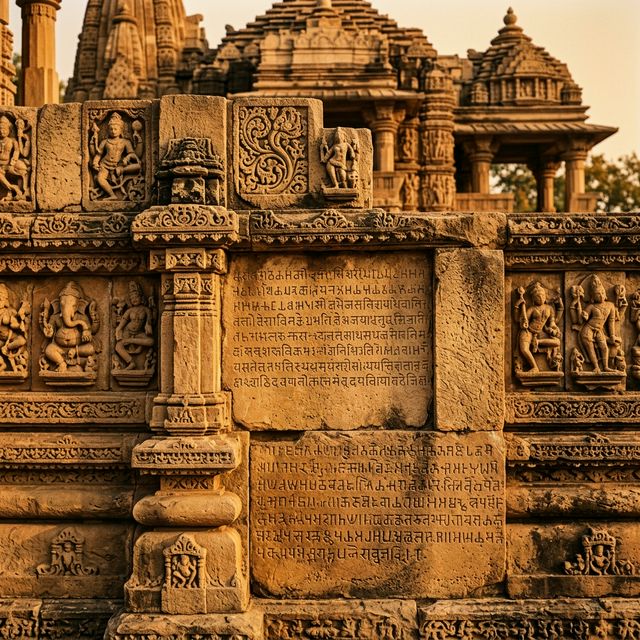
Discovered in 1827 in Kaira, Gujarat, these two copper-plates register a spurious land grant attributed to the Cālukya ruler Vijayarāja. Currently housed in London, the charter is written in Sanskrit using the Brāhmī script.
Issued from the victorious camp at Vijayāpurā, the charter traces the lineage of the donor, Vijayarāja, through his father Buddhavarmarāja to his grandfather Jayasimharāja of the Cālukyan dynasty. The document records the absolute assignment of Pariyaya village, located east of Sandhiyara within the Kāśākula viṣaya (district), along with its taxes and exemptions. The revenue of the village is partitioned into fifty-five and a half pattikās (shares) and distributed among sixty-three brahmaṇa residents of Jambūsara who adhere to the Kāṇva śākhā of the Vājasaneya Veda. Executed on the full-moon day of Vaiśākha in the year 394, the grant provides for the maintenance of rituals including bali, caru, vaiśvadeva, and agnihotra. However, based on the textual analysis by previous scholars, it is suggested that this charter is unauthentic in nature.First Plate
1. siddham | svasti | vijayaskandhavārāt vijayapuravāsakāt śaradupagamaprasannagaganatalavimalavipule vividhapuruṣaratnaguṇa-
2. nikarāvabhāsite mahāsattvāpāśrayadurlaghye gābhīryavati sthityanupālanapare mahodadhāvivamānavyasagotrāṇām hā-
3. rītiputrāṇām svāmimahāsenapādānudhyātānām calukyānāmanvaye vyapagatasajalajaladharapaṭalagagana talagataśiśirakara-
4. kiraṇadhavalatarayaśaḥ śrījayasimharājaḥ | tasya sutaḥ prabalariputimirapaṭalabhiduraḥ satatamudayastho naktandiva-
5. mapyakhaṇḍitapratāpo divākara iva vallabharaṇavikrāntaśrībuddhavarmmarājaḥ | tasya sūnuḥ prithivyā pratirathaḥ caturudadhisalilā-
6. svāditayaśā dhanadavaruṇendrāntakasamaprabhāvaḥ svabāhubalopāttorjita rājyaśrīḥ pratāpātiśayopanatasamagrasāmantama-
7. ṇḍalaḥ parasparāpīḍitadharmmārthakāmaniṣevī praṇatimātrasuparitoṣagambhīronnatahṛdayaḥ samyakprajāpālanarataḥ dīnā-
8. ndhakṛpaṇaśaraṇāgatavatsalaḥ yathābhilaṣitaphalaprado mātāpitṛpādānudhyātaḥ śrīvijayarājassarvvāneva viṣayapatirāṣṭra-
9. grāmamahattarādhikārikādīnsamanudarśayati | astu vaḥ samviditamyathāsmābhiḥ kāśākulaviṣayāntargata sandhiyarapūrveṇa pariya-
10. ya eṣa grāmaḥ sodraṅgaḥ soparikaraḥ sarvvadityaviṣṭiprātibhedikāparihīṇaḥ bhūmicchidrayāyenācāṭabhaṭaprāveśyaḥ jambūsa-
11. rasāmānyavājasaneyakāṇvādhvaryyu sabrahmacārībhyo brāhmaṇebhyo mātāpitrorātmanaśca puṇyayaśobhivṛddhaye vaiśākhapūrṇamāsyāmudakāti-
12. sarggeṇa pratipāditaḥ | bharadvājasagotrādityaraveḥ pattike dve indraśūrāya pattikā tāviśūrāyardha pattikā īśvarasyārddhapattikā
13. dāmāya pattikā droṇāyārdhapattikā attasvāmine ardhapattikā māilāyārdhapattikā ṣaṣṭhidevāyārdhapattikā somāyārdhapattikā rāmaśa-
14. rmmaṇerddhapattikā bhāyyāyārdhapattikā droṇadharāyārdhapattikā | dhūmrāyaṇasagotrāvukāya dvyardhapattikā śūrāyārdhapattikā || dauṇḍakīya-
15. sagotrabhaṭṭeḥ pattikā samudrāya divardha pattikā droṇāya pattikātrayam tāviśarmmaṇe pattike dve bhaṭṭinerddhapattikā | vatrāya pattikā
16. droṇaśarmmaṇerddhapattikā dvitīyadroṇaśarmmaṇerdhapattikā || kāśyapasagotravappasvāmine tisraḥ paṭṭikā durggaśarmmaṇerdhapattikā dattāyā-
17. yārdhapattikā || kauṇḍinya sagotravādāya divardhapattikā selāya pattikā droṇāya pattikā somāyārdhapattikā selāyārdhapattikā
18. vatraśarmmaṇerdhapattikā bhāyisvāminerdhapattikā || māṭharasagotraviśākhāya pattikā dharāya pattikā nandine pattikā kumārāya pattikā
19. rāmāya pattikā bāsrāyārdhapattikā gaṇāyārdhapattikā kordduvāyārdhapattikā bhāyibhaṭṭāyārdhapattikā narmmaṇerdhapattikā rāmaśarmmaṇerdha–
20. pattikā || hāritasagotradharmmadharāya dvyardha pattikā || vaiṣṇavasagotrabhaṭṭine pattikā || gautama sagotradharāyārdhapattikā ammadharā–
21. yārdhapattikā selāyārdhapattikā || śāṇḍilasagotradāmāyārdhapattikā lakṣmaṇasagotrakārkkasya pattikā |
Second Plate
22. vatsasagotragopādityāya pattikā viśākhāyārddhapattikā śūrāyārdhapattikā bhāyisvāminerdhapattikā yakṣaśarmaṇe-
23. rdhapattikā tāviśūrāya pattikā karkasyārdhapattikā tāviśarmmaṇerdhapattikā śarmmaṇerdhapattikā kumārāyārdhapattikā
24. mātrīśvarāyārdhapattikā bāṭalāyārdhapattikā || etebhyaḥ sarvvebhyaḥ balicaruvaiśvadevāgnihotrādikriyotsarppaṇārttham ācandrārkārṇavakṣi-
25. tisthitisamakālīnaḥ putrapautrānvayabhogyaḥ | yatosmadvamśyairanyairvāgāmibhogapatibhi sāmānyabhūpradānaphalepsubhiḥ nalaveṇukadali–
26. sāram samsāramudadhijalavīcīcapalāmśca bhogān prabalapavanāhatāśvatthapatracañcalām ca śriyam kusumitaśirīṣakusumasadṛ-
27. śāpāyam ca yauvanamākalayya ayamasmaddāyonumantavyaḥ pālayitavyaśca | yo vājñānatimirapaṭalāvṛtamatirācchindyādācchi-
28. dyamānam vānumodeta sa pañcabhirmmahāpātakaissamyuktaḥ syāt | uktam ca bhagavatā vedavyāsena vyāsena | ṣaṣṭim varṣasahasrāṇi sva-
29. rgge vasati bhūmidaḥ | ācchettā cānumantā ca tānyeva narake vaset || 1 || vindhyāṭavīṣvatoyāsu śuṣkakoṭaravāsinaḥ | kṛṣṇāha-
30. yo hi jāyante bhūmidāyam haranti ye || 2 || bahubhirvvasudhā bhuktā rājabhissagarādibhiḥ | yasya yasya yadā bhūmiḥ tasya
31. tasya tadā phalam || 3 || pūrvvadattām dvijātibhyo yatnādrakṣa yudhiṣṭhira | mahīm mahimatām śreṣṭha dānācchreyonupālanam || 4 || yānīha
32. dattāni purā narendraiḥ dānāni dharmmārthayaśaskarāṇi | nirvvāntamālyapratimāni tāni ko nāma sādhupunarādadīta || 4 || samvatsaraśa-
33. tatraye caturnavatyadhike vaiśākhapaurṇamāsyām nannavāsāpakadūtakam likhitam mahāsandhivigrahādhikṛtena khuddaḍu svā-
34. minā || samvatsara || 300 90 4 vaiśākha śu 10 5 || kṣatriyamātṛsimhenotkīrṇṇam ||
Lines 1 to 3
Success! Hail! From the victorious camp fixed at Vijayapura—
In the family of the Cālukyas, the sons i.e., descendants of Hārītī, who are of the Mānavya gotra and meditate on the feet of Svāmi Mahāsena, which family, like the great ocean, is stainless and extensive like the firmament clear on the advent of autumn; which is made resplendent by the multitude of manifold excellences of the men born in it, as the ocean is by the multitude of the rays of its gems; which is difficult to overcome, being the resort of men of great courage, as the ocean is difficult to cross, being the asylum of large animals; which is endowed with serenity and is intent on observing the rules of moral conduct, as the ocean is deep and is determined to remain within its bounds, there was the illustrious Jayasimharāja whose fame was more splendid than a blue lotus under the rays of the moon in the expanse of the sky from which multitudes of water-laden clouds have disappeared.
Line 4
His son was the Vallabha, Raṇavikrānta, the illustrious Buddhavarmarāja, who, like the sun, was ever-rising, had his brilliance undiminished both by night and by day, and destroyed his powerful foes, even as the sun dispels a mass of darkness.
Lines 5 to 8
His son, the illustrious Vijayarāja, who has on the earth no adversary worthy of him; whose fame has tasted the water of the four oceans; whose prowess equals that of Dhanada i.e., Kubera, Varuṇa, Indra and Antaka i.e., Yama; who, by the might of his arms, has acquired the fortune of powerful kings; to whom the whole circle of neighbouring kings has submitted, being subdued by his great prowess; who is engaged in the acquisition of religious merit, wealth and pleasure, which in his case never come into conflict with one another; whose serene and noble heart is highly pleased by mere submission; who is engaged in properly protecting his subjects; who is kind to distressed, blind and poor people and those who seek refuge with him; who grants rewards as desired by supplicants, and who meditates on the feet of his mother and father, addresses all the heads of viṣayas, the mahattaras of rāṣṭras and villages, officials and others as follows:
Lines 9 to 24
Be it known to you that for the increase of the religious merit and fame of our mother and father and of ourself, we have granted with a libation of water on the full-moon day of Vaiśākha, this village namely, Pariyaya, lying to the east of Sandhiyara, and situated in the viṣaya of Kāśākula, together with udraṅga and uparikara, exclusive of all gifts, forced labour and special rights, which is not to be entered by cāṭas and bhaṭas according to the maxim of waste land, and which is to be enjoyed by a succession of sons and sons’ sons as long as the moon, the sun, the ocean and the earth will endure to all the following Brāhmaṇas who are students of the Kāṇva śākhā of the Vājasaneya Adhvaryu (Veda) and belong to the community residing at Jambūsara, for the maintenance of bali, caru, vaiśvadeva, agnihotra and other religious rites. Their shares are as follows: To Ādityaravi of the Bharadvāja gotra, two pattikās; to Indraśūra, a pattikā; to Tāviśura, two and a half pattikās; to Īśvara, half a pattikā; to Dāma, a pattikā; to Droṇa, half a pattikā; to Attasvāmin, half a pattikā; to Maila, half a pattikā; to Ṣaṣṭhideva, half a pattikā; to Soma, half a pattikā; to Rāmāśarman, half a pattikā; to Bhāyya, half a pattikā; to Droṇadhara, half a pattikā; to Āvuka of the Dhūmrāyaṇa gotra, two and a half pattikās; to Sūra, half a pattikā; to Bhaṭṭi of the Dauṇḍakīya gotra, a pattikā; to Samudra, two and a half pattikās; to Droṇa, three pattikās; to Tāviśarman, two pattikās; to Bhaṭṭin, half a pattikā; to Vatra, a pattikā; to Droṇaśarman, half a pattikā; to the second Droṇaśarman, half a pattikā; to Vappasvāmin of the Kaśyapa gotra, three pattikās; to Durgāśarma, half a pattikā; to Datta, half a pattikā; to Vāda of the Kauṇḍinya gotra, two and a half pattikās; to Sela, a pattikā; to Droṇa, a pattikā; to Soma, half a pattikā; to Sela, half a pattikā; to Vatraśarman, half a pattikā; to Bhāyisvāmin, half a pattikā;—to Viśākha of the Māṭhara gotra, a pattikā; to Dhara, a pattikā; to Nandin, a pattikā; to Kumāra, a pattikā; to Rāma, a pattikā; to Bāśra, half a pattikā; to Gaṇa, half a pattikā; to Kordduva, half a pattikā; to Bhāyibhaṭṭa, half a pattikā; to Narmaṇ, half a pattikā; to Ramaśarman, half a pattikā; to Dharmadhara of the Hārita gotra, two and a half pattikās; to Bhaṭṭin of the Vaiṣṇava gotra, a pattikā; to Dhara of the Gautama gotra, half a pattikā; to Ammadhara, half a pattikā; to Sela, half a pattikā; to Dāma of the Śāṇḍilya gotra, half a pattikā; to Karka of the Lakṣmaṇa gotra, a pattikā; to Gopāditya of the Vatsa gotra, a pattikā; to Viśākha, half a pattikā; to Sūra, half a pattikā; to Bhāyisvāmin, half a pattikā; to Yakṣaśarman, half a pattikā; to Tāviśūra, a pattikā; to Karka, half a pattikā; to Tāviśarman, half a pattikā; to ….śarman, half a pattikā; to Kumāra, half a pattikā; to Mātṛśvara, half a pattikā; to Bāṭala, half a pattikā.
Lines 25 to 27
Wherefore, future rulers, whether born in our family or others, who are desirous of acquiring the common reward of the gift of land, having realised that worldly existence possesses as little worth as reeds and bamboos possess sap, that objects of enjoyment are as impermanent as the waves of the ocean-water, that fortune is as unsteady as the leaves of the aśvattha tree struck by a strong wind, and that youth is liable to fade like a flower of a blossoming śirīṣa tree, should consent to and preserve this our gift. He, who with his mind shrouded by the veil of the darkness of ignorance, confiscates it or allows it to be confiscated, shall incur the five great sins.”
Lines 28 to 33
And it has been said by the venerable Vyāsa, the redactor of the Vedas:
(Here follow four benedictive and imprecatory verses.)
Lines 32 to 34
In the year three hundred increased by ninety-four on the full-moon day of Vaiśākha, this charter, of which the Vāsāpaka Nanna is the dūtaka, has been written by the mahāsandhivigrahādhikṛta Khuddasvāmin. The year 300 and 90 and 4, the month Vaiśākha, the bright fortnight, the lunar day 10 and 5. This charter has been incised by the kṣatriya Mātṛsimha.
| Ruler: | Vijayarāja |
| Date: | c. 693-694 CE (Vaiśākha, śuddha 15, varṣa 394) |
| Place: | Library of the Royal Asiatic Society, London |
| Donor: | Vijayarāja |
| Donee: | 63 Brāhmaṇas residents of Jambūsara and students of the Kāṇva śākhā of the Vājasanēya Yajurvēda |
| Language: | Sanskrit |
| Script: | Brāhmī |
| Occasion: | A full moon day |
| Religion: | Vedic |
| Nature of grant: | Land donation |
| Purpose: | To perform the religious rites including bali, caru, vaiśvadeva, and agnihotra |
| Provenance of inscription: | Kaira, Surat, Gujarat |
| Type of Inscription: | Copperplate grant |
| Source: |
Bibliography & Research
Dowson, J. (1865). Spurious Kaira Plates of Vijayarāja: Year 394. Journal of the Royal Asiatic Society (New Series), I, p. 247.
- Fleet, J. F. Sanskrit and Old Canarese Inscriptions. Indian Antiquary, VII, pp. 241-253.
- Mirashi, V. V. (Ed.). (1955). Corpus Inscriptionum Indicarum Inscriptions of the Kalachuri Chedi Era. In (Vol. Vol 4 (Part 1), lxvii-cviii and 165-173. Archaeological Survey of India.