
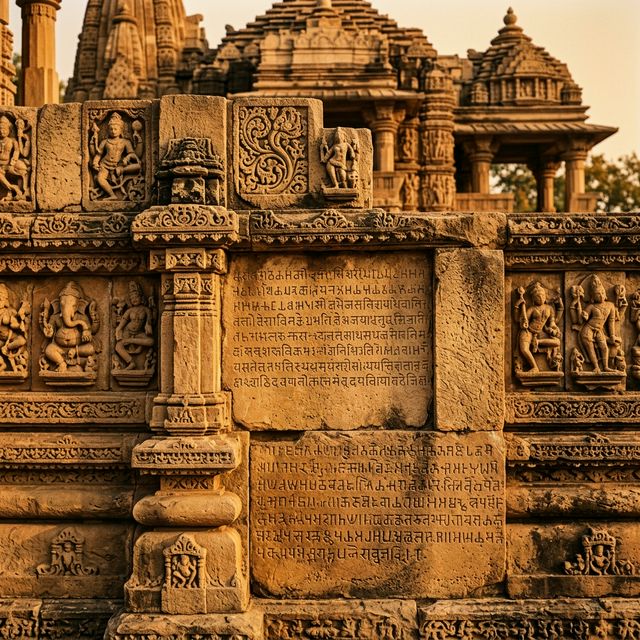
Issued in the Kalacuri year 406, Bhādrapada, śuddha 15 corresponding to 10th August 656 CE, these copper plates were discovered at Bagumra in Gujarat. The inscription belongs to the Sendraka dynasty, recording the lineage from Bhānuśakti to his grandson Allaśakti, also known as Pṛthivīvallabha Nikumbha. Engraved in the Brāhmī, the record is in Sanskrit language.
The charter records the grant of Balisa village, located within the Treyanṇā āhāra, by the king Allaśakti. The beneficiary was Bappasvāmin, a brāhmaṇa of the Bhāradvāja gotra and resident of Vijaya-Aniruddhapuri. The donation, made on the full moon day of Bhādrapada, was intended to support the five great sacrifices including agnihotra and vaiśvadeva. It conveys various administrative rights, such as udraṅga and uparikara, while ensuring the land remains exempt from the entry of irregular troops and forced labor. The charter was drafted by Devadinna, the minister for peace and war (sāndhivigrahika), under the authority of a high military official.
First Plate
1. siddham | prathamadiksarasīpṛthupaṅkajam gaganavāridhividrumapallavam | tridaśaraktajapākusumam navam
2. diśatu vo vijayam ravimaṇḍalam || 1 || svasti | merumahīdharaśikharasthirarucirasamunnate vikasi-
3. tayaśasi mahati sendrakarājāna | manvaye naikacāturddantagajaghaṭāṭopasamadasaṅghaṭṭala-
4. bdhavijayo vijitāśeṣaripugaṇaḥ svabhujabalavikkramākkrāntamahīmaṇḍalaḥ praṇatāśe–
5. ṣasāmantaśiromukuṭanighṛṣṭapadapaṅkajaḥ nayavinayasatyaśaucācāradamadayādānadā-
6. kṣiṇyaśrīsampadupeto narapatiḥ śrīmadbhānuśaktistasya putrastatpādānudhyātaḥ śaradama-
7. laśāśāṅkamaṇḍalāmapalayaśāḥ savitevodayavānanuraktamaṇḍalaśca kalpadru-
8. ma ivābhivāmchitāśeṣajanopabhujyamānavibhavo janārddana ivāpahṛtāmaśeṣabali-
9. rājyaḥ paracakrānuraktalakṣmīkaḥ śrīmannarapatiḥ ādityaśaktistasya putrastatpādānudhyātaḥ
10. śrīmāndakṣiṇagurubāhudaṇḍaprithivī pālanakṣamo vyapagatasajalajala jaladhara–
11. paṭalavyomatalagataśaradindukiraṇadhavalatarayaśovitānalaghitabhodhi ya para
12. paramagabhīro devadvijātisvajanabāndhavopabhujyamanavibhavo bhavasūnurivāpra-
13. tihatārātiḥ śaktirivopāttarājyaḥ samadadviradavarasalīlagatirarjuna ivāśeṣasam–
14. grāmavijayī anavaratavikramotsāhaśaktiṣapannaḥ kāma iva samāna yuvatijana-
15. nayananandanaḥ śrīmatprīthivīvallabhanikumbhāllaśaktiḥ sarvvāneva yathāsambadhyamā-
16. nakān rājarājasthānīyacoroddharaṇikadāṇḍapāśikadūtagamāgamika-bhaṭacāṭase-
17. vakādīn brāhmaṇottarān vaṇigjānapadānanyāmśca gamāgamika viṣaya patirāṣṭragrāmakū-
18. ṭaṭāyuktakamahattarādhikārikādīnanudarśayati | astu vo viditam mayā
19. paralokāvekṣatvamaṅgīkṛtya
Second Plate
20. mahatphalam ca śrutvā tataḥ treyaṇṇāhāraviṣayāntarggata balisagrāmo
21. balicaruvaiśvadevāgni hotrādikriyotsarppaṇārttham mātāpitrorātmanaśca pu-
22. ṇyayaśovṛddhaye ācandrārkkārṇṇavakṣitisthitisamakālīnaḥ putrapautrānvayakramo-
23. pabhogyaḥ sabhūtavātapratyāyaḥ sarvvādānasaṅgrāhyaḥ sarvvadityaviṣṭiprātibhedikāparihīṇaḥ
24. bhūmicchidranyāyenācāṭabhaṭapraveśyaḥ sodraṅgaḥ soparikaraḥ bhādrapadapaurṇṇama māsyām vija-
25. yāniruddhapurīvāstavyabhāradvājasagotravājasaneyamamādhyam dinasabrahmacāriṇe bappasvāmi-
26. ne dīkṣitāya udakātisarggeṇa pratipāditaḥ | yatosmadvamśajairanyairvvā-
27. gāminṛpatibhirnnalaveṇukadalīsāram samsāram jalabudbudopamam ca jīvitamavadhāryya
28. śirīṣakusumasadṛśāpāyam ca yauvanam girinadīsalilagatvarāṇi caiśvaryyaryyāṇi prabala-
29. pavanāhatāśvaṃtthapatracamcalā ca rajyaśrīritīdayamākalayyāyamasmaddāyonumantavyaḥ
30. pratipālayitavyaśca | yo vājñānapaṭalāvṛtamatirācchimdyādācchidyamānam vānumodeta
31. sa pañcabhirmmahahāpapātakaiḥ sopapātakaiśca samyuktaḥ syāditi | uktam ca bhagavatāpārāśaryyeṇa ve-
32. davyāsena vyāsena || bahubhirvvasudhā bhuktā rājabhiḥ sagarādibhiryyasaya yasya yadā bhūmiḥ
33. tasya yasya tadā phalam || 2 || vindhyāṭavīṣvatoyāsu śuṣkakoṭaravāsinaḥ | kṛṣṇāhayo hi jāyante bhūmidā-
34. yam harantiye || 3 || ṣaṣṭim varṣa sahasrāṇi svargge modati bhūmidaḥ | ācchettā cānumantā ca tānyeva narake
35. vaset || 4 || svadattām paradattām vā yatnādraṣa yudhiṣṭhira | mahīm mahimatām śreṣṭha dānācchreyonupālanam || 5 ||
36. yānīha dattāni purā narendrairddānāni dharmmārtthaya śaskarāṇi | nirbhuktamālyapratimāni tāni ko
37. nāma sādhuḥ punarādadīta || 6 || samvatsaraśatacatuṣṭaye ṣaḍuttare bhādrapadaśuddhapañcadaśyām
38. dūtakotra śrīvallabhabappaḥ | mahābalādhikṛtavāsavasamādeśāt likhitamidam tasyaivānu-
39. jena samdhivigrahādhikṛtadevadinneneti ||
Success!
Verse 1
May the orb of the sun, the large lotus of the lake of the first eastern quarter, the coral leaf of the ocean of the firmament, the fresh jasmine flower of the gods, grant you victory!
Lines 2 to 5
Hail! In the great lineage of the Sendraka kings, which is firmly established, excellent, and elevated like the peak of the mountain Meru, and whose fame has become expanded, there was the illustrious Bhānuśakti, the lord of men, who obtained victory in the clash of fight by means of the arrays of troops of many four-tusked elephants; who conquered the multitude of all his foes; who obtained the circle of the earth by the might and prowess of his arms; whose lotus-like feet were scratched by the diadems on the heads of all feudatories who bowed to him; and who was endowed with political wisdom, modesty, truthfulness, purity, character, self-restraint, compassion, liberality, courteousness, and excellent fortune.
Lines 6 to 8
His son was Ādityaśakti, the illustrious lord of men, who meditated on his father's feet; whose glory was spotless like the orb of the clear autumnal moon; who, being possessed of prosperity and having his kingdom devoted to him, resembled the sun which also rises and has a red orb; who, with his wealth desired and enjoyed by all people, was like the wish-fulfilling tree; who took away the kingdoms of all powerful kings as Janārdana (Viṣṇu) took away the entire kingdom of Bali; and whose fortune was fond of the enemies’ kingdoms.
Lines 9 to 17
His son, the illustrious Pṛthivīvallabha, Nikumbha Allaśakti, who meditates on his father's feet; who is glorious and is capable of protecting the earth with his staff-like right arm; whose canopy of glory, whiter than the rays of the autumnal moon shining in the sky from which water-laden clouds have disappeared, has stretched beyond the ocean; who is extremely deep in intellect, whose wealth is being enjoyed by gods, brāhmaṇas, friends, and relatives; who, like the son of Bhava (Kārttikeya), has his progress unchecked; who, like Śakti, has obtained a kingdom; whose gait is graceful like that of a choice rutting elephant; who, like Arjuna, has obtained victory in all battles; who is endowed with unfailing prowess, energy, and might; and who, like Cupid, delights the eyes of love-lorn ladies, addresses the following order to all the kings, rājasthānīyas, cauroddharaṇikas, dāṇḍapāśīkas, dūtas, gamāgamikas, bhaṭas, cāṭas, servants and so forth, merchants and residents of the Janapada (the foremost of whom are brāhmaṇas), and others, heads of viṣayas, those of rāṣṭras and villages, āyuktakas, mahattaras, officials, and others, according as it might concern them:
Lines 18 to 25
Be it known to you that, having regard to the other world and having heard of the great reward of gifts of land, I have granted, on the full-moon day of Bhādrapada with a libation of water, for the increase of the religious merit and fame of my mother and father and of myself, the village Balisa situated in the āhāra and viṣaya of Treyaṇṇa, together with duties on commodities manufactured or imported into the village, with udraṅga and uparikara, being exempt from all dues, gifts, forced labour, and special rights; which is not to be entered by cāṭas and bhaṭas, according to the maxim of waste land; and which is to be enjoyed by a succession of sons and sons’ sons as long as the moon, the sun, the ocean, and the earth will endure, to the dīkṣita Bappasvāmin of the Bhāradvāja gotra, who is a student of the Mādhyandina śākhā of the Vājasaneya (or White Yajurveda) and a resident of the victorious Aniruddhapurī, for the maintenance of bali, caru, vaiśvadeva, agnihotra, and other religious rites.
Lines 26 to 30
Wherefore, future kings, whether born in our family or others, having realised that worldly existence possesses as little worth as reeds, bamboos, and plantain trees possess sap, and that life is evanescent like a water-bubble; and having considered that youth is liable to fade like a śirīṣa flower, that prosperity slips away like water of a mountain stream, and that fortune is as unstable as the leaves of an Aśvattha tree which is struck by a very strong wind, should consent to this our gift and preserve it! But he who, with his mind shrouded by the veil of ignorance, confiscates it or allows it to be confiscated, shall incur the five great sins together with minor sins!
Lines 31 to 36
And the holy Vyāsa, the son of Parāśara and redactor of the Vedas, has said:
(Here follow five benedictive and imprecatory verses.)
Lines 37 to 39
In the year four hundred increased by six (406), on the fifteenth tithi of the bright fortnight of Bhādrapada. The dūtaka for this charter is Śrīvallabha Bappa. By the order of the mahābalādhikṛta Vāsava, this charter has been written by his own younger brother, the sandhivigrahādhikṛta Devadinna.| Dynasty: | Sendraka |
| Ruler: | Allaśakti |
| Date: | 10th August 656 CE (Bhādrapada, śuddha 15, varṣa 406) |
| Place: | British Museum, London |
| Donor: | Allaśakti |
| Donee: | Brāhmaṇa Bappasvāmin |
| Language: | Sanskrit |
| Script: | Brāhmī |
| Religion: | Vedic |
| Nature of grant: | Land donation |
| Purpose: | To perform the religious rites including bali, caru, vaiśvadeva, and agnihotra |
| Provenance of inscription: | Bagumra, Surat, Gujarat |
| Type of Inscription: | Copperplate grant |
| Source: |
Bibliography & Research
- Bühler, G. (1934). Bagumra Grant of Nikumbhallasakti. Indian Antiquary, XVIII, 265-270.
Bühler, G. (n.d.). Bagumra Plates of Allaśakti. Sitzungsberichte der Wiener Akademie, Band CXIV, pp. 169.
- Mirashi, V. V. (Ed.). (1955). Corpus Inscriptionum Indicarum Inscriptions of the Kalachuri Chedi Era. In (Vol. Vol 4 (Part 1), lvii-lix and 117-122. Archaeological Survey of India.
